Are you wondering when your female cat can start breeding? Knowing the right time is important for her health and your planning.
Breeding too early or too late can cause problems for your cat and her kittens. You’ll discover the signs to watch for, the ideal age for breeding, and how to keep your cat safe throughout the process. Keep reading to make sure you’re ready when the time comes.

Credit: www.petscare.com
Cat Sexual Maturity
Understanding when your female cat reaches sexual maturity is key to responsible pet care. Sexual maturity marks the time she can start breeding, which influences her health, behavior, and needs. Knowing the signs helps you make informed decisions about her well-being and breeding plans.
Age Range For Breeding
Female cats usually reach sexual maturity between 5 to 12 months old, but this can vary by breed and individual health. Smaller breeds often mature faster, sometimes as early as 4 months. It’s important to recognize that early breeding can be risky for kittens who haven’t fully grown.
Have you noticed your cat acting differently as she nears one year old? This could indicate she’s entering her first heat cycle, signaling readiness for breeding.
Physical Signs Of Maturity
Look for physical changes like the development of the reproductive organs and a slight increase in body size. The vulva may become swollen and more noticeable during heat cycles. Your cat’s coat might also look shinier and healthier as her hormones change.
Pay attention to these signs before deciding to breed. Early identification helps prevent health issues related to premature breeding.
Behavioral Changes
Your cat might start showing new behaviors such as increased vocalization, restlessness, and rubbing against objects or people. She may also become more affectionate or display territorial behaviors. These are clear signals that she’s experiencing her heat cycle and is ready to breed.
Have you observed your cat’s sudden change in mood or energy? Recognizing these patterns helps you manage her needs and timing for breeding more effectively.

Credit: www.catbreedingforbeginners.com
Early Vs. Delayed Breeding
Deciding when female cats should start breeding involves weighing early and delayed options. Both choices affect the cat’s health and the kittens’ well-being. Understanding the differences helps owners make informed decisions.
Risks Of Early Breeding
Breeding a female cat too early can cause health problems. Young cats may not be fully grown or strong enough. Early pregnancy can lead to complications during birth. The mother may suffer from malnutrition or stress. Kittens born to very young mothers might be weaker or smaller.
Benefits Of Waiting
Waiting to breed allows the cat to grow and mature. A mature cat is healthier and better prepared for pregnancy. It reduces the risk of birth complications. The mother can provide better care and nutrition to her kittens. Waiting improves the chances of healthy and strong offspring.
Ideal Breeding Age
The best time to breed a female cat is usually between 1 and 2 years old. At this age, cats have reached physical maturity. They are more likely to handle pregnancy and birth safely. Breeding after this period supports the health of both mother and kittens. Regular vet check-ups can confirm the ideal timing for each cat.
Heat Cycles And Fertility
Understanding heat cycles and fertility in cats is crucial for breeders. Female cats, or queens, undergo unique reproductive cycles. These cycles dictate when they can conceive. Knowing the details helps in planning for kittens.
Frequency Of Heat Cycles
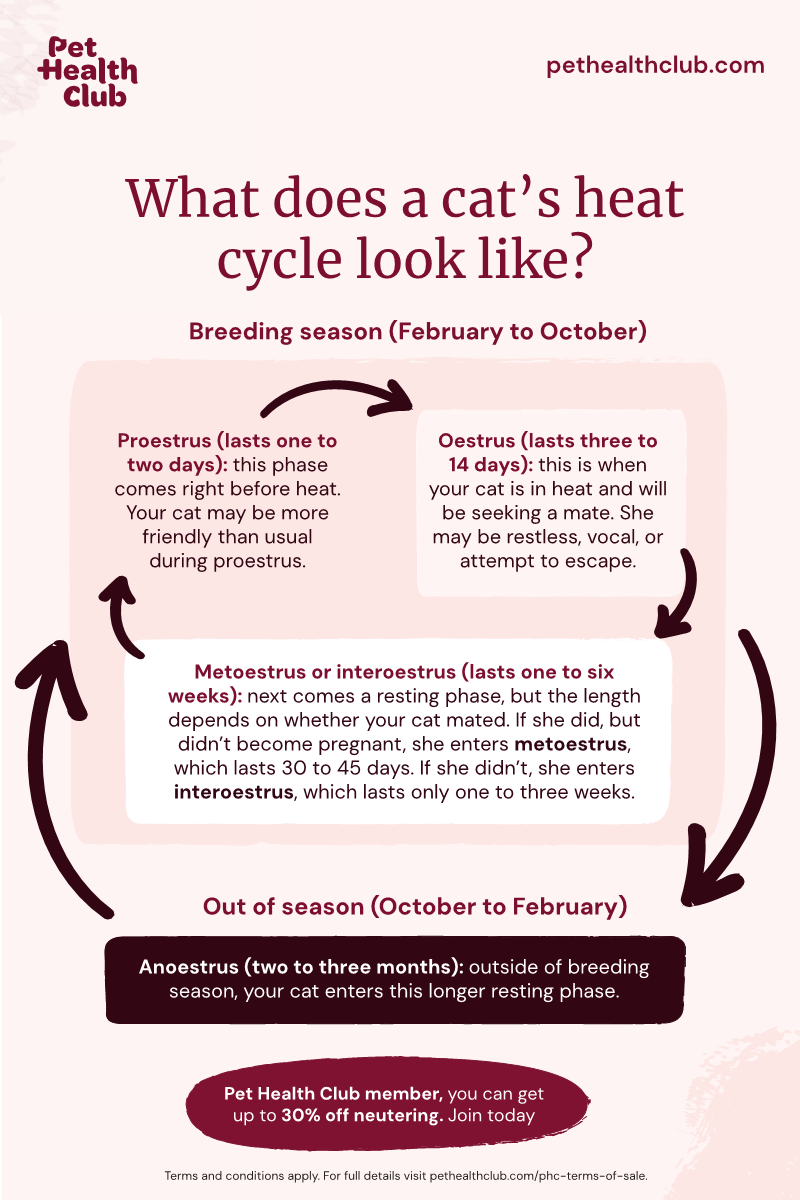
Female cats experience multiple heat cycles yearly. These cycles usually start when the daylight increases. Each cycle lasts about one to two weeks. They may occur every two to three weeks. This frequent cycling allows for several breeding opportunities.
Signs A Cat Is In Heat
Recognizing a cat in heat is essential. Common signs include increased vocalization and affectionate behavior. Queens may also become more restless. They often display a unique posture, raising their hindquarters. These signs signal their readiness to mate.
Impact On Breeding Timing
Heat cycles influence the best breeding time. Breeding during a queen’s heat increases chances of conception. Timing is crucial for successful mating. The right moment ensures healthy, well-timed litters. Understanding cycles helps in planning for optimal breeding times.

Credit: dremmanuelfontaine.com
Health Considerations
Before your female cat starts breeding, it’s crucial to focus on her health. Breeding too early or without proper care can lead to serious complications. Understanding her nutritional needs, scheduling veterinary checkups, and being aware of common health risks can make a big difference for her and her future kittens.
Nutritional Needs
Your cat’s diet plays a key role in her ability to breed safely. She needs a balanced diet rich in proteins, fats, and essential vitamins to support her growing body and reproductive system. Switching to high-quality kitten food or a specially formulated diet for pregnant cats can help meet these increased nutritional demands.
Have you noticed how your cat’s appetite changes as she matures? Paying close attention to these shifts can guide you in adjusting her food intake for optimal health.
Veterinary Checkups
Regular vet visits are a must before your cat begins breeding. A vet can check for any underlying conditions that might affect pregnancy or delivery. They can also recommend vaccinations and parasite control to protect both your cat and her kittens.
Don’t wait until your cat is pregnant to get her checked. Early veterinary advice can prevent many problems and ensure she’s ready for motherhood.
Common Health Risks
Breeding too early can expose your cat to risks like infections, complications during labor, and nutritional deficiencies. Conditions like pyometra (uterine infection) and toxoplasmosis are serious and require immediate attention.
Are you prepared to handle emergencies? Knowing the signs of distress in your cat can save lives and reduce stress for you and your pet.
Breeding Preparation
Preparing a female cat for breeding is essential for her health and the kittens’ well-being. Proper preparation helps avoid stress and complications. Focus on creating the right environment, selecting a healthy mate, and closely watching the pregnancy progress.
Environment Setup
Create a calm and safe space for the female cat. Use a quiet room with soft bedding and good ventilation. Keep the area clean and free from loud noises or other pets that might disturb her. Provide fresh water and nutritious food nearby. This setup helps the cat feel comfortable and secure during breeding and pregnancy.
Choosing A Mate
Select a healthy male cat with no hereditary diseases. Look for good temperament and strong physical traits. The male should be vaccinated and parasite-free. Proper health checks reduce risks for both cats and kittens. Choosing the right mate improves the chances of healthy offspring.
Monitoring Pregnancy
Watch for signs of pregnancy such as appetite changes and weight gain. Schedule regular vet visits to check the cat’s health and the kittens’ development. Provide a balanced diet rich in proteins and vitamins. Keep the cat calm and avoid stressful situations. Early detection of problems helps ensure a safe pregnancy and delivery.
Ethical Breeding Practices
Ethical breeding practices protect the health and well-being of female cats and their kittens. Breeding should only happen when cats are mature and healthy. It requires careful planning and respect for the animals’ needs. Responsible breeders avoid causing harm to cats or contributing to overpopulation. These practices ensure kittens have better chances for healthy lives.
Avoiding Overbreeding
Overbreeding harms female cats physically and mentally. It can lead to health problems and shorter lifespans. Breeders must limit the number of litters a cat has. Giving cats enough time to recover between pregnancies is essential. Avoiding overbreeding helps maintain strong and healthy cats.
Spaying And Population Control
Spaying female cats helps control the cat population. It prevents unwanted litters and reduces stray cat numbers. Spaying also lowers the risk of some cancers and infections. Responsible owners should spay cats that will not be bred. This step supports community health and animal welfare.
Responsible Ownership
Responsible owners provide proper care for breeding cats. They ensure cats have good nutrition, regular vet visits, and safe environments. Owners should monitor cats closely for health issues. They must find good homes for all kittens. Taking responsibility improves cats’ quality of life and supports ethical breeding.
Frequently Asked Questions
When Do Female Cats Typically Reach Breeding Age?
Female cats usually reach breeding age around 5 to 6 months. Some may mature earlier, especially in warm climates. Early breeding can increase health risks, so responsible timing is crucial for cat welfare and kitten health.
How Often Can A Female Cat Breed In A Year?
A female cat can breed multiple times a year, typically every 2 to 3 months during breeding season. However, frequent breeding can harm her health. Responsible breeding limits the number of litters to maintain her wellbeing.
What Signs Indicate A Female Cat Is Ready To Breed?
Signs include vocalizing more, restlessness, affectionate behavior, and lordosis posture. These behaviors indicate she is in heat and ready to mate. Knowing these signs helps in managing breeding responsibly and safely.
Is It Safe To Breed Female Cats During Their First Heat?
Breeding during the first heat is generally not recommended. The cat’s body may not be fully developed, leading to health complications. Waiting until at least the second heat ensures better health for both mother and kittens.
Conclusion
Female cats can start breeding as early as five months old. It is important to wait until they are mature and healthy. Early breeding can cause health problems for the cat and her kittens. Responsible care ensures better outcomes for both mother and babies.
Always consult a vet before deciding to breed your cat. Proper timing helps keep your cat happy and safe. Remember, patience is key when it comes to breeding cats. Taking time to prepare benefits everyone involved.



Leave a Reply