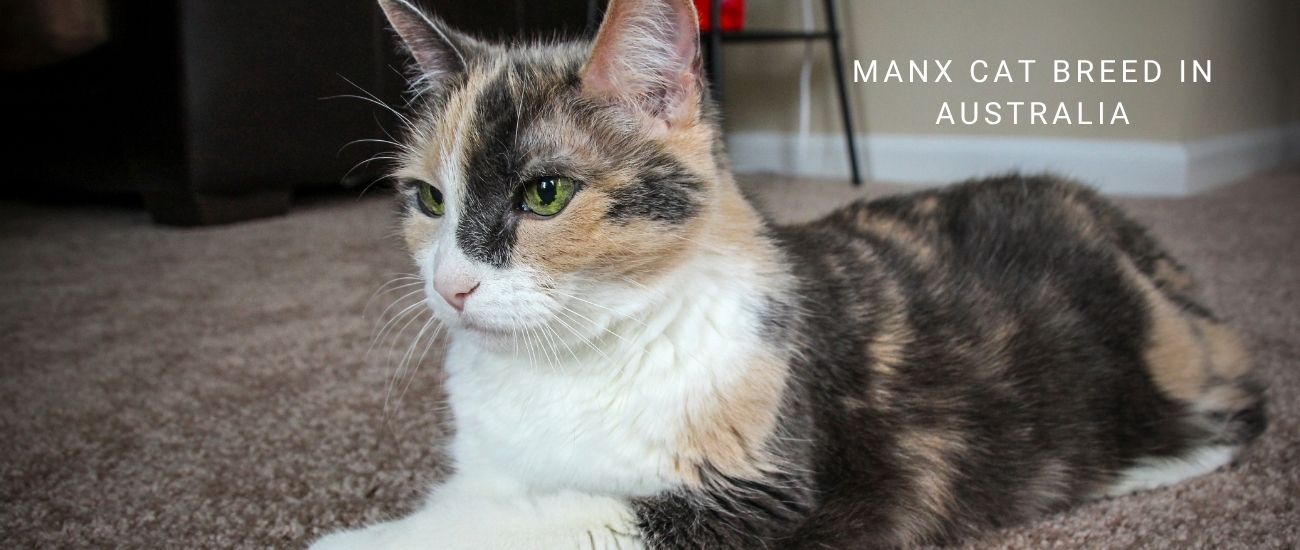
If you’re thinking about breeding Manx cats, there’s one crucial rule you need to know: never breed a rumpy to another rumpy. It might sound simple, but ignoring this can lead to serious health problems for your kittens.
Understanding why this matters will help you make smarter choices and keep your cats healthy. Keep reading to discover the important reasons behind this rule and how you can ensure your Manx breeding is safe and successful.
Manx Cat Genetics
The genetics behind Manx cats is fascinating and crucial to understand if you’re considering breeding them. Their signature taillessness comes from a unique genetic mutation, but it’s not as simple as it looks. Knowing how this gene works helps you avoid serious health problems in the kittens.
Rumpy Trait Explained
The “Rumpy” trait means a Manx cat has no tail at all. This happens because of a dominant gene that affects spine development. If a kitten inherits one copy of this gene, it will have no tail. But two copies can be dangerous.
This gene doesn’t just remove the tail; it changes the structure of the spine. You might notice Manx cats with short tails or tails of different lengths, called “stumpies” or “longies.” But only the “Rumpy” cats have the complete lack of tail, which many find charming.
Genetic Risks Of Rumpy To Rumpy Breeding
Breeding two Rumpy cats is risky because the gene that removes the tail is lethal in its double form. If a kitten inherits the gene from both parents, it usually dies before birth. This reduces litter sizes and can cause serious health issues.
Besides smaller litters, surviving kittens might suffer from spinal problems like spina bifida, which can cause paralysis or other disabilities. These risks make Rumpy-to-Rumpy breeding a dangerous practice.
Have you ever wondered how breeders manage these risks? Most responsible breeders avoid Rumpy-to-Rumpy pairings and instead mate Rumpies with tailed Manx cats to keep the gene healthy in the population. This approach helps keep kittens safe and healthy.
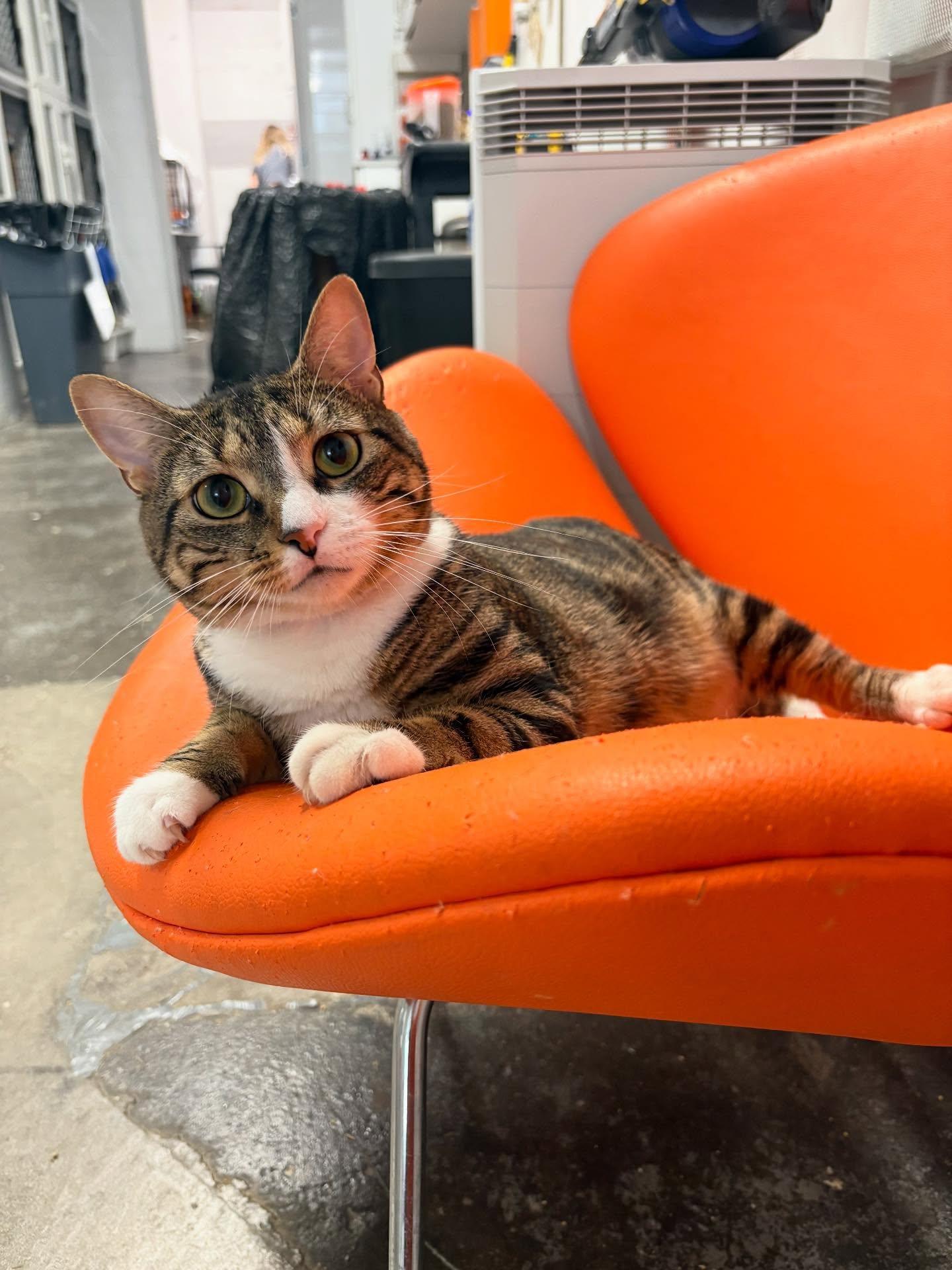
Credit: cats.com
Health Issues In Manx Cats
Manx cats have a unique look due to their tail variations. This special trait can sometimes lead to health challenges. Understanding these issues helps breeders avoid problems, especially with rumpy-to-rumpy pairings.
Spinal Problems Linked To Tail Types
The Manx tail affects the spine’s shape and function. Rumpy cats lack a tail entirely, which can cause spinal defects. These defects include spina bifida and fused vertebrae.
Breeding two rumpy Manx cats increases the chance of severe spinal issues. These can lead to pain, paralysis, or difficulty walking. Breeders avoid rumpy-to-rumpy mating to reduce these risks.
Common Genetic Disorders
Manx cats carry genes that affect more than just their tails. Some may develop problems like:
- Manx Syndrome – affects nerves and muscles in the back.
- Digestive issues caused by nerve damage.
- Urinary and bowel incontinence.
These disorders often result from inherited genetic factors. Careful breeding choices help lower the chance of passing these on.
Breeding Best Practices
Breeding Manx cats requires a thoughtful approach to ensure the health and well-being of the kittens. Understanding the genetic intricacies of these tailless felines is crucial for any breeder. Following best practices can help avoid potential health issues and promote the overall vitality of the breed.
Selecting Compatible Pairs
Choosing the right pair of Manx cats is not just about aesthetics; it’s about genetics. Look for a balance in traits to ensure robust offspring. Consider the lineage and health records of each cat to make informed decisions.
Healthy breeding pairs should complement each other in both physical characteristics and temperament. This approach can lead to kittens that are not only physically healthy but also have balanced personalities. Successful breeders often emphasize the importance of a thorough understanding of genetics to prevent hereditary issues.
Avoiding Rumpy To Rumpy Mating
One critical rule in breeding Manx cats is to avoid mating two rumpies. Why? Because this pairing significantly increases the risk of spinal deformities in kittens. Rumpies, known for their lack of a tail, carry a dominant gene that can lead to serious health problems when doubled.
Instead, consider pairing a rumpy with a stumpy or a tailed Manx. This reduces the risk of genetic complications. Ask yourself, is it worth the risk of sacrificing the health of the kittens for the sake of appearance?
Responsible breeders prioritize the well-being of their cats over the pursuit of specific traits. By adhering to these best practices, you can contribute positively to the Manx breed and ensure the joy of healthy, happy kittens.
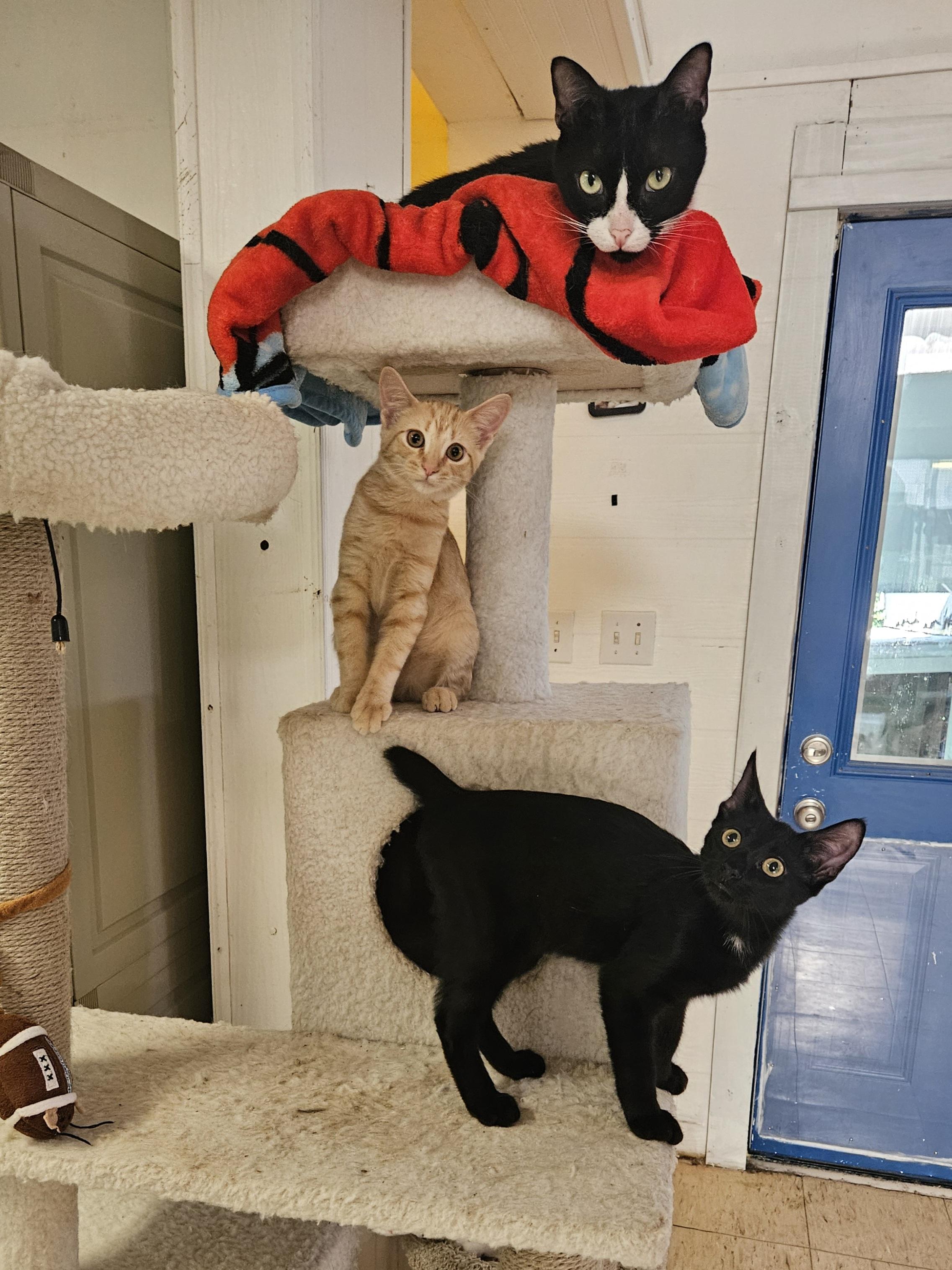
Credit: cats.com
Expert Tips For Responsible Breeding
Responsible breeding of Manx cats requires careful attention to genetics and health to maintain the breed’s unique traits without risking serious health issues. When breeding Manx cats, especially avoiding pairing two rumpies, your goal is to support strong, healthy kittens while preserving the breed’s distinctive characteristics. Here are expert tips that can help you manage your breeding program with care and confidence.
Genetic Testing Methods
Genetic testing is essential to identify potential health risks before breeding. You should test for the Manx gene variant to ensure you don’t breed two rumpies, which can lead to severe spinal defects in kittens.
Tests are available for detecting mutations linked to spinal issues and other hereditary conditions. Using a simple cheek swab or blood sample, these tests provide clear results that guide your breeding decisions.
Have you checked whether your cats carry the tailless gene mutation? Knowing this helps you avoid pairing two rumpies and reduces the risk of producing kittens with harmful deformities.
Monitoring Kitten Health
Once kittens are born, careful monitoring is crucial. Look for signs of mobility problems or abnormal development early on.
Regular vet check-ups are a must. Keep detailed records of weight gain, activity levels, and any physical abnormalities to spot issues quickly.
Feeding a balanced diet and providing a safe environment supports healthy growth. Have you noticed subtle signs like difficulty walking or unusual posture? Acting fast can make a big difference in outcomes.
Alternatives To Rumpy Pairing
Breeding Manx cats requires careful choices to ensure healthy kittens. Pairing a rumpy with another rumpy can cause health problems. There are safer alternatives that maintain the breed’s unique traits while improving kitten health. These options involve mixing different tail types within the Manx breed.
Breeding Rumpy With Stumpy
Pairing a rumpy with a stumpy reduces risks linked to spinal defects. Stumpy Manx cats have a short tail, unlike rumpies with no tail at all. This pairing often produces healthy kittens with varied tail lengths.
Breeding rumpy and stumpy helps keep the Manx gene strong. It avoids severe spine issues that happen in rumpy-to-rumpy litters. Plus, the mix gives kittens a better chance at normal movement and health.
Benefits Of Mixed Tail Breeding
Mixed tail breeding combines traits from different Manx types. It creates a diverse gene pool and lowers health risks.
- Improves kitten survival rates
- Reduces chance of spinal problems
- Maintains the Manx’s unique look
- Offers variety in tail length and style
This approach supports responsible breeding. It balances the need for Manx traits and the cats’ overall health. Mixed tail breeding is a smart choice for breeders and cat lovers alike.
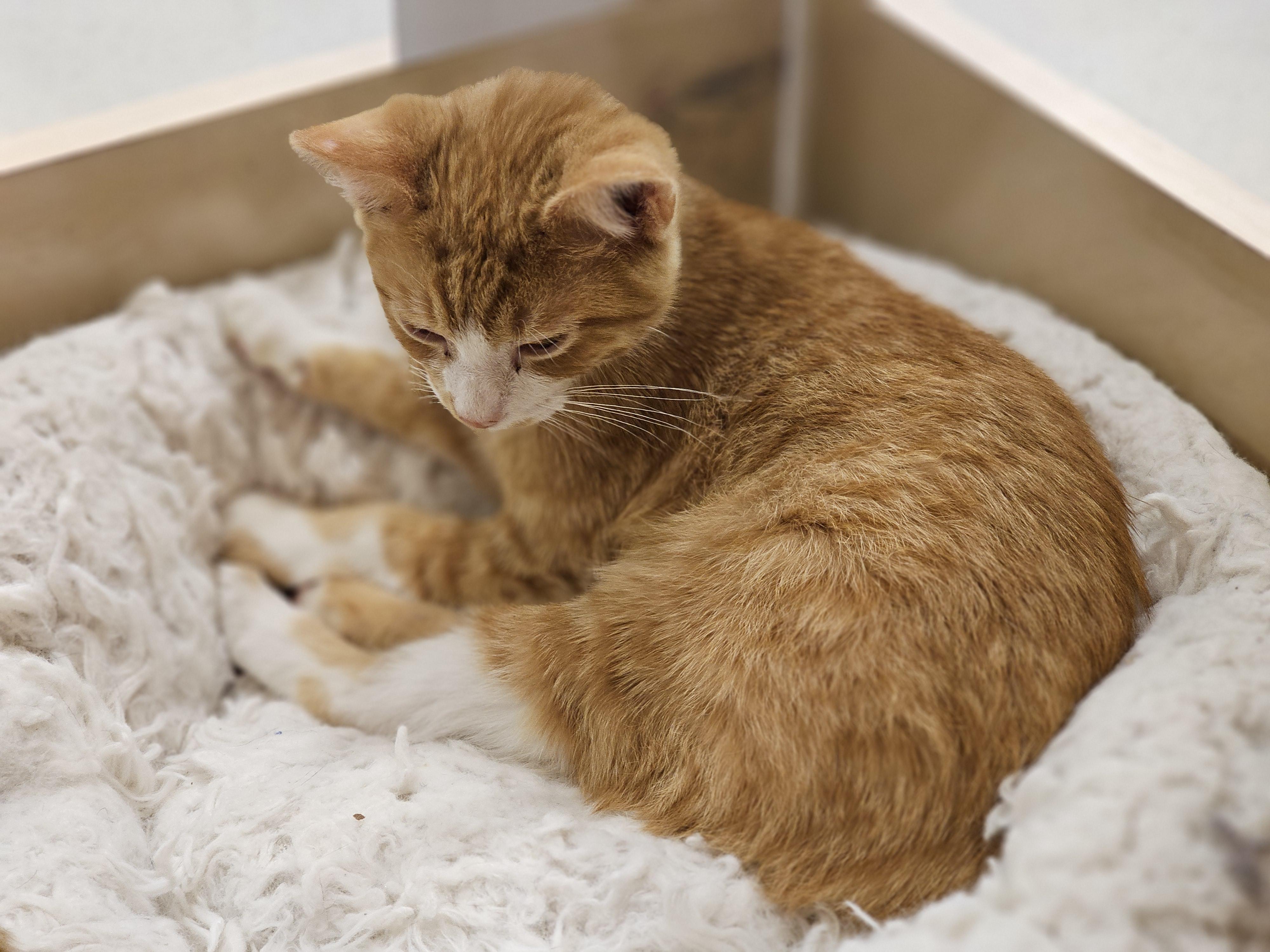
Credit: cats.com
Frequently Asked Questions
Why Should You Avoid Breeding Rumpy To Rumpy Manx Cats?
Breeding two Rumpy Manx cats can cause serious spinal issues. It increases the risk of severe health problems and deformities in kittens. Responsible breeders avoid this pairing to ensure healthier offspring and maintain breed standards.
What Health Risks Arise From Rumpy To Rumpy Breeding?
Breeding Rumpy Manx cats together raises the chance of spinal defects and stillbirths. It can result in severe physical disabilities and shortened lifespans. Avoiding this practice protects the well-being of the kittens and the breed’s integrity.
How Does Manx Gene Inheritance Affect Rumpy Breeding?
The Manx gene is a dominant mutation that causes tail loss. Two Rumpy parents may pass lethal genes, leading to non-viable kittens. Understanding this genetics helps breeders make safe and ethical mating choices.
Can Rumpy Manx Cats Breed With Other Manx Types?
Yes, Rumpy Manx cats can safely breed with Tailless or Stumpy Manx cats. This pairing reduces health risks and promotes genetic diversity. It helps maintain a healthy Manx population without severe spinal issues.
Conclusion
Breeding Manx cats needs careful thought and care. Avoid breeding rumpy to rumpy to keep kittens healthy. This practice can lead to serious health problems. Choosing different Manx types helps maintain strong, happy cats. Breeders must know these rules to protect the breed.
Healthy cats mean happy owners and better lives. Always prioritize the well-being of your cats. Simple steps make a big difference in breeding success. Respect the breed’s unique traits and needs. Caring for Manx cats is a rewarding experience.

Leave a Reply