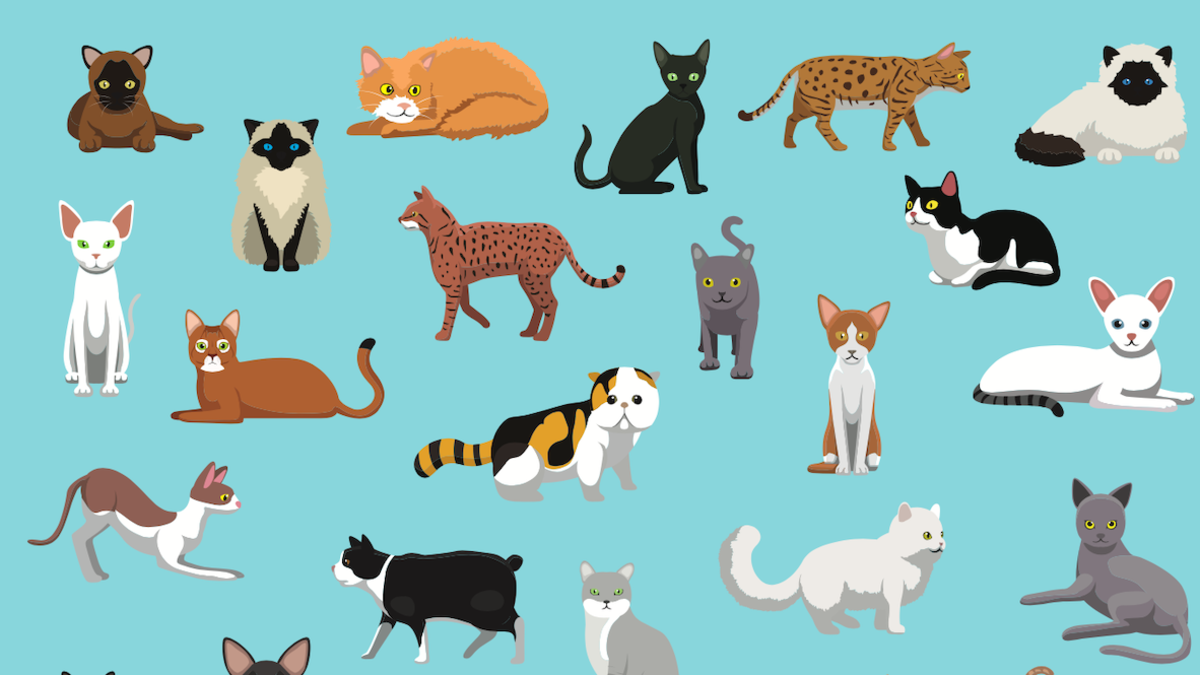
Have you ever wondered just how many different kinds of cat breeds exist? If you’re a cat lover or thinking about adopting a feline friend, knowing about the variety of cat breeds can help you find the perfect match for your home and lifestyle.
From fluffy and playful to sleek and mysterious, each breed has its own unique charm. Keep reading, and you’ll discover surprising facts that can make your connection with cats even stronger. Your next favorite feline might be just a few paragraphs away!
Cat Breed Categories
Understanding the different categories of cat breeds helps you appreciate the diversity and uniqueness each type offers. These categories highlight how cats are grouped based on their lineage, appearance, and sometimes behavior. Knowing these distinctions can guide you if you’re thinking about adding a feline friend to your home.
Pedigreed Cats
Pedigreed cats come from a long line of documented ancestors. Their breed characteristics are carefully maintained through controlled breeding programs. You might recognize popular breeds like the Siamese, Persian, or Maine Coon in this group.
These cats often have specific traits, such as coat patterns, body shape, or personality quirks. If you want predictability in your cat’s appearance or temperament, a pedigreed cat might suit your needs. Have you ever wondered why some cats look so distinct from each other? The answer often lies in their pedigree.
Non-pedigreed Cats
Non-pedigreed cats don’t have documented ancestry and are sometimes called domestic or mixed-breed cats. They make up the majority of cats worldwide and can vary greatly in looks and behavior. These cats are often healthier due to their genetic diversity.
Choosing a non-pedigreed cat means welcoming a unique personality into your life—no two are exactly alike. Have you noticed how some shelter cats surprise you with their intelligence and charm? That’s the beauty of non-pedigreed cats.
Hybrid Breeds
Hybrid breeds are a mix between domestic cats and wild cat species. These breeds combine traits from both sides, resulting in exotic looks and sometimes spirited personalities. Examples include the Bengal, which comes from crossing domestic cats with Asian leopard cats.
Hybrid cats require special care and attention because of their active nature and sometimes stronger instincts. Are you ready to handle a cat that might act more wild than tame? Understanding hybrid breeds is key before bringing one home.
Popular Cat Breeds
Popular cat breeds capture the hearts of many pet lovers worldwide. Each breed has its own unique traits and charm. They differ in size, color, and personality. Some cats are playful, while others are calm and quiet. Understanding popular breeds helps in choosing the right cat for your home.
Siamese
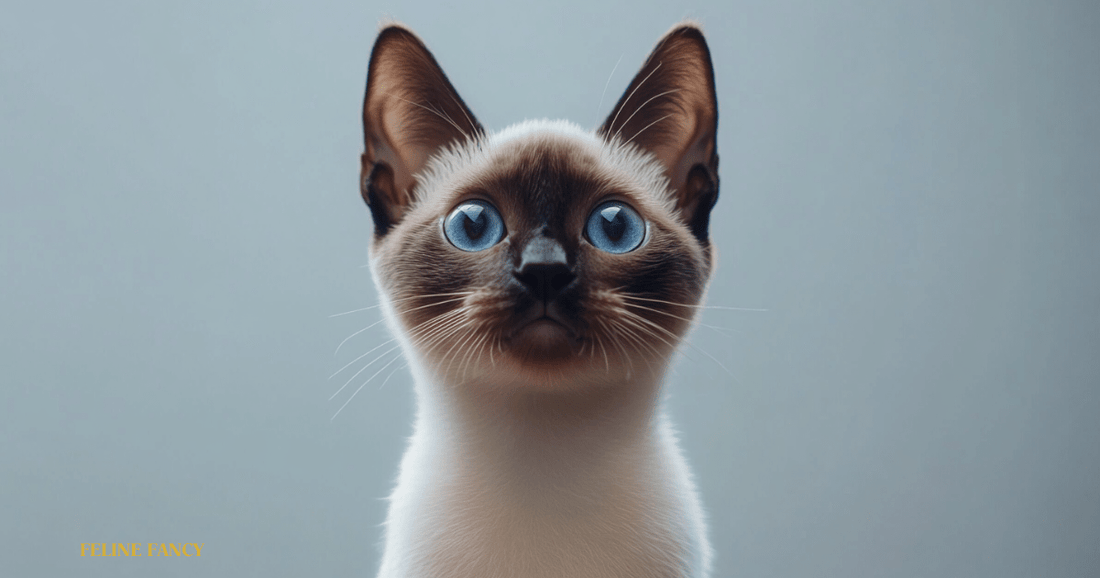
Siamese cats are known for their striking blue eyes and short coat. They have a sleek, slim body and large ears. These cats are very vocal and love to communicate with their owners. They enjoy being around people and are very social.
Maine Coon
Maine Coons are one of the largest domestic cat breeds. They have long, thick fur and tufted ears. These cats are gentle giants, friendly and good with children. Their bushy tail and big paws make them stand out.
Persian
Persian cats have long, luxurious fur and a flat face. They move slowly and enjoy quiet environments. These cats need regular grooming to keep their coat clean. Persians are affectionate and prefer calm homes.
Bengal
Bengal cats have a wild appearance with spotted or marbled coats. They are energetic and love to play. Bengals are smart and curious, often exploring their surroundings. Their unique pattern makes them very eye-catching.
Rare And Exotic Breeds
Cat enthusiasts cherish rare and exotic breeds. These unique felines captivate with their distinct features. Their histories often span centuries, intertwining with cultures worldwide. Each breed offers a glimpse into the diverse world of cats.
Sphynx
The Sphynx is renowned for its hairless appearance. This breed originated in Canada during the 1960s. Despite lacking fur, they are not hypoallergenic. Their skin feels warm and suede-like. Sphynx cats are playful and affectionate. They demand attention and enjoy human company.
Korat
The Korat is one of the oldest cat breeds. Originating from Thailand, it’s considered a symbol of good luck. Their sleek, silver-blue coat is mesmerizing. Korats are known for their heart-shaped faces. They bond closely with their families and are highly intelligent.
Turkish Van
The Turkish Van is famous for its love of water. Native to Turkey, this breed has a unique swimming ability. Their coats are semi-long, with a distinctive pattern. The Turkish Van is active and curious. They thrive in interactive environments and enjoy playtime.
Credit: medium.com
Breed Recognition Organizations
Breed recognition organizations play a key role in defining and standardizing cat breeds worldwide. They set the rules for what makes a breed unique and maintain official breed registries. Without these organizations, it would be challenging to know exactly how many different cat breeds exist or which traits are accepted for each breed.
The International Cat Association
The International Cat Association (TICA) is one of the largest cat breed registries. It recognizes over 70 different breeds, making it a major influencer in the cat fancy world. TICA often embraces new breeds and experimental types, giving you a wide variety of cats to learn about or consider adopting.
If you want to explore rare or newer breeds, TICA’s breed list is a great place to start. Their standards are detailed, helping breeders and owners understand what defines each breed’s appearance and temperament.
Cat Fanciers’ Association
The Cat Fanciers’ Association (CFA) focuses mainly on pedigreed cats with a long history of breed recognition. It recognizes around 45 breeds, many of which are well-established and popular worldwide. CFA events and shows are top venues for seeing these breeds in action.
What makes CFA unique is its strict standards and commitment to preserving traditional breed qualities. If you value consistency and classic breed traits, CFA’s breed list offers a reliable guide.
Fédération Internationale Féline
Fédération Internationale Féline (FIFe) serves as a global federation, connecting many national cat clubs. It recognizes about 50 breeds, balancing between traditional and emerging breeds. FIFe’s international reach helps standardize breeds across countries, making it easier to identify and appreciate cats worldwide.
FIFe’s breed recognition often reflects cultural preferences and regional popularity, so you might find some unique breeds here that aren’t as well-known in other registries. Have you ever wondered why some breeds are more popular in certain countries? FIFe’s list might give you clues.
Traits That Define Breeds
Understanding what makes each cat breed unique goes beyond just their name. The traits that define breeds help you recognize and appreciate the diversity in cats. These traits cover everything from how they look to how they behave, making each breed special in its own way.
Coat Patterns And Colors
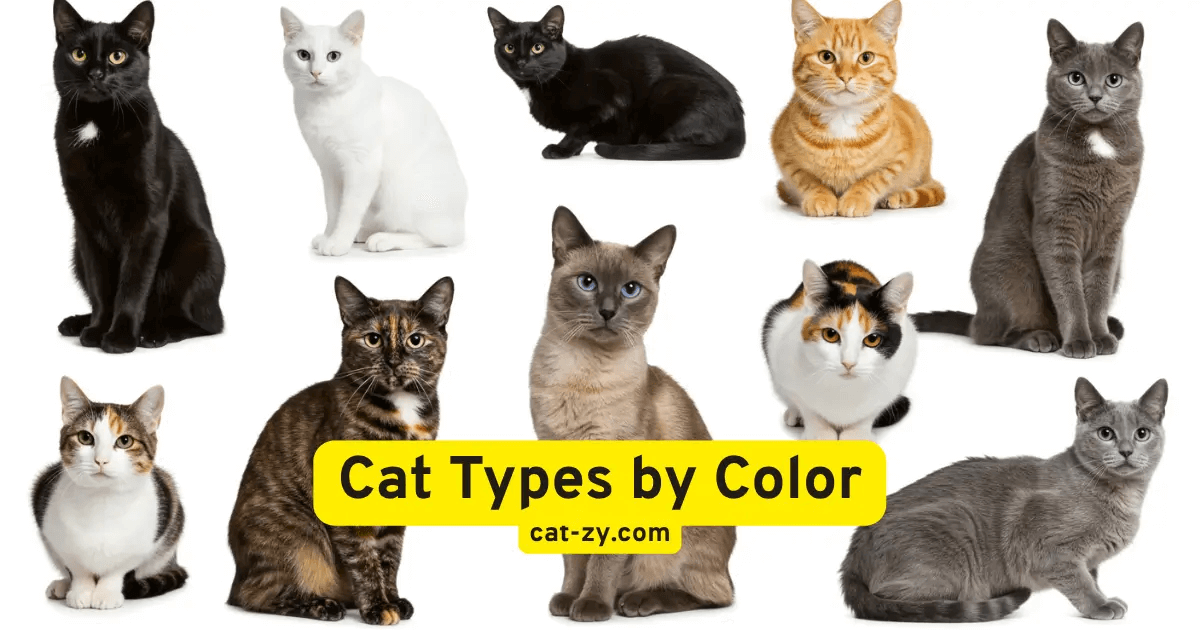
Coat patterns and colors are often the first things you notice about a cat. Some breeds have distinct markings like the striking stripes of a Bengal or the solid color of a British Shorthair. The variety includes:
- Tabby patterns with stripes, spots, or swirls
- Solid colors like black, white, or gray
- Color points seen in breeds such as the Siamese
- Bi-color or tri-color combinations
Have you ever wondered why some cats shed more or feel softer? These differences often come down to their coat type—short, long, curly, or even hairless.
Size And Body Shape
Size and body shape vary widely across cat breeds. Some cats, like the Maine Coon, are large and muscular, while others, such as the Singapura, are small and delicate. Body shapes can be:
- Compact and rounded, giving a cuddly look
- Lean and elongated, which might help with agility
- Stocky and sturdy, perfect for colder climates
Knowing your cat’s body type can help you better care for its health and activity needs. What kind of shape do you think matches your cat’s personality?
Personality And Temperament
Personality traits often define how a breed interacts with you and others. Some cats are naturally playful and energetic, like the Abyssinian, while others prefer calm and quiet companionship, such as the Ragdoll. Temperament differences include:
- Affectionate and social
- Independent and reserved
- Curious and adventurous
- Calm and laid-back
Have you noticed your cat’s unique quirks? Understanding their temperament helps you create a more comfortable and happy home for your furry friend.
How New Breeds Are Created
Creating new cat breeds is a fascinating blend of science, patience, and a deep love for feline diversity. Each breed carries unique traits shaped by careful human intervention or natural changes. Understanding how these breeds come to life can deepen your appreciation for the variety you see today.
Selective Breeding
Selective breeding is the most common way new cat breeds emerge. Breeders choose cats with specific traits, like coat color or personality, and mate them to enhance those qualities over generations.
Think about a breeder who wants a cat with a calm temperament and striking blue eyes. By selecting parents that fit these traits, the chances increase that their kittens will inherit them.
Have you ever noticed how some breeds share similar features? Often, that’s because breeders focused on refining certain characteristics through selective breeding.
Genetic Mutation
Sometimes, new breeds start with a spontaneous genetic mutation—an unexpected change in a cat’s DNA. These mutations can affect fur length, color, or even physical structure.
The Scottish Fold’s unique ear shape comes from such a mutation. When breeders noticed this trait, they worked to preserve and promote it, eventually establishing a whole breed.
Could a random mutation in your neighborhood cat be the start of the next popular breed? It’s a reminder that nature still plays a big role in breed creation.
Crossbreeding
Crossbreeding combines traits from two different breeds to create a new one. This process helps introduce fresh characteristics while maintaining desirable qualities.
The Bengal breed, for example, resulted from crossing domestic cats with Asian leopard cats. This mix gave Bengals their wild-looking spots along with a friendly domestic personality.
Crossbreeding challenges breeders to balance different traits carefully. What traits would you combine if you wanted to design a new breed?
Global Distribution Of Cat Breeds
Cat breeds have spread across the globe, each region adding unique traits. The diversity in cat breeds reflects their adaptation to different climates and cultures. Many breeds have rich histories tied to their places of origin. Understanding where breeds come from helps appreciate their distinct characteristics. The global distribution of cat breeds shows a fascinating map of feline variety.
Breeds Native To Asia
Asia is home to several well-known cat breeds. These cats often have elegant features and unique fur patterns. The Siamese cat from Thailand is famous for its striking blue eyes and vocal nature. The Japanese Bobtail, with its short, kinked tail, is a symbol of good luck in Japan. The Burmese cat, originating from Myanmar, has a muscular build and a friendly personality. These breeds highlight Asia’s rich feline heritage.
Breeds Originating In Europe
Europe has produced many popular cat breeds with diverse looks. The British Shorthair, known for its round face and plush coat, is a classic example. The Maine Coon, although often linked to America, has roots traced back to European cats. The Russian Blue features a sleek silver-blue coat and green eyes. European breeds often have a sturdy build and calm temperament. Their history dates back centuries, shaped by local environments and cultures.
Breeds From The Americas
The Americas have contributed unique cat breeds with distinct traits. The American Shorthair is robust and adaptable, popular as a family pet. The Havana Brown, developed in the United States, is known for its rich brown coat and playful nature. The Sphynx, famous for its hairless appearance, also has North American origins. These breeds show how cats adapted to new environments across the Americas.

Credit: www.youtube.com
Choosing The Right Breed
Choosing the right cat breed is important for a happy home. Each breed has unique traits that suit different lifestyles. Picking a breed that fits your daily routine and personality makes pet care easier. Consider factors like activity level, grooming needs, and health issues. A good match leads to a strong bond between you and your cat.
Lifestyle Compatibility
Some cats are calm and enjoy quiet homes. Others are playful and need space to run. Busy people may prefer independent breeds. Families with children often choose friendly, patient cats. Match a cat’s energy to your lifestyle. This keeps both you and your pet happy.
Allergy Considerations
Cat allergies affect many people. Some breeds produce fewer allergens. These breeds may be better for sensitive individuals. Look for breeds labeled hypoallergenic. Remember, no cat is completely allergy-free. Spending time with a cat before adoption helps test allergies.
Care And Maintenance Needs
Long-haired cats need daily brushing to avoid mats. Short-haired breeds require less grooming. Some cats shed a lot, causing more cleaning. Regular vet visits keep cats healthy. Know the breed’s common health problems. Prepare for the time and cost of care before choosing a cat.

Credit: www.teacherspayteachers.com
Frequently Asked Questions
How Many Cat Breeds Exist Worldwide?
There are approximately 70 to 75 recognized cat breeds globally. Different cat associations may list varying numbers based on breed standards and new breed recognition.
What Are The Most Popular Cat Breeds?
Popular cat breeds include Siamese, Persian, Maine Coon, Ragdoll, and Bengal. These breeds are loved for their unique looks and friendly temperaments.
How Are New Cat Breeds Developed?
New cat breeds develop through selective breeding of cats with specific traits. Breeders focus on physical characteristics, personality, and health to create distinct breeds.
Are All Cat Breeds Hypoallergenic?
No, not all cat breeds are hypoallergenic. Breeds like the Siberian and Balinese are better for allergy sufferers, but individual reactions vary.
Conclusion
Cats come in many different breeds, each with unique traits. Over 70 recognized breeds exist worldwide today. Each breed has its own look, personality, and history. Choosing a cat breed depends on what fits your home and heart. Exploring breeds helps understand these wonderful animals better.
Cats bring joy in many different forms. Enjoy learning about the wide variety of cat breeds.

Leave a Reply