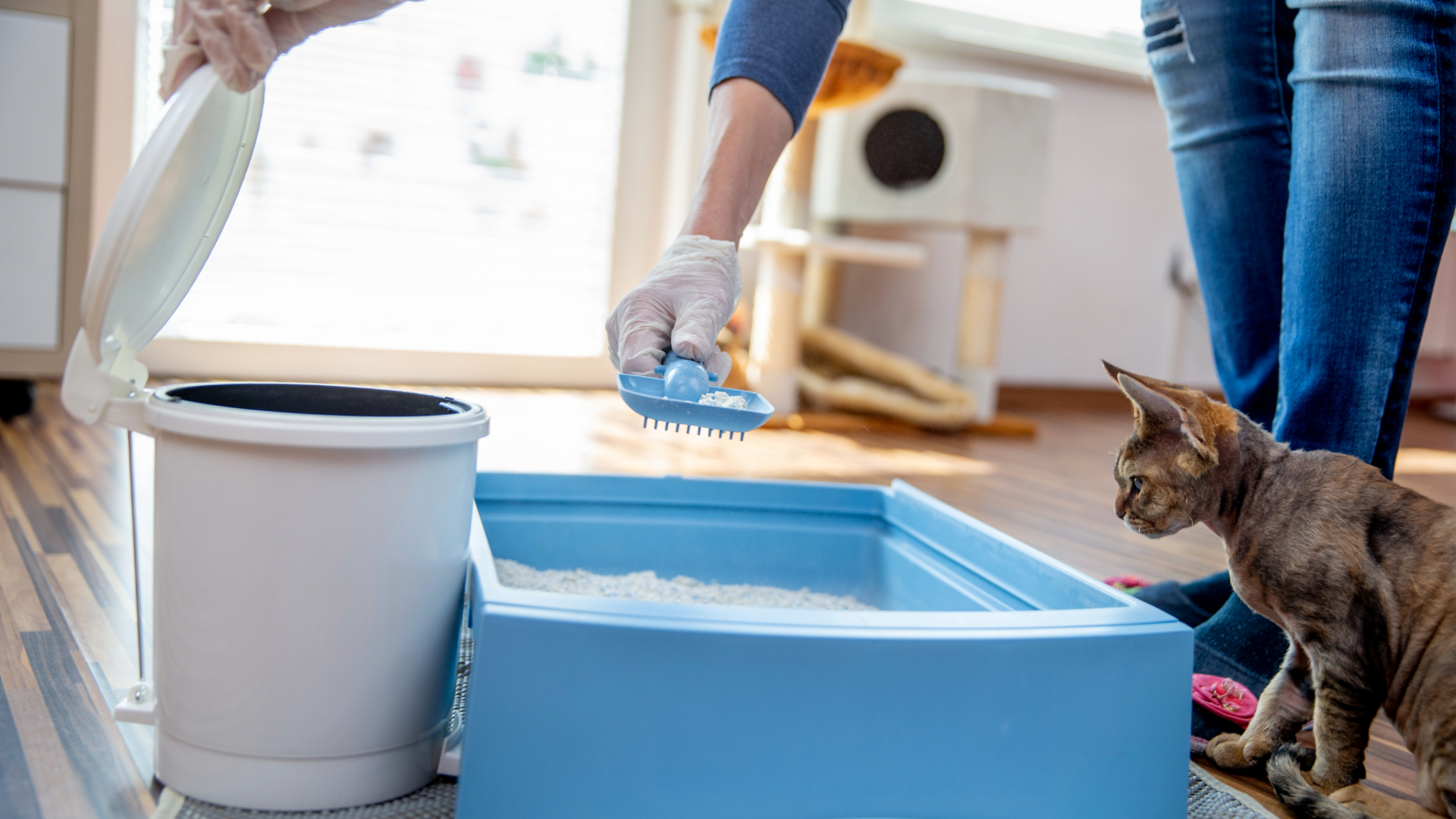
Accidentally spraying your cat’s toys can be frustrating and confusing. You might wonder if the toys are ruined or if your cat will still want to play with them.
What should you do next to keep your furry friend happy and safe? You’ll discover simple steps to handle this situation quickly and effectively. Keep reading to find out how to protect your cat’s favorite playthings and maintain a clean, healthy environment for your pet.
Immediate Steps After The Spill
Accidentally spraying your cat’s toys can feel like a mini emergency. The key is acting fast to prevent the spray from soaking in or causing harm to your furry friend. Your immediate moves can make all the difference in keeping those toys safe and clean.
Remove The Toys Quickly
Grab the toys as soon as you notice the spill. Leaving them where they are lets the spray settle deeper into the fabric or material. If your cat’s favorite toy is damp with spray, it might become unappealing or even unsafe for play.
Think about the last time you dropped a drink on your clothes—didn’t you rush to take it off? Treat your cat’s toys the same way. Quick removal keeps the situation manageable.
Blot Excess Spray
Use a clean cloth or paper towel to gently blot the sprayed area. Press lightly to absorb as much liquid as possible without pushing it further inside. Avoid soaking the toy more; you want to lift the spray, not spread it.
Blotting is like pressing a bandage on a small cut—gentle but effective. It helps reduce the amount of spray your cat might come into contact with.
Avoid Rubbing The Toys
It might be tempting to rub the spray off, but don’t do it. Rubbing can push the liquid deeper into the toy’s fibers and cause damage. Instead, stick to gentle blotting and let the toy air dry afterward.
Imagine trying to wipe a stain on a delicate shirt—rubbing only makes it worse. The same applies here; gentle care prevents further issues.
Credit: animals.howstuffworks.com
Cleaning Methods For Different Toy Materials
Accidentally spraying your cat’s toys can be frustrating, but the cleanup doesn’t have to be complicated. Different toy materials need different cleaning approaches to keep them safe and fresh for your furry friend. Understanding the right method helps you avoid damage and keeps your cat’s playtime fun and hygienic.
Washing Fabric Toys
Fabric toys soak up sprays quickly, so prompt action is key. Start by rinsing the toy under warm water to remove any excess liquid. Then, use a mild detergent and gently hand wash or toss the toy in a gentle cycle in your washing machine.
Make sure to air dry the toy completely before giving it back to your cat. Avoid harsh chemicals or bleach—they can irritate your cat’s skin or cause allergic reactions. Ever noticed how your cat sniffs a toy more after a wash? That’s because they rely heavily on scent, so a thorough rinse is vital.
Cleaning Plastic And Rubber Toys
Plastic and rubber toys are easier to clean but require careful handling to avoid damage. Wipe them down with a mixture of warm water and mild soap, then scrub gently using a soft brush or cloth. This removes residue without scratching the surface.
For deeper cleaning, soak the toys in a solution of equal parts water and white vinegar for about 10 minutes—this helps neutralize odors and disinfects. Rinse thoroughly afterward to remove any vinegar smell that might deter your cat from playing.
Dealing With Feather And Natural Fiber Toys
Feather and natural fiber toys are delicate and can be tricky to clean. Avoid soaking these toys; instead, spot clean with a damp cloth and mild soap. Pat gently to avoid damaging the fibers or feathers.
If odors linger, sprinkle a little baking soda on the toy, let it sit for a few hours, then brush it off outside. Have you checked your cat’s reaction after cleaning these toys? They might prefer their natural scent, so minimal interference often works best.
Safe Cleaning Agents To Use
Cleaning your cat’s toys after an accidental spray requires gentle care. Choosing safe cleaning agents protects your pet’s health. Harsh chemicals can irritate your cat’s skin and nose. Use mild and natural products to ensure safety. Clean thoroughly but keep the materials gentle and non-toxic.
Mild Detergents
Use mild detergents designed for sensitive skin. These detergents remove dirt without harsh chemicals. Dilute the detergent with warm water for safe cleaning. Soak the toys briefly, then rinse well. Avoid detergents with strong fragrances or dyes.
Vinegar Solutions
Vinegar is a natural cleaner and deodorizer. Mix one part white vinegar with two parts water. Soak the toys in this solution for 10-15 minutes. Rinse thoroughly to remove any vinegar smell. Vinegar kills bacteria and neutralizes odors safely.
Avoiding Harmful Chemicals
Do not use bleach, ammonia, or strong disinfectants. These chemicals can harm your cat if residues remain. Avoid products with artificial fragrances or colors. Always check labels to ensure pet safety. Stick to natural or mild cleaning agents only.

Credit: www.reddit.com
Drying And Deodorizing Tips
Accidentally spraying your cat’s toys can leave them damp and smelly. Proper drying and deodorizing can bring them back to a fresh, safe state. Use simple, effective methods to ensure your cat’s toys are clean and odor-free. These tips help maintain your cat’s playtime fun without worries.
Air Drying Techniques
Remove excess moisture by gently patting the toys with a clean towel. Place the toys in a well-ventilated area. Avoid direct heat or using a dryer, which may damage the materials.
- Spread toys on a clean, dry surface.
- Use a fan to speed up drying.
- Flip toys occasionally for even drying.
Using Baking Soda For Odors
Baking soda naturally absorbs bad smells and is safe for cats. Sprinkle a light layer on the toys after they dry. Let it sit for at least 15 minutes to neutralize odors. Shake off the baking soda completely before giving toys back to your cat.
Sunlight Benefits
Sunlight helps kill bacteria and removes odors naturally. Place the toys outside on a sunny day for a few hours. Avoid leaving toys too long to prevent color fading or material damage. Sunlight also speeds up drying after washing or spraying.
Preventing Future Accidents
Clean toys quickly with mild soap and water to remove any spray residue. Store sprays safely away from your cat’s play area to avoid repeat accidents. Regularly check and clean toys to keep them safe and fresh.
Preventing future accidents with your cat’s toys is important. Accidental spray can harm your pet’s health. Follow these steps to keep your cat safe.Proper Storage Of Sprays
Keep sprays out of reach. Store them in a cabinet or high shelf. Use a child-proof lock if possible. Always close the spray cap tightly. This prevents leaks or spills. Label sprays clearly to avoid confusion. Separate cleaning sprays from pet supplies.Creating A Safe Play Area
Designate a play zone for your cat. Keep it free from harmful chemicals. Choose a room or corner away from cleaning supplies. Use a pet gate to block access to hazardous areas. Regularly inspect the play area for any dangers. Remove any broken toys or small objects.Training Tips For Safe Handling
Teach all family members safe spray handling. Explain the importance of keeping sprays away from toys. Demonstrate proper storage techniques. Encourage children to ask for help with sprays. Remind everyone to wash hands after handling sprays. Practice these habits regularly to ensure safety.
Credit: www.reddit.com
Frequently Asked Questions
What Should I Do Immediately After Spraying Cat Toys?
Quickly remove the toys from your cat’s reach. Wipe them with a damp cloth to remove the spray. Rinse with mild soap and water if needed. Let them dry completely before giving back to your cat.
Is The Spray Harmful To Cats If On Their Toys?
It depends on the spray ingredients. Some sprays can irritate your cat’s skin or cause allergies. Always check the label and clean toys thoroughly to avoid any health risks.
How Can I Safely Clean Sprayed Cat Toys?
Use warm water and mild soap to clean the toys. Avoid harsh chemicals that can harm your cat. Rinse well and air dry completely before reuse.
Can I Use Natural Sprays Near My Cat’s Toys?
Natural sprays are often safer but still require caution. Test on a small area first. Avoid sprays with essential oils toxic to cats, such as tea tree or citrus oils.
Conclusion
Accidentally spraying your cat’s toys can be stressful. Act quickly to clean the toys with mild soap and water. Rinse well to remove any chemicals or smells. Let the toys dry completely before giving them back to your cat. Watch your pet’s reaction to ensure they are comfortable.
This simple care keeps your cat safe and happy. Taking quick steps helps prevent any harm or confusion for your furry friend. Remember, gentle cleaning works best and keeps toys fresh. Your cat will appreciate the safe and clean playtime.



Leave a Reply