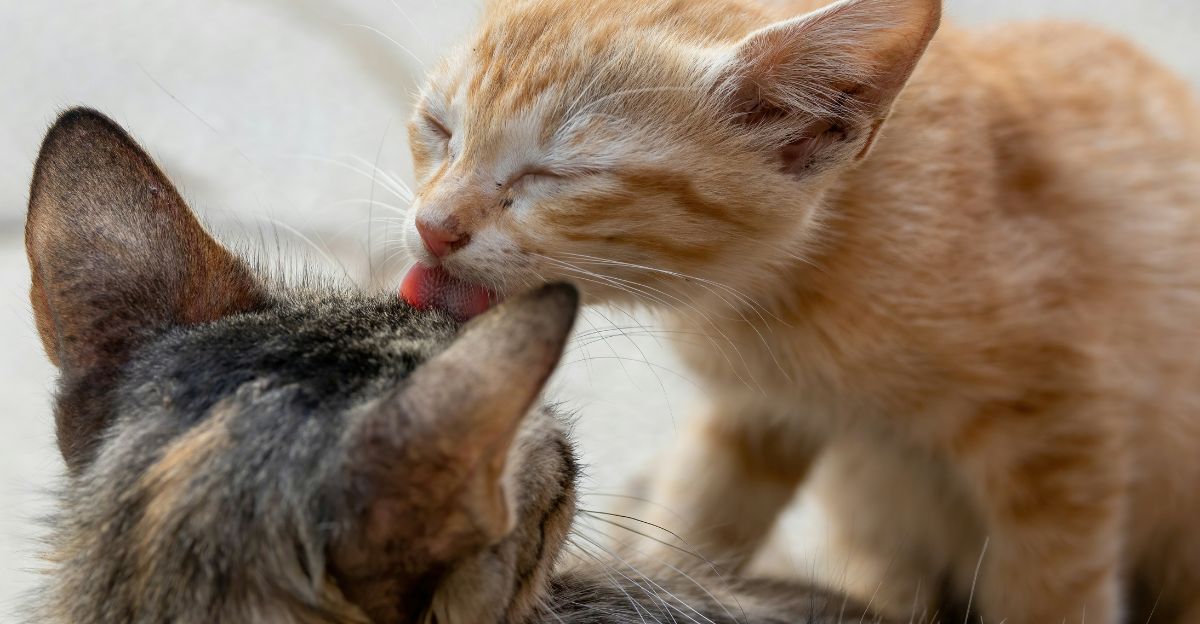
Have you ever watched two cats grooming each other, only to see one suddenly give a quick bite? It might leave you wondering why they do this strange mix of sweet and sharp behavior.
Understanding why cats groom each other and then bite can help you read your furry friend’s moods better. You’ll discover what this behavior really means and how it shows your cat’s way of bonding, setting limits, or even playing. Keep reading to unlock the secrets behind your cat’s surprising actions and strengthen your connection with them.
Credit: animals.howstuffworks.com
Cat Grooming Behavior
Cat grooming behavior is more than just a way for your feline friend to stay clean. It’s a complex social activity that plays a key role in their relationships and communication. Understanding why cats groom each other—and sometimes bite during the process—can help you better read their moods and interactions.
Social Bonding Through Grooming
When cats groom each other, it’s a clear sign of trust and friendship. This behavior, called allogrooming, strengthens social bonds within a group. You might notice your cats grooming to calm each other or to show affection.
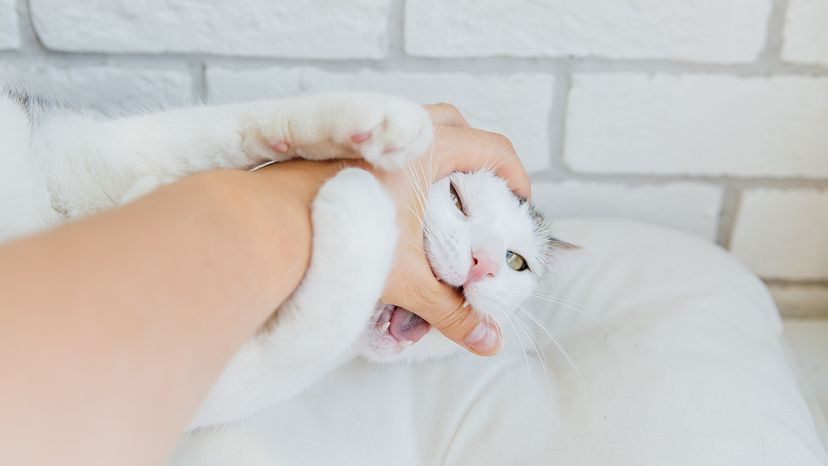
Have you ever seen your cats pause mid-groom and exchange a gentle nip? That bite isn’t always aggressive—it can signal a playful boundary or a reminder to stay gentle. Paying attention to these subtle cues helps you understand their social dynamics better.
How Cats Groom Each Other
Cats use their tongues to clean hard-to-reach spots on their companions, especially around the head and neck. Their rough tongues remove dirt and loose fur efficiently. Grooming also spreads natural oils, keeping fur healthy and shiny.
This behavior often starts with licking, followed by gentle nibbles or bites. These bites can serve as communication, telling the other cat to adjust their grooming or to stop if it’s too much. Watching your cats closely during grooming sessions reveals a lot about their relationship.
Differences Between Self And Mutual Grooming
Self-grooming is mainly about hygiene and comfort. Cats lick their own fur to remove dirt and regulate body temperature. It’s a calming activity that helps them feel secure.
Mutual grooming, however, has a social purpose beyond cleanliness. It builds trust and reduces tension between cats. If you see your cats grooming each other frequently, it’s a good sign they feel safe together.
Next time you catch your cats grooming and then biting, ask yourself: Is this a sign of affection or a subtle message? Understanding these behaviors can improve how you care for and connect with your feline companions.
Reasons Behind Biting After Grooming
Cats often groom each other to show affection and build trust. Sometimes, after grooming, one cat may suddenly bite the other. This behavior can confuse many cat owners. Understanding why cats bite after grooming helps explain their complex communication and social habits.
Playful Interaction Or Communication
After grooming, cats may bite lightly to invite play. This bite is usually gentle and brief. It acts as a signal to start a friendly game. Cats use biting and pawing to express excitement or attention. This playful behavior strengthens their bond.
Overstimulation And Sensory Overload
Grooming can sometimes cause a cat to feel overstimulated. Their skin and nerves become very sensitive. When this happens, a cat may bite to stop the sensation. The bite is a way to say, “Enough, please.” This reaction protects them from discomfort.
Establishing Boundaries And Hierarchy
Biting after grooming can set limits between cats. It helps define personal space and respect. Sometimes, the bite is firmer to show dominance or control. This behavior maintains balance in their social group. Cats use grooming and biting to communicate rank and roles.
Types Of Bites During Grooming
When cats groom each other, biting can be part of the process. But not all bites mean the same thing. Understanding the types of bites during grooming helps you read your cats’ social interactions better and keep their playtime safe.
Gentle Nibbles Vs. Aggressive Bites
Gentle nibbling is common during mutual grooming. Cats use soft bites to remove dirt or loose fur, showing trust and affection. These nibs feel like light pinches and rarely cause discomfort.
Aggressive bites, on the other hand, are harder and more sudden. They often happen if one cat feels annoyed or wants to stop the grooming. These bites can cause yelps or quick withdrawals, signaling that boundaries are crossed.
Have you noticed your cat switching from gentle nibbling to a quick snap? That’s a clear sign they’ve reached their limit.
Body Language Indicators
- Relaxed posture:Cats leaning into each other with soft eyes usually mean grooming is friendly.
- Tail position:A calm or gently twitching tail suggests comfort, while a flicking or lashing tail warns of irritation.
- Ears:Forward or slightly sideways ears indicate calmness, but flattened ears show aggression or fear.
- Vocalizations:Purring or quiet chirps often accompany gentle bites, while hissing or growling suggest aggression.
Watching these signs helps you understand if the biting is a loving gesture or a warning. What subtle signals have you seen in your cats that tell you when to step in?

Credit: basepaws.com
When To Be Concerned About Biting
Cats groom each other to show care and build trust. Biting may follow as a playful gesture or to stop grooming. Watch for hard bites or signs of stress to know when to be concerned.
Understanding why cats groom each other and then bite can be a puzzling experience for cat owners. While this behavior is usually part of their social interaction, there are moments when biting might signal something more serious. It’s essential to recognize when this behavior shifts from playful to concerning, to ensure your furry friends’ well-being.Signs Of Stress Or Aggression
Cats are sensitive creatures. Changes in their environment or routine can easily stress them out. You might notice your cat becoming more aggressive during grooming if they feel threatened or anxious. Is there a new pet in the house? Or perhaps a change in their favorite resting spot? These could be triggers. An aggressive bite could be your cat’s way of saying, “I’m not comfortable.” Observe their body language. Flattened ears, a flicking tail, or hissing are clear indicators of stress. If biting accompanies these signs, it’s time to evaluate their surroundings and identify possible stressors.Health Issues Affecting Behavior
Sometimes, biting can stem from underlying health problems. Cats in pain or discomfort might react negatively to touch, even during grooming. Check for any signs of injury or illness. Are there any cuts, sores, or areas that seem sensitive to the touch? Dental problems can also lead to unexpected biting. A cat with a toothache might react sharply if their mouth is touched during grooming. If you suspect a health issue, don’t wait. A visit to the vet can provide clarity and peace of mind. After all, ensuring your cat’s health is the first step to nurturing their happiness and yours.Encouraging Positive Grooming Habits
Encouraging positive grooming habits between cats is key to maintaining harmony in a multi-cat household. Grooming is a social activity that builds bonds, but it can sometimes lead to biting if things get tense. Understanding how to support healthy interactions helps prevent conflicts and keeps your cats comfortable.
Creating A Stress-free Environment
Your cats’ surroundings play a big role in how they behave during grooming sessions. A calm, quiet space reduces stress and lowers the chance of sudden bites. Make sure there are plenty of hiding spots and vertical spaces where each cat can retreat if they feel overwhelmed.
Think about the daily routine—are there loud noises or changes that might be making your cats anxious? Cats often react to stress by acting out during grooming, so keeping their environment predictable can help them relax.
Monitoring Cat Interactions
Watch how your cats interact during grooming closely. Notice if one cat seems annoyed or if the grooming is becoming too rough. Early signs like twitching tails, flattened ears, or quick glances can warn you that biting might happen soon.
Try to observe without interfering at first, so you understand each cat’s tolerance levels. Does one cat prefer short grooming sessions? Does another tolerate more? This insight lets you support their natural limits and prevent conflicts.
Intervention Techniques
If grooming escalates to biting, step in calmly but promptly. Use a gentle distraction like a soft toy or a treat to break the tension without startling them. Avoid yelling or punishing, as this can increase stress and make future grooming worse.
Sometimes separating the cats for a few minutes is enough to reset their mood. After a short break, they might return to grooming more gently. Have you noticed your cats respond better to breaks or distractions during tense moments?

Credit: www.reddit.com
Frequently Asked Questions
Why Do Cats Groom Each Other Then Bite?
Cats groom each other to bond and show affection. Biting afterward is a playful or attention-seeking behavior. It can also signal overstimulation or a boundary being tested between cats.
Is Mutual Grooming A Sign Of Cat Friendship?
Yes, mutual grooming strengthens social bonds. It helps cats feel safe and connected. Grooming each other also reduces stress and promotes harmony in multi-cat households.
What Does Biting After Grooming Mean In Cats?
Biting after grooming can mean playfulness or mild annoyance. Cats sometimes use gentle bites to communicate limits or to initiate play. It’s usually harmless if bites are soft and brief.
How Can I Stop Cats From Biting After Grooming?
Distract cats with toys or separate them briefly. Provide positive reinforcement for gentle behavior. Consistent training helps cats learn boundaries during grooming sessions.
Conclusion
Cats groom each other to show trust and care. Sometimes, they bite to play or set limits. This behavior helps them build strong bonds. Watching these actions can teach you about your cat’s feelings. Understanding why cats groom and bite improves your pet care.
It shows their unique way of talking without words. Pay attention to their body language during grooming. This helps keep your cats happy and comfortable together.



Leave a Reply