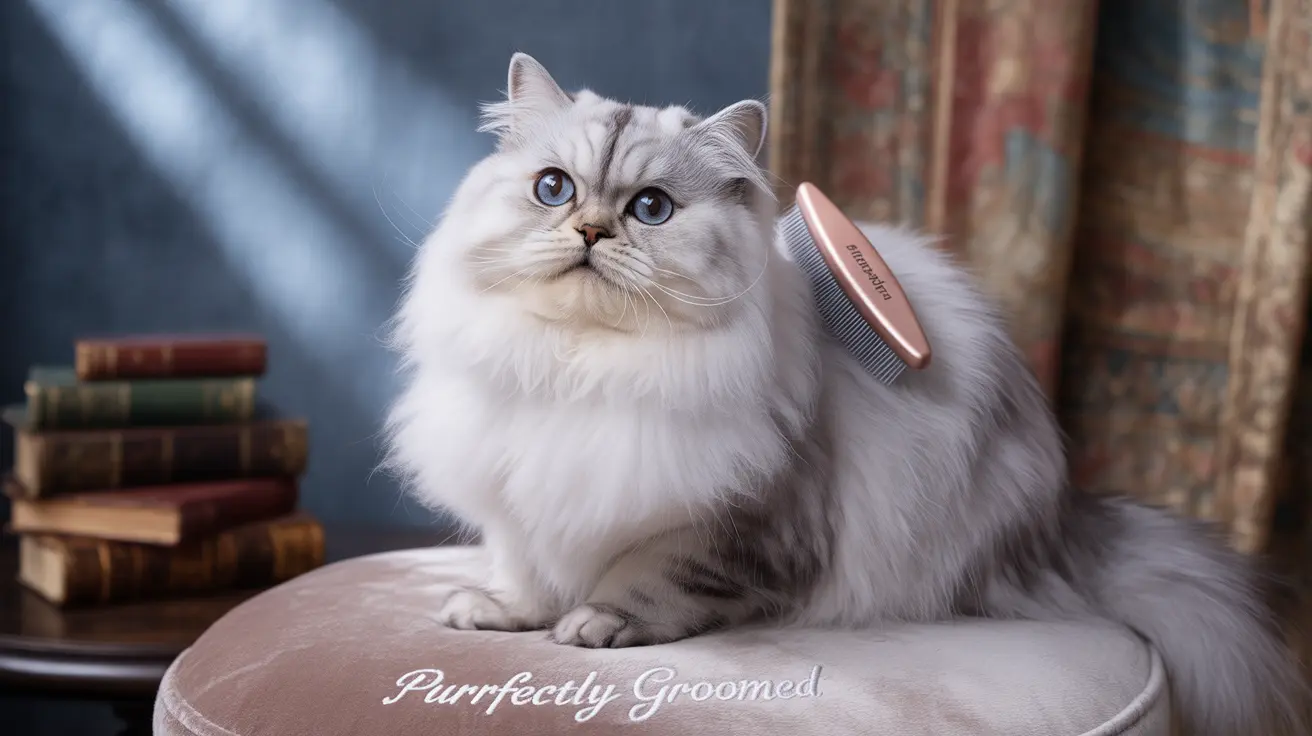
If you have a Persian cat, you already know how beautiful and fluffy they are. But keeping that gorgeous coat looking its best takes some effort.
You might be wondering, “How often should I groom my Persian cat? ” Getting this right is key to keeping your furry friend healthy and happy. You’ll discover the perfect grooming routine that fits your cat’s needs and your lifestyle.
Keep reading to learn simple tips that make grooming easier and more enjoyable for both you and your Persian cat.
Persian Cat Coat Basics
Understanding your Persian cat’s coat is the first step to effective grooming. Their long, luxurious fur isn’t just beautiful—it needs regular attention to stay healthy. Knowing what makes their coat unique helps you tailor your grooming routine to their specific needs.
Fur Characteristics
Persian cats have thick, long fur that grows all over their bodies, including their tails and around their faces. This dense coat is soft but prone to tangling and matting if not brushed regularly.
The fur also has a fine undercoat, which adds volume but can trap dirt and loose hairs. Persian cats shed throughout the year, so you’ll notice hairballs if you don’t groom frequently.
Think about how often you notice loose fur around your home—that’s a good indicator of how much brushing your cat might need. Have you ever felt the difference between freshly brushed fur and tangled patches? That smoothness is the goal.
Common Grooming Challenges
One challenge you’ll face is matting. These mats can form quickly in areas like behind the ears, under the legs, and around the neck. Once mats develop, they can be painful and hard to remove without professional help.
Another issue is the Persian’s sensitive skin. Over-brushing or using the wrong tools can cause irritation or even small cuts. You need to be gentle and patient, using the right brushes designed for long-haired cats.
Persians also tend to develop tear stains because of their facial structure, which can affect the fur around their eyes. Regular cleaning of this area is essential to prevent staining and discomfort.
Have you noticed how some grooming sessions feel like a battle while others are smooth? Understanding these challenges can help you make each grooming moment easier and more pleasant for your cat.

Credit: cats.com
Daily Grooming Needs
Persian cats need daily grooming to keep their beautiful coat healthy and to avoid discomfort. Their long, thick fur can easily tangle and trap dirt, making daily care essential. Spending just a few minutes each day on grooming can save you from dealing with painful mats and skin issues later.
Brushing Techniques
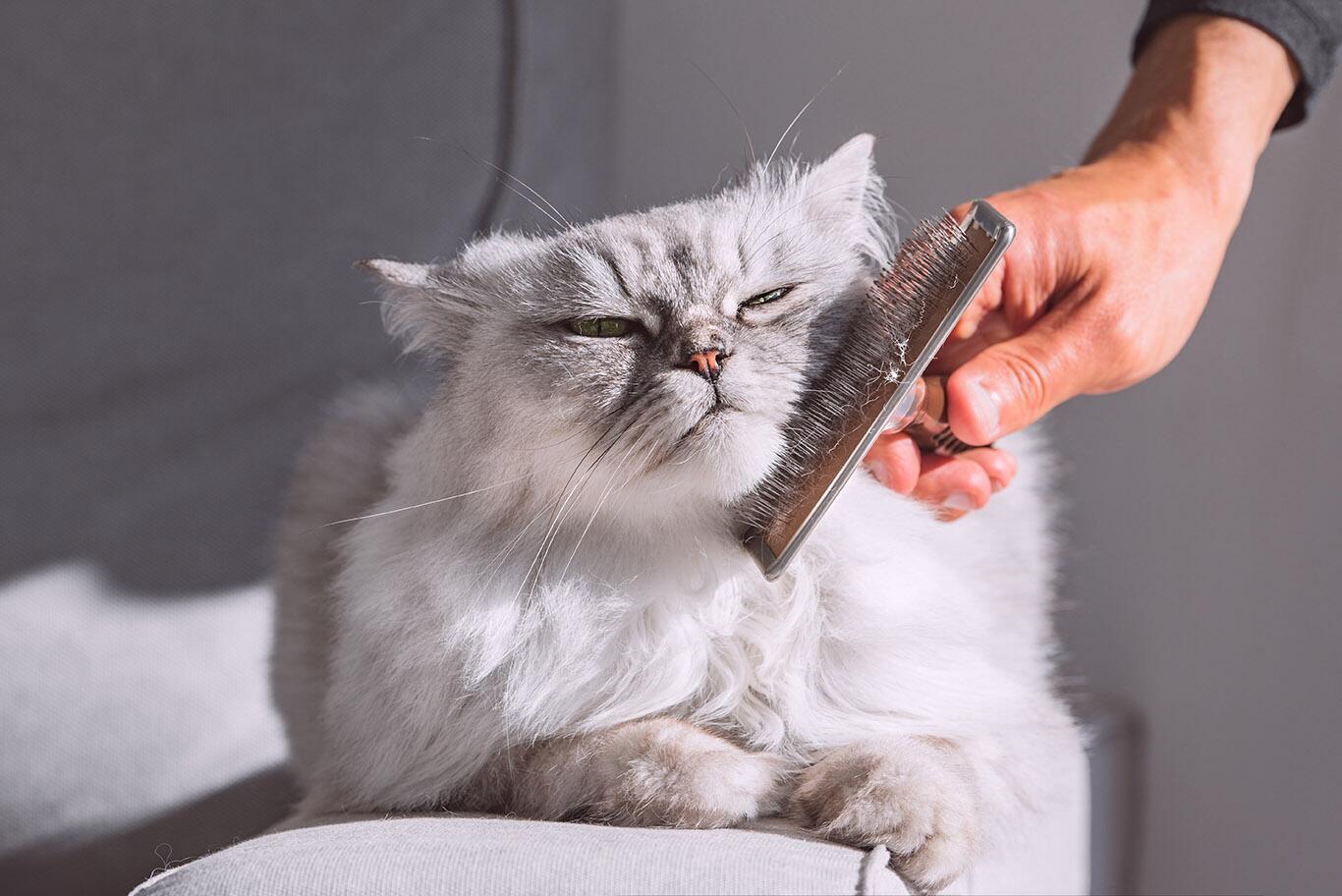
Use a wide-toothed comb to gently detangle your Persian’s fur before using a finer brush. Start brushing from the head and work your way toward the tail, following the natural direction of hair growth. Pay close attention to areas behind the ears and under the legs, as these spots are prone to knots.
Hold your cat comfortably to keep them calm during brushing. If your cat resists, try brushing in short sessions and offer treats to create a positive association. Regular, gentle brushing helps reduce shedding and keeps your cat’s coat shiny.
Preventing Matting
Mats often begin as small tangles that tighten if left unchecked. To prevent this, check your cat’s fur daily, especially in high-risk areas like the armpits and belly. If you spot a tangle, gently work through it with your fingers before brushing.
Using a detangling spray designed for cats can make the process easier and less painful. Avoid pulling on mats, as this can hurt your cat and damage their skin. Instead, carefully cut out stubborn mats with blunt-nosed scissors or seek professional help if needed.
How much time will you dedicate each day to keep your Persian’s coat in top shape?
Weekly Grooming Tasks
Keeping your Persian cat looking and feeling their best requires a consistent weekly grooming routine. This not only helps maintain their beautiful coat but also supports their overall health. Let’s break down the essential tasks you should tackle each week to keep your furry friend comfortable and clean.
Bathing Frequency
Persian cats don’t need a bath every week, but regular washing helps prevent their thick fur from matting. Aim for a bath every 4 to 6 weeks, unless your cat gets particularly dirty or oily. Use a gentle cat shampoo and lukewarm water to avoid drying out their skin.
During the week, spot clean any dirty patches with a damp cloth. This keeps them fresh without stressing them out with too many baths. Have you noticed how your Persian’s mood changes after a bath? Keeping bathing sessions calm and positive makes a big difference.
Nail Trimming Tips
Check your cat’s nails every week and trim them if you hear clicking on the floor or see them curling. Use sharp, cat-specific nail clippers and only trim the white part of the nail. Avoid the pink area called the quick, which can bleed if cut.
Trimming nails can be tricky. Try distracting your cat with treats or a favorite toy. If your cat resists, trim just one or two nails at a time. Regular nail care prevents painful scratches and helps protect your furniture.
Ear Cleaning
Check your Persian’s ears weekly for dirt, wax, or any unusual smell. Use a soft cotton ball lightly dampened with a vet-recommended ear cleaner. Gently wipe the outer ear without pushing anything deep inside.
Dirty ears can lead to infections, so don’t ignore them. If you see redness, swelling, or your cat scratches their ears a lot, consult your vet. How often have you noticed your cat shaking their head? That’s a sign their ears need attention.
Monthly Grooming Routine
Persian cats require regular grooming. A monthly grooming routine is essential. This helps maintain their luxurious fur and overall health. Consistency is key to keeping your Persian cat comfortable and clean.
Monthly grooming should cover various aspects. This ensures their coat and skin stay in top condition. Here’s a breakdown of what to include in your monthly grooming routine.
Deep Cleaning
A deep clean involves several steps. Start with a thorough brush to remove tangles. Use a wide-toothed comb for best results. Follow up with a fine-toothed comb for detail work.
Bathing is crucial for Persian cats. Use a cat-safe shampoo and lukewarm water. Be gentle to avoid stressing your cat. Rinse thoroughly to remove all shampoo residue.
After the bath, dry your cat with a towel. Use a hairdryer on a low setting if needed. Ensure your cat is completely dry to prevent skin issues.
Checking For Skin Issues
Monthly grooming is a perfect time for a skin check. Look for any redness or irritation. Check for unusual lumps or bumps. These could indicate underlying health issues.
Inspect your cat’s ears and eyes closely. Clean any debris gently with a damp cloth. Ensure there are no signs of infection or discomfort.
If you notice anything concerning, contact your vet. Early detection of skin issues is important. It helps address problems before they worsen.
Tools For Grooming
Grooming a Persian cat requires the right set of tools to keep their luxurious coat healthy and tangle-free. Using proper grooming tools can make the process smoother for both you and your cat. It also helps prevent matting and skin issues, which are common in Persian breeds.
Best Brushes And Combs
Choose brushes designed specifically for long-haired cats to effectively manage your Persian’s thick fur. A slicker brush with fine, short wires works well to remove loose hair and prevent tangles. You’ll also want a wide-toothed comb to gently detangle stubborn knots without hurting your cat.
Try to avoid brushes with sharp edges that can irritate your cat’s delicate skin. Some owners find a rubber grooming brush useful for massaging and removing loose fur during shedding season. Have you noticed how your Persian reacts to different brushes? Their preference can guide you to the best tool for regular grooming.
Recommended Grooming Products
Besides brushes and combs, grooming products can enhance your cat’s coat health. A mild cat shampoo designed for long hair helps keep the fur clean and shiny without drying out the skin. You might also consider a leave-in conditioner or detangler spray to ease the brushing process.
Be cautious with products containing harsh chemicals or strong fragrances. Persian cats have sensitive skin, and these can cause irritation. Have you tried natural or hypoallergenic grooming products? They often provide gentle care that suits your cat’s needs better.
Signs Your Persian Needs Extra Care
Persian cats need regular grooming to stay healthy and happy. Sometimes, they need extra care beyond the usual routine. Recognizing these signs early helps prevent health issues. Watch your cat closely for changes in behavior and physical symptoms. These clues tell you when your Persian needs more attention.
Behavioral Changes
- Your cat stops playing or seems tired more often.
- It hides or avoids contact with people.
- Excessive scratching or grooming shows discomfort.
- Changes in eating or drinking habits appear.
- Restlessness or irritability increases noticeably.
Physical Symptoms
- Mattes or tangles form in the fur quickly.
- Skin looks red, dry, or flaky in patches.
- Eyes become watery or show discharge.
- Bad odor comes from the coat or skin.
- Hair loss or bald spots develop suddenly.
Professional Grooming Services
Professional grooming services offer expert care for Persian cats. Their thick, long fur needs regular attention to avoid mats and tangles. Groomers know how to handle delicate coats gently and safely.
Regular grooming can keep your cat comfortable and healthy. Professionals provide thorough cleaning, nail trimming, and sometimes ear care. They use special tools and techniques suited for Persian cats.
When To Seek Help
Choose professional grooming if mats are hard to remove. If your cat resists grooming or becomes stressed, experts can help. Notice skin issues or excessive shedding? A groomer might spot problems early.
Busy schedules can also justify hiring a professional. They maintain your cat’s coat while saving your time. Regular visits keep your Persian cat looking neat and feeling good.
Choosing A Groomer
Pick a groomer experienced with Persian cats. Ask about their training and handling methods. A calm and clean environment is a must.
Check reviews and get recommendations from other cat owners. Visit the salon before booking to see the facilities. Make sure the groomer uses gentle products suitable for sensitive skin.
Good communication is key. The groomer should explain the process and listen to your concerns. Trust and care ensure your cat’s grooming experience is positive.
Credit: www.latimes.com

Credit: purebredkitties.com
Frequently Asked Questions
How Often Should I Groom My Persian Cat?
You should groom your Persian cat daily. Their long fur mats easily, causing discomfort and skin issues. Daily brushing prevents tangles and reduces shedding.
What Tools Are Best For Grooming Persian Cats?
Use a wide-toothed comb and a fine bristle brush. These tools gently detangle fur without hurting your Persian cat’s sensitive skin.
Can Grooming Reduce Persian Cat Hairballs?
Yes, regular grooming removes loose hair before your cat swallows it. This helps reduce hairballs and digestive discomfort in Persian cats.
How Long Does A Typical Grooming Session Take?
Grooming your Persian cat usually takes 10 to 15 minutes. Consistency helps make sessions quicker and more enjoyable for your cat.
Conclusion
Grooming your Persian cat regularly keeps its coat healthy and shiny. Aim to brush your cat daily to avoid mats and tangles. Bathing once a month helps maintain cleanliness without drying the skin. Pay attention to your cat’s comfort during grooming sessions.
Clean eyes and ears often to prevent infections. Regular grooming also strengthens your bond with your cat. Remember, a well-groomed Persian cat is a happy cat. Consistency makes a big difference in your pet’s health and happiness. Keep these tips simple and enjoy caring for your furry friend.



Leave a Reply