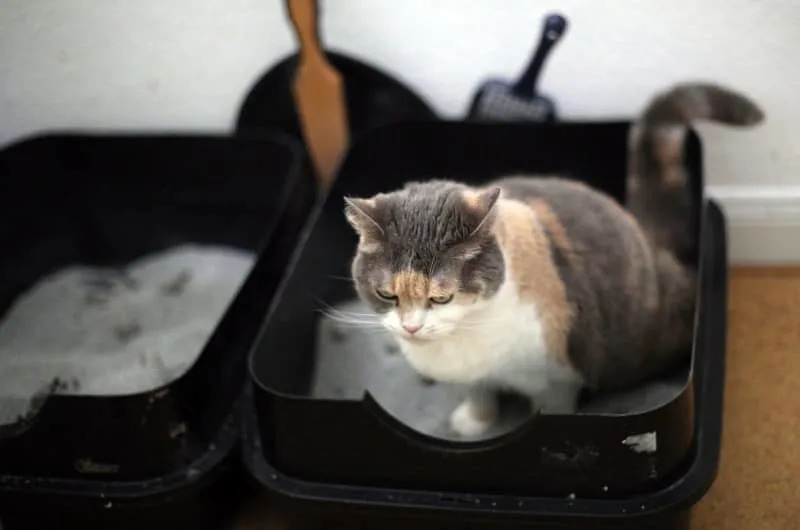
If your cat suddenly stops using the litter box, it can be frustrating and confusing. You might wonder why this is happening and worry about how to fix it.
The good news is, you’re not alone—and there are clear steps you can take to solve the problem. Understanding what causes this change and how to respond can save you time, stress, and even protect your cat’s health. Keep reading to discover practical tips that will help you get your cat back on track quickly.
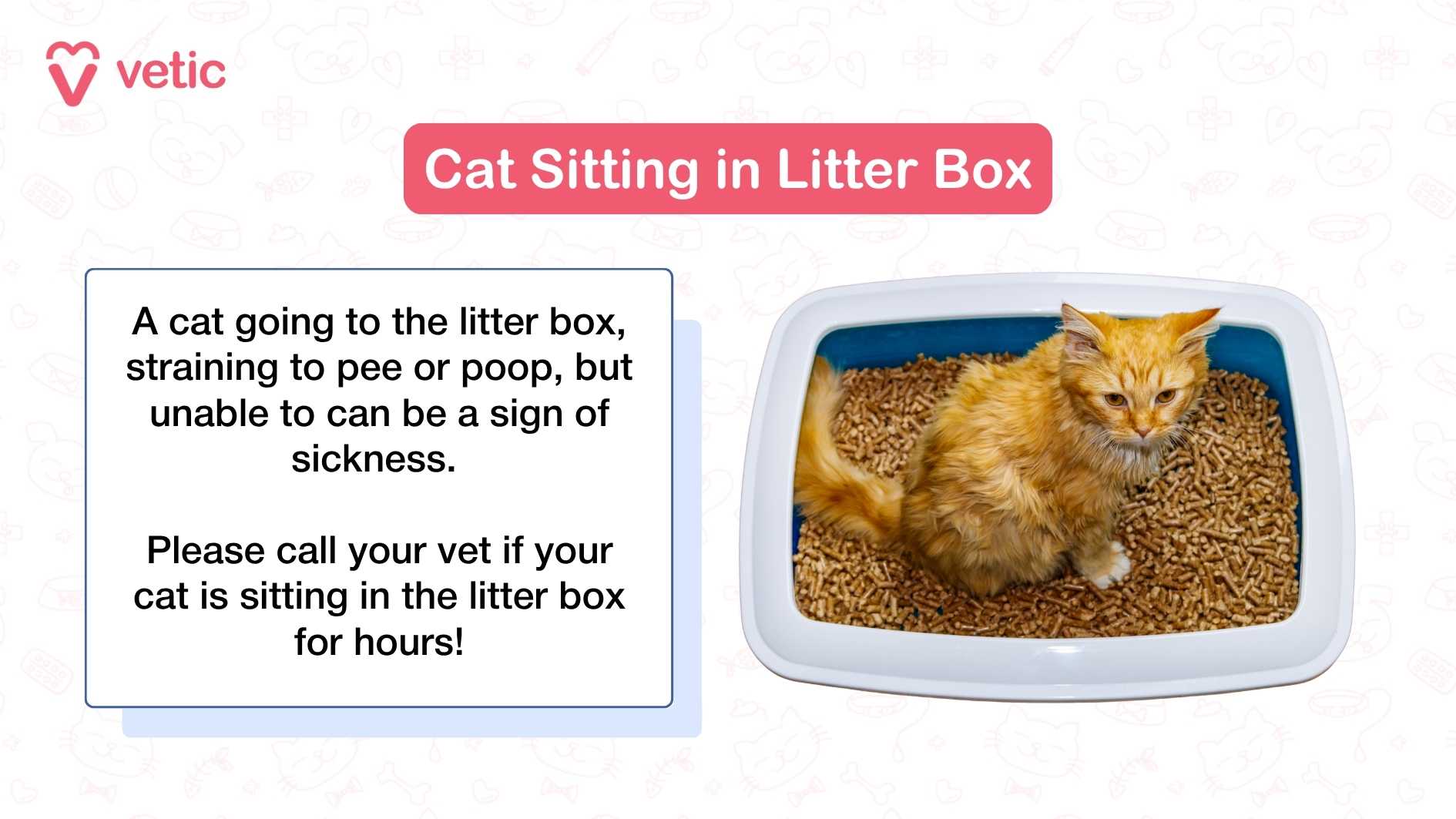
Credit: vetic.in
Common Reasons Cats Avoid Litter Box
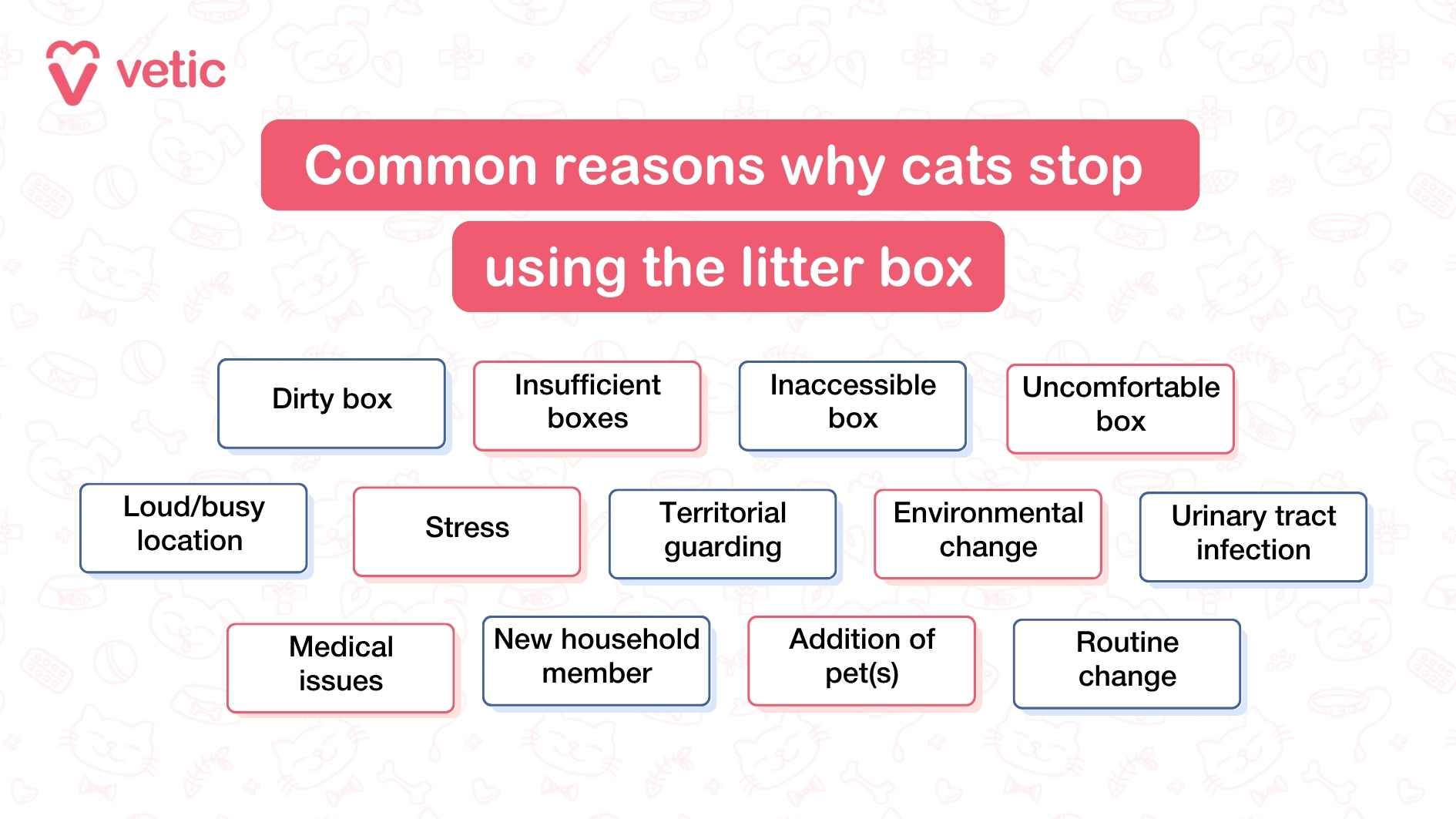
When your cat suddenly stops using the litter box, it can be frustrating and confusing. Understanding the common reasons behind this behavior helps you address the issue effectively. Identifying the root cause is the first step toward getting your cat back on track.
Health Issues
Medical problems often cause cats to avoid the litter box. Urinary tract infections, kidney disease, or arthritis can make it painful for your cat to use the box. If you notice any changes in your cat’s behavior or litter box habits, a vet visit is essential.
Have you checked for signs like straining, blood in urine, or excessive licking? These symptoms require immediate attention to prevent further complications.
Litter Box Cleanliness
Cats are naturally clean creatures, and a dirty litter box can be a big turnoff. Even if you think the box is clean enough, your cat might disagree. Scoop waste daily and wash the box with mild soap weekly to keep it inviting.
Try observing how often you clean the box. Could you increase cleaning frequency to see if your cat returns? Sometimes, a simple change like this makes a huge difference.
Stress And Anxiety
Stress can disrupt your cat’s routine, including litter box use. Changes in household members, loud noises, or conflicts with other pets might cause anxiety. Your cat may associate the litter box with stress and avoid it altogether.
Consider ways to reduce your cat’s stress, like providing quiet spaces or using calming sprays. What recent changes in your home might be affecting your cat’s comfort?
Changes In Environment
Moving to a new home or rearranging furniture can confuse your cat. They rely on familiar scents and surroundings to feel safe. If the litter box was moved or replaced, your cat might not recognize it.
Try returning the box to its original spot or adding a second box in a quiet area. Have you noticed any environmental shifts that coincide with the litter box issues?
Litter Box Location
The litter box needs to be in a quiet, accessible spot. If it’s near noisy appliances or in a busy hallway, your cat might avoid it. Privacy matters to cats when they do their business.
Evaluate where the box is placed. Could moving it to a calmer, more private location help? Sometimes, the solution is as simple as changing the box’s position.
Credit: vetic.in
Checking Your Cat’s Health
Changes in your cat’s litter box habits often signal health problems. Checking your cat’s health is crucial when it stops using the litter box. Many medical issues can cause this behavior. Early detection helps treat your cat quickly. Watch your cat closely for any unusual signs or symptoms.
Signs Of Urinary Tract Infection
Urinary tract infections (UTIs) are common in cats. They cause pain and discomfort while urinating. Your cat may:
- Urinate outside the litter box
- Make frequent trips to the litter box
- Have blood in the urine
- Strain or cry while urinating
- Show signs of licking the genital area often
These signs require immediate attention to prevent worsening.
Other Medical Conditions
Besides UTIs, other illnesses can cause litter box issues. Kidney disease and bladder stones often lead to discomfort. Arthritis or mobility problems can make it hard for cats to access the box. Stress and anxiety may also cause changes in behavior. Observe your cat’s overall health and activity carefully.
When To Visit The Vet
Take your cat to the vet if you notice these signs:
- Sudden change in urination habits
- Visible pain or distress during urination
- Blood in urine or unusual smells
- Repeated accidents outside the litter box
- Loss of appetite or lethargy
Early veterinary care can prevent serious complications. Your vet can diagnose and treat the problem effectively.
Improving Litter Box Setup
Check the litter box for cleanliness and location. Cats avoid dirty or noisy spots. Try changing the litter type or adding an extra box for comfort.
Improving Litter Box Setup Cats may stop using their litter box for many reasons. Sometimes, the solution lies in improving the litter box setup. A few tweaks can make a big difference. Here’s how to create a more inviting space for your feline friend.Choosing The Right Litter
Select a litter that your cat prefers. Cats often like unscented, clumping litter. The texture matters too. Try different types and observe your cat’s preference. Avoid strong fragrances; they can be off-putting.Number And Size Of Litter Boxes
Provide enough litter boxes for your cats. The rule of thumb is one box per cat, plus one extra. Ensure each box is large enough for your cat to move comfortably. A cramped box can discourage use.Cleaning Frequency Tips
Clean the litter box daily. Remove waste regularly to keep it fresh. A dirty box can drive cats away. Deep clean the box weekly with mild soap. Rinse thoroughly to remove any residue.Box Type Preferences
Some cats prefer open boxes, while others like covered ones. Observe your cat’s behavior. Try both types to see which they use more. The right box type can encourage consistent use.Reducing Stress For Your Cat
Stress can cause cats to avoid their litter box. Changes in the home or loud noises often upset them. Reducing stress helps your cat feel safe and calm. A relaxed cat is more likely to use the litter box properly. Focus on making your home quiet and comforting. Small changes can make a big difference in your cat’s behavior.
Creating A Calm Environment
Choose a quiet spot for the litter box. Avoid busy or noisy areas in your home. Keep the litter box clean to prevent odors. Provide a cozy place for your cat to rest. Soft bedding and low lighting help your cat relax. Avoid sudden loud noises or movements near your cat’s space.
Using Pheromone Sprays
Pheromone sprays mimic natural cat scents. They create a feeling of safety and calmness. Spray near the litter box and resting areas. Use as directed to avoid overuse. These sprays help reduce anxiety and stress signs. They encourage your cat to return to normal habits.
Routine And Playtime
Cats like predictable daily routines. Feed and play with your cat at the same times. Use interactive toys to keep your cat active. Playtime reduces boredom and stress. A tired cat is more likely to rest calmly. Regular routines build trust and comfort in your cat.
Behavioral Training Techniques
Behavioral training techniques help guide cats back to the litter box. They focus on encouraging good habits and gently correcting unwanted behaviors. Patience and consistency play a key role in success. Understanding your cat’s needs and feelings makes training easier and more effective.
Positive Reinforcement
Reward your cat immediately after using the litter box. Use treats, gentle petting, or soft praise to show approval. This creates a strong connection between good behavior and positive outcomes. Avoid punishment as it can create fear and confusion. Make rewards frequent at first, then gradually reduce them.
Discouraging Unwanted Spots
Clean any soiled areas thoroughly to remove smells. Cats return to places that smell like urine or feces. Use enzyme cleaners designed for pet stains to break down odors. Place aluminum foil, double-sided tape, or plastic mats on problem spots. These textures discourage cats from returning there.
Reintroducing The Litter Box
Place your cat in the litter box after meals or naps. Keep the box in a quiet, accessible location. Try different types of litter to find your cat’s preference. Make sure the box is clean and odor-free. Gradually increase your cat’s freedom as it uses the box consistently.
When To Seek Professional Help
Knowing when to seek professional help is key if your cat stops using the litter box. Some issues need expert attention to protect your cat’s health and well-being. Early intervention can prevent problems from becoming worse.
Persistent litter box avoidance, sudden changes in behavior, or signs of illness require a professional’s insight. Professionals offer tailored advice and treatments that you cannot provide at home.
Veterinarian Consultation
A veterinarian can rule out medical causes behind litter box problems. Urinary tract infections, kidney issues, or pain can make your cat avoid the box. The vet will perform exams and tests to find any health problems.
After diagnosis, vets suggest treatments or medications. They may also recommend changes in diet or litter to ease discomfort. Catching medical issues early improves recovery chances.
Animal Behaviorist Support
Behavior problems may cause litter box avoidance. Stress, anxiety, or changes in the home can confuse cats. An animal behaviorist studies these patterns closely.
They offer practical solutions to reduce stress and improve litter box use. Behaviorists provide training plans, environmental changes, and advice on cat psychology. Their guidance helps build positive habits and a calm environment for your cat.
Credit: vetic.in
Frequently Asked Questions
Why Did My Cat Stop Using The Litter Box Suddenly?
Sudden litter box avoidance can signal health issues like infections or stress. Rule out medical problems with a vet visit. Changes in environment or litter type may also cause avoidance. Identifying the root cause helps resolve the problem quickly and effectively.
How Can I Encourage My Cat To Use The Litter Box Again?
Keep the litter box clean and odor-free by scooping daily. Place it in a quiet, accessible location. Use unscented, clumping litter to attract your cat. Positive reinforcement, like treats or praise, encourages proper litter box use.
What Health Issues Cause Cats To Avoid The Litter Box?
Urinary tract infections, bladder stones, or kidney problems often cause litter box avoidance. Pain during urination makes cats associate the box with discomfort. A vet checkup is essential to diagnose and treat these conditions promptly.
How Many Litter Boxes Should I Have For My Cat?
The general rule is one litter box per cat, plus one extra. Multiple boxes reduce territorial disputes and increase litter box availability. This setup helps prevent accidents and encourages consistent litter box use.
Conclusion
A cat stopping litter box use can feel frustrating. Start by checking the box’s cleanliness and location. Watch your cat’s behavior for signs of stress or illness. Try changing the litter type or the box style. Keep patience and stay calm during this process.
Small changes often bring big improvements. If problems continue, ask a vet for help. Your cat will likely return to good habits soon. Keep caring and observing closely. Your efforts matter a lot to your pet’s comfort and health.



Leave a Reply