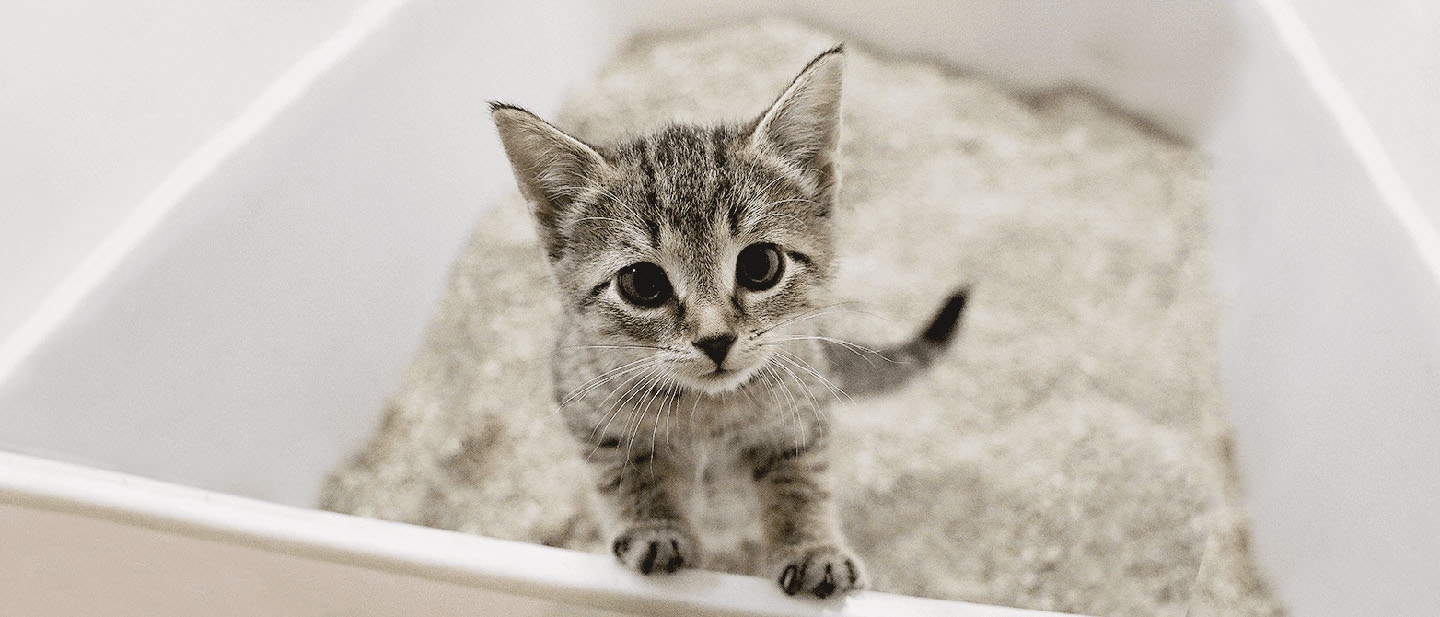
Bringing a stray cat into your home is a kind and rewarding choice. But if you’ve ever tried to litter box train a stray cat, you know it’s not always easy.
You want your new furry friend to feel comfortable and clean, but they might be unsure about using a litter box. Don’t worry—this guide will show you simple, effective steps to help your stray cat learn quickly. By the end, you’ll have a happier cat and a fresher home.
Keep reading to discover how you can make litter box training smooth and stress-free for both you and your cat.
Preparing Your Home
Preparing your home is the foundation of successfully litter box training a stray cat. The environment you create will influence your new cat’s comfort and willingness to adapt. Thoughtful preparation helps reduce stress and encourages good habits from the start.
Choosing The Right Litter Box
Pick a litter box that suits the size and personality of your stray cat. Some cats prefer covered boxes for privacy, while others like open ones for easy access. If your cat is shy or scared, an open box might feel less intimidating at first.
Consider the box’s height too. Older or smaller cats may struggle with high sides. A low-entry box can make it easier for them to get in and out without stress.
Selecting Cat-friendly Litter
Not all litters are created equal. Avoid strong scents or clumping litters that might irritate a stray cat’s sensitive nose. Unscented, natural litters like paper pellets or corn-based options often work best for new arrivals.
Think about cleanup ease as well. You want a litter that controls odor but doesn’t overwhelm your cat. Have you noticed your stray reacting negatively to certain smells? That’s a sign to switch to a milder option.
Creating A Safe Space
Your stray cat needs a quiet, secure area to feel at ease. Choose a spot away from loud noises and heavy foot traffic. This helps your cat relax and focus on learning where to use the litter box.
Include cozy bedding, fresh water, and some toys in this space. A calm environment lowers anxiety and builds trust. Imagine how you feel in an unfamiliar place—wouldn’t a peaceful corner help you adjust faster?

Credit: cats-magazine.com
Introducing The Cat To The Litter Box
Introducing a stray cat to a litter box takes patience and calm. Place the box in a quiet spot and gently guide the cat inside. Praise any use to encourage good habits and build trust.
Introducing a stray cat to a litter box may feel like a daunting task, but with patience and a little strategy, it can become a seamless part of your routine. The key is to create a welcoming environment that encourages the cat to explore and feel secure in their new surroundings. This process not only builds trust but also helps in creating a bond between you and your new feline friend.Gently Bringing The Cat Indoors
Start by making the transition indoors as smooth as possible. Use a calm and soothing voice to guide the cat inside, offering treats or a favorite toy as an incentive. Remember, a stray cat might be wary of enclosed spaces, so ensure they have a quiet room where they can acclimate without feeling overwhelmed.Placing The Cat Near The Litter Box
Once indoors, strategically place the litter box in a convenient yet quiet location. Ideally, this should be a spot that the cat can easily access but is not in a high-traffic area of your home. Consider if you were new to a place—would you prefer a restroom that is easy to find and peaceful?Encouraging Exploration
Encourage the cat to explore the area around the litter box. You might sprinkle a little catnip nearby or place a few treats around the box to pique their curiosity. Keep the environment stress-free; your calm demeanor will reassure them that this new territory is safe. Fostering a stray cat’s curiosity and comfort with their new home can be immensely rewarding. Have you ever thought about how much your calm presence can impact their adaptation? Creating a trusting environment is as much about understanding their needs as it is about providing them with the essentials.Establishing A Routine
Establishing a routine is key to helping a stray cat feel comfortable and learn where to use the litter box. Cats thrive on consistency, especially when they’re adjusting to a new environment. Setting clear patterns around feeding and bathroom breaks helps your cat understand expectations and reduces accidents.
Feeding And Litter Box Schedule
Feed your stray cat at the same times every day. This predictability helps regulate their bathroom habits naturally. Most cats will need to use the litter box shortly after eating, so plan to check or guide them then.
Try dividing meals into two or three small portions. This spreads out their bathroom needs and gives you more chances to reinforce litter box use. You might notice your cat starts heading to the box around these times without prompting—watch for that.
Monitoring Behavior
Watch closely for signs your cat needs to go, like sniffing or scratching around corners. Stray cats might hide their needs at first, so patience is crucial. Keep a journal or mental notes of when accidents happen to adjust your routine accordingly.
Pay attention to where your cat tries to go outside the litter box. This can tell you if the box placement or type of litter needs changing. A clean, quiet spot often encourages better habits.
Positive Reinforcement
Reward your cat immediately after using the litter box correctly. Use gentle praise, petting, or a small treat. Your cat will start associating the box with good things, making training easier.
Stay calm and avoid punishment. Negative reactions can create fear and confusion, slowing progress. Instead, celebrate every success, no matter how small, to build trust and confidence.

Credit: www.purina.com
Handling Setbacks
Training a stray cat to use a litter box can bring surprises. Setbacks are normal during this process. Handling these challenges with care helps your cat learn faster. Understanding how to manage accidents, adjust the environment, and stay patient is key. Each step builds trust and good habits.
Dealing With Accidents
Accidents happen. Clean the area quickly using an enzyme cleaner. Avoid strong-smelling cleaners that may scare the cat. Do not punish the cat. Punishment creates fear and confusion. Instead, gently guide the cat back to the litter box. Reward any attempt to use the box correctly.
Adjusting The Environment
Check the litter box setup. The box should be in a quiet, safe place. Some cats prefer covered boxes, others like open ones. Try different types of litter to find what your cat likes. Keep the box clean by scooping daily. Remove any strong odors to encourage use.
Being Patient And Consistent
Patience is vital. Stray cats need time to trust and learn. Keep a regular feeding and litter box schedule. Consistency helps the cat feel secure. Celebrate small successes. Gentle encouragement builds confidence. Stay calm and positive, even if progress seems slow.
Maintaining Cleanliness
Keeping the litter box clean is crucial for your stray cat’s comfort and health. A messy box can discourage your cat from using it, leading to accidents around your home. You want your cat to feel safe and willing to use the box every time, so maintaining cleanliness is key.
Regular Litter Box Cleaning
Clean the litter box daily by scooping out waste. This prevents buildup and makes the area inviting for your cat. Using a small scoop helps you remove clumps without disturbing the entire box.
Once a week, empty the entire box and wash it with mild soap and warm water. Avoid strong-smelling cleaners that might repel your cat. Rinsing thoroughly ensures no residue remains, keeping the box fresh.
Odor Control Tips
Odor can be a big problem if the litter box isn’t managed properly. Sprinkle a thin layer of baking soda under the litter to absorb smells. It’s safe for cats and helps keep the area smelling neutral.
Ventilation also matters. Place the box in a well-ventilated spot but away from loud noises or heavy foot traffic. This reduces stress for your cat and keeps odors from lingering in your living space.
Replacing Litter Periodically
Over time, litter loses its effectiveness. Replace the litter completely every two to three weeks, depending on how many cats use the box. Fresh litter encourages your stray cat to continue using the box happily.
Choose a litter type your cat prefers—some cats avoid scented litters or certain textures. Watch your cat’s behavior and adjust as needed to keep them comfortable and clean.
Building Trust With The Cat
Building trust with a stray cat is the foundation for successful litter box training. Stray cats often arrive cautious and wary of new environments and people. Gaining their confidence helps them feel safe, which encourages positive habits like using the litter box consistently.
Using Gentle Interaction
Approach the cat slowly and speak softly. Sudden movements or loud noises can scare them away. Sit quietly nearby and allow the cat to come to you on their own terms.
Offer your hand for sniffing before attempting to pet. Let the cat decide if they want affection. This gentle approach helps the cat associate you with safety, not threat.
Providing Comfort And Safety
Create a calm space where the cat can relax without feeling trapped. Use a cozy bed or blanket in a quiet corner. Make sure the litter box is easily accessible and placed in a low-traffic area.
Keep the environment consistent to avoid stress. Stray cats can be overwhelmed by too many changes. Providing a secure, peaceful spot encourages them to settle and trust their new surroundings.
Rewarding Good Behavior
Positive reinforcement goes a long way. When the cat uses the litter box, immediately offer a treat or gentle praise. This helps the cat link the behavior with a positive outcome.
Be patient and consistent with rewards. Avoid punishment if accidents happen, as this can damage trust. Instead, focus on encouraging the cat’s progress with kindness and small incentives.

Credit: www.reddit.com
Frequently Asked Questions
How Long Does It Take To Litter Train A Stray Cat?
Litter training a stray cat usually takes 1 to 2 weeks. Consistency and patience speed up the process. Provide a quiet, accessible litter box. Reward the cat for using it properly. Avoid punishment to prevent fear or stress.
What Type Of Litter Is Best For Stray Cats?
Unscented, clumping clay litter is ideal for stray cats. It mimics natural soil and absorbs odors well. Avoid scented or dusty litters, as they can irritate sensitive noses. A soft texture encourages cats to dig and cover their waste comfortably.
How Can I Introduce A Stray Cat To A Litter Box?
Place the litter box in a quiet, low-traffic area. Gently place the cat inside after meals and naps. Show them the litter’s texture by gently digging with your fingers. Keep the box clean to encourage regular use and avoid accidents.
What If The Stray Cat Avoids The Litter Box?
Check the box’s cleanliness and location first. Change the litter type if the cat shows dislike. Ensure the box is easily accessible and large enough. If problems persist, consult a vet to rule out health issues. Patience and gentle guidance are key.
Conclusion
Training a stray cat to use a litter box takes time and patience. Start with a quiet, comfortable space for the cat. Keep the box clean and easy to find. Praise the cat when it uses the box correctly. Watch for signs of stress or confusion.
Remember, every cat learns at its own pace. Stay calm and gentle throughout the process. Soon, your stray cat will feel safe and use the litter box regularly. Helping a stray this way builds trust and care between you both.
A small effort makes a big difference.


Leave a Reply