Is your cat peeing everywhere but the litter box? You’re not alone, and it can be very frustrating.
You love your furry friend, but the constant mess is stressful and confusing. Why is your cat doing this? Is it a health problem, a behavior issue, or something else? Understanding the real reasons behind this behavior can help you fix the problem quickly and bring peace back to your home.
Keep reading, because finding the answer might be easier than you think—and it starts with knowing what your cat is trying to tell you.

Credit: www.reddit.com
Common Reasons Cats Avoid Litter Boxes
When your cat starts peeing outside the litter box, it’s frustrating and confusing. Understanding why this happens can help you solve the problem quickly. Cats don’t avoid their litter boxes without a reason, and pinpointing the cause can make all the difference.
Medical Issues To Watch For
Sometimes, your cat’s behavior signals a health problem. Urinary tract infections, bladder stones, or kidney issues often cause discomfort during urination. If your cat suddenly stops using the litter box, a vet visit is crucial to rule out medical causes.
Did you know that even minor pain can make your cat associate the litter box with discomfort? Addressing health problems early can prevent long-term litter box avoidance.
Stress And Anxiety Triggers
Cats are sensitive creatures. Changes in their environment—like a new pet, moving homes, or loud noises—can trigger stress. This stress often results in inappropriate urination as a coping mechanism.
Have you noticed your cat peeing more after a recent change? Identifying and reducing stress can bring back their normal litter box habits.
Litter Box Cleanliness Matters
Cleanliness is key to encouraging your cat to use the litter box. Cats have a strong preference for clean, odor-free spaces. If the box is dirty or smells bad, your cat might look for a cleaner spot.
Try scooping the litter box daily and washing it weekly. You might find your cat’s behavior improves immediately with better hygiene.
Territorial Marking Behavior
Marking territory is a natural instinct, especially for unneutered males or stressed cats. Peeing outside the litter box can be a way to claim space or communicate with other pets. This behavior often increases during times of social tension.
Have you checked if your cat is intact or if there are new animals nearby? Neutering and managing introductions carefully can reduce marking and litter box issues.
Choosing The Right Litter Box
Choosing the right litter box plays a big role in stopping your cat from peeing everywhere. Cats need comfort and ease while using their box. The wrong box can cause stress and avoidance. Focus on size, litter type, and number of boxes for better results.
Size And Accessibility
Pick a litter box large enough for your cat to turn around easily. Small boxes make cats uncomfortable and cause accidents. Older or disabled cats need low-entry boxes for easy access. Place boxes where cats feel safe and quiet.
Type Of Litter To Use
Cats prefer certain litter textures and smells. Use unscented, clumping litter for easy cleaning. Avoid harsh chemicals or strong fragrances that may repel cats. Experiment with different litters to find your cat’s favorite.
Number Of Boxes Needed
Provide enough boxes for your home size and cat count. Use one box per cat plus one extra. Multiple boxes reduce stress and keep cats happy. Spread boxes across different rooms for easy access.
Behavioral Solutions
Dealing with a cat that pees outside the litter box can be frustrating, but understanding the underlying behavioral issues can make a world of difference. Many times, cats pee in unwanted areas due to stress, lack of positive reinforcement, or an attraction to certain spots. By focusing on behavioral solutions, you can address the root causes and guide your feline friend back to proper litter box habits.
Reducing Stress In Your Cat’s Environment
Stress can be a major factor in why your cat is avoiding the litter box. Ensuring a calm and stable environment can help alleviate anxiety. Consider providing safe spaces where your cat can retreat and relax, away from loud noises or other pets.
Have you ever noticed how your cat behaves when there’s a change in your routine or environment? Small changes, like shifting furniture or new household members, can unsettle them. Try to keep changes gradual and introduce new elements slowly.
Additionally, pheromone diffusers can create a comforting atmosphere, replicating the natural scents that calm cats. By reducing stress, you can make your home a more inviting place for your cat to behave appropriately.
Positive Reinforcement Techniques
Encouraging your cat to use the litter box involves more than just scolding them when they don’t. Positive reinforcement can effectively guide your cat’s behavior. Reward your cat with treats or affection whenever they use the litter box correctly.
Have you tried associating the litter box with positive experiences? Spend time playing near the box or feeding your cat treats nearby. This positive association can make the litter box a more appealing choice.
Remember, patience and consistency are key. Cats respond well to routine, so reinforcing good behavior consistently will yield better results over time.
Deterring Unwanted Areas
It’s not just about where your cat should pee, but also where they shouldn’t. Making certain areas less attractive can prevent future accidents. Cover the spots where your cat frequently pees with aluminum foil or double-sided tape—cats dislike the texture under their paws.
Have you ever considered what smells might deter your cat? Citrus or peppermint sprays can be effective in keeping them away from specific spots. Ensure these deterrents are safe and non-toxic for your furry friend.
By making unwanted areas less appealing, you can redirect your cat’s behavior more effectively. It’s all about finding the balance between encouragement and deterrence.
When To Consult A Veterinarian
Noticing your cat peeing outside the litter box can be frustrating and worrying. It’s important to understand when this behavior signals a deeper problem that needs a veterinarian’s attention. Knowing the right time to seek professional help can save your cat from discomfort and prevent more serious health issues.
Identifying Urinary Tract Infections
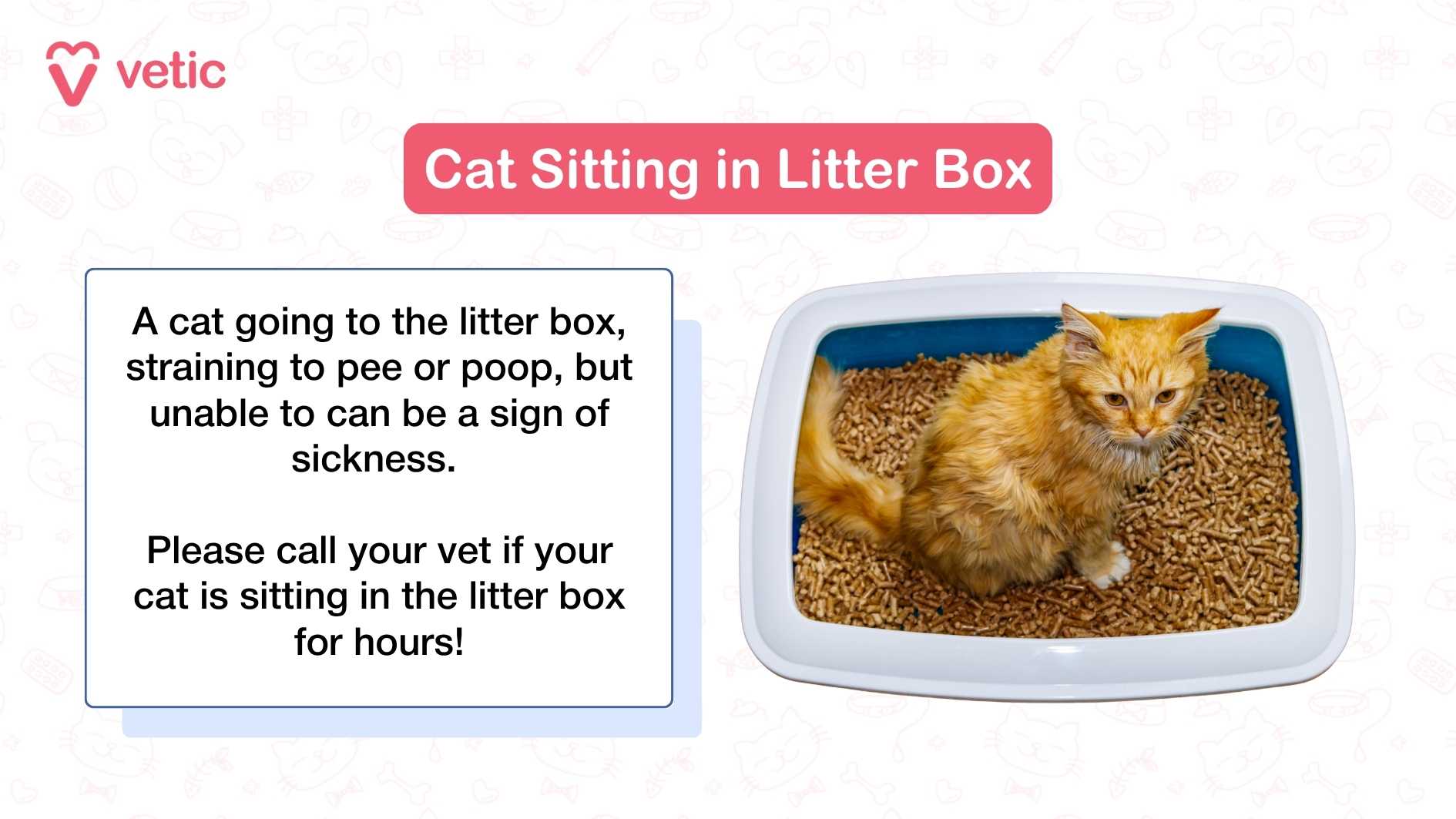
One common reason cats avoid the litter box is a urinary tract infection (UTI). If your cat suddenly starts peeing everywhere, seems to strain when urinating, or produces small amounts of urine frequently, it’s time to consult your vet.
UTIs can cause pain and urgency, making your cat associate the litter box with discomfort. Early diagnosis and treatment can quickly relieve your cat’s symptoms and stop the behavior.
Other Health Concerns
Besides UTIs, conditions like kidney disease, diabetes, or bladder stones can cause inappropriate urination. These illnesses often come with other signs like increased thirst, weight loss, or lethargy.
If you notice any unusual changes alongside your cat’s litter box issues, don’t wait to get a veterinary checkup. Detecting these problems early allows for better management and improves your cat’s quality of life.
Professional Behavioral Advice
Sometimes medical causes are ruled out, yet your cat still pees outside the box. This is when consulting a veterinary behaviorist or certified cat behavior consultant can help.
These experts can identify stressors or environmental factors affecting your cat’s behavior. They provide tailored strategies to encourage litter box use and reduce anxiety, making your home happier for both you and your cat.
Cleaning And Preventing Odors
Cleaning and preventing odors is essential when your cat pees outside the litter box. Removing stains and smells helps stop your cat from returning to the same spot. A fresh, odor-free environment encourages your cat to use the litter box again. Proper cleaning also keeps your home smelling clean and comfortable for everyone.
Effective Cleaning Products
Choose cleaners designed for pet urine. Enzyme-based products break down urine molecules. This stops the smell and discourages repeat marking. Avoid ammonia or bleach; they can attract cats back. Test cleaners on small surfaces first. Use a spray bottle for easy application. Let the cleaner sit for 10 minutes. Blot the area with a clean cloth. Repeat if the odor remains strong.
Preventing Recurrence
Stop your cat from peeing in the same place again. Use a barrier like aluminum foil or double-sided tape. Cats dislike the texture and smell. Place food bowls or toys near the spot. Cats avoid peeing where they eat or play. Clean accidents promptly to prevent lingering smells. Add a pet deterrent spray to the area. Keep the litter box in a quiet, accessible spot.
Maintaining A Fresh Litter Box
Scoop the litter box daily to remove waste. Change the litter completely once a week. Wash the box with mild soap and water. Avoid strong-smelling detergents that deter cats. Use unscented, clumping litter for easy cleaning. Provide one litter box per cat, plus one extra. Keep the box in a low-traffic, private area. Regular maintenance encourages your cat to use it consistently.

Credit: us.feliway.com

Credit: www.feliway.co.uk
Frequently Asked Questions
Why Does My Cat Avoid The Litter Box Suddenly?
Cats may avoid the litter box due to stress, illness, or a dirty box. Changes at home can upset them. Always clean the box regularly and consult a vet if behavior persists.
Can Medical Issues Cause Cats To Pee Outside?
Yes, urinary tract infections, bladder stones, or kidney problems can cause inappropriate urination. A vet checkup is essential to rule out health issues before behavioral causes.
How Can I Stop My Cat From Peeing Everywhere?
Ensure the litter box is clean, in a quiet place, and easily accessible. Use multiple boxes for multiple cats. Address stress factors and consult a vet if needed.
Does Litter Box Type Affect My Cat’s Behavior?
Yes, some cats prefer covered or uncovered boxes or specific litter types. Experiment with different options to find what your cat likes best to encourage proper use.
Conclusion
Cat peeing outside the litter box can be frustrating. Causes can include health problems, stress, or litter box issues. Watch your cat’s behavior closely. Keep the litter box clean and in a quiet place. Try different types of litter to find what your cat likes.
Consult a vet to rule out medical problems. Patience and care help solve this problem. Your cat can return to good bathroom habits with time. Small changes make a big difference for both of you. Don’t give up—your cat needs your help.



Leave a Reply