Are you curious about who decides what makes a cat breed official? Whether you’re a cat lover, a breeder, or just someone fascinated by feline varieties, knowing which organization recognizes cat breeds is key.
This knowledge helps you understand the standards behind your favorite cats and why some breeds are prized over others. Keep reading to discover the trusted authority that shapes the world of cat breeds and how it impacts you and your furry friends.
Feline Federation Basics
The Feline Federation plays a crucial role in recognizing and standardizing cat breeds worldwide. Understanding its basics helps you appreciate how breed standards are maintained and why certain cats qualify as official breeds. This knowledge also helps breeders, cat show participants, and enthusiasts stay informed and connected to the broader feline community.
History And Mission
The Feline Federation started decades ago with a simple goal: to bring order to the many diverse cat breeds. Over time, it developed clear breed standards and organized events to celebrate feline beauty and uniqueness.
Its mission focuses on promoting responsible breeding and educating the public about different cat breeds. Have you ever wondered why some cats have such distinct features? The Federation ensures these traits are preserved with care and accuracy.
Membership And Structure
The Federation consists of breeders, judges, and cat lovers from around the world. Members work together to maintain breed registries and organize cat shows where breeds are judged by strict criteria.
Membership offers valuable benefits, including access to exclusive resources and networking opportunities. If you’re serious about cats, joining the Federation could connect you with experts and help your cats gain recognition.
International Cat Standards
The world of cat breeds is vast and diverse, but it’s the International Cat Standards that bring order to this variety. These standards are set by global organizations dedicated to recognizing and preserving the unique characteristics of each breed. They ensure that no matter where you are, a breed’s traits are consistent and respected.
Global Recognition
International cat organizations work together to recognize breeds across countries. This cooperation helps maintain uniformity in breed identification worldwide.
Groups like the International Cat Association (TICA), Fédération Internationale Féline (FIFe), and the Cat Fanciers’ Association (CFA) are among the top bodies setting these standards. They hold annual shows and competitions where cats are judged according to these guidelines.
Have you ever wondered how a cat in Japan can be the same breed as one in Brazil? It’s these organizations that make sure breed traits are consistent globally, so your cat’s lineage is clear no matter where you are.
Breed Classification Criteria
To recognize a breed officially, organizations use strict classification criteria. These include physical features like size, coat color, eye shape, and personality traits.
Each breed has a written standard describing ideal characteristics. Judges use this as a reference during competitions to evaluate if a cat fits the breed perfectly.
For example, the Siamese breed is defined by its slender body, almond-shaped blue eyes, and pointed color patterns. If a cat doesn’t meet these points, it might not qualify as a true Siamese under international standards.
Are you curious about what makes your cat unique? Understanding these criteria can help you see the special traits that define your pet’s breed and why they matter to breeders and enthusiasts worldwide.
Popular Cat Breeds Recognized
The Cat Fanciers’ Association (CFA) is a leading group that recognizes popular cat breeds worldwide. They set standards and officially register many well-known breeds. This helps keep breed traits consistent and trusted.
Recognizing cat breeds isn’t just about showcasing feline beauty—it’s a structured process that involves various organizations. These groups evaluate specific traits, personalities, and characteristics to officially recognize a breed. As a cat lover, you might be curious about which popular breeds have made the cut and why they stand out.Commonly Accepted Breeds
Some cat breeds have become household names due to their distinct features and widespread popularity. The Siamese, with its striking blue almond-shaped eyes and sleek fur, is often celebrated for its vocal nature. The Persian, known for its luxurious long coat and calm demeanor, is another favorite. Have you ever marveled at the playful antics of a Maine Coon? Their tufted ears and bushy tails make them resemble mini lions. These breeds are frequently recognized by major organizations like the Cat Fanciers’ Association (CFA) and The International Cat Association (TICA).Rare And Emerging Breeds
While some breeds enjoy the limelight, others are just beginning to capture attention. The Lykoi, often called the “werewolf cat,” intrigues with its patchy fur and wild appearance. It’s a breed that’s slowly gaining recognition for its unique look. Imagine discovering a Khao Manee—a rare, all-white cat with captivating eyes of different colors. This breed is a treasure in the feline world and is gradually being recognized by more cat associations. Why do some breeds become popular while others remain rare? It could be the unique traits they offer or the mystique surrounding them. As new breeds emerge, their recognition depends on enthusiasts and breeders who champion their cause. In your journey as a cat lover, understanding these distinctions might not only deepen your appreciation but also help you decide which breed resonates with your lifestyle. After all, every cat has its own charm and story waiting to be discovered.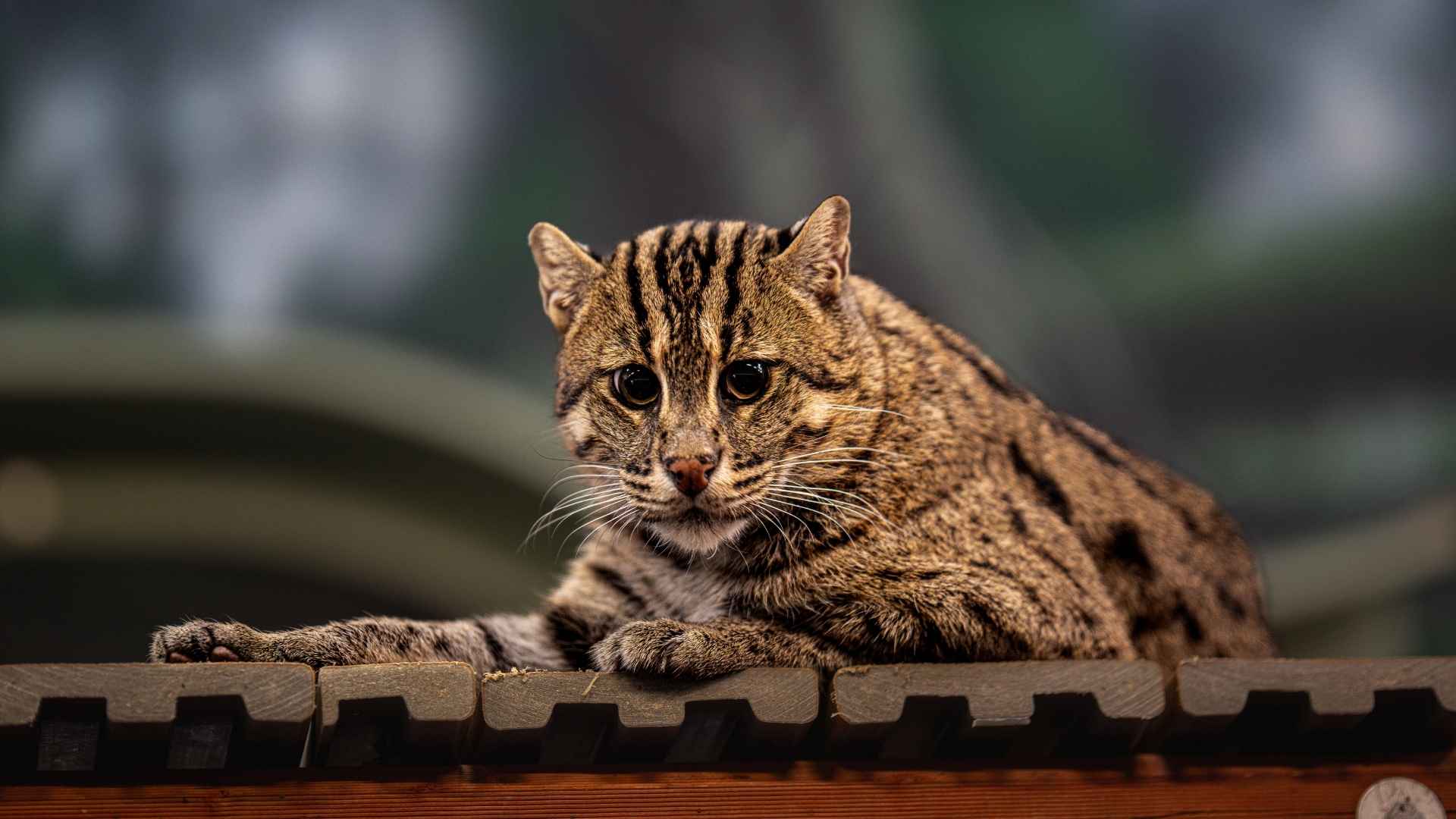
Credit: worldanimalfoundation.org
Registration Process
The registration process for cat breeds is essential for official recognition. It helps confirm the cat’s pedigree and breed standards. This process ensures breeders and owners have documented proof of their cat’s lineage. Registration also supports responsible breeding and participation in cat shows.
How To Register A Cat
Start by contacting a recognized cat registry organization. Examples include CFA, TICA, and FIFe. Each has its own registration rules and forms. Typically, you fill out an application with details about the cat. These details include the cat’s name, breed, birth date, and breeder information.
Submit the completed application along with any fees required. Some registries allow online submissions, while others require mail. After submission, the registry reviews the information. Approval results in a registration certificate, officially recognizing the cat.
Documentation And Verification
Proper documentation is crucial for successful registration. You must provide proof of the cat’s pedigree. This often includes registration papers from the cat’s parents. Photographs and veterinary records may also be required.
The registry checks all documents for accuracy. Verification ensures the cat meets breed standards and is not misrepresented. This step maintains the integrity of the registry. Only verified cats receive official registration certificates.
Role In Cat Shows
The role of cat breed organizations in cat shows is crucial to maintaining the quality and integrity of these events. These organizations set the standards that judges follow and organize the events to ensure everything runs smoothly. Their involvement helps you understand what makes a cat a true representative of its breed.
Judging Standards
Breed organizations create detailed guidelines that judges use to evaluate cats. These standards cover everything from coat color and texture to body shape and personality traits.
When you watch a cat show, judges compare each cat against these benchmarks, not just against other cats. This ensures fairness and consistency.
Have you ever wondered why some cats win repeatedly? It’s often because they meet or exceed these exact standards. Without these clear rules, judging would be subjective and chaotic.
Event Organization
Organizing a cat show is no small task. Breed organizations coordinate everything from venue selection to scheduling and participant registration.
They work closely with clubs, breeders, and judges to ensure the event follows official guidelines. This creates a professional and enjoyable experience for both participants and spectators.
Think about attending a well-run event where everything flows smoothly. That’s the result of careful planning by these organizations. Their efforts make it easier for you to appreciate the beauty and uniqueness of each breed on display.

Credit: bellspurr.com
Impact On Breeders And Owners
Cat breed recognition by official organizations shapes the world of breeders and owners. It sets clear standards and influences many decisions. Both breeders and owners benefit from this recognition, but it also brings duties. Understanding these impacts helps everyone care better for their cats and the breed’s future.
Benefits Of Recognition
Recognition helps breeders prove their cats meet breed standards. It makes selling kittens easier with trusted proof. Owners enjoy knowing their cats are purebred and healthy. Recognition also allows cats to enter shows and competitions. This can increase a cat’s value and popularity. It creates a community of breeders and owners who share knowledge and support.
Responsibilities And Ethics
Recognition means breeders must follow strict rules. They must breed healthy cats and avoid inbreeding. Ethical breeders test for diseases and care for each cat’s wellbeing. Owners should support responsible breeders to keep breeds strong. Both breeders and owners must respect the breed’s traits and history. This ensures the breed’s quality and future survival.
Differences Between Organizations
Understanding the differences between organizations that recognize cat breeds can change how you see the world of pedigreed cats. Each organization has its own set of rules, standards, and even breed lists. This variety can affect breeders, cat owners, and enthusiasts in many ways—from the legitimacy of a breed to eligibility for shows.
Feline Federation Vs Other Bodies
The Feline Federation tends to focus on a comprehensive, global approach. It often includes a wider range of breeds and emphasizes genetic health standards. This contrasts with other bodies that may prioritize tradition or regional preferences.
For example, some organizations might recognize fewer breeds, sticking to well-known ones, while others are open to emerging or rare breeds. This means your cat’s official status can vary depending on which organization you follow. Have you ever wondered why a breed recognized by one group is absent from another’s list?
- Feline Federation:Broad breed recognition, global outlook, strong genetic focus.
- Other Bodies:Regional focus, limited breed acceptance, traditional standards.
International Variations
Breed recognition isn’t the same worldwide. Countries often have their own cat organizations with unique standards. This can cause confusion if you’re involved in international breeding or showing.
Take the Siamese cat as an example. While recognized almost everywhere, some countries accept different color variations or patterns. If you live in one place and want to register your cat elsewhere, you might face unexpected hurdles.
- Different breed names and classifications
- Varied health and appearance standards
- Inconsistent registration processes
What does this mean for you? If you’re serious about your cat’s breed recognition, it’s worth researching the specific organization relevant to your location or goals. This will help you avoid surprises and ensure your cat gets the recognition it deserves.
Credit: vogdog.com
Frequently Asked Questions
What Organization Officially Recognizes Cat Breeds?
The Cat Fanciers’ Association (CFA) is the main organization that recognizes cat breeds. It sets breed standards and hosts cat shows worldwide.
How Does Cfa Classify Different Cat Breeds?
CFA classifies cat breeds based on genetics, appearance, and temperament. Each breed must meet strict criteria for official recognition.
Are There Other Groups Recognizing Cat Breeds?
Yes, other groups like The International Cat Association (TICA) also recognize cat breeds. They have their own breed standards and registries.
Why Is Breed Recognition Important For Cats?
Breed recognition ensures breed purity and health standards. It helps owners understand their cat’s traits and care needs better.
Conclusion
Cat breed recognition comes from trusted organizations worldwide. These groups set clear standards for each breed. They help breeders and cat lovers know what defines a breed. Knowing these organizations makes understanding cat breeds easier. They keep the cat world organized and fair.
Trust their guidelines to identify and appreciate cats better. This knowledge helps you enjoy cats more deeply. Always refer to official bodies for accurate breed information.


Leave a Reply