Have you ever noticed your cat cleaning itself right after a meal? It might seem like a simple habit, but there’s more to this behavior than meets the eye.
Understanding why your cat grooms after eating can help you connect better with your furry friend and ensure they stay happy and healthy. Keep reading to discover the surprising reasons behind this common cat ritual—and what it means for your pet’s well-being.
Cats’ Grooming Habits
Cats are known for their fastidious grooming habits. They spend a lot of time licking their fur and cleaning their paws. Grooming helps cats keep clean, control body temperature, and reduce stress. It is also a natural behavior that has deep roots in their wild ancestors. After eating, grooming takes on special significance for cats.
Natural Grooming Instinct
Cats groom themselves as part of their natural instinct. Their rough tongues remove food bits from their fur. This helps prevent dirt and bacteria from building up. Grooming also masks their scent, which once helped wild cats avoid predators. This instinct remains strong in domestic cats. They groom to stay clean and safe.
Frequency And Timing
Cats often groom right after a meal. This timing is not random. Grooming after eating removes food residues from their mouth and whiskers. Cats may groom several times a day, not just after meals. The habit keeps their fur smooth and free of debris. Grooming also calms cats, helping them relax after eating.
Grooming After Eating
After your cat finishes a meal, you might notice it immediately starts grooming itself. This behavior goes beyond simple cleanliness—it’s a vital part of how cats manage their well-being. Understanding why cats groom after eating can help you better appreciate their natural habits and care for them more effectively.
Cleaning Food Residue
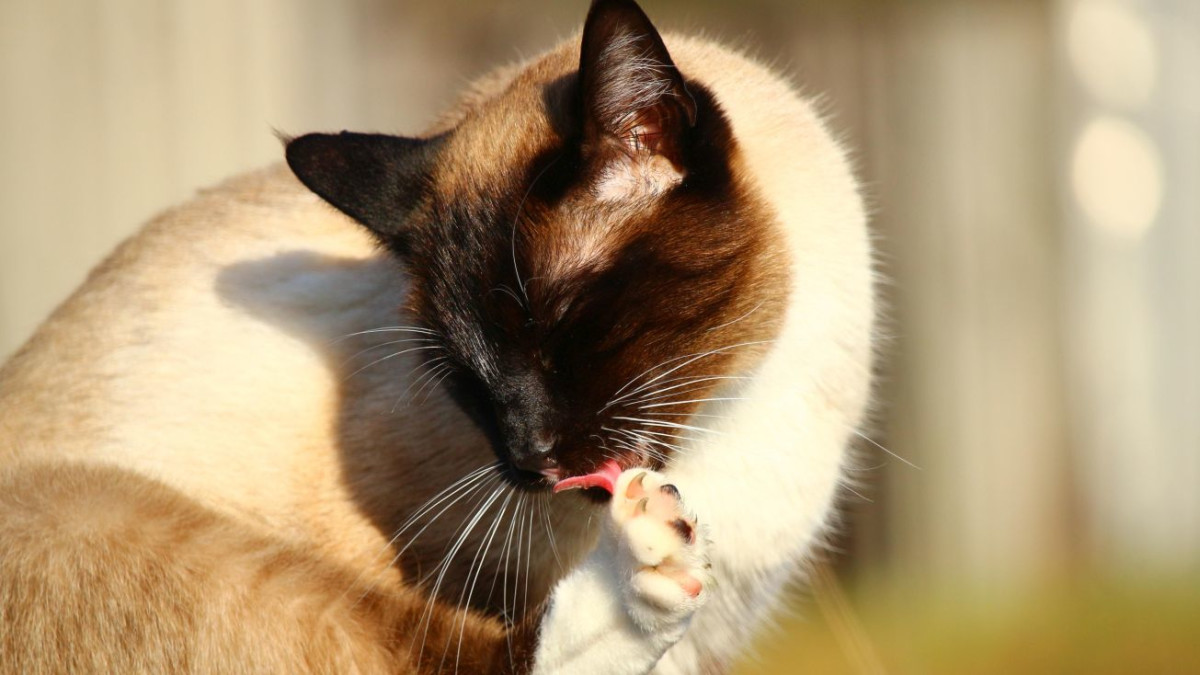
One obvious reason cats groom after eating is to clean food off their fur. Wet or sticky food can cling to their whiskers and face, which they find uncomfortable. By licking these areas, cats remove any leftover bits that might attract dirt or insects.
Have you ever seen your cat’s whiskers twitch while cleaning? That’s because whiskers are sensitive, and food stuck there can bother them more than you might think. Keeping their face clean helps prevent irritation and keeps them feeling fresh.
Comfort And Relaxation
Grooming after a meal also helps cats relax and feel secure. It’s a soothing ritual that calms their mind and body. After eating, your cat’s body temperature rises slightly, and grooming helps regulate it while promoting a sense of comfort.
Think about how you might feel after a satisfying meal—sometimes you want to sit back and unwind. For cats, grooming is their way of settling down and processing the meal. Watching your cat groom can even remind you to take a moment to relax yourself.
Health Benefits Of Post-meal Grooming
Cats clean themselves after eating to remove food smells and keep their fur neat. This grooming helps prevent attracting predators and supports healthy skin. It also calms cats, making them feel safe and comfortable.
Cats are fascinating creatures, and their habits often leave us intrigued. One such behavior is their ritual of grooming after meals. This post-meal grooming routine isn’t just about vanity; it comes with several health benefits that can enhance your cat’s well-being. Understanding why your feline friend does this can help you appreciate their intricate nature even more.Preventing Illness
Grooming plays a crucial role in maintaining your cat’s health. By licking themselves, cats can effectively clean their fur, removing food particles and debris that might attract bacteria or pests. This practice helps in preventing potential infections or illnesses. Consider it a natural way of keeping their environment cleaner. If you’ve ever noticed your cat meticulously licking their paws and face, it’s their way of ensuring they remain in the best health. This behavior is instinctual and an essential part of their self-care regimen.Stimulating Digestion
The act of grooming after eating can also aid in digestion. When cats groom, they stimulate their skin and muscles, which can indirectly promote better digestive function. The rhythmic licking can serve as a gentle massage to their digestive system. Have you ever felt the need to stretch or move after a big meal? Cats do something similar by grooming, helping their body process food more efficiently. This natural habit ensures that they remain comfortable and healthy after every meal. These grooming habits are more than just a quirky behavior; they’re essential to your cat’s overall health. Next time you see your cat grooming after a meal, you’ll know there’s more to it than meets the eye.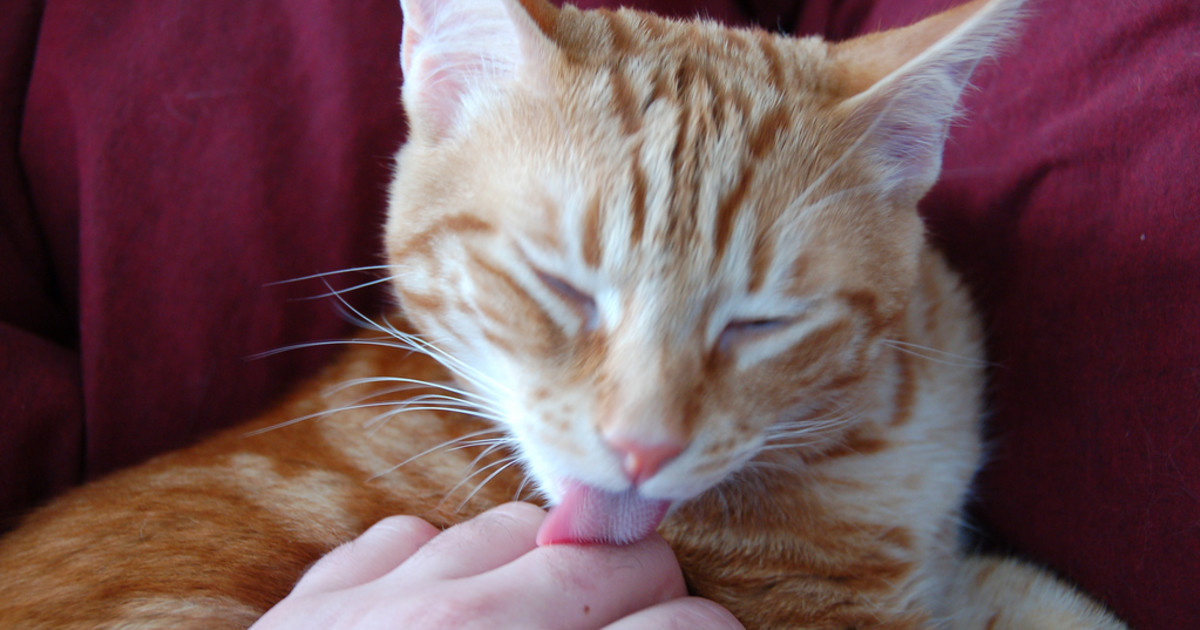
Credit: pethelpful.com
Behavioral And Social Reasons
Cats grooming themselves after a meal is more than just a hygiene habit. It reflects deeper behavioral and social reasons that shape their interactions and emotional state. Understanding these reasons can help you connect better with your feline friend and notice subtle signs in their behavior.
Stress Relief
Grooming acts like a natural stress buster for cats. After eating, they might feel vulnerable, especially if they’re in a new or noisy environment. Grooming helps them calm down by releasing endorphins, which reduce anxiety.
If you watch your cat closely, you might notice this calming effect after a grooming session. Have you ever seen your cat start licking themselves intensely after a sudden noise or a visit from a stranger? This behavior is their way of managing stress.
Signaling Contentment
When cats groom after eating, they also send a message of satisfaction. It’s like a quiet signal to themselves and others that they feel safe and happy. This behavior can even help strengthen bonds if you have multiple cats at home.
Your cat’s grooming could be their way of saying, “I’m good right now.” Next time your cat cleans up after a meal, consider it a sign that they’re content and comfortable in their space.
When Grooming Becomes Excessive
Cats usually groom after eating to clean their fur and feel comfortable. Grooming is a healthy habit that keeps them neat and calm. But sometimes, grooming can become too much. Excessive grooming might signal stress or health problems. It’s important to notice when your cat’s grooming habits change. This can help you protect your pet’s well-being.
Signs Of Anxiety Or Health Issues
Excessive grooming can mean your cat feels anxious or unwell. Watch for these signs:
- Bald spots or hair loss
- Red or irritated skin
- Constant licking or biting one area
- Restlessness or hiding
- Changes in appetite or behavior
Stress, allergies, or skin infections often cause over-grooming. Sometimes, pain or discomfort might be the reason. Pay attention to your cat’s body and mood.
When To Consult A Vet
Seek help if grooming seems out of control or causes harm. A vet can find the root cause and suggest treatment. Early care can stop skin damage and ease your cat’s stress.
- Notice bald patches or wounds
- See if your cat scratches or licks nonstop
- Observe mood changes or signs of pain
- Consult a vet for proper diagnosis
Professional advice ensures your cat stays happy and healthy. Don’t wait if grooming looks unusual or harmful.

Credit: medium.com
Credit: pethelpful.com
Frequently Asked Questions
Why Do Cats Groom After Eating Food?
Cats groom after eating to clean their fur from food particles. It also helps remove saliva and maintain hygiene. Grooming calms them and aids digestion by reducing stress post-meal.
Does Grooming Help Cats Digest Their Food Better?
Yes, grooming helps cats relax, which improves digestion. It lowers stress hormones and stimulates saliva production. This supports smoother digestion and nutrient absorption after meals.
Is Post-meal Grooming A Sign Of Cat Happiness?
Post-meal grooming indicates contentment and comfort. It shows your cat feels safe and satisfied after eating. Grooming releases endorphins, making cats feel relaxed and happy.
Can Grooming After Eating Prevent Illness In Cats?
Grooming removes food residues that attract bacteria or pests. It reduces the risk of infections and skin irritations. Clean fur helps maintain overall cat health post-eating.
Conclusion
Cats groom after eating to stay clean and comfortable. This behavior helps remove food smells and bits from their fur. Grooming also calms cats and aids digestion. It’s a natural habit that keeps them healthy. Watching a cat clean itself after meals shows its care and routine.
Understanding this simple act helps us appreciate our pets more. Next time your cat grooms after food, you’ll know why it feels good for them. A small, daily habit with many benefits.

Leave a Reply