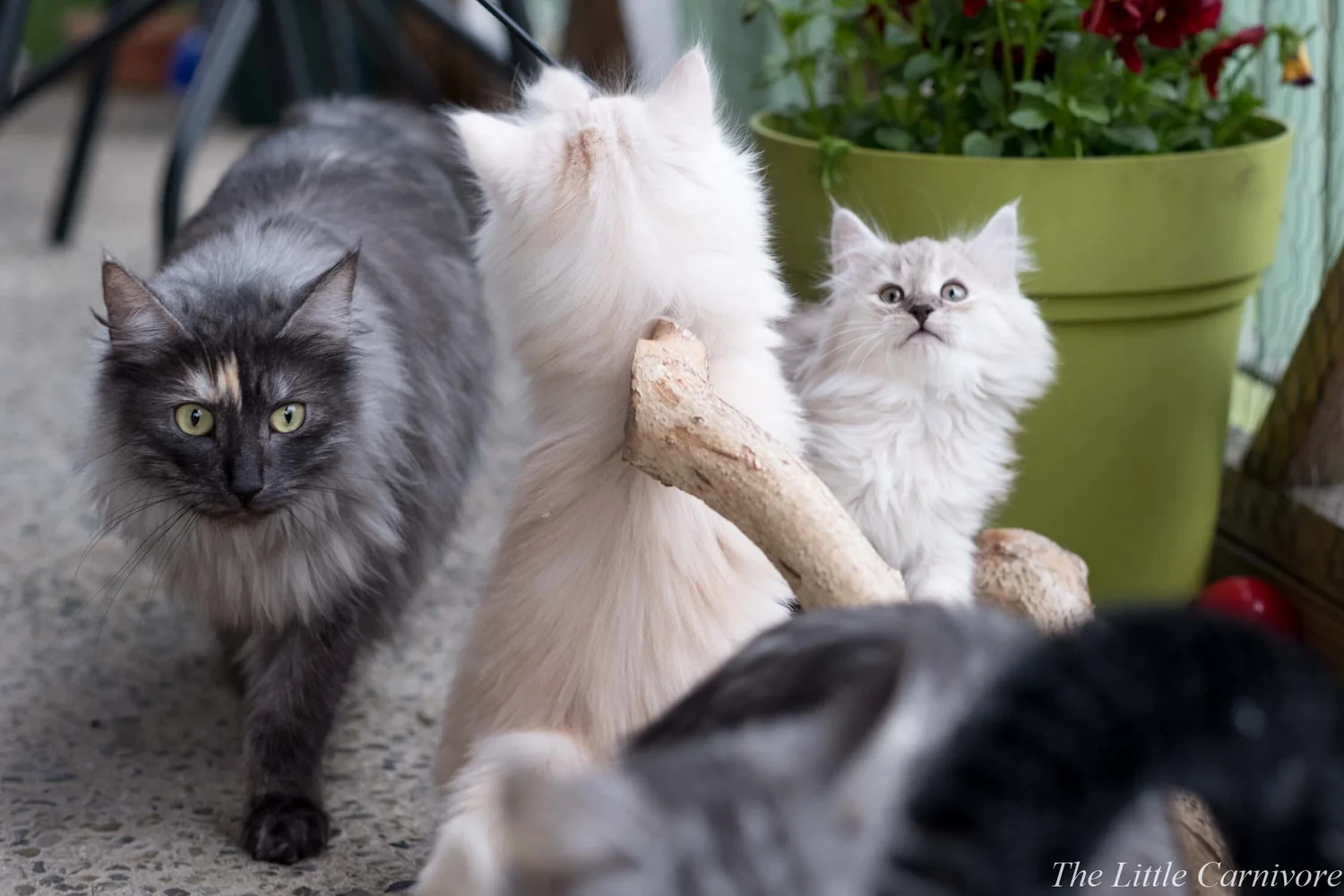
Have you ever wondered how breeder cats behave compared to regular pets? Understanding their actions can help you decide if a breeder cat is the right fit for your home.
You might notice certain habits or traits that stand out, and knowing what to expect can make all the difference. Keep reading to discover what breeder cats act like and how their behavior could affect your life. This insight will help you connect better with these special cats and make smarter choices for your furry family.
Credit: pethelpful.com
Personality Traits Of Breeder Cats
Breeder cats often carry distinct personality traits shaped by their genetics and environment. Understanding these traits helps you anticipate their behavior and build a stronger bond. Let’s look closer at what makes breeder cats unique in their social habits, affection, and energy levels.
Social Behavior
Breeder cats tend to be more accustomed to human interaction compared to many other cats. They usually show confidence around people and other animals, thanks to early handling and socialization.
Some breeder cats enjoy being the center of attention, while others prefer observing from a distance. You might notice that certain breeds are more outgoing, while others stay calm and reserved.
Have you ever noticed how a cat’s social style changes depending on its surroundings? Pay attention to how your breeder cat reacts to new guests or other pets—it can tell you a lot about their comfort zone.
Affection Levels
Many breeder cats display high levels of affection toward their owners. They often seek out cuddles, purring loudly when you pet them or sit close by.
However, affection can vary widely. Some cats show love through gentle head butts or by following you around, while others prefer quiet companionship without too much physical contact.
Think about what kind of affection your cat responds to best. This insight can help you meet their emotional needs in ways that feel natural to them.
Activity Patterns
Breeder cats often have predictable activity patterns shaped by their breed traits. Some may be playful and energetic during certain times of the day, especially early morning or evening.
Other cats might enjoy long naps and prefer short bursts of activity. Observing when your cat is most active can help you plan playtime and keep them mentally and physically stimulated.
How does your breeder cat’s energy level influence your daily routine? Matching their activity patterns can improve their well-being and your relationship.

Credit: www.artemissavannahs.com
Common Breeds And Their Temperaments
Understanding the temperament of breeder cats is essential for anyone considering adding one to their home. Each breed carries unique traits that can influence how they fit into your lifestyle. This section explores the distinct personalities of some popular cat breeds, helping you make an informed decision.
Siamese And Vocal Nature
Siamese cats are known for their striking blue eyes and sleek coats, but their vocal nature truly sets them apart. These cats are extremely communicative and love to engage in conversations with their human companions. If you’re someone who enjoys interaction, a Siamese cat might be the perfect fit for you. However, be prepared for their constant chatter and lively personality.
Maine Coon’s Gentle Demeanor
Maine Coons are often referred to as the gentle giants of the cat world. Despite their large size, they have a surprisingly tender and affectionate nature. They tend to get along well with children and other pets, making them ideal for families. Their easygoing temperament makes them a beloved choice for those seeking a loving and sociable companion.
Persian Cats’ Calmness
If calm and serene is what you seek, Persian cats are the epitome of tranquility. Known for their luxurious coats and sweet expressions, they are the perfect lap cats. Persians enjoy lounging and are not as playful as other breeds, which might suit someone with a quieter lifestyle. Their laid-back attitude brings a sense of calm to any home.
Breeder Cats And Interaction With Humans
Breeder cats often show unique behaviors around humans. Their interaction styles can vary based on breed and early socialization. Understanding these traits helps owners build a better connection. These cats tend to have distinct ways of bonding, responding to touch, and playing. Observing these behaviors offers insight into their personalities and needs.
Bonding Tendencies
Breeder cats form strong attachments with their humans. They enjoy close contact and often follow their owners. Many seek attention and affection regularly. Some breeds are more independent, but most appreciate gentle care. These cats recognize their owners and trust them deeply.
Response To Handling
Breeder cats usually tolerate handling well. Early socialization makes them comfortable with touch. They respond calmly to petting and grooming. Some may shy away if handled roughly or too much. Gentle, consistent touch helps build positive experiences. Respecting their comfort zones is important for trust.
Playfulness With Owners
Breeder cats often show lively playfulness with humans. They use toys or even hands to engage. Play sessions strengthen the bond and provide exercise. Many cats enjoy interactive games like chasing or pouncing. Playful behavior varies by breed and personality. Regular play keeps them happy and active.
Health And Behavior Link
The health of breeder cats deeply affects their behavior. A healthy cat tends to be more active, curious, and social. Illness or poor breeding conditions can lead to behavioral problems. Understanding this link helps owners and breeders care better for their cats.
Impact Of Breeding On Temperament
Breeding influences a cat’s natural temperament. Some breeds are calm, while others are energetic or shy. Breeding practices also affect personality traits. Cats from responsible breeders often show balanced and predictable behavior. Poor breeding may cause nervousness or aggression.
Signs Of Stress Or Anxiety
Stress shows in many ways in breeder cats. Common signs include hiding, loss of appetite, and excessive grooming. Some cats become withdrawn or aggressive. Recognizing these signs early helps prevent long-term issues. Stress can also weaken the immune system, causing health problems.
Behavioral Changes With Age
Breeder cats’ behavior changes as they grow older. Young cats are usually playful and curious. Older cats may become calmer and sleep more. Health issues in senior cats can cause irritability or confusion. Regular vet checks help track these changes and maintain wellbeing.
Surprising Habits Of Breeder Cats
Breeder cats often surprise owners with behaviors that differ from typical house cats. Their habits reflect not just their unique role but also their temperament and environment. Understanding these habits can help you connect better with these special felines.
Unique Grooming Routines
Breeder cats tend to groom themselves more meticulously than other cats. This heightened grooming helps keep their coat in top condition, which is important for health and appearance, especially when they are preparing for litters.
You might notice they spend extra time cleaning hard-to-reach areas or smoothing their fur in specific patterns. This habit can also be a calming ritual, reducing stress in a busy environment.
Sleeping Preferences
Unlike many cats that choose cozy, hidden spots, breeder cats often prefer open and elevated sleeping areas. This choice gives them a good vantage point to watch over their surroundings and their kittens.
They also tend to stick to consistent sleep schedules, often syncing their rest with feeding times. Have you ever observed how your breeder cat seems to “plan” its naps around the day’s activities?
Communication Styles
Breeder cats communicate with a mix of vocalizations and body language that can be surprisingly complex. They use specific sounds to signal different needs, such as calling for attention or warning of discomfort.
Watching how they position their ears, tail, and eyes can give you clues about their mood and intentions. Paying attention to these signals helps you respond appropriately and strengthen your bond.
Credit: www.savannahgans.com
Tips For Living With Breeder Cats
Living with breeder cats can be a rewarding experience, but it also comes with unique challenges. Understanding their behavior and needs helps you create a harmonious home. Here are some essential tips to make life with your breeder cat smoother and more enjoyable.
Creating A Comfortable Environment
Breeder cats thrive in spaces that feel safe and familiar. Provide cozy hiding spots like covered beds or boxes where they can retreat when feeling overwhelmed.
Keep their environment consistent. Sudden changes in layout or loud noises can stress them out quickly.
Consider adding vertical space such as cat trees or shelves. These give your cat a place to observe and feel secure.
Encouraging Positive Behavior
Reward your cat with treats and affection when they behave well. Positive reinforcement strengthens good habits more effectively than punishment.
Engage your cat with interactive toys to reduce boredom and destructive behavior. Puzzles and feather wands work great.
Spend quality time daily to build trust and reduce anxiety. Have you noticed how your cat’s mood improves after playtime?
Managing Unwanted Traits
Breeder cats may sometimes show stubborn or territorial behavior. Set clear boundaries by using gentle but firm redirection.
Use scratching posts to protect your furniture. If your cat scratches inappropriately, calmly move them to the post and reward when they use it.
Patience is key. If your breeder cat shows aggression or fear, avoid forcing interactions. Instead, give them space and try again later.
Frequently Asked Questions
What Behaviors Are Common In Breeder Cats?
Breeder cats often show calm and social behavior. They are usually friendly, affectionate, and used to human interaction. These cats are also more tolerant and patient, making them ideal for breeding environments and family homes.
How Do Breeder Cats Interact With Humans?
Breeder cats tend to be very social and enjoy human company. They often seek attention and respond well to gentle handling. Their temperament is usually stable due to selective breeding, making them comfortable around people.
Are Breeder Cats More Affectionate Than Regular Cats?
Yes, breeder cats are often more affectionate. Breeders select cats with loving and gentle temperaments. This results in cats that enjoy cuddling, purring, and bonding closely with their owners.
Do Breeder Cats Require Special Care Or Training?
Breeder cats need regular health checks and proper nutrition to stay healthy. They may require training to adapt to breeding routines. Consistent care ensures their well-being and successful breeding outcomes.
Conclusion
Breeder cats often show friendly and social behavior. They enjoy attention and can be very playful. These cats usually have strong bonds with their owners. They may act curious and confident around new people. Understanding their traits helps you care for them better.
Every cat has a unique personality, but breeders tend to be more outgoing. Observing their actions gives clues about their needs and moods. Enjoying time with a breeder cat can be a joyful experience. Their lively nature often brings warmth to any home.


Leave a Reply