Have you ever watched your cat carefully cleaning itself and wondered, “What exactly is grooming in cats?” Understanding this simple yet important behavior can help you keep your furry friend happy and healthy. Grooming isn’t just about looking good—it’s a vital part of your cat’s daily routine that affects their well-being in ways you might not expect.
If you want to learn why your cat spends so much time licking, how grooming impacts their health, and what signs you should watch for, keep reading. This insight will change the way you care for your cat forever.

Credit: www.latimes.com
Cat Grooming Basics
Grooming is a natural habit for cats. It helps keep their fur clean and healthy. Understanding the basics of cat grooming helps pet owners support their feline friends better. Simple grooming routines can improve a cat’s comfort and appearance.
Importance Of Grooming
Grooming removes dirt and loose fur. It prevents hairballs and skin problems. Grooming also helps spot health issues early. Regular grooming builds trust between cats and owners. It keeps the cat’s coat shiny and soft.
Common Grooming Tools
- Brushes – good for removing loose hair
- Combs – help untangle knots
- Nail clippers – keep claws trimmed
- Wipes – clean dirty spots gently
- Shampoo – for occasional baths only
Frequency Of Grooming Sessions
Short-haired cats need grooming once a week. Long-haired cats require grooming several times weekly. Older cats may need more frequent care. Adjust grooming based on your cat’s needs. Watch for signs of discomfort or matting.
Coat Care Techniques
Taking care of your cat’s coat is more than just a beauty routine—it’s essential for their health and happiness. Good coat care techniques help prevent skin problems and keep your feline friend comfortable. Understanding how to groom different types of fur, handle mats, and even bathe your cat can make a big difference in their overall well-being.
Brushing Different Fur Types
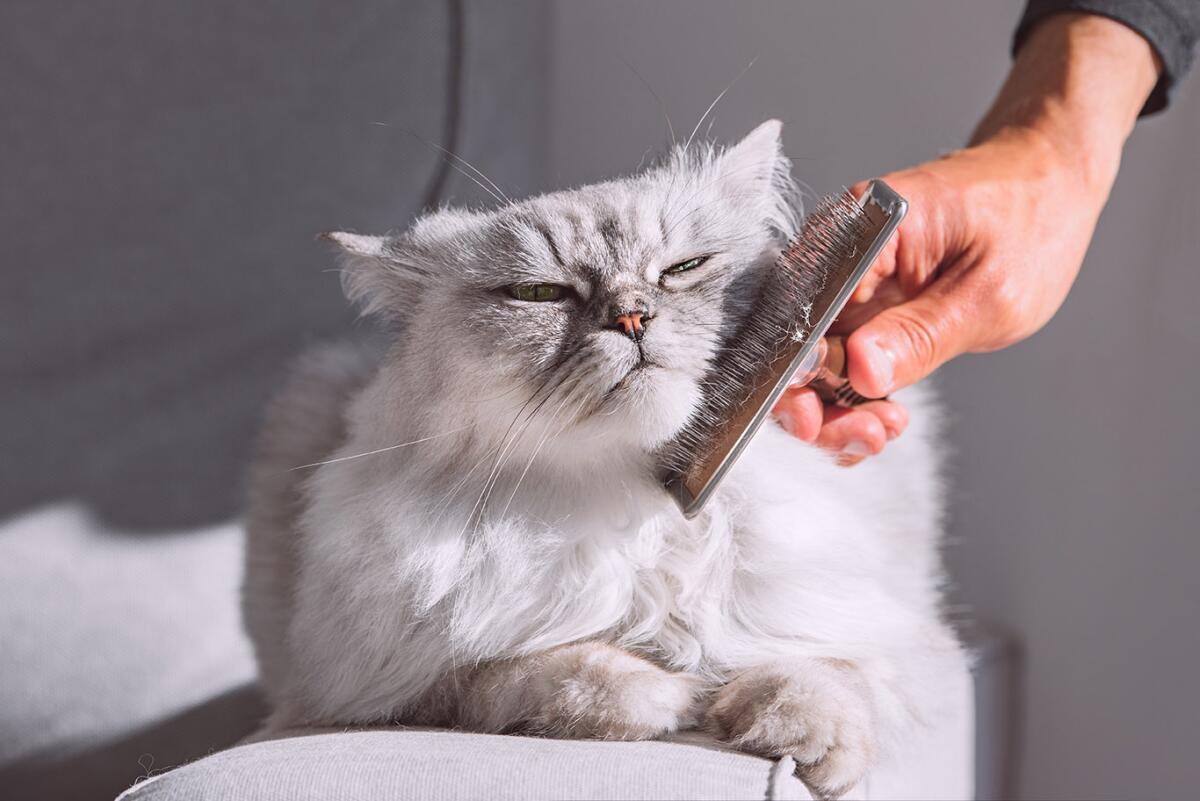
Short-haired cats usually need less frequent brushing, but it still helps remove loose hairs and reduce shedding. Use a soft-bristled brush or grooming glove for gentle care. Long-haired cats, on the other hand, require daily brushing with a wide-toothed comb to avoid tangles and mats.
Think about your cat’s fur texture and how it changes with the seasons. You might notice more shedding in spring or fall. Adjust your brushing schedule accordingly to keep their coat clean and healthy.
Dealing With Mats And Tangles
Mats can be painful for cats and tricky for you to handle. Start by gently working through small tangles with a detangling spray made for pets. For stubborn mats, use a mat splitter or carefully trim them out with rounded scissors.
Is your cat resisting grooming? Try to make it a calming experience with treats and breaks. If mats become severe or your cat is stressed, a professional groomer can help safely remove them without hurting your pet.
Bathing Tips For Cats
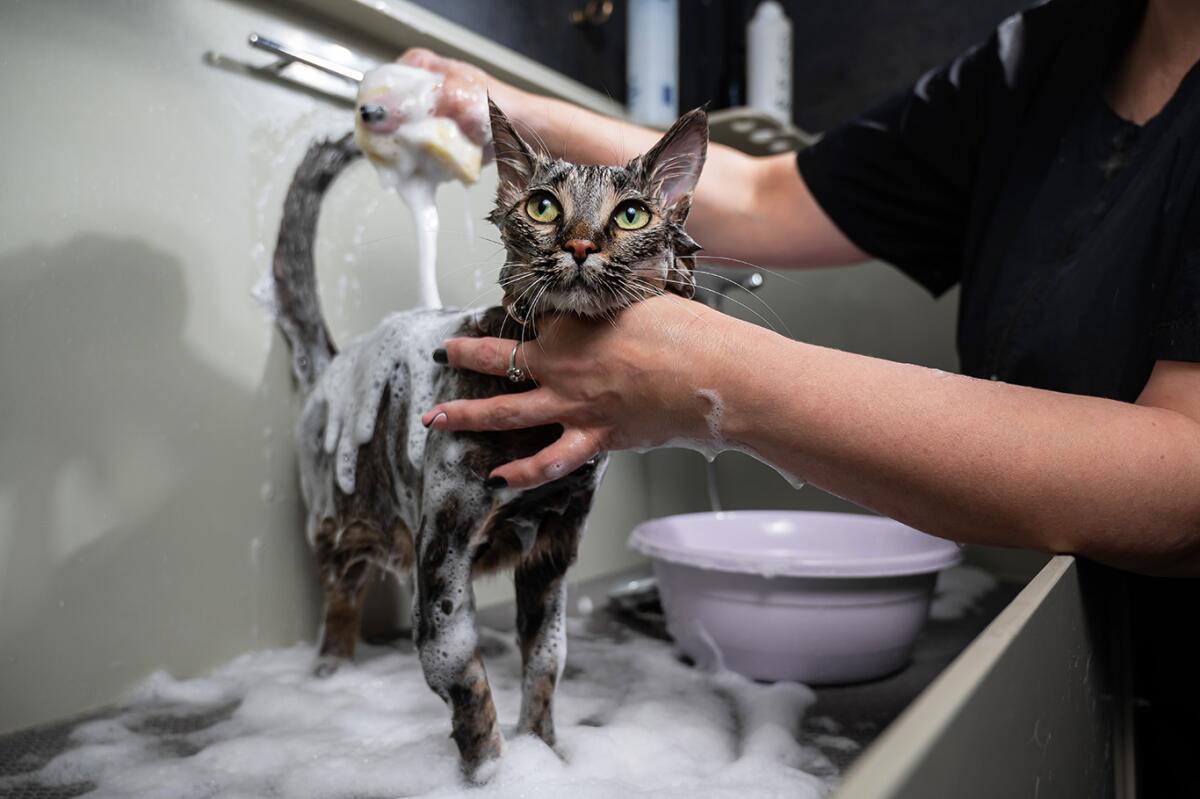
Bathing cats isn’t always necessary, but sometimes it’s the best solution for dirt or skin issues. Use lukewarm water and a shampoo specifically designed for cats to avoid irritation. Keep the bath short and speak softly to comfort your cat throughout the process.
After the bath, dry your cat thoroughly with a towel and, if they tolerate it, a low-heat hairdryer. Have you noticed your cat’s reaction to water? Understanding their comfort level can help you decide how often to bathe them and how to keep the experience stress-free.
Nail And Paw Maintenance
Nail and paw maintenance is a crucial part of your cat’s grooming routine. Healthy nails and paws help your cat move comfortably and avoid infections. Ignoring this care can lead to painful issues or behavioral changes, such as excessive scratching or limping.
Trimming Nails Safely
Trimming your cat’s nails can be tricky, but it’s important to do it safely to avoid hurting your pet. Use a sharp, cat-specific nail clipper and cut only the clear tip of the nail, avoiding the pink quick inside. If you’re unsure where the quick ends, trim small amounts gradually to prevent bleeding.
Many cats dislike nail trimming at first. Try calming techniques like gentle petting or giving treats during and after the process. Have styptic powder or cornstarch nearby in case of accidental cuts to stop bleeding quickly.
Checking For Injuries
Look over your cat’s paws regularly for signs of injury, such as cuts, swelling, or redness. Cats often hide pain, so watch for limping or licking their paws excessively. Early detection of wounds or foreign objects can prevent infections.
If you notice something unusual, clean the area gently with warm water and a mild antiseptic. Persistent issues or deep wounds should be checked by a vet immediately to avoid complications.
Paw Pad Care
Paw pads can get dry or cracked, especially in harsh weather or if your cat walks on rough surfaces. Check for dryness or peeling and use a vet-approved moisturizer if needed to keep pads soft and healthy. Avoid human lotions, as they can be toxic to cats.
Also, keep your cat’s environment clean to reduce dirt and bacteria buildup on their paws. Regularly wiping their paws after outdoor adventures helps prevent infections and keeps your home cleaner too.
Ear And Eye Hygiene
Grooming in cats includes ear and eye hygiene to prevent infections. Regular checks and gentle cleaning help maintain their health. Use soft, damp cloths for cleaning, avoiding harsh chemicals.
Keeping your cat’s ears and eyes clean is an essential part of grooming. It not only ensures their comfort but also helps prevent infections. Regularly checking these areas can save your furry friend from potential health issues. But how do you ensure their ear and eye hygiene is up to par? Let’s dig deeper into the specifics.Cleaning Cat Ears
Cats are pretty good at keeping themselves clean, but they might need some help with their ears. Use a soft cloth or a cotton ball dampened with a vet-recommended ear cleaner. Gently wipe the inner part of the ear, but avoid going too deep. If you notice a lot of wax or a bad smell, it might be time for a vet visit. A personal tip: reward your cat with a treat after cleaning to make it a positive experience. Does your cat resist ear cleaning? Try doing it when they are relaxed, like after a nap.Managing Eye Discharge
Eye discharge is common in cats, especially in certain breeds. Use a damp, soft cloth to gently wipe away any discharge from the corners of your cat’s eyes. Make sure to use a separate cloth for each eye to prevent spreading any potential infection. Regularly doing this can prevent crusty build-up and keep your cat looking spiffy. Ever noticed your cat squinting or tearing up? That might be a sign to check their eyes more frequently.Signs Of Infection
Recognizing signs of infection early can save your cat from discomfort. Look out for redness, swelling, or a strong odor from the ears. In the eyes, excessive tearing, redness, or yellow-green discharge can indicate a problem. If you spot these signs, it’s best to consult your vet for advice. Ignoring symptoms can lead to more serious health issues. Are you observant enough to catch these signs before they become serious?Dental Health
Dental health plays a crucial role in your cat’s overall grooming routine. Healthy teeth and gums prevent pain, infections, and even behavioral changes. If you want your feline friend to stay happy and active, paying attention to their dental care is a must.
Brushing Cat Teeth
Getting your cat used to having their teeth brushed can seem challenging, but it’s a game changer. Start slowly by letting them sniff and lick the toothbrush or finger brush. Use a toothpaste made specifically for cats—never use human toothpaste, as it can be harmful.
Brush gently in small circular motions, focusing on the gum line. It’s normal if your cat resists at first; patience and consistency are key. Have you noticed your cat’s reaction when you try brushing? Adjust the approach to keep it stress-free for both of you.
Preventing Dental Disease
Dental disease is common in cats, but many cases are preventable. Look out for signs like bad breath, drooling, or difficulty eating. Regular vet check-ups can catch issues early before they become painful or expensive to treat.
Besides brushing, offering toys that promote chewing can reduce plaque buildup. Keeping your cat’s mouth clean not only avoids dental pain but also prevents infections that can affect their heart and kidneys. How often do you check your cat’s mouth for these warning signs?
Choosing Dental Treats
Dental treats are a convenient way to support your cat’s oral health. Look for treats approved by veterinary dental organizations; they often have textures designed to clean teeth as your cat chews. Avoid treats high in sugar or fillers, as they can do more harm than good.
Introduce new treats gradually to monitor any digestive issues or allergies. Dental treats are not a replacement for brushing, but they can be a helpful addition to your cat’s dental care routine. Which treats has your cat enjoyed the most while helping keep their teeth clean?
Credit: www.latimes.com
Grooming For Special Needs
Grooming takes on a different meaning when your cat has special needs. It requires patience, attention, and sometimes a little extra care to keep your furry friend comfortable and healthy. Understanding the unique grooming requirements can make a huge difference in your cat’s well-being.
Senior Cats
As cats age, their flexibility and energy decrease, making self-grooming harder. You might notice mats or greasy patches developing, which can cause discomfort or skin problems. Helping your senior cat with gentle brushing not only keeps their coat clean but also strengthens your bond.
Pay attention to sensitive spots and avoid pulling on tangled fur. Use soft-bristled brushes and take breaks if your cat seems stressed. Have you ever noticed your older cat avoiding grooming? That’s a clear sign they need your help.
Long-haired Breeds
Long-haired cats require daily grooming to prevent mats and tangles. Their thick fur can trap dirt and moisture, leading to skin infections if neglected. Regular brushing keeps their coat shiny and healthy, reducing shedding around your home.
Invest in grooming tools designed for long hair, like wide-toothed combs and slicker brushes. Make grooming sessions fun by combining brushing with treats or playtime. Are you prepared to commit to daily grooming if you bring home a long-haired kitty?
Cats With Medical Conditions
Medical issues like arthritis, obesity, or skin conditions can make grooming a challenge. Your cat might avoid grooming due to pain or discomfort. In these cases, you become their primary groomer and caregiver.
Consult your vet for advice on safe grooming techniques and tools tailored to your cat’s condition. Use gentle strokes and watch for signs of pain or irritation. Can you spot early signs that grooming is causing discomfort before your cat hides it?
Behavioral Tips During Grooming
Grooming your cat is more than just a routine; it’s a chance to connect and understand your pet better. How you approach grooming can shape your cat’s experience, making it either a calm bonding time or a stressful struggle. Paying attention to behavior during grooming helps you create a positive atmosphere that your cat will appreciate.
Making Grooming Stress-free
Keep grooming sessions short and gentle. Start with just a few minutes and gradually increase the time as your cat gets comfortable. Use soft brushes and avoid pulling on mats or tangles, which can cause pain and resistance.
Watch your cat’s body language closely—ears back, tail flicking, or growling signals that it’s time to pause. You might try grooming in a quiet room where your cat feels safe. Have you noticed how your cat reacts differently when you speak softly or stroke gently during grooming?
Rewarding Good Behavior
Positive reinforcement goes a long way. After each grooming session, offer treats, praise, or playtime to encourage your cat to see grooming as a positive experience. Even a calm petting session can work as a reward.
Try to reward your cat immediately after grooming to link the good behavior with the reward. This can make your cat more willing to cooperate next time. What rewards does your cat respond to best?
When To Seek Professional Help
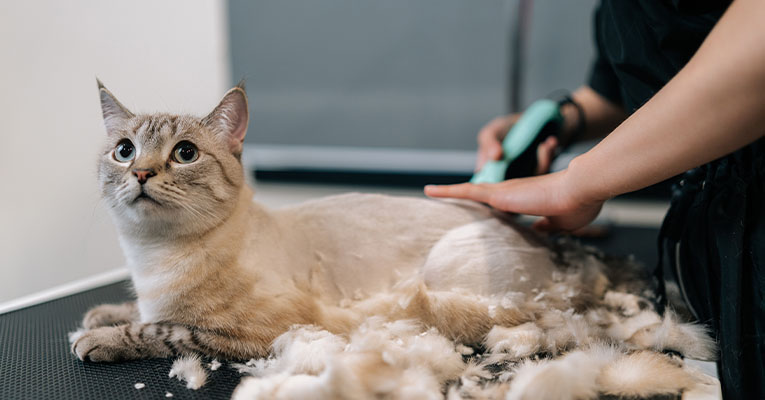
If grooming causes your cat significant distress or if mats are too tight and painful, it’s wise to consult a professional groomer or veterinarian. They have the right tools and skills to handle tricky grooming situations safely.
Professional help is also important if your cat shows signs of skin issues or excessive hair loss during grooming. Don’t hesitate to ask for advice—your cat’s comfort and health come first.
Credit: www.zoomzoomgroom.com
Frequently Asked Questions
What Is Grooming In Cats And Why Do They Do It?
Grooming in cats is their way of cleaning and maintaining fur. It helps remove dirt, loose hair, and parasites. Cats also groom to regulate body temperature and reduce stress. This natural behavior keeps them healthy and comfortable daily.
How Often Do Cats Groom Themselves Naturally?
Cats typically groom themselves several times a day. They spend about 30-50% of their waking hours cleaning their fur. This frequent grooming ensures they stay clean, helps with scent marking, and keeps their coat smooth and free of tangles.
Can Over-grooming Indicate A Health Problem?
Yes, excessive grooming can signal stress, allergies, or skin infections. It may cause bald patches or sores. If your cat grooms too much, consult a vet to rule out underlying medical or behavioral issues.
Does Grooming Strengthen The Bond Between Cats?
Absolutely. Cats groom each other to build trust and social bonds. This behavior, called allogrooming, helps reduce tension and strengthens their relationship. It’s a sign of affection and mutual care among feline companions.
Conclusion
Cats groom themselves to stay clean and healthy. Grooming helps remove dirt, loose fur, and parasites. It also cools their bodies and reduces stress. Watching a cat groom shows their natural care habits. Pet owners should support this behavior by keeping cats safe and comfortable.
Regular grooming checks help spot any health issues early. Understanding cat grooming builds a stronger bond with your pet. Simple care routines keep cats happy and thriving every day. A well-groomed cat is a sign of good health and love.




Leave a Reply