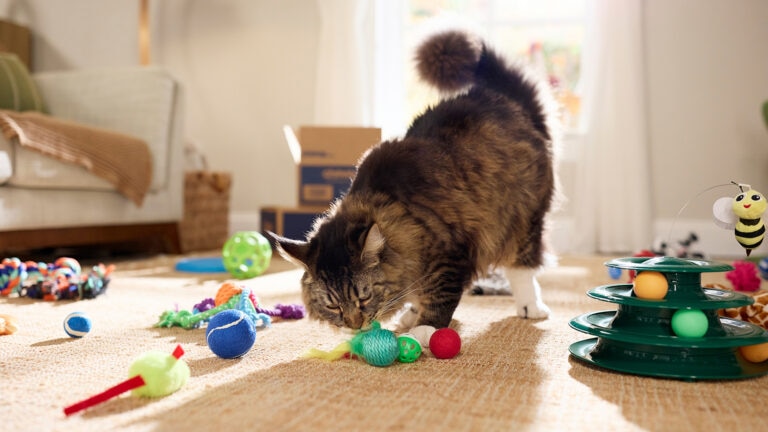
Have you ever watched your cat carefully cleaning her toys and wondered why she does it? It might seem strange, but this simple action tells you a lot about your furry friend’s feelings and instincts.
Understanding why your cat cleans her toys can help you connect with her better and even improve her happiness. Keep reading to discover the surprising reasons behind this curious behavior and what it means for your relationship with your cat.
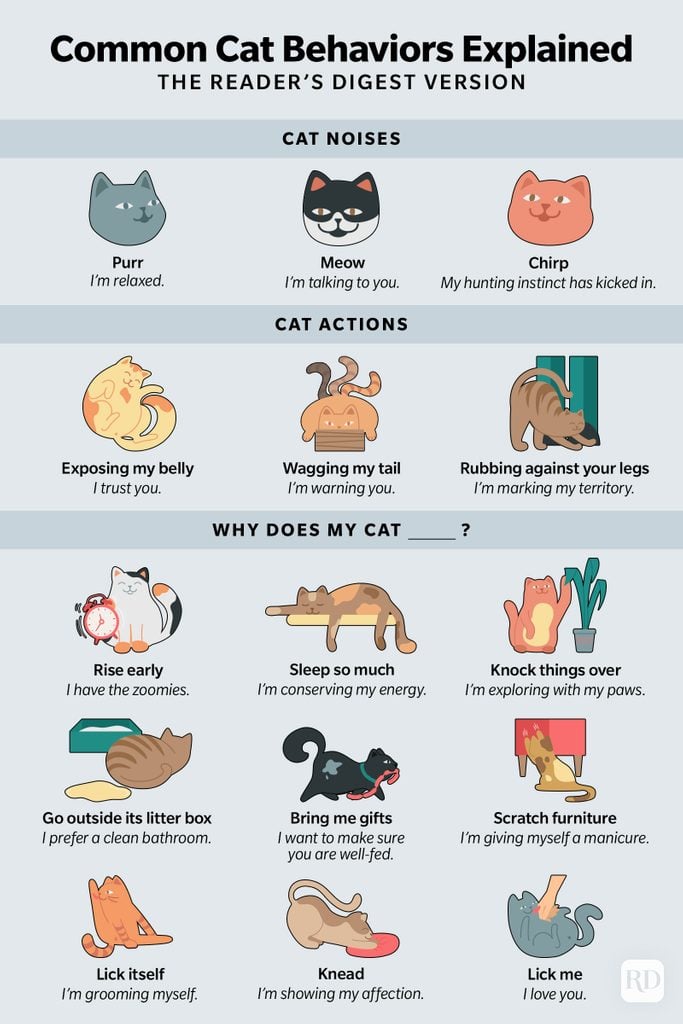
Credit: www.rd.com
Cat Grooming Instincts
Cats are known for their meticulous grooming habits. This behavior isn’t just about keeping clean; it stems from deeply rooted instincts. Understanding these instincts can help you see why your cat might extend this behavior to her toys.
Natural Cleaning Behavior
Cats spend a significant part of their day grooming themselves. This action helps remove dirt, loose fur, and potential parasites. Grooming also calms them and reinforces their scent, marking territory and identity.
Think about your cat’s daily routine. Does she lick her fur after playtime or naps? This natural cleaning habit is hardwired and essential for her well-being.
Extending Grooming To Toys
Your cat’s toys often become part of her “territory” and daily activities. She may treat them almost like another cat, licking or cleaning them as part of her routine. This behavior shows her attachment and care for these objects.
Have you noticed your cat rubbing her face or licking her favorite toy? This action helps transfer her scent, making the toy feel familiar and safe. It’s a way she manages her environment and reduces stress.
Next time your cat cleans her toys, watch closely. You might see a glimpse of her natural instincts at work, showing her connection to her world in a unique way.
Scent Marking And Territory
Understanding why your cat cleans her toys can be fascinating, especially when you consider the role of scent marking and territory. Cats have a strong need to make their environment feel secure and familiar. Cleaning toys is one way they claim these items as part of their personal space.
How Cats Use Scent
Cats have scent glands on their cheeks, paws, and even their tongues. When your cat rubs or licks her toys, she transfers her unique scent to them. This scent acts like a signature, signaling ownership to other cats and making the item feel safe and familiar to her.
Have you noticed your cat rubbing her face against furniture or even your hand? That’s her way of marking territory with scent. Cleaning toys serves a similar purpose—it’s a way of saying, “This belongs to me.”
Toys As Personal Items
Your cat’s toys aren’t just playthings; they are personal items tied to her sense of security. By cleaning these toys, your cat keeps her scent fresh and strong on them. This regular maintenance helps her feel more in control of her environment.
Think about how you treat your favorite possessions—maybe you clean your glasses or polish your shoes. Your cat’s behavior is similar, showing attachment and care for what she considers hers. If you want to strengthen your bond, giving her toys she can claim might make her more comfortable and happy.
Play And Hunting Simulation
Cats often clean their toys as part of their natural play and hunting behavior. This action is more than just fun. It helps them practice skills they need in the wild. Playtime becomes a way to simulate real hunting. They treat toys like real prey. This behavior supports their instincts and keeps them sharp.
Mimicking Prey Cleaning
Cats clean toys like they would clean caught prey. In the wild, cats remove dirt and debris from their catch. This keeps the prey fresh and safe to eat. When cats clean toys, they copy this action. It feels natural and satisfying to them. This mimicry connects play to survival skills.
Practice For Real Hunting Skills
Cleaning toys helps cats develop hunting skills. They learn patience and attention to detail. These skills are vital for catching real prey. The act of cleaning also strengthens their paws and claws. Play becomes a safe way to train and prepare. This practice builds confidence and sharpens instincts.
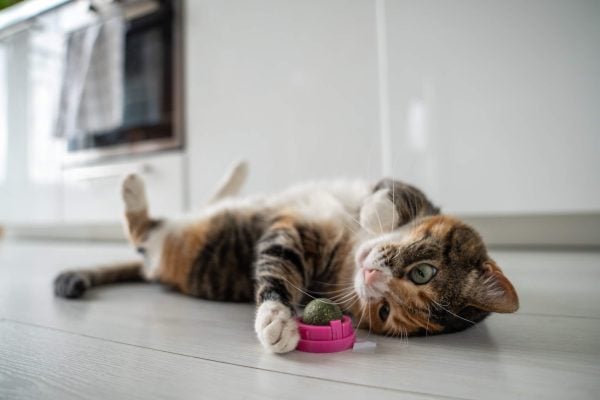
Credit: www.rover.com
Comfort And Security
Cats often clean their toys as a way to feel safe and calm. This behavior helps them create a cozy space. The act of cleaning offers comfort and a sense of control over their environment. It is a quiet moment that brings peace to their busy minds.
Soothing Rituals
Cleaning toys is a calming routine for cats. The gentle licking or biting mimics grooming habits. This familiar action reduces stress and anxiety. It helps cats relax after playing or exploring. These small rituals build a sense of order and safety in their world.
Toys As Comfort Objects
Toys can become special items that cats treasure. They offer a feeling similar to a security blanket. Cats often carry or clean these toys during times of change or fear. This behavior shows that toys provide emotional support. They help cats feel protected and less alone.
Health And Hygiene Reasons
Cats are meticulous creatures, often seen grooming themselves. This behavior extends to their toys. Cleaning toys may seem odd, but it has important health and hygiene reasons. Cats instinctively want to keep their environment clean and safe. Their grooming habits serve to maintain their health and well-being.
Removing Dirt And Debris
Toys can gather dirt and debris over time. When cats clean their toys, they are removing these particles. This prevents bacteria and germs from accumulating. A clean toy is less likely to cause illness. Cats use their tongues to scrub away dirt, much like they groom their fur.
Avoiding Parasites
Parasites can be a threat to your cat’s health. Cleaning toys helps reduce the risk of parasites. Cats can detect these tiny invaders and work to remove them. By grooming their toys, they create a safer play environment. This instinctive behavior helps protect them from potential harm.

Credit: www.reddit.com
Behavioral Signals
Cats use cleaning behaviors to send messages. Cleaning their toys is one way to show feelings and intentions. These actions are part of their natural signals to communicate with humans and other pets. Watching how your cat cleans her toys can reveal her mood and social needs.
Communication With Owners
Cats clean their toys to grab your attention. This behavior can mean they want to play or seek comfort. It shows trust and care toward you. When your cat cleans a toy near you, she shares a moment. It can also express pride in her belongings. This gentle act helps build a strong bond between you and your pet.
Social Interaction With Other Pets
Cleaning toys can send messages to other animals in the home. It marks the toy as hers, keeping other pets away. This action reduces conflicts over favorite items. It also shows her role in the social group. Sometimes, it invites play or signals calmness. This helps maintain peace and friendship among pets.
When To Be Concerned
Noticing your cat cleaning her toys might seem cute or harmless, but sometimes it signals something more serious. It’s important to recognize when this behavior shifts from normal grooming to a potential issue. Knowing what to watch for can help you decide if a vet visit or behaviorist consultation is needed.
Excessive Cleaning Signs
Does your cat spend hours each day obsessively cleaning her toys? Excessive grooming of objects, especially when it replaces play or interaction with you, can be a red flag. Look for signs like:
- Repeatedly licking or biting the same toy for long periods
- Ignoring food, water, or litter box needs
- Restlessness or agitation when not engaged with the toy
If these behaviors interrupt your cat’s normal routine, it might indicate an underlying problem rather than simple grooming.
Related Stress Or Anxiety
Stress can cause your cat to fixate on cleaning toys as a coping mechanism. Changes in the household, new pets, or loud noises might trigger this behavior. Have you noticed if your cat started cleaning her toys more after a move or the arrival of a new family member?
Addressing stress involves creating a calm environment and offering distraction with interactive play or puzzle feeders. If anxiety persists, consulting your vet can help you explore safe ways to ease your cat’s discomfort. Don’t overlook this behavior; it’s your cat’s way of communicating that something isn’t quite right.
Frequently Asked Questions
Why Does My Cat Lick Her Toys Often?
Cats lick their toys to clean them and remove dirt. This behavior mimics grooming and helps keep their environment safe. It also provides comfort and satisfies their natural instincts to care for their belongings.
Is Toy Cleaning A Sign Of Cat Affection?
Yes, when cats clean their toys, it shows affection and attachment. They treat toys like prey or companions, strengthening their bond with the objects they enjoy playing with.
Can Cleaning Toys Indicate Cat Stress Or Anxiety?
Sometimes, excessive cleaning of toys can signal stress or anxiety. It acts as a coping mechanism and helps cats feel secure. If overdone, monitor your cat for other stress signs and consult a vet if needed.
Do Cats Clean Toys To Mark Their Territory?
Yes, cats use saliva to mark toys with their scent. This helps establish ownership and deters other pets. It’s a natural way for cats to claim their favorite playthings.
Conclusion
Cats clean their toys to feel safe and comfortable. This behavior shows their natural instincts. Cleaning helps them keep toys free from dirt and germs. It also keeps their playthings fresh and inviting. Watching your cat clean toys can be quite charming.
It reflects how much they care about their things. Understanding this habit helps you connect better with your pet. So, next time your cat cleans her toys, remember it’s normal and healthy. It shows love and attention to her little world.




Leave a Reply