
If you have a long-haired cat, you know how beautiful—and challenging—their fur can be. Tangled mats, shedding, and dirt can quickly turn your cat’s coat into a mess.
But don’t worry, grooming your fluffy friend doesn’t have to be a struggle. With the right tips and tools, you can keep your cat’s fur soft, shiny, and healthy. Ready to learn how to make grooming easy and even enjoyable for both you and your cat?
Keep reading, and discover simple steps that will transform your grooming routine forever.
Choosing The Right Tools
Choosing the right tools is essential for grooming cats with long hair. The wrong equipment can cause discomfort or even damage your cat’s delicate fur. Picking the right combs, brushes, and sprays makes the process smoother for both you and your feline friend.
Combs And Brushes For Long Hair
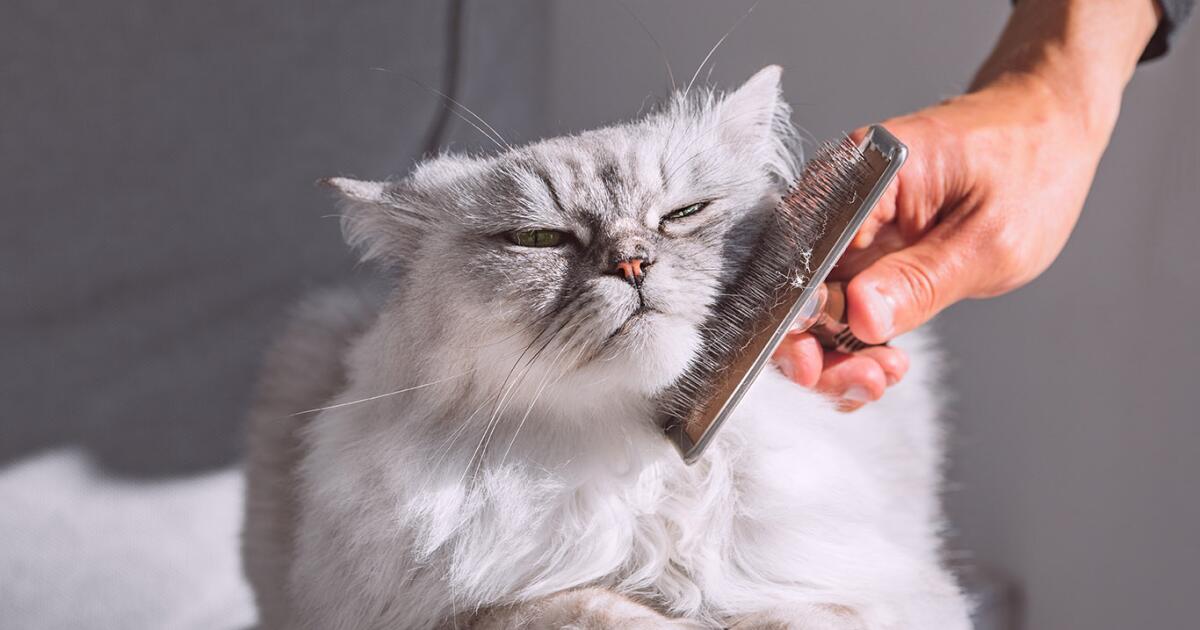
Long-haired cats need combs and brushes designed to reach deep into their thick coats. A wide-toothed comb helps gently work through tangles without pulling harshly. Meanwhile, a slicker brush removes loose fur and prevents matting effectively.
Look for tools with rounded tips to protect your cat’s sensitive skin. Some brushes come with ergonomic handles, making grooming less tiring for you. Have you noticed how your cat reacts differently to various brushes? That can guide you in choosing the best one.
Detangling Sprays And Grooming Gloves
Detangling sprays make combing easier by softening knots and reducing static. Choose sprays that are specifically made for cats to avoid skin irritation. A little spritz before brushing can save you from a frustrating grooming session.
Grooming gloves are another helpful tool, especially if your cat dislikes brushes. They allow you to remove loose hair by stroking naturally, which your cat may enjoy more. Have you tried gloves yet? They often turn grooming into a bonding moment rather than a chore.

Credit: catit.ca
Preparing Your Cat For Grooming
Preparing your long-haired cat for grooming is key to a smooth and stress-free experience. It’s not just about having the right tools; it’s about setting the stage so your cat feels safe and relaxed. Taking time to prepare helps prevent resistance and makes grooming easier for both of you.
Creating A Calm Environment
Choose a quiet spot with minimal distractions. Loud noises and sudden movements can startle your cat and make grooming a challenge. Soft lighting and a familiar space, like your cat’s favorite resting area, can help keep them calm.
Try playing gentle music or using a pheromone diffuser designed for cats. These subtle touches can reduce anxiety and create a peaceful atmosphere. Have all your grooming supplies within reach to avoid unnecessary interruptions.
Getting Your Cat Comfortable
Spend a few minutes petting your cat before you start grooming. Focus on areas they enjoy being touched, like behind the ears or under the chin. This builds trust and gets them used to your hands moving over their fur.
Introduce the grooming tools slowly. Let your cat sniff the brush or comb and reward them with treats or praise. This approach helps your cat associate grooming tools with positive experiences and reduces fear.
Have you noticed how your cat reacts to different textures? Some cats prefer soft brushes, while others tolerate combs better. Paying attention to their preferences can make grooming sessions shorter and more effective.
Brushing Techniques For Long Hair
Brushing your long-haired cat is more than a routine chore; it’s a chance to keep their coat shiny and healthy while bonding closely. The right techniques can prevent painful mats and reduce shedding around your home. Understanding how to approach brushing will make the experience calm and enjoyable for both you and your feline friend.
Detangling Knots Safely
Knots can form quickly in long fur, and pulling on them can hurt your cat. Start by gently separating the fur around the knot with your fingers to loosen it. Use a wide-toothed comb or a special detangling brush designed for pets to work through the tangle slowly.
If a knot is too tight, don’t force it. Try applying a small amount of pet-safe detangling spray to soften the fur before attempting to comb again. Have treats ready to reward your cat’s patience—this helps create a positive association with grooming.
Brushing Direction And Frequency
Brush your cat’s fur in the direction it naturally grows to avoid pulling and discomfort. Start from the head and move toward the tail, covering small sections at a time. This approach helps you spot any hidden mats or skin issues early.
Long-haired cats benefit from daily brushing to keep their coat free of tangles and loose hair. If your schedule is tight, aim for at least three times a week. How often do you think your cat needs brushing based on their activity and coat condition?
Bathing Tips For Long-haired Cats
Bathing a long-haired cat can feel like a challenge, but with the right approach, it becomes much easier. Your cat’s coat needs special care to stay clean and free from tangles after a bath. Understanding how to choose the right products and dry your cat properly can save you both stress and time.
Choosing The Right Shampoo
Not all shampoos are safe or effective for long-haired cats. Look for shampoos that are specifically formulated for cats, with gentle, natural ingredients. Avoid products with harsh chemicals or strong fragrances that can irritate your cat’s sensitive skin.
A shampoo designed to add moisture can help keep your cat’s fur soft and less prone to tangling. If your cat has skin issues, consider hypoallergenic or medicated shampoos recommended by your vet. Have you checked the label lately to ensure the shampoo suits your cat’s coat type?
Drying Methods To Prevent Matting
How you dry your cat after a bath is just as important as the wash itself. Start by gently patting your cat’s fur with a soft towel to remove excess water. Avoid rubbing vigorously, as this can cause tangles and discomfort.
Using a hairdryer on a low, cool setting can speed up drying, but many cats are scared of the noise. If your cat tolerates it, keep the dryer moving and maintain a safe distance to prevent overheating. Alternatively, allow your cat to air dry in a warm, draft-free room while brushing gently to prevent mats from forming.
Patience is key—if you rush the drying process, mats can develop quickly, making grooming harder later. Have you noticed how your cat’s fur behaves differently after a bath? Adjust your drying technique based on their comfort and coat condition.
Managing Mats And Tangles
Regular brushing helps prevent mats and tangles in long-haired cats. Gently work through knots with a comb to avoid hurting your cat. Patience and consistency keep their fur smooth and healthy.
Managing mats and tangles in cats with long hair can be a daunting task. These pesky knots not only cause discomfort to your feline friend but can also lead to skin issues if left unattended. With a little patience and the right techniques, you can keep your cat’s coat smooth and healthy.Using Clippers And Scissors Safely
When you encounter stubborn mats that refuse to budge, it might be time to bring out the clippers or scissors. Always ensure your tools are sharp and clean to prevent snagging. Secure your cat in a comfortable position, using treats or gentle stroking to keep them calm. Use scissors with rounded tips to carefully cut the mat away from the skin, or opt for a clipper designed for pets to shave the area gently. Never pull on the fur or cut too close to the skin. A steady hand and patience are your best allies. Have you ever thought about how sensitive your cat’s skin is compared to yours?Preventing Future Mats
Regular grooming is the key to preventing mats from forming. Brush your cat daily using a brush suited for long-haired breeds. Consider investing in a detangling spray to make the process smoother. Pay extra attention to areas where mats commonly form, like behind the ears and under the legs. Integrating grooming into your daily routine can strengthen your bond with your cat. Isn’t it amazing how just a few minutes a day can save hours of frustration later on? Keep your cat’s coat healthy with a balanced diet and regular vet check-ups. A healthy cat is less prone to tangles and mats. What will you change in your grooming routine today?Regular Grooming Schedule
Keeping a regular grooming schedule is essential for cats with long hair. It prevents mats, reduces shedding, and keeps their coat shiny and healthy. Setting aside dedicated time for grooming helps you catch any problems early before they become serious.
Daily And Weekly Routines
Daily grooming helps remove loose hairs and prevents tangles from forming. Spend 5-10 minutes gently brushing your cat’s fur each day. Use a wide-toothed comb or a slicker brush designed for long-haired cats to avoid pulling on their skin.
Once or twice a week, go deeper with a thorough grooming session. Check for mats, especially under the legs, around the neck, and near the tail. You can also trim any excess fur if your cat tolerates it, which helps reduce the risk of knots.
- Daily: Quick brushing to remove loose hair
- Weekly: Detailed combing and mat prevention
- Use tools suitable for long-haired cats
Monitoring Coat Health
While grooming, keep an eye on your cat’s skin and coat condition. Look for signs of irritation, dryness, or unusual bumps. These can indicate allergies, infections, or parasites.
Notice if your cat starts grooming less or if their fur looks dull. These changes often signal underlying health issues. Early detection through regular grooming can save you costly vet visits.
Have you ever discovered a hidden mat or skin problem during grooming? That moment highlights why sticking to a routine matters so much for your cat’s comfort and well-being.
Diet And Hydration’s Role
Diet and hydration play a crucial role in maintaining a long-haired cat’s coat. A healthy diet provides essential nutrients that keep fur soft and shiny. Proper hydration helps prevent dryness and tangling. Both are key to grooming success and overall feline health.
Foods That Support Coat Health
Proteins are the building blocks of a strong coat. Choose high-quality meat or fish-based cat food. Omega-3 and Omega-6 fatty acids help reduce shedding and improve shine. Look for ingredients like salmon oil or flaxseed. Vitamins A and E support skin health and hair growth. Avoid fillers like corn or soy, as they offer little nutritional value.
Importance Of Water Intake
Water keeps your cat’s skin hydrated from within. Dehydration can cause dry, brittle fur and itchy skin. Always provide fresh, clean water in a place your cat likes. Some cats prefer running water, so consider a cat water fountain. Wet cat food also contributes to hydration. Monitor your cat’s water intake regularly to prevent health issues.

Credit: catit.ca
When To Seek Professional Help
Grooming cats with long hair can be challenging. Their coats can tangle easily. Regular brushing helps, but sometimes, professional help is necessary. Knowing when to seek help can save your cat discomfort and health issues.
Signs Your Cat Needs A Groomer
- Frequent hairballs indicate excessive shedding.
- Matted fur can cause skin irritation.
- Overgrown nails might lead to painful walking.
- Dirty or smelly coat suggests a need for deep cleaning.
- Visible skin issues require expert attention.
Choosing The Right Grooming Service
Finding the right groomer ensures a positive experience. Check reviews online for customer feedback. Visit the salon first to evaluate cleanliness and professionalism. Ensure the groomer has experience with long-haired cats.
Ask about their grooming process. Some cats may need sedation for grooming. Make sure the groomer knows how to handle cats safely. Discuss the pricing upfront to avoid surprises. A good grooming service prioritizes your cat’s comfort and health.
Credit: www.latimes.com
Frequently Asked Questions
How Often Should I Groom My Long-haired Cat?
Long-haired cats need grooming at least 3 to 4 times a week. Regular brushing prevents mats and reduces shedding. Frequent grooming also keeps their coat healthy and shiny. It helps in early detection of skin issues or parasites.
What Tools Are Best For Grooming Long-haired Cats?
Use a wide-tooth comb, slicker brush, and grooming scissors. These tools help detangle, remove loose fur, and trim mats safely. Choose tools designed specifically for cats to avoid harming their delicate skin. Regular maintenance ensures comfort and effectiveness.
How Can I Prevent Mats In My Cat’s Fur?
Brush your cat daily to stop tangles from forming. Pay extra attention to areas like behind the ears and under the legs. Regular grooming sessions also help spot mats early. Keeping your cat clean and dry reduces mat risk.
Is It Safe To Bathe Long-haired Cats Regularly?
Bathing should be occasional, about once a month or as needed. Use cat-specific shampoo to avoid skin irritation. Ensure thorough drying to prevent chills. Regular brushing usually minimizes the need for frequent baths.
Conclusion
Grooming long-haired cats takes patience and care. Regular brushing keeps their fur soft and tangle-free. Use the right tools to make grooming easier. Pay attention to mats and gently remove them. Keep grooming sessions short and calm to reduce stress.
Clean their ears and trim nails carefully. Healthy grooming helps prevent skin problems and hairballs. Enjoy the bonding time with your furry friend. Consistent care makes your cat happy and comfortable. Your efforts show in their shiny, beautiful coat.



Leave a Reply