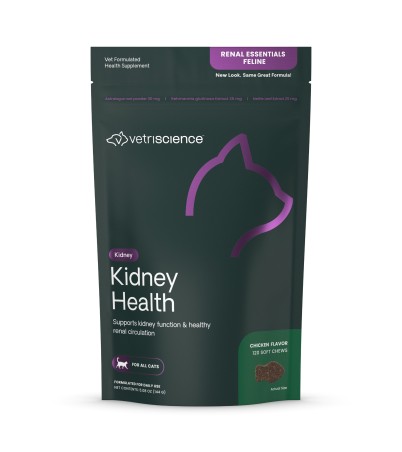
Your cat’s kidneys play a vital role in keeping them healthy and active. But did you know that many cats face kidney problems as they age?
If you want to help your furry friend live a longer, happier life, understanding what is good for your cat’s kidney health is key. You’ll discover simple, effective ways to support your cat’s kidneys every day. Keep reading to learn how small changes can make a big difference for your cat’s well-being.

Credit: www.amazon.com
Key Nutrients For Kidney Health
Keeping your cat’s kidneys healthy means paying close attention to the nutrients they get. The kidneys filter waste and balance fluids, so the right diet plays a huge role. Let’s break down the key nutrients that directly impact kidney health and how you can support your feline friend’s well-being.
Role Of Protein And Phosphorus
Protein is essential, but too much can strain your cat’s kidneys. Cats need protein for energy and muscle, but a controlled amount prevents extra waste buildup. Low-phosphorus diets also help because high phosphorus levels can worsen kidney damage.
Many kidney-supportive cat foods lower protein and phosphorus to ease kidney work. Have you noticed changes in your cat’s energy after switching to these diets? It’s a sign their kidneys may be under less stress.
Importance Of Hydration
Water is your cat’s best friend for kidney health. Proper hydration helps flush out toxins and supports normal kidney function. Cats often don’t drink enough on their own, so wet food or adding water to meals can make a big difference.
Think about how often you remind your cat to drink water. Would you try a pet fountain or more wet food to keep those kidneys happy?
Vitamins And Minerals Support
Certain vitamins and minerals protect kidney cells and improve overall function. Vitamin B complex supports energy metabolism, while antioxidants like vitamin E fight cell damage. Minerals such as potassium and sodium must be balanced carefully to avoid extra strain.
Supplements or specially formulated diets can provide these nutrients in the right amounts. Have you checked if your cat’s food covers these essentials or if a vet-recommended supplement could help?
Best Foods For Kidney Support
Supporting a cat’s kidney health starts with choosing the right foods. Cats with kidney issues need diets that reduce kidney workload and improve overall well-being. The best foods for kidney support focus on low protein, phosphorus, and sodium levels. These help protect kidney function and slow disease progression.
Feeding your cat with kidney-friendly options can make a big difference. Options include specially formulated commercial diets, homemade meals, and knowing which foods to avoid. Each choice impacts your cat’s health and comfort.
Commercial Renal Diets
Commercial renal diets are made for cats with kidney problems. They have controlled protein and phosphorus levels to reduce kidney strain. These diets contain added omega-3 fatty acids to support kidney health. Most are available as wet or dry food. Consult your vet before switching to a renal diet. These foods help maintain energy and reduce toxin buildup.
Homemade Meal Ideas
Homemade meals give control over ingredients. Use high-quality, easily digestible proteins like boiled chicken or turkey. Add small amounts of cooked white rice or pumpkin for fiber. Keep phosphorus low by avoiding organ meats and fish. Include healthy fats such as fish oil for omega-3s. Always check with your vet to balance nutrients. Homemade meals must meet all dietary needs to support kidney health.
Foods To Avoid
Avoid foods high in phosphorus and protein. Examples include red meat, liver, and fish like tuna and salmon. Stay away from salty snacks and processed foods. Dairy products can also strain kidneys. Avoid raw diets unless approved by your vet. These foods increase kidney workload and may worsen kidney damage. Stick to kidney-friendly options to keep your cat healthy.
Hydration Strategies For Cats
Keeping your cat well hydrated is key to supporting kidney health. Cats naturally drink less water than other animals, which can stress their kidneys. Simple strategies can help increase water intake and reduce kidney strain.
Encouraging Water Intake
Place multiple water bowls around your home. Cats prefer fresh, clean water. Change the water daily to keep it appealing. Some cats like water at room temperature. Others prefer it cool. Try different spots and temperatures. Adding a little flavor, such as low-sodium chicken broth, can make water more inviting.
Wet Vs Dry Food Benefits
Wet food has high moisture content, which helps hydrate cats naturally. It can reduce the risk of urinary issues and kidney problems. Dry food is convenient but contains less water. Feeding a mix of wet and dry food balances hydration and nutrition. Wet food also encourages cats to eat more water indirectly.
Using Water Fountains
Water fountains provide flowing water that many cats find attractive. The movement keeps water fresh and oxygenated. Fountains can encourage cats to drink more often. They come in different sizes and styles to fit any home. Cleaning the fountain regularly prevents bacteria build-up and keeps water tasty.

Credit: www.vetriscience.com
Lifestyle Tips To Protect Kidneys
Protecting your cat’s kidneys starts with daily care and simple lifestyle choices. Healthy kidneys filter waste and keep your cat feeling good. Small steps can make a big difference. Focus on habits that support kidney health over time.
Regular Vet Checkups
Schedule vet visits twice a year. Early tests catch kidney problems before symptoms appear. Your vet can recommend blood and urine tests. These help track kidney function and spot issues early. Follow your vet’s advice on diet and care.
Weight Management
Keep your cat at a healthy weight. Obesity strains the kidneys and other organs. Feed balanced meals and avoid extra treats. Encourage play and exercise daily. A fit cat has a better chance to maintain kidney health.
Stress Reduction Techniques
Stress harms your cat’s body, including kidneys. Create a calm, safe environment at home. Use quiet spaces and soft bedding. Offer toys and gentle play to keep your cat relaxed. Routine and attention help lower stress levels.
Early Signs Of Kidney Problems
Understanding early signs of kidney problems in cats is crucial. Early detection helps manage and improve their health. Cats often hide discomfort, making it hard to notice issues. Recognizing subtle signs can make a big difference.
Behavioral Changes
Cats may show changes in behavior. They might become less active or more withdrawn. You may notice them sleeping more than usual. Increased irritability or vocalization can also be signs. Pay attention to any sudden shifts in their habits.
Physical Symptoms
Physical symptoms often accompany kidney problems. Increased thirst or urination may indicate issues. Weight loss without a diet change is another sign. Cats might experience vomiting or diarrhea. Unkempt fur or bad breath are also warning signs.
When To Seek Veterinary Care
Seek veterinary care if you notice these signs. Early diagnosis can prevent further complications. Regular check-ups are key for monitoring kidney health. Consult a vet if your cat’s behavior or health changes suddenly.
Supplements And Treatments
Supporting your cat’s kidney health with the right supplements and treatments can make a real difference in their quality of life. Each cat responds differently, so understanding the options helps you choose what fits best for your furry friend. Let’s look at some common supplements, prescription medications, and alternative therapies that can aid kidney function.
Common Kidney Supplements
Supplements often provide essential nutrients that support kidney function and slow down damage. Omega-3 fatty acids, found in fish oil, help reduce inflammation and improve blood flow to the kidneys. Antioxidants like vitamin E and C protect kidney cells from damage caused by free radicals.
Phosphorus binders are another supplement category; they help control phosphorus levels in your cat’s blood, which is crucial for kidney health. Have you noticed how some supplements can make a difference in your cat’s energy and appetite? That’s often a sign the kidneys are getting some relief.
Prescription Medications
When kidney disease progresses, vets may prescribe medications to manage symptoms and slow the disease. Drugs that control blood pressure, such as ACE inhibitors, reduce strain on the kidneys. Erythropoietin-stimulating agents can address anemia caused by kidney failure, improving your cat’s vitality.
Some medications help manage protein loss through the kidneys or correct electrolyte imbalances. Always follow your vet’s guidance carefully—improper use of these drugs can cause harm. Have you ever wondered why your vet adjusts medications over time? It’s because kidney disease changes and treatment needs to adapt.
Alternative Therapies
Some cat owners turn to alternative therapies like acupuncture or herbal remedies to support kidney health. Acupuncture may help by improving circulation and reducing pain, but it should be done by a professional familiar with feline care. Herbs like Astragalus and Rehmannia are thought to support kidney function, but always consult your vet before trying them.
Dietary changes combined with supplements can also be seen as an alternative approach, focusing on natural ways to ease kidney workload. Have you considered how gentle therapies might complement traditional treatments? They might offer your cat comfort alongside medical care.

Credit: www.vetriscience.com
Frequently Asked Questions
What Foods Support Cats’ Kidney Health?
Wet food with high moisture helps flush toxins. Low protein and phosphorus diets reduce kidney strain. Omega-3 fatty acids from fish oil improve kidney function. Always consult a vet before changing diets.
How Can Hydration Improve My Cat’s Kidney Health?
Proper hydration aids toxin removal and kidney function. Encourage water intake with wet food or water fountains. Dehydration worsens kidney disease, so monitor water consumption closely.
What Are Common Signs Of Kidney Problems In Cats?
Symptoms include increased thirst, frequent urination, weight loss, and lethargy. Early detection improves treatment outcomes. Visit a vet if these signs appear.
Can Supplements Help Maintain Cat Kidney Health?
Certain supplements like omega-3s and antioxidants support kidney function. Always use vet-recommended products. Supplements should complement, not replace, proper diet and care.
Conclusion
Caring for your cat’s kidney health is very important. Feeding a balanced diet helps keep kidneys strong. Fresh water should always be available for your cat. Regular vet visits catch kidney issues early. Watch for changes in your cat’s behavior or eating habits.
Small steps make a big difference in health. Healthy kidneys mean a happier, longer life for your cat. Keep these tips in mind to support your cat’s well-being every day.




Leave a Reply