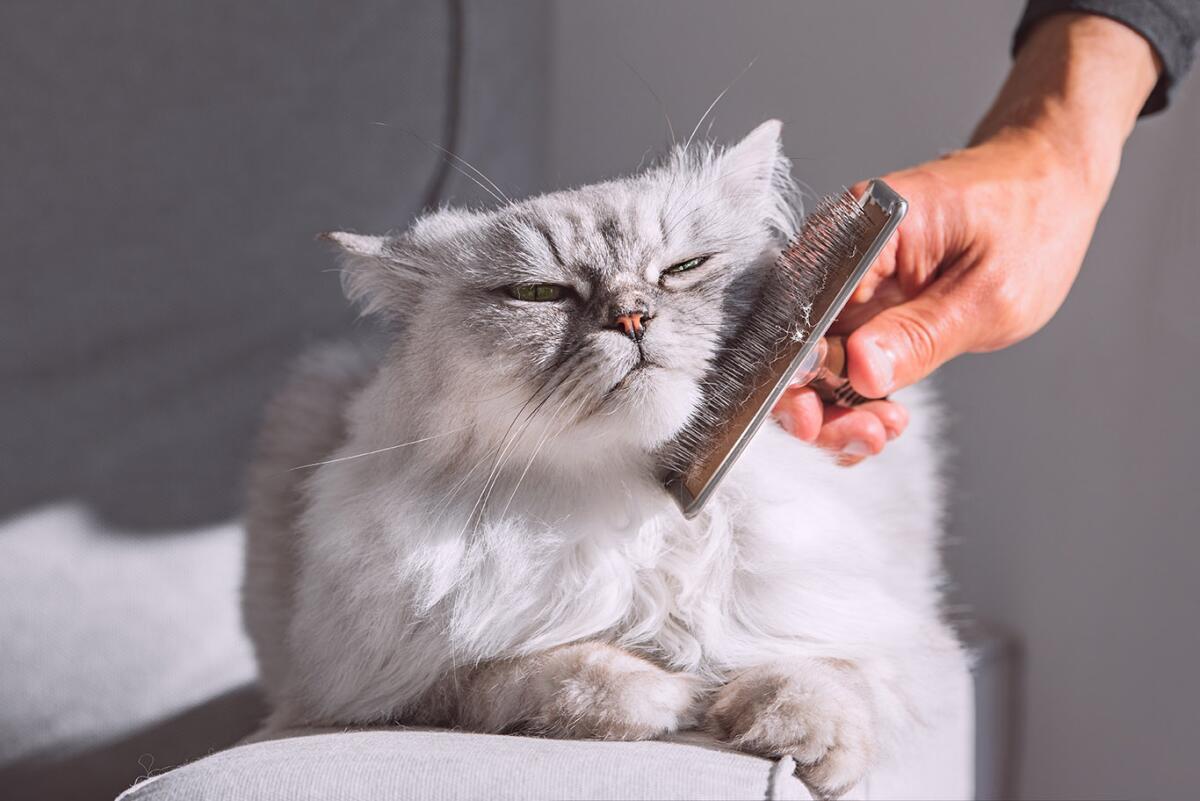
Grooming your cat might seem like a challenge, but it doesn’t have to be. You want your furry friend to look and feel their best, and regular grooming is key to that.
Imagine a cat that’s not only clean and shiny but also happy and comfortable. Wouldn’t you love to know the simple steps to make grooming stress-free for both of you? Keep reading, and you’ll discover easy tips and tricks that will turn grooming time into a bonding moment you both look forward to.

Credit: services.petsmart.com
Preparing Your Cat For Grooming
Getting your cat ready for grooming is more than just having the right tools. It involves preparing your cat’s mind and body to make the experience as smooth as possible. Taking time to prepare can reduce stress for both you and your cat, turning grooming into a positive routine instead of a struggle.
Choosing The Right Time
Pick a moment when your cat feels relaxed, like after a nap or a meal. Avoid times when your cat is overly energetic or hungry, as they may be less cooperative. Pay attention to your cat’s natural rhythms—some cats calm down in the evening, while others are more settled in the morning.
Have you noticed your cat’s behavior change throughout the day? Use those observations to plan grooming sessions that fit their mood, not just your schedule.
Creating A Calm Environment
Set up a quiet, comfortable space free of distractions and loud noises. Soft lighting and a familiar blanket or towel can help your cat feel safe. Speak softly and move slowly to avoid startling them.
A calm environment isn’t just about silence; it’s about making your cat feel in control. Let your cat explore the grooming area before you start. This small step can ease anxiety and build trust.
Gathering Essential Grooming Tools
Have all your tools ready and within reach to avoid leaving your cat unattended. Essential items include a gentle brush suited to your cat’s fur type, nail clippers, and pet-friendly wipes. If your cat has sensitive skin, consider a comb with rounded edges.
Remember to choose tools that feel comfortable in your hand. Using the right tools makes grooming quicker and less stressful for both of you.
Brushing Techniques For Different Coats
Brushing your cat’s coat is more than just a grooming task—it’s a way to keep their skin healthy, reduce shedding, and strengthen your bond. Different coat types need different approaches to brushing, so understanding these techniques can make grooming easier for both you and your cat. Let’s look at how to brush cats with short and long hair, and what to do when mats and tangles appear.
Short-haired Cats
Short-haired cats usually have smooth, dense fur that requires gentle but regular brushing. Use a soft-bristle brush or a rubber grooming mitt to remove loose hair and dirt. Brushing for five minutes a couple of times a week is enough to keep their coat shiny and healthy.
Pay attention to areas like the neck, behind the ears, and under the chin where dirt can build up. If your cat seems restless, try brushing during a calm moment or after a play session to make it a pleasant experience.
Long-haired Cats
Long-haired cats need more frequent grooming to prevent hairballs and mats. Use a wide-toothed comb first to gently work through any tangles, then follow with a slicker brush to smooth the coat. Brush daily, especially around the chest, belly, and tail where hair tends to tangle the most.
Be patient and gentle; pulling too hard can hurt your cat and make them avoid grooming sessions. If your cat enjoys it, try brushing when they’re relaxed, like on your lap or near a sunny window.
Dealing With Mats And Tangles
Mats can be painful and uncomfortable for your cat, so it’s important to tackle them carefully. Use a detangling spray made for pets and a wide-toothed comb to gently loosen mats starting from the edges. Never pull hard or cut mats yourself, as this can injure your cat.
If a mat is too tight, try to distract your cat with treats or a favorite toy while you work slowly. For stubborn mats, consider visiting a professional groomer to avoid causing stress or pain to your feline friend.
Bathing Tips For Cats
Bathing your cat can be a challenging task, but with the right approach, it can become a manageable part of your grooming routine. Knowing when and how to bathe your feline friend helps keep their coat clean and healthy without causing stress. Let’s dive into some practical tips to make bath time easier for both you and your cat.
When To Bathe Your Cat
Not all cats need regular baths. Most cats groom themselves effectively, so bathing is usually necessary only if your cat gets into something sticky, smelly, or harmful.
Consider bathing your cat if they have:
- Sticky or oily substances on their fur
- Fleas or skin infections that require medicated baths
- Allergies or skin conditions as advised by your vet
Ask yourself: Is your cat’s coat visibly dirty or causing discomfort? If not, brushing might be enough to keep your cat fresh.
Step-by-step Bathing Process
Preparing ahead is key. Gather all your supplies — cat shampoo, a cup for rinsing, towels, and a non-slip mat.
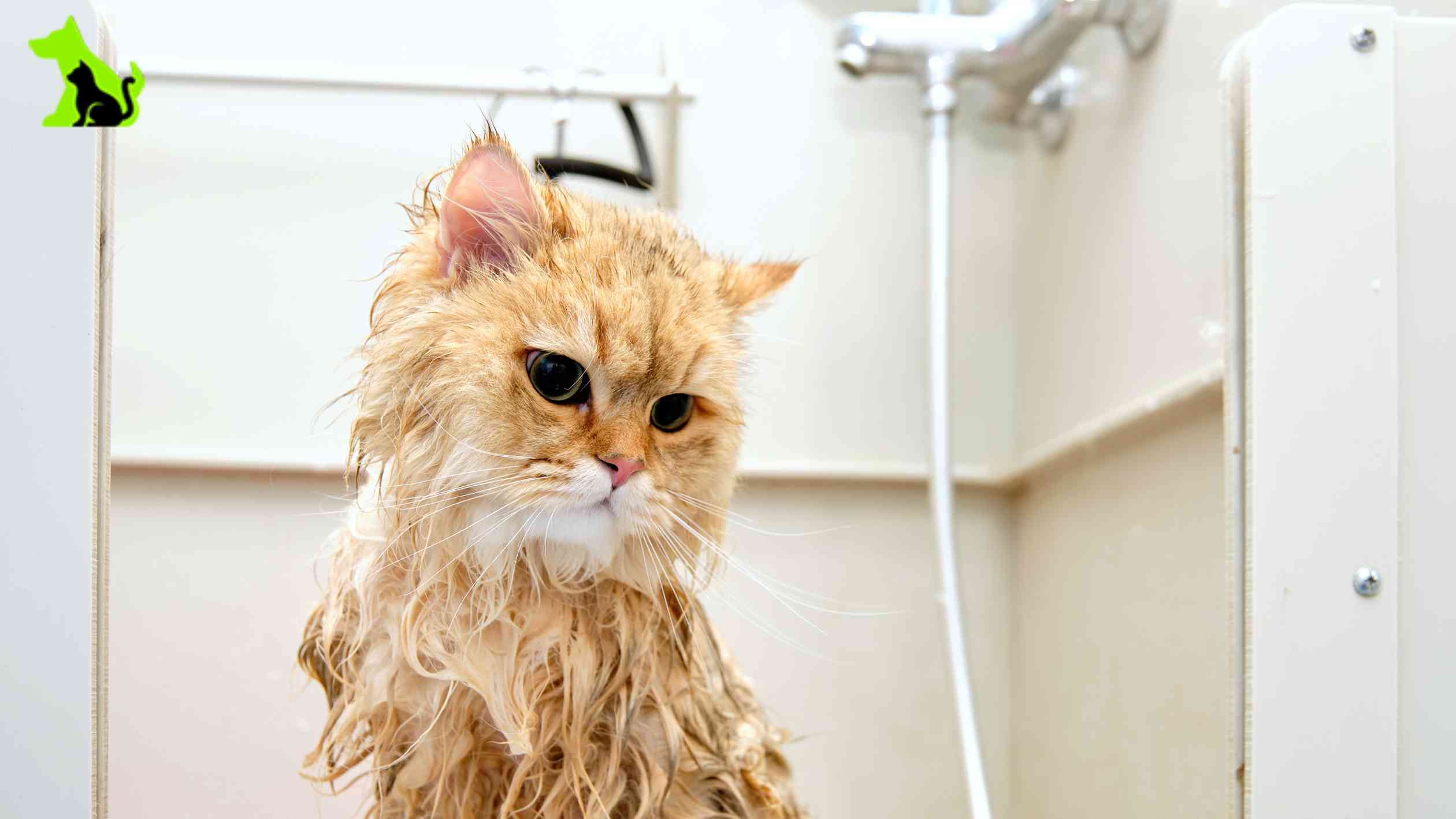
Use lukewarm water and fill the sink or tub with just a few inches of water. Wet your cat gently using a cup or a sprayer designed for pets.
- Apply a small amount of cat-specific shampoo and lather carefully, avoiding their eyes and ears.
- Rinse thoroughly to remove all shampoo residue, as leftover soap can irritate your cat’s skin.
- Speak softly to calm your cat throughout the process; your tone can make a big difference.
Have you noticed how your cat reacts to water temperature or the sound of running water? Adjust accordingly to keep them relaxed.
Drying Your Cat Safely
After the bath, wrap your cat in a warm, absorbent towel. Pat them dry gently instead of rubbing, which can tangle their fur.
If your cat tolerates it, use a hairdryer on the lowest heat and noise setting. Keep the dryer moving and maintain a safe distance to avoid burns.
Give your cat a quiet, warm space to finish drying. Offering treats during and after drying can build positive associations with bath time.
How does your cat respond to different drying methods? Observing their comfort helps you choose the safest and least stressful option.
Credit: hellopetsinc.com
Nail Trimming Made Easy
Trimming your cat’s nails keeps them healthy and protects your furniture. It can seem tricky at first, but it becomes simple with the right tools and approach. Patience and calmness help your cat feel safe during nail trimming.
Selecting The Right Clippers
Choose clippers designed for cats. Small, sharp nail scissors or guillotine-style clippers work best. Avoid human nail clippers as they can crush the nail. Look for clippers with a comfortable grip and safety guard. This prevents cutting too deep into the quick.
How To Trim Without Stress
- Pick a quiet time when your cat is relaxed.
- Hold your cat gently but firmly on your lap.
- Press the paw pad softly to extend the nail.
- Trim only the sharp tip, avoiding the pink quick inside.
- Speak softly and offer treats after each paw.
- Stop if your cat becomes restless and try later.
Handling Common Nail Issues
Watch for dark nails, which hide the quick. Trim small bits at a time to avoid cutting too far. If you accidentally cut the quick, apply styptic powder or cornstarch to stop bleeding. Check nails regularly for cracks or splits. If nails are too long or curling, trim more frequently to prevent pain.
Cleaning Ears And Eyes
Gently wipe your cat’s eyes with a damp cloth to remove dirt and discharge. Clean ears using a cotton ball moistened with a vet-approved solution, avoiding deep insertion. Regular care keeps your cat comfortable and healthy.
Cats are independent creatures. Yet, they need help with grooming. Cleaning their ears and eyes is essential for their health. These areas can collect dirt and bacteria. Regular cleaning prevents infections and discomfort.Safe Ear Cleaning Practices
Cats’ ears are sensitive. Use a soft cloth or cotton ball. Dampen it with warm water. Gently wipe the outer ear. Avoid inserting anything into the ear canal. This can cause harm. Ear cleaning solutions are available. Ensure they are cat-safe. Consult a vet for recommendations. Check the ears weekly for wax buildup.Managing Eye Discharge
Eye discharge is common in cats. Use a soft, damp cloth. Gently wipe the discharge away. Always use a clean part of the cloth for each eye. Avoid using the same cloth for both eyes. This prevents cross-contamination. If discharge persists, seek veterinary advice.Signs Of Infection To Watch For
Infections can occur despite regular cleaning. Look for redness or swelling. An unpleasant odor might indicate infection. Excessive scratching or rubbing is a warning sign. Discolored discharge needs attention. If you notice any of these, consult a vet. Early detection ensures better treatment.Reducing Grooming Stress
Grooming your cat can be a challenging task if your feline friend feels anxious or scared. Reducing grooming stress is key to making the experience smoother for both of you. By understanding your cat’s reactions and using gentle techniques, you can turn grooming into a calm and even enjoyable routine.
Using Treats And Positive Reinforcement
Reward your cat with their favorite treats during and after grooming sessions. This creates a positive connection with the activity. Try giving small treats at the start, middle, and end of grooming to keep your cat motivated.
Speak softly and praise your cat to build trust. Positive reinforcement helps your cat associate grooming with good feelings, making them more cooperative over time. Have you noticed how your cat perks up when they get a treat? Use that to your advantage!
Recognizing Cat’s Body Language
Pay close attention to your cat’s body language to avoid causing stress. Signs like flattened ears, twitching tail, or wide eyes indicate discomfort. If you see these signals, pause and give your cat a break.
Understanding these cues lets you adjust your approach before your cat becomes upset. You might need to groom in shorter sessions or change your technique. How well do you read your cat’s silent messages?
When To Seek Professional Help
Some cats resist grooming no matter what you try. If your cat becomes aggressive or overly stressed, it might be time to consult a professional groomer or veterinarian. Experts have tools and experience to handle difficult cases safely.
Professional groomers can also advise you on the best grooming schedule and products for your cat’s specific needs. Don’t hesitate to ask for help if grooming turns into a struggle. Your cat’s comfort and safety come first.

Credit: catit.ca
Frequently Asked Questions
How Often Should I Groom My Cat?
Cats should be groomed at least once a week. Long-haired cats need daily grooming. Regular grooming prevents mats and reduces shedding.
What Tools Do I Need For Cat Grooming?
Basic grooming tools include a slicker brush, comb, nail clippers, and grooming wipes. Choose tools suitable for your cat’s coat type.
Can I Groom My Cat At Home Safely?
Yes, home grooming is safe with patience and the right tools. Start slowly and reward your cat to build trust.
When Should I Seek Professional Cat Grooming Services?
Seek professionals if your cat has severe mats, skin issues, or if you’re uncomfortable grooming. Pros have expertise and special equipment.
Conclusion
Grooming your cat helps keep them healthy and happy. Regular brushing removes dirt and loose fur. It also prevents hairballs and skin problems. Use gentle tools and stay calm to avoid stress. Small, frequent sessions work better than long ones.
Always reward your cat with treats or praise. A clean cat feels comfortable and looks great. Start grooming early to build trust and routine. Your effort shows love and care for your pet. Keep these tips in mind for easy grooming days ahead.




Leave a Reply