
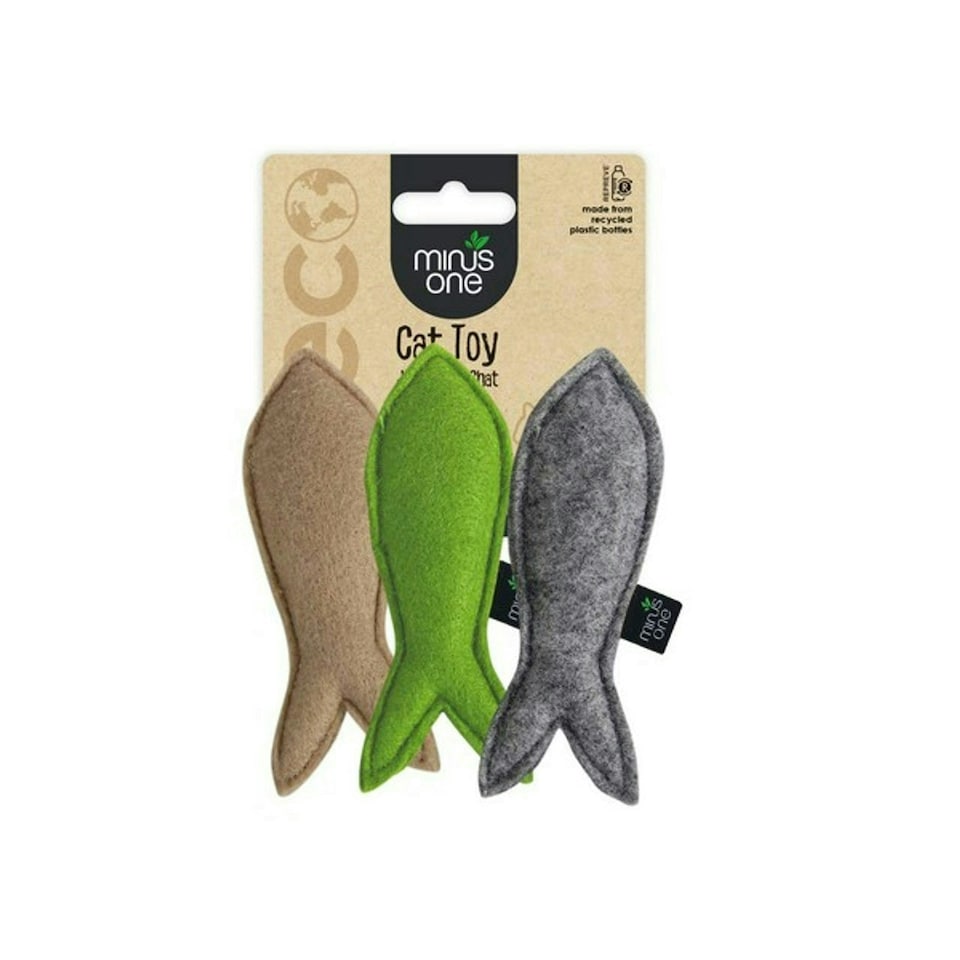
If you want to keep your cat happy and entertained, making a felt fish-shaped toy is a perfect idea. You’ll not only save money but also create something special that your cat will love.
Imagine your furry friend chasing, batting, and pouncing on a toy you made with your own hands. This guide will show you simple steps to make a safe and fun cat toy that looks just like a little fish. Ready to see your cat’s eyes light up with joy?
Let’s get started!
Credit: www.tesco.com
Materials Needed
Gathering the right materials is key to making a fun and safe felt fish cat toy. Choosing quality supplies ensures the toy lasts longer and keeps your cat engaged. Keep the list simple and easy to find at craft stores or online.
Choosing The Felt Fabric
Select felt that is soft and non-toxic for your cat’s safety. Wool felt is durable but a bit pricey. Acrylic felt is affordable and widely available. Pick bright colors like blue, green, or orange to catch your cat’s eye. Avoid stiff or scratchy fabrics that can irritate your pet.
- Soft wool or acrylic felt sheets
- Bright, contrasting colors
- Non-toxic and pet-safe material
- Medium thickness for easy cutting and sewing
Additional Supplies
Besides felt, you need a few more items for crafting and finishing the toy. Use sharp scissors for clean cuts. Thread that matches or contrasts adds a nice look. Fill the toy with cat-safe stuffing or dried catnip to make it fun and soft. A needle or glue will help you assemble the pieces securely.
- Sharp fabric scissors
- Strong sewing thread
- Hand sewing needle or fabric glue
- Polyester stuffing or dried catnip
- Optional: small beads or embroidery floss for eyes
Preparing The Pattern
Preparing the pattern is a key step in making a felt fish-shaped cat toy. It ensures the pieces fit well and the final toy looks attractive. A clear pattern helps cut the felt accurately and saves time during assembly.
Start by planning the fish shape on paper. This pattern guides the cutting process and gives the toy a neat finish. Keep the size suitable for your cat to play with safely.
Drawing The Fish Shape
Use plain paper or cardstock to draw the fish shape. Keep the design simple with a rounded body and tail. Avoid sharp edges to make sewing easier and safer for your cat.
Draw the fish larger than the final size. This allows space for sewing seams. Use a pencil for easy corrections. Check the shape from all angles to keep it balanced.
Cutting The Felt Pieces
Place the paper pattern on the felt fabric. Pin it in place to stop slipping. Use sharp scissors to cut around the pattern carefully. Cut two identical pieces for the front and back of the fish.
Cut additional small shapes for eyes or fins if you want extra details. Keep all pieces neat and clean for easy sewing. Arrange the felt pieces to avoid mistakes while stitching.
Sewing The Toy
Sewing the fish-shaped cat toy brings your project to life. This step requires careful stitching to shape the toy and keep the stuffing secure. Use strong thread and a needle suitable for felt fabric. Take your time to sew neat and even seams. This creates a durable toy that your cat will enjoy.
Stitching Techniques
Choose a simple stitch to join the felt pieces. The blanket stitch works well around curves and edges. It keeps the fabric from fraying and adds a nice look. The running stitch is faster and good for straight edges. Make small, even stitches about 1/8 inch apart.
Keep the fabric flat and avoid puckering. Pull the thread tight but not too tight. This stops the felt from bunching up. Backstitch at the start and end to secure your sewing.
Adding Details
Details give the fish character and catch your cat’s eye. Sew on small felt pieces for fins and eyes. Use contrasting colors to make these parts stand out. Embroider simple lines or dots with embroidery floss to add texture.
Stuff the toy gently with polyester fiberfill. Fill enough to keep the shape but keep it soft. Sew the final edge closed carefully to hide the stuffing inside. Check all seams are tight to avoid stuffing escape.
Stuffing The Toy
Stuffing your felt fish toy is a crucial step that brings it to life. The right filling not only shapes the toy but also affects its durability and how your cat interacts with it. Let’s dive into how to pick the best filling and secure your toy properly.
Choosing The Filling
Think about what your cat enjoys. Some cats love soft toys they can cuddle, while others prefer something a bit firmer to bite and toss around.
Common filling options include:
- Polyester fiberfill:Soft, lightweight, and easy to work with. It gives the toy a plush feel that many cats love.
- Catnip-stuffed pellets:Add these inside or mixed with fiberfill to make the toy irresistible.
- Fabric scraps:A budget-friendly option that adds weight and texture but may wear out faster.
Have you considered how the filling affects your cat’s play style? A firmer stuffing might last longer if your cat is rough, while softer stuffing is great for gentle play.
Securing The Opening
After stuffing, closing the opening neatly is key to keeping the filling inside during play. You want a strong, tidy finish that won’t unravel after a few pounces.
Try these techniques:
- Slip stitch:This invisible stitch creates a clean edge and holds the stuffing securely.
- Whip stitch:Easy to do and strong enough for most cat toys, though stitches are visible.
- Fabric glue:Useful for quick fixes but less durable than stitching.
Think about your sewing skills and how much wear the toy will get. Would a hand-sewn finish or a glued seam last longer for your furry friend?
Adding Catnip
Sprinkle catnip inside the felt fish to attract your cat’s attention and encourage play. Use a small amount to keep the scent fresh and enticing. This simple addition makes the toy more fun and engaging for your pet.
Adding catnip to your felt fish-shaped cat toy can turn a simple plaything into an irresistible delight for your feline friend. Catnip, a plant from the mint family, often drives cats wild with joy. It can enhance playtime, offering a fun and exciting experience for your pet. But how do you add catnip safely and effectively?Benefits For Cats
Catnip can stimulate your cat’s playfulness and encourage exercise, which is essential for their physical health. Cats experiencing catnip often exhibit behaviors like rolling, purring, or playful pouncing, turning your DIY felt fish into a source of great entertainment. It’s a simple way to provide enrichment and reduce boredom, especially for indoor cats.Incorporating Catnip Safely
To ensure your cat’s safety, use only dried, organic catnip. Fill a small pouch with catnip and sew it securely inside the felt fish. This prevents any loose catnip from spilling out and makes sure your cat doesn’t consume too much in one go. While adding catnip, consider how your cat typically reacts. Some cats are more sensitive than others, so start with a small amount and observe their response. Have you ever wondered why some cats go crazy for catnip while others don’t? It’s fascinating that a genetic trait determines sensitivity to catnip, affecting about 50-70% of cats. By tailoring the amount of catnip to your cat’s preference, you can create a custom toy that fits their unique personality.Finishing Touches
Finishing touches bring your felt fish toy to life. They add personality and make it safe for your cat. Small details create a more fun and lasting toy. Focus on appearance and strength to complete your project.
Decorating The Fish
Use simple shapes like circles or stripes to decorate the fish. Felt scraps work well for eyes, fins, and scales. Sew or glue these pieces carefully onto the fish body. Use embroidery thread to add texture and small details. Choose bright colors to make the toy eye-catching for your cat. Avoid small parts that can come off easily.
Ensuring Durability
Strong stitching keeps the toy from falling apart. Use tight, even stitches around all edges. Double stitch stress points like the tail and fins. Fill the toy with cat-safe stuffing to keep shape but not too firm. Consider adding a small bell or catnip inside for extra fun. Test the toy gently to ensure all parts are secure. Trim loose threads to avoid any choking hazards.
Safety Tips
Creating a felt fish-shaped cat toy is a fun project, but safety should always be your top priority. Ensuring your feline friend stays safe while playing means choosing the right materials and keeping an eye on playtime. Let’s dive into some practical tips to keep your cat both entertained and protected.
Safe Materials For Pets
Not all felt or stuffing materials are safe for cats. Choose non-toxic, pet-friendly felt that won’t shed fibers easily. Natural wool felt is a great option because it’s durable and less likely to cause allergies.
Avoid small parts that can be swallowed, like tiny beads or buttons. Instead, use embroidery thread or securely sewn-on felt shapes to add details. Think about what your cat might chew off and swallow—prevention is key.
Supervising Playtime
Even the safest toy can become a hazard without supervision. Watch your cat closely while they explore the new toy, especially the first few times. This helps you spot any signs of wear or parts coming loose.
Have you ever noticed how quickly cats can turn a harmless toy into a chewable mess? Keeping an eye on playtime lets you intervene before pieces break off and become choking hazards.
When you’re not around, store the toy out of reach. This simple step prevents unsupervised play that could lead to accidents. Your cat will enjoy the toy more when you’re there to engage and keep things safe.

Credit: www.amazon.com
Customization Ideas
Choose colorful felt and simple shapes to make a fun fish-shaped cat toy. Sew small details like fins and eyes for a personal touch. Stuff with catnip to keep your pet interested and happy.
Customization ideas can transform a simple felt fish cat toy into a unique plaything. Personalizing these toys can enhance playtime for your feline friend. Explore various color choices and interactive elements to make your creation special.Color Variations
Choosing the right colors can make your toy visually appealing. Bright colors like red and blue attract a cat’s attention. Soft pastels provide a soothing look. Use contrasting colors for added interest. Patterns like stripes or polka dots add personality. Consider your cat’s preferences for a truly customized toy.Adding Interactive Elements
Enhance your felt fish toy with engaging features. Add a bell inside for a surprising sound. Attach feathers to mimic real fish movement. Sew a pocket to hide treats. Use crinkly materials for an intriguing texture. Small, safe mirrors can catch a cat’s eye. These elements make playtime more exciting.
Credit: smart.dhgate.com
Frequently Asked Questions
How Do I Start Making A Felt Fish Cat Toy?
Begin by gathering felt sheets, scissors, stuffing, and thread. Cut felt into fish shapes, sew edges leaving a gap for stuffing. Fill with stuffing, then sew the gap closed. Add details like eyes or fins with thread or fabric glue.
What Materials Are Best For Felt Fish Toys?
Use wool or acrylic felt for durability and softness. Opt for non-toxic stuffing like polyester fiberfill. Choose embroidery thread or fabric glue for decorations. Avoid small parts that may pose choking hazards for cats.
How Long Does It Take To Make One Toy?
Making a felt fish cat toy usually takes 30 to 60 minutes. Time varies based on sewing skill and decoration detail. Beginners might take longer, while experienced crafters finish faster.
Can I Customize The Toy For My Cat’s Preferences?
Yes, customize size, color, and scent. Use catnip inside for added attraction. Choose colors your cat reacts to, and adjust size for safe play. Personal touches make the toy more engaging.
Conclusion
Making a felt fish cat toy is fun and simple. It uses few materials and takes little time. Your cat will love the soft texture and bright colors. You can customize the size and add catnip inside. Handmade toys also save money and reduce waste.
Try making one today and watch your cat play happily. Small steps bring big joy for your pet. Enjoy crafting and bonding with your furry friend.




Leave a Reply