
Are you thinking about bringing a Siamese cat into your home or already have one curled up on your lap? These beautiful, vocal cats are full of personality, but just like any pet, they can face certain health challenges.
Knowing what health problems Siamese cats are prone to can help you keep your furry friend happy and healthy for years to come. You’ll discover the most common health issues Siamese cats face and what signs to watch for—so you can take action early and give your cat the best care possible.
Keep reading to learn how to protect your beloved companion from hidden health risks.
Common Genetic Issues
Siamese cats are known for their striking appearance and charming personalities. However, their unique genetics can sometimes make them prone to specific health problems. Understanding these common genetic issues can help you spot early signs and give your feline friend the care they need.
Amyloidosis Risk
Amyloidosis is a condition where abnormal proteins build up in organs, especially the liver. Siamese cats are more prone to this problem than many other breeds. If your cat shows signs of weakness or weight loss, it might be worth checking with your vet for this condition.
Progressive Retinal Atrophy
This genetic issue causes the gradual deterioration of the retina, leading to vision loss. Siamese cats can develop this problem, which often starts subtly. Have you noticed your cat bumping into things or acting less confident in dim light? These could be early warning signs.
Respiratory Conditions
Siamese cats sometimes suffer from respiratory problems linked to their genetics. Issues like asthma or chronic bronchitis can make breathing difficult. Watch for persistent coughing or wheezing, especially if your cat seems less playful or active.
Dental And Oral Health
Taking care of your Siamese cat’s dental and oral health is more important than you might think. Their unique facial structure can sometimes lead to specific dental issues that require your attention. By understanding these problems, you can help your feline friend maintain a healthy mouth and avoid pain or discomfort.
Gingivitis Concerns
Gingivitis is a common issue in Siamese cats, characterized by inflammation of the gums. You may notice redness, swelling, or your cat showing discomfort while eating. If left untreated, gingivitis can progress to more serious gum disease, which might lead to tooth loss.
Regular brushing of your cat’s teeth can significantly reduce the risk of gingivitis. Try to make this a calm, positive experience to keep your cat cooperative. Have you checked your cat’s gums lately for any signs of redness or bleeding?
Tooth Resorption
Tooth resorption is a painful condition where the tooth structure starts to break down. Siamese cats are prone to this problem, which can cause sudden discomfort and difficulty eating. Early signs include drooling, bad breath, or reluctance to chew hard food.
Dental checkups with your vet are crucial for spotting tooth resorption early. Treatment often involves removing the affected teeth to relieve pain. How often do you schedule dental exams for your cat to catch issues before they worsen?
Heart Problems
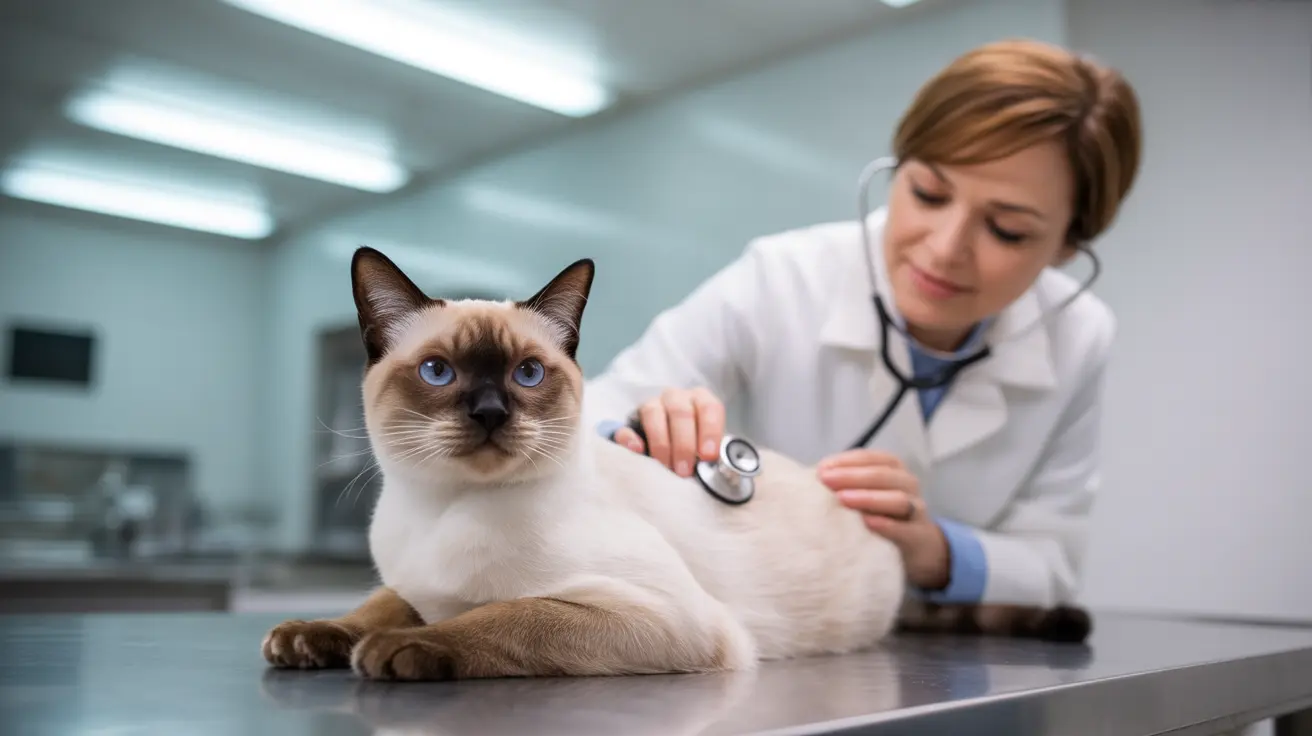
Siamese cats often face heart problems like hypertrophic cardiomyopathy, which thickens the heart walls. This condition can cause breathing issues and fatigue in affected cats. Regular vet check-ups help catch heart issues early for better care.
Siamese cats, with their striking appearance and affectionate nature, are beloved by many. However, like all breeds, they are prone to certain health issues. One of the most concerning problems is related to their hearts. Understanding these issues can help you ensure your Siamese companion lives a long, healthy life.Hypertrophic Cardiomyopathy
Hypertrophic Cardiomyopathy (HCM) is a common heart condition in Siamese cats. It involves the thickening of the heart muscle, which can affect the heart’s ability to pump blood effectively. This condition can be hereditary, so knowing your cat’s lineage can be crucial. If your Siamese is diagnosed with HCM, regular veterinary check-ups become essential. Medications can manage symptoms, but there is no cure. It’s important to follow your vet’s recommendations closely to support your cat’s heart health.Monitoring Symptoms
Recognizing the signs of heart problems early can make a significant difference. Watch for symptoms like rapid breathing, lethargy, or coughing. These could be indicators that something is amiss with your cat’s heart. You might wonder how to keep track of these symptoms effectively. Keeping a diary of any unusual behaviors or physical changes can be helpful when consulting with your vet. Early detection can lead to better management of heart conditions. Heart health in Siamese cats requires vigilance. How proactive are you in monitoring your pet’s health? Regular check-ups and being attentive to symptoms can be your best tools in ensuring your Siamese cat’s heart stays healthy.
Credit: www.aol.com
Behavioral And Neurological Issues
Siamese cats are known for their striking appearance and lively personalities. They can also face unique behavioral and neurological issues. These problems may affect their daily life and well-being. Understanding these issues helps cat owners provide better care and comfort.
Crossed Eyes And Vision Impact
Many Siamese cats have crossed eyes, medically called strabismus. This happens because of nerve wiring in the brain. The eyes may point inward or outward. While it looks unusual, most cats do not suffer vision problems.
The crossed eyes rarely cause pain or discomfort. Some Siamese cats adapt well and see clearly. This trait is common and often linked to the breed’s charm. Eye crossing usually does not need treatment unless other issues arise.
Seizure Disorders
Seizures occur more often in Siamese cats than in other breeds. These are sudden bursts of abnormal brain activity. Seizures can cause shaking, loss of balance, or unconsciousness. The cause is often genetic or linked to brain conditions.
Frequent seizures need veterinary attention. Medication can help control seizures in many cases. Monitoring your cat’s behavior and noting seizure episodes is important. Early treatment improves the quality of life for affected cats.
Preventive Care Tips
Preventive care plays a key role in keeping Siamese cats healthy. Small actions can stop serious health issues before they start. Regular attention to their needs helps Siamese cats live longer and happier lives.
Regular Vet Check-ups
Schedule vet visits at least twice a year. These visits allow early detection of common Siamese health problems like respiratory and dental issues. Vets can provide vaccinations, dental cleanings, and parasite control. Keep a record of your cat’s health history to share during visits.
Diet And Exercise
Feed your Siamese balanced and portioned meals. High-quality cat food supports their immune system and weight management. Avoid overfeeding to prevent obesity, a risk factor for many diseases. Provide toys and playtime daily to keep them active and strong.
Early Detection Strategies
Watch for changes in behavior or appetite. Monitor breathing, coat condition, and energy levels regularly. Early signs of illness include coughing, sneezing, or excessive grooming. Check their eyes and ears for discharge or redness. Quick response to symptoms improves treatment success.

Credit: wopet.com
Credit: www.petscare.com
Frequently Asked Questions
What Common Health Issues Affect Siamese Cats?
Siamese cats often face respiratory problems, dental diseases, and heart conditions. They are also prone to progressive retinal atrophy, which affects vision. Regular vet check-ups help detect these issues early and maintain their health.
Are Siamese Cats Prone To Genetic Disorders?
Yes, Siamese cats can inherit genetic disorders like amyloidosis, causing organ damage. They may also develop cross-eyes and kinked tails due to genetics. Responsible breeding reduces the risk of these inherited problems.
How Can I Prevent Health Problems In Siamese Cats?
Provide a balanced diet, regular exercise, and routine vet visits. Early detection of symptoms is crucial for treatment. Maintaining dental hygiene and vaccinations also helps prevent common diseases in Siamese cats.
Do Siamese Cats Have A Shorter Lifespan Due To Health Issues?
Siamese cats typically live 12-20 years with proper care. Health problems can shorten lifespan if untreated. Early medical intervention and a healthy lifestyle promote longer, happier lives for Siamese cats.
Conclusion
Siamese cats can face unique health challenges. Knowing these helps you care better. Regular vet visits catch problems early. Watch for signs like breathing or vision trouble. A healthy diet and clean home support their well-being. Love and attention also keep them happy.
Caring for a Siamese means understanding their needs. Stay alert and provide the best care possible. Your cat will thank you with a joyful life.



Leave a Reply