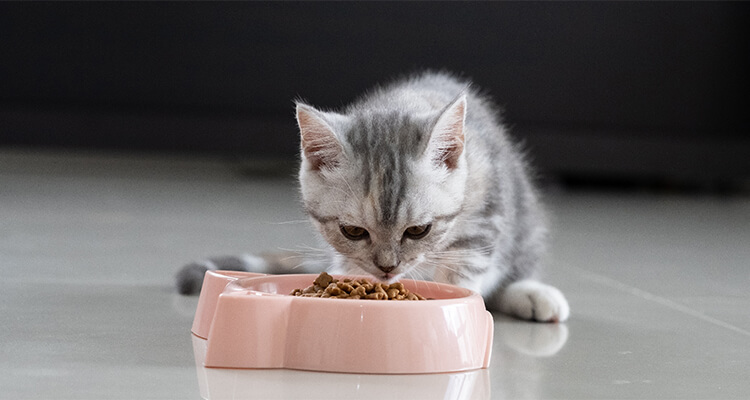
Are you wondering when the right time is to switch your cat to adult food? It’s a question every cat owner faces, but the answer isn’t always clear.
Feeding your cat the right food at the right time can make a big difference in their health and happiness. If you switch too early, your cat might miss out on essential nutrients. Wait too long, and they could gain unnecessary weight or miss out on vital energy.
Keep reading to discover the simple signs and expert tips that will help you make the best choice for your furry friend. Your cat’s well-being depends on it!
Kitten Growth Stages
Understanding your kitten’s growth stages is key to knowing when to switch from kitten food to adult cat food. Each stage brings different nutritional needs that support their development and energy levels. Paying attention to these phases helps you make the best feeding choices for your cat’s health and happiness.
Newborn To Weaning
During the first few weeks, kittens rely entirely on their mother’s milk or a suitable kitten milk replacement. This milk provides all the nutrients they need for rapid growth and immune support. At this stage, solid food is not necessary, and you should avoid introducing it too early to prevent digestive upset.
Transition To Solid Food
Around 4 weeks old, kittens start showing interest in solid food. You can begin offering soft, wet kitten food mixed with water or kitten formula to make it easier to eat. This transition period is crucial: monitor your kitten’s reaction to new food and gradually reduce the milk as they get more comfortable with solids.
End Of Kitten Phase
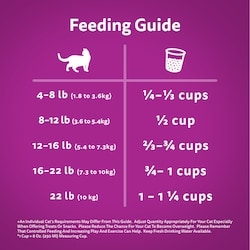
By 9 to 12 months, most kittens reach the end of their growth phase and are ready for adult cat food. Their energy needs stabilize, and adult food supports their maintenance rather than growth. Watch for signs like a slowdown in weight gain and increased activity levels to know when it’s time to switch, ensuring the change is smooth and well-timed.
Credit: www.newfoundlandgrocerystores.ca
Signs To Switch To Adult Food
Knowing when to switch your cat from kitten food to adult food is crucial for their health and well-being. Cats grow at different rates, so it’s important to watch for clear signs that indicate they are ready for a change in diet. Paying attention to these signs can help you make the right decision and keep your feline friend thriving.
Physical Development Indicators
One of the most obvious signs your cat is ready for adult food is their physical growth. Typically, cats reach their full size between 9 to 12 months, but some larger breeds may take longer.
Look for changes like:
- Adult teeth fully grown in
- Steady body weight and muscle development
- Less rapid growth compared to kitten months
When your cat’s body stops growing rapidly, it’s a strong hint that their nutritional needs are shifting.
Behavioral Changes
Your cat’s behavior can also tell you when it’s time to switch foods. Kittens are generally more active and playful, while adult cats often show calmer behavior and less hyperactivity.
If you notice your cat becoming less energetic and spending more time resting, this could mean their metabolism is slowing down. This change signals that kitten food, which is higher in calories, might no longer be suitable.
Have you observed a shift in your cat’s energy levels? It might be time to rethink their diet.
Nutritional Needs Shift
Kittens require food rich in protein, fat, and calories to support their rapid growth and high energy. Adult cats need a balanced diet that maintains their weight and supports their overall health without excess calories.
Switching too early or too late can cause nutritional imbalances. Adult cat food is formulated with the right amounts of nutrients like taurine, vitamins, and minerals suited for maintenance rather than growth.
Pay attention to your cat’s weight and body condition—are they gaining too much weight or looking leaner? Adjusting their food according to these changes helps avoid health problems down the line.
Risks Of Early Or Late Transition
Feeding a cat adult food too early or too late can cause serious health problems. Cats need proper nutrition at each stage of life. Transitioning at the wrong time can upset their body and growth. Understanding the risks helps keep cats healthy and happy.
Digestive Issues
Switching to adult food too early can upset a kitten’s sensitive stomach. Their digestive system is not ready for adult food nutrients yet. This may cause diarrhea, vomiting, or loss of appetite.
Waiting too long to switch can also cause problems. Adult cats need food that is easier to digest for their age. Feeding kitten food for too long can lead to stomach discomfort and poor digestion.
Nutritional Deficiencies
Kitten food contains more protein, fats, and vitamins needed for growth. Starting adult food too soon can lead to missing these essential nutrients. This can stunt growth and weaken the immune system.
Delaying the switch can cause an imbalance too. Adult cats need fewer calories but more specific nutrients for maintenance. Overfeeding kitten food can cause excess weight and nutrient overload.
Weight Management Problems
Early switch to adult food can cause weight loss in growing kittens. They may not get enough energy for their active stage. This results in weak muscles and low energy.
Late switching often leads to weight gain. Kitten food is higher in calories. Feeding it to adult cats can cause obesity and related health issues. Proper timing helps maintain a healthy weight.
Credit: companion-vets.com
Choosing The Right Adult Food
Cats usually switch to adult food around one year old, as their growth slows down. Feeding adult food too early can cause health issues and poor nutrition. Gradually changing their diet helps avoid stomach problems and keeps them healthy.
Choosing the right adult food for your cat is a crucial decision that can significantly impact their health and longevity. As your feline friend transitions from kittenhood to adulthood, their nutritional needs change. Understanding what makes a good adult cat food can feel overwhelming, but it doesn’t have to be.Ingredients To Look For
When selecting adult cat food, focus on high-quality protein sources. Cats are obligate carnivores, meaning they thrive on meat. Look for foods listing real meat like chicken or fish as the first ingredient. Essential fatty acids, like omega-3 and omega-6, support skin and coat health. Whole grains, fruits, and vegetables provide necessary vitamins and fiber. Pay attention to the ingredient list, as it can tell you a lot about the food’s quality.Avoiding Harmful Additives
Steer clear of foods with artificial colors, flavors, and preservatives. These additives can contribute to various health issues over time. Instead, opt for natural preservatives like vitamin E and C. Excessive fillers, such as corn and soy, can be problematic. They offer little nutritional value and can lead to weight gain. Always read labels carefully to avoid these unwanted ingredients.Wet Vs Dry Food Options
Deciding between wet and dry food involves considering your cat’s specific needs. Wet food typically contains more moisture, which is beneficial for hydration. Cats that don’t drink much water may benefit from this option. Dry food, on the other hand, is convenient and can help with dental health by reducing tartar buildup. Some cats prefer the texture of dry food. Consider offering a combination to provide variety and balance in their diet. Choosing the right adult food involves understanding what your cat needs and what to avoid. Have you ever switched your cat’s food and noticed a change in their behavior or health? Observing your cat’s response can guide you in finding the best nutritional fit.How To Transition Smoothly
Transitioning your cat from kitten food to adult food requires patience and attention. A smooth change helps avoid digestive issues and keeps your cat happy. Let’s look at how you can make this switch easy for both of you.
Gradual Mixing Techniques
Start by mixing a small amount of adult food into your cat’s usual kitten food. A good ratio to begin with is 25% adult food and 75% kitten food.
Over the next week or two, slowly increase the adult food portion while decreasing the kitten food. This gentle approach allows your cat’s stomach to adjust without causing upset.
If your cat shows hesitation, try moistening the adult food slightly to make it more appealing. Have you noticed your cat’s preferences changing during a transition like this?
Monitoring Cat’s Response
Watch your cat closely during the transition. Look for signs like vomiting, diarrhea, or loss of appetite, which may indicate the new food isn’t agreeing with them.
Keep a daily journal of their eating habits, energy levels, and litter box usage. This helps you spot patterns and make informed decisions quickly.
Remember, every cat reacts differently, so your observations are key to understanding their unique needs.
Adjusting Feeding Schedule
Adult cats often need different meal timings compared to kittens. You might need to shift from several small meals to two or three balanced meals a day.
Try feeding at consistent times to build a routine your cat can rely on. This also helps you monitor how well they accept the adult food.
Ask yourself if your current feeding times support your cat’s activity levels and digestion. Adjusting these can improve their overall well-being during the transition.
Special Considerations
Feeding your cat adult food at the right time is more than just a simple age milestone. You need to consider several special factors that can affect your cat’s nutritional needs and overall health. Paying attention to these details helps you make smarter feeding choices that suit your cat’s unique situation.
Breed-specific Needs
Different breeds can have different nutritional requirements. For example, larger breeds like Maine Coons may need more calories and protein to support their size and energy levels. On the other hand, smaller breeds like Siamese cats might require food that supports their faster metabolism and leaner body structure.
Have you noticed how your cat’s breed influences their activity or appetite? Tailoring their diet to breed-specific needs can prevent issues like obesity or malnutrition. Check with your vet about the best adult food formula designed for your cat’s breed.
Health Conditions
Your cat’s health status plays a big role in deciding when and what adult food to feed. Cats with conditions such as diabetes, kidney disease, or food allergies may need specialized diets even after they reach adulthood. Switching to adult food without considering these conditions could worsen their symptoms.
For example, a cat with kidney issues might need food that is lower in protein and phosphorus. Always consult your vet before changing your cat’s diet if they have any health problems. Your cat’s health journey might require a more tailored feeding approach than the general recommendations suggest.
Indoor Vs Outdoor Cats
Think about where your cat spends most of its time. Indoor cats tend to be less active and may need fewer calories to avoid weight gain. Outdoor cats, however, often burn more energy and might benefit from higher calorie adult food to maintain their health.
Have you observed differences in your cat’s energy or weight based on their lifestyle? Feeding indoor cats food that supports their lower activity level can keep them fit and prevent obesity. Meanwhile, outdoor cats might require more nutrient-dense food to stay strong and healthy.
Credit: www.petscare.com
Frequently Asked Questions
When Should I Start Feeding My Cat Adult Food?
Begin feeding adult cat food at about one year old. This is when kittens reach maturity and need different nutrients. Transition gradually over 7-10 days to avoid digestive issues. Consult your vet if unsure about the timing or diet changes.
How Do I Know My Cat Is Ready For Adult Food?
Your cat is ready when it turns one year old and shows less playful kitten behavior. Weight and size stabilize, indicating maturity. Observe their health and consult your vet for personalized advice on switching to adult cat food.
Can I Feed Adult Cat Food To Kittens Early?
Feeding adult food too early is not recommended. Kittens need more calories, protein, and nutrients for growth. Adult food may lack these essentials, causing nutritional deficiencies. Always use kitten-specific food until about one year old for optimal health.
What Are The Benefits Of Adult Cat Food?
Adult cat food supports maintenance and overall health of mature cats. It contains balanced nutrients for energy, weight control, and coat health. Feeding the right food helps prevent obesity and supports long-term well-being in adult cats.
Conclusion
Feeding your cat adult food at the right time helps keep them healthy. Most cats switch around one year old, but watch their growth and needs. Gradual changes prevent stomach upset and make the process smooth. Always choose good quality food made for adult cats.
Pay attention to your cat’s behavior and weight during the change. Healthy eating supports a happy and active life. Trust your instincts and consult a vet when unsure. Your cat will thank you with better health and energy.


Leave a Reply