
Have you ever bought a toy for your cat, only to watch it sit untouched? It can be confusing and even a little disappointing when your furry friend shows no interest in playing.
You might wonder, “Why does my cat not play with toys? ” Understanding the reasons behind this behavior can help you connect better with your pet and make playtime fun again. Keep reading to discover the surprising factors that could be holding your cat back from enjoying toys—and how you can turn things around.

Credit: www.petscare.com
Cat Play Behavior Basics
Cats have unique ways of showing play behavior. Understanding these basics helps explain why some cats ignore toys. Play is not just fun for cats; it connects to their hunting instincts and natural energy levels. Each cat has its style and preference for play.
Natural Play Instincts
Cats are born hunters. Play mimics hunting actions like stalking, pouncing, and chasing. These instincts drive their interest in moving objects. Some cats prefer quiet, slow toys to mimic small prey. Others like fast, fluttering toys that move unpredictably. Play satisfies their need to practice hunting skills.
Types Of Cat Toys
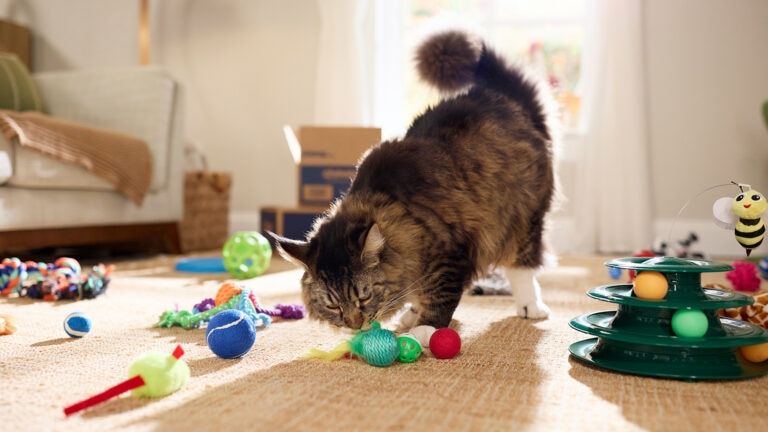
Toys come in many shapes and sizes. Common types include:
- Feather wands that move like birds
- Laser pointers that mimic quick prey
- Small balls or mice that cats can bat around
- Interactive toys that respond to cat’s touch
Different cats like different toys. Texture, sound, and movement affect their interest. Some cats prefer soft toys to chew or cuddle with.
Age And Play Patterns
Kittens play a lot. They learn skills and burn energy. Adult cats play less but still enjoy short bursts of activity. Older cats may lose interest in toys due to lower energy or health issues. Playtime should match the cat’s age and energy level for best results.

Credit: www.reddit.com
Health Issues Affecting Play
Your cat’s lack of interest in toys might be more than just a mood issue. Health problems can quietly affect their energy and willingness to play. Understanding these health issues can help you spot when your furry friend needs extra care or a vet’s attention.
Common Illnesses
Some illnesses can drain your cat’s energy, making playtime less appealing. Conditions like feline leukemia virus (FeLV), upper respiratory infections, or chronic kidney disease often reduce activity levels.
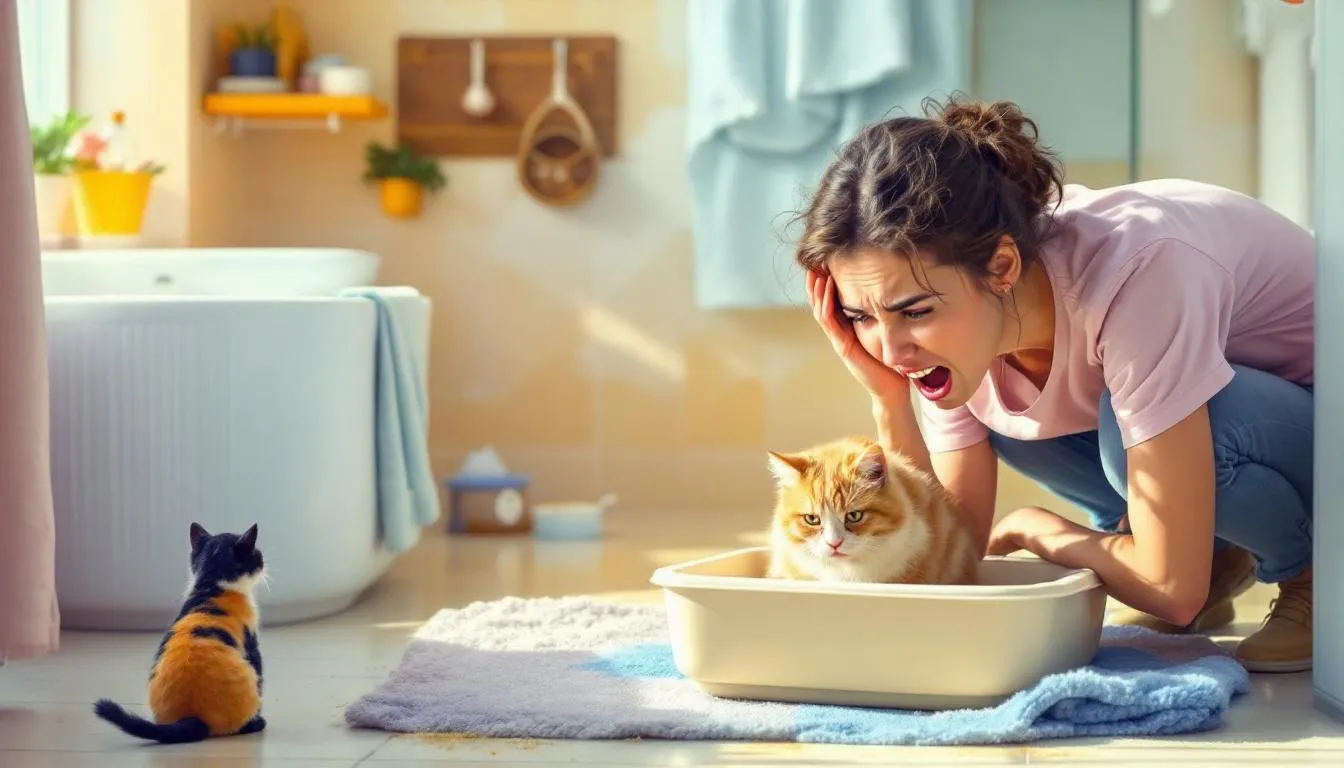
If you notice your cat becoming unusually lethargic or avoiding toys they once loved, these health problems might be the cause. Keeping an eye on changes in appetite, grooming, or litter box habits can also offer clues.
Pain And Discomfort
Imagine trying to play when every move causes pain. Cats with arthritis, dental issues, or injuries may avoid toys because it hurts to pounce or bat them around.
Watch for signs like limping, stiffness, or reluctance to jump on furniture. Sometimes, your cat might hide or act irritable, signaling discomfort that affects their play behavior.
Veterinary Checkups
Regular vet visits are essential if your cat suddenly stops playing. A professional exam can uncover hidden health problems that you might miss at home.
Don’t wait until symptoms worsen—early diagnosis often leads to better treatment outcomes. Ask your vet about your cat’s play habits during checkups to keep their health and happiness in check.
Environmental Factors
Environmental factors play a big role in a cat’s interest in toys. Cats feel more playful when their surroundings feel right. Small changes in their environment can affect their mood and activity levels. Understanding these factors helps create a space where your cat wants to play.
Space And Safety
Cats need enough room to move and jump freely. A cluttered or tight space can make them feel trapped. They like clear areas where they can chase and pounce on toys.
Safety is important. Loud noises or sudden movements can scare cats. They avoid playing if they feel unsafe or threatened in their space.
Noise And Distractions
Too much noise can distract or stress cats. Constant sounds from TV, people, or other pets may stop them from focusing on toys.
Quiet times encourage cats to explore and play. Reducing distractions helps them engage more with their toys.
Temperature And Comfort
Cats prefer warm and cozy spots. If the room is too cold or hot, they might not want to move much.
Comfortable bedding and a warm environment can make cats more active. They play more when they feel relaxed and content.
Credit: bestfriendsvet.com
Personality And Preferences
Understanding why your cat might not play with toys requires exploring their personality and preferences. Cats, like humans, have unique personalities. Some are introverted, while others are more active. Recognizing these traits can help you cater to their play needs.
Introverted Vs. Active Cats
Introverted cats often prefer quiet environments. They might enjoy watching from a distance rather than engaging in play. These cats might be more cautious. Active cats, on the other hand, love to explore and play. They enjoy chasing toys and climbing. Their high energy levels demand interactive playtime.
Favorite Types Of Interaction
Cats have different interaction preferences. Some may enjoy solo play with toys. Others might prefer interactive play with their humans. Identifying your cat’s preferred interaction is key. Observe which toys or activities they gravitate towards. This can provide insights into their play style.
Bonding And Trust
Bonding with your cat can influence play behavior. Trust is essential for cats to feel comfortable. They need to feel safe in their environment. Building this trust encourages them to engage more. Spend time gently encouraging play to build that bond. This can lead to more joyful play sessions.
Toy-related Reasons
If your cat ignores toys, the issue might lie in the toys themselves. Cats are picky creatures, and their interest can depend heavily on the size, texture, scent, and variety of the toys you offer. Understanding these toy-related reasons can help you choose items that truly engage your feline friend.
Toy Size And Texture
Your cat’s preference for toy size can surprise you. Some cats prefer small toys they can easily carry in their mouths, while others like bigger ones to bat around. Texture plays a big role too—soft, fuzzy toys might invite cuddling, but some cats prefer smooth or crinkly surfaces for the thrill of sound and feel.
Think about your cat’s natural hunting style. If your cat loves stalking small prey, smaller toys that mimic that size might work better. Have you noticed your cat pawing at certain materials? That’s a clue to what texture excites them.
Scent And Familiarity
Scent is a powerful trigger for cats. Toys that smell like catnip or have a familiar scent can instantly catch their attention. On the other hand, new toys with strong artificial odors might put your cat off.
Try rubbing a toy with your cat’s favorite blanket or a bit of their own scent. This simple trick can make the toy feel safer and more appealing. Have you ever seen your cat sniff and then walk away? That might be their way of saying “this doesn’t smell right.”
Variety And Novelty
Cats get bored easily. Offering the same toy day after day can lead to disinterest. Mixing up toy types—balls, feathers, laser pointers—keeps playtime fresh and exciting.
Try rotating toys every few days to reintroduce novelty. Sometimes, a toy that sat unused for weeks becomes the favorite all over again. What new toy could spark your cat’s curiosity today?
Stress And Anxiety Impact
Stress and anxiety affect cats deeply. These feelings can stop them from playing with toys. Cats feel safe when their environment is calm and stable. Stress makes them hide or stay still. Toys might not seem fun when a cat feels scared or worried.
Changes In Routine
Cats love routine. Feeding, playtime, and sleep happen at the same time daily. Sudden changes can confuse or scare them. Moving furniture, loud noises, or different schedules create stress. This stress can cause a loss of interest in toys.
New Pets Or People
New animals or visitors can make cats anxious. They may see newcomers as threats. Cats often hide or act distant. They stop playing to stay alert. It takes time for cats to trust new pets or people.
Safe Spaces For Cats
Safe spaces help cats feel calm and secure. Quiet corners, cozy beds, or high places work well. These spots reduce stress and invite curiosity. A relaxed cat is more likely to play with toys. Providing a safe space supports their mental health.
Encouraging Play
Encouraging your cat to play can sometimes feel like a puzzle, especially if they show little interest in toys. However, with a few thoughtful approaches, you can spark their curiosity and energy. Play isn’t just fun—it’s vital for your cat’s health and happiness.
Interactive Play Techniques
Try using toys that mimic real prey, like feather wands or laser pointers. These allow your cat to chase and pounce, engaging their natural hunting instincts. Move the toy unpredictably to keep their attention and watch how their excitement grows.
Have you noticed how your cat reacts differently to toys you control versus ones they play with alone? Your involvement can turn playtime into bonding time, making toys more appealing.
Regular Playtime Schedule
Set specific times during the day for play, like morning and evening. Cats thrive on routine, so a consistent schedule makes them anticipate and look forward to activity. Even short sessions of 10-15 minutes can make a big difference.
Think about your cat’s energy peaks—do they seem more active at certain times? Matching playtime to these moments can encourage better engagement.
Reward And Positive Reinforcement
Use treats or gentle praise to reward your cat when they interact with toys. Positive reinforcement helps them associate play with good experiences. Avoid forcing play; instead, celebrate small steps and curiosity.
Have you tried pairing a new toy with their favorite treat? This simple trick can help your cat build positive connections with playtime quickly.
Frequently Asked Questions
Why Does My Cat Ignore New Toys?
Cats may ignore new toys due to unfamiliarity or lack of interest. Introduce toys slowly and use interactive play to engage them. Sometimes, scent or texture affects their preference.
Can Health Issues Affect My Cat’s Play Behavior?
Yes, health problems like arthritis or dental pain can reduce playfulness. If your cat suddenly stops playing, consult a vet to rule out medical issues.
How Can I Encourage My Cat To Play With Toys?
Use toys that mimic prey, like feather wands or laser pointers. Play regularly at consistent times to build excitement and encourage engagement.
Does Age Impact A Cat’s Interest In Toys?
Older cats often show less interest in toys due to reduced energy. Provide softer, slower-moving toys to match their activity level and stimulate gentle play.
Conclusion
Cats may not play with toys for many reasons. Sometimes, they feel tired or stressed. Other times, the toy might not interest them. Age and health also affect their play habits. Try different toys or play at different times. Watch your cat’s mood and body language.
Patience helps you understand your pet better. Remember, every cat is unique and plays in their own way. Keep observing and enjoy your time together.

Leave a Reply