
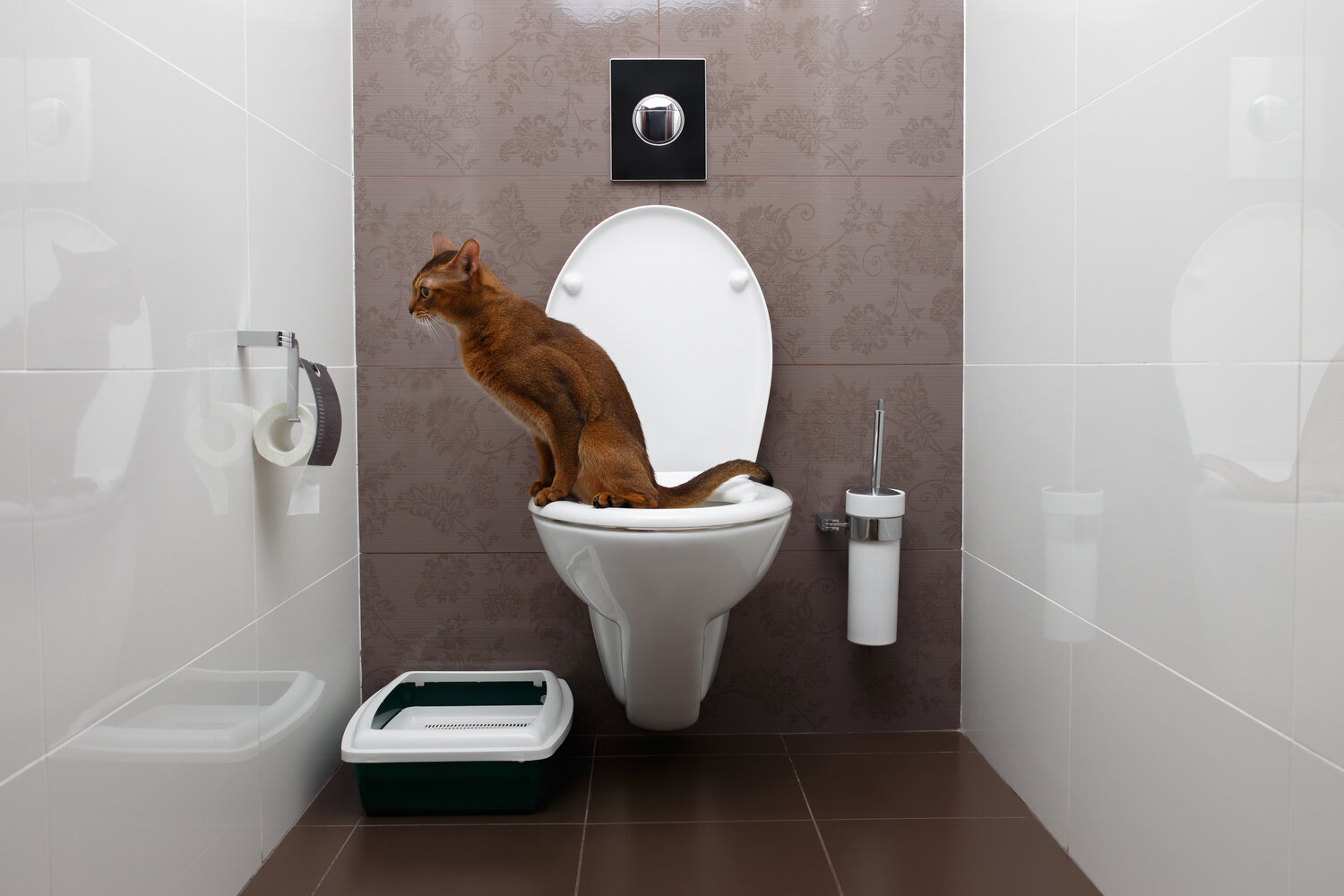
Have you ever wondered how cats learn to use the litter box so quickly? If you’re a cat owner or planning to be one, understanding how cats are potty trained can save you time and frustration.
Imagine having a clean home without worrying about accidents or messes. You’ll discover simple, effective ways to help your cat master potty habits. Keep reading, and you’ll find out the secrets that make potty training your cat easier than you think.
Choosing The Right Litter Box
Choosing the right litter box is key to potty training a cat. Cats need a comfortable, clean place to do their business. The right box encourages good habits and helps avoid accidents. Size, shape, and location all affect how your cat uses the litter box. Understanding different types and proper placement helps create a positive experience for your pet.
Types Of Litter Boxes
Litter boxes come in many styles to suit different cats and homes.
- Open Litter Boxes:Simple and easy to clean. Good for cats that like fresh air.
- Covered Litter Boxes:Provide privacy and help control odors. Some cats prefer them; others feel trapped.
- Self-Cleaning Litter Boxes:Use sensors to clean waste automatically. Save time but can be noisy or confusing for some cats.
- Disposable Litter Boxes:Made from lightweight materials. Convenient for travel or short-term use.
Choose a box your cat feels comfortable using. Observe your cat’s behavior and preferences.
Size And Placement Tips
Size matters for comfort and ease of use. The box should be large enough for your cat to turn around easily.
- Length should be at least 1.5 times your cat’s length without the tail.
- Depth should allow your cat to dig without spilling litter.
Placement affects your cat’s willingness to use the box.
- Keep it in a quiet, low-traffic area.
- Avoid placing near food or water bowls.
- Ensure easy access at all times.
- Use multiple boxes if you have several cats or a large home.
Selecting Suitable Litter
Selecting the right litter is key to successful potty training for cats. The litter must feel comfortable and attract your cat to use the box. Cats prefer litter that is soft on their paws and controls odor well. Choosing the correct type helps keep your home fresh and your cat happy. Understanding different litter options makes the process easier.
Different Litter Materials
There are many types of litter available. Each has unique features that suit different cats and owners.
- Clay-based litter:Common and affordable. It absorbs moisture well but can be dusty.
- Clumping litter:Forms solid clumps when wet. Easy to scoop and keep clean.
- Silica gel litter:Controls odor and lasts longer. It is low dust but more expensive.
- Natural litter:Made from materials like corn, wheat, or pine. Biodegradable and eco-friendly.
Consider your cat’s preferences and any allergies. Some cats dislike strong scents or rough textures.
Benefits Of Clumping Litter
Clumping litter is popular for potty training cats. It forms tight clumps around urine and feces. This makes cleaning easier and faster.
Clumping litter helps control odor by trapping waste inside the clumps. It reduces the spread of smell in your home.
Using clumping litter also means less waste. You only remove the clumps, keeping the rest clean for longer.
Many cats prefer clumping litter because it feels similar to soil. This encourages them to use the litter box consistently.
Introducing Your Cat To The Litter Box
Cats learn to use the litter box by instinct and gentle guidance. Place them inside the box after meals and naps to build good habits. Clean, quiet spots help cats feel safe and encourage regular use.
Introducing a cat to a litter box can be a straightforward process. Cats are naturally clean animals, making litter training easier. The key is to create a comfortable environment for them. Providing a suitable litter box setup encourages positive habits.Initial Placement Strategies
Start by choosing the right location for the litter box. Select a quiet, low-traffic area in your home. Avoid placing the litter box near their food or water. Cats prefer a peaceful place for their bathroom needs. Ensure the box is easily accessible for your cat. For kittens, a box with lower sides is ideal.Encouraging Exploration
Introduce the litter box by gently placing your cat inside it. Allow them to sniff and explore the area. This familiarizes them with the scent and texture. Encourage exploration by gently guiding them to the box after meals or naps. Use a soft voice to reassure them while they explore. Avoid forcing them, as this could cause stress. Positive reinforcement aids in building a routine. Reward your cat with praise or a treat when they use the box. Keep the box clean to maintain their interest and comfort. Regular cleaning prevents odors and keeps the area appealing.
Credit: www.purina.com
Establishing A Routine
Establishing a routine plays a key role in potty training your cat. Cats thrive on consistency and feel more secure with a steady schedule. Regular habits help them understand when and where to use the litter box. Setting clear times for feeding and bathroom breaks encourages good behavior. It reduces accidents and makes training smoother for both you and your cat.
Feeding And Bathroom Schedule
Set specific times for feeding your cat each day. Cats usually need to use the bathroom soon after eating. By feeding at the same times, you can predict when your cat will need to go. This helps you guide them to the litter box consistently.
- Feed your cat 2-3 times daily at fixed hours.
- Place the litter box in a quiet, easy-to-reach spot.
- Check the litter box after each meal to encourage use.
Recognizing Signs Your Cat Needs To Go
Learn your cat’s behavior before bathroom time. They often show clear signs when they need to go. Watching for these signs helps you act quickly and prevent accidents.
- Restlessness or pacing near the litter box.
- Sniffing or scratching the floor or corners.
- Sudden meowing or looking for a quiet spot.
Responding to these signals by placing your cat in the litter box strengthens their habit. Over time, your cat will use the bathroom on their own, following the routine you set.
Handling Accidents Properly
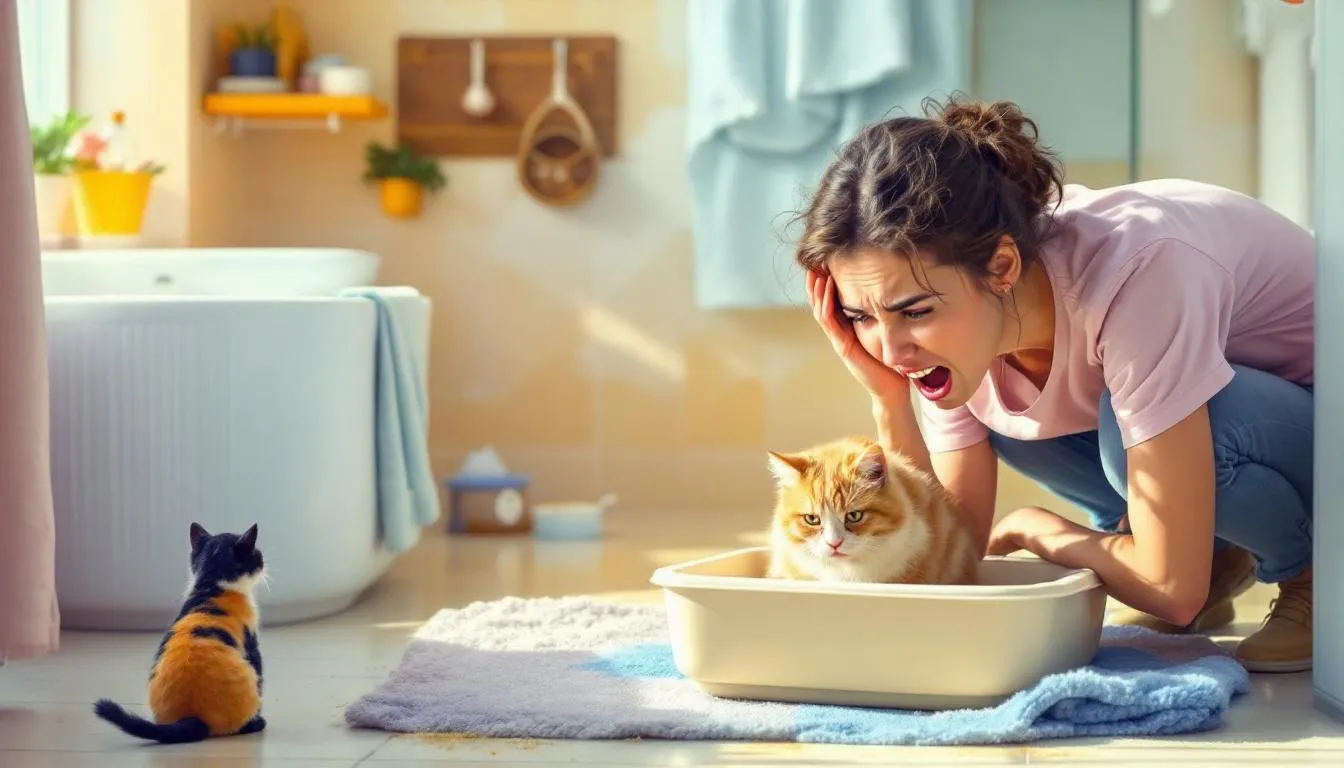
Handling accidents properly is a key part of potty training your cat. Mistakes will happen, but how you respond can either encourage your cat or make the process harder. Staying calm and acting quickly helps your cat learn without fear or confusion.
Cleaning Techniques
Cleaning accidents thoroughly is essential. Use an enzymatic cleaner designed for pet messes to remove odors completely. Ordinary cleaners might not eliminate the smell, which can lead your cat to return to the same spot.
Blot the area gently with paper towels or a cloth to soak up any liquid first. Avoid rubbing, as this can push the mess deeper into carpets or fabric. After applying the cleaner, let the area air dry fully before allowing your cat back.
Have you noticed some cleaners work better than others? Testing different products can save you time and prevent repeat accidents.
Avoiding Punishment
Punishing your cat after an accident can create fear and stress. Cats don’t connect punishment with the accident itself, so yelling or scolding won’t teach them where to go.
Instead, focus on positive reinforcement. Praise or reward your cat when they use the litter box correctly. This encourages good behavior far more effectively than punishment.
Imagine your cat feeling safe and confident rather than anxious. How might that change their willingness to learn?

Credit: www.purina.com
Troubleshooting Common Issues
Troubleshooting common issues during cat potty training can feel frustrating, but understanding the root causes makes a big difference. Cats often communicate discomfort or stress through their bathroom habits. Paying close attention to their behavior helps you fix problems quickly and keeps your feline friend happy and healthy.
Litter Box Avoidance
Is your cat suddenly refusing to use the litter box? This behavior often signals dissatisfaction with the box itself or its location.
- Cleanliness:Cats prefer a spotless box. Scoop daily and change litter regularly to keep it fresh.
- Box type:Some cats dislike covered boxes or certain litter textures. Try an open box or different litter to see what your cat prefers.
- Placement:Avoid noisy or high-traffic areas. Cats want privacy, so place the box in a quiet, accessible spot.
Remember my cat, Luna? She refused her litter box until I moved it away from the noisy washing machine. Suddenly, she started using it again. Could your cat’s environment be the problem?
Addressing Medical Concerns
Sometimes, potty problems are more than behavioral—they signal health issues. Urinary tract infections, kidney problems, or arthritis can make bathroom visits painful.
- Watch for signs like frequent attempts, crying, or blood in urine.
- If your cat avoids the box suddenly or changes habits, a vet visit is essential.
- Prompt treatment can prevent worsening and help your cat feel comfortable again.
Ignoring these signs might make you think your cat is just being stubborn, but health issues require immediate attention. Have you noticed any unusual behavior around your cat’s bathroom habits?
Maintaining Cleanliness And Hygiene
Maintaining cleanliness and hygiene is crucial for keeping your cat happy and healthy, especially when it comes to potty training. A clean environment encourages your cat to use the litter box consistently and helps prevent unpleasant odors and health issues. How often you clean and the way you maintain the litter box can make a big difference in your cat’s bathroom habits.
Cleaning Frequency
How often should you clean the litter box? Ideally, scoop waste at least once a day. This keeps the box inviting and prevents the buildup of bacteria.
Changing the litter completely once a week is a good rule of thumb. If you have multiple cats, you might need to do this more frequently. Pay attention to your cat’s behavior—if they start avoiding the box, it’s often a sign it needs cleaning.
Litter Box Maintenance Tips
- Use unscented, clumping litter:Cats prefer natural smells, and clumping litter makes cleaning easier.
- Wash the box monthly:Use mild soap and warm water to avoid harsh chemicals that might deter your cat.
- Keep the box in a quiet, accessible area:This reduces stress and encourages regular use.
- Add a second litter box if you have multiple cats:This prevents competition and keeps each area cleaner.
- Monitor litter levels:Your cat should have at least two inches of litter to dig comfortably.
Have you noticed your cat avoiding the litter box after you switched to a new type of litter or cleaner? Paying attention to these details can reveal what your cat prefers, making cleanliness an easy part of your routine rather than a chore.
Credit: visapoint.travel
Frequently Asked Questions
How Do Cats Learn To Use The Litter Box?
Cats learn to use the litter box through instinct and training. They prefer clean, sandy surfaces. Owners guide them by placing them in the box after meals or naps, rewarding positive behavior, and keeping the box clean.
What Is The Best Litter For Potty Training Cats?
Clumping, unscented, and fine-grained litter is best for potty training cats. It mimics natural sand and absorbs odors. Avoid scented or dusty litters as they can deter cats from using the box.
How Long Does It Take To Potty Train A Cat?
Potty training a cat usually takes one to two weeks. It depends on the cat’s age and personality. Consistency, patience, and a clean litter box speed up the process.
How To Stop A Cat From Pottying Outside The Litter Box?
Stop accidents by cleaning areas thoroughly, providing enough litter boxes, and using positive reinforcement. Address medical issues if accidents continue. Place boxes in quiet, accessible locations to encourage proper use.
Conclusion
Cats learn to use the litter box with patience and care. Consistency helps them feel safe and understand what to do. Clean the box often to keep your cat comfortable. Praise and gentle guidance encourage good habits. Every cat is different, so be patient and kind.
This simple training makes life easier for both you and your pet. Potty training your cat builds trust and a happy home. Keep trying, and your cat will get it right soon.

Leave a Reply