Have you ever found your cat’s poop outside the litter box and wondered why this is happening? It can be frustrating and confusing to see your furry friend avoiding their usual spot.
But don’t worry—your cat is trying to tell you something. Understanding why your cat poops outside the litter box can help you fix the problem and keep your home clean. You’ll discover the common reasons behind this behavior and learn simple steps to get your cat back on track.
Keep reading—you’ll be glad you did!
Reasons Cats Avoid Litter Box
Understanding why your cat poops outside the litter box can save you a lot of frustration. Cats are usually very clean animals, so when they avoid their litter box, it signals something is off. Pinpointing the exact reason helps you fix the problem quickly and keeps your home fresh.
Medical Issues
Health problems often cause cats to avoid the litter box. Urinary tract infections, kidney disease, or digestive issues can make using the box painful or uncomfortable. If your cat suddenly changes their bathroom habits, a vet visit is essential to rule out medical causes.
Litter Box Cleanliness
Have you noticed how quickly your cat’s litter box gets dirty? Cats prefer a clean, odor-free box. If you don’t scoop daily or change the litter regularly, your cat might find another spot more appealing.
Stress And Anxiety
Changes in your cat’s environment can trigger stress, leading to litter box avoidance. New pets, visitors, or moving furniture can upset your cat’s routine. Observing your cat’s behavior during these times helps you spot anxiety-related issues.
Litter Box Location
Think about where the litter box is placed. Is it in a noisy area or somewhere hard to reach? Cats want privacy and quiet when they go. Moving the box to a calm, accessible spot can encourage your cat to use it again.
Type Of Litter
Not all litter types suit every cat. Some prefer fine, unscented clumping litter, while others dislike strong fragrances or textures. Experimenting with different litters can help you find the one your cat likes best.
Territorial Marking
Sometimes, pooping outside the box is about marking territory, especially in multi-cat households. Your cat might feel threatened or want to assert dominance. Watching interactions between cats can reveal if this is the cause and guide your next steps.
Signs Of Health Problems
Noticing your cat pooping outside the litter box can be frustrating. But it might be more than just bad behavior. Sometimes, it signals underlying health problems that need your attention.
Understanding the signs can help you act quickly and get your cat the care it needs. Have you ever wondered if your cat’s sudden change in bathroom habits could mean something serious?
Urinary Tract Infections
Urinary tract infections (UTIs) are common in cats and can cause them to avoid the litter box. Your cat might associate pain with the box and choose a different spot to relieve discomfort.
Look for signs like frequent attempts to urinate, straining, or blood in the urine. If you notice these, a vet visit is necessary. Early treatment can prevent more serious kidney issues.
Digestive Disorders
Digestive problems such as constipation, diarrhea, or inflammatory bowel disease can make using the litter box uncomfortable or confusing for your cat.
Your cat may poop outside the box because it feels the urge suddenly or experiences pain during bowel movements. Changes in diet or sudden stress can also trigger these issues.
Keep an eye on your cat’s stool consistency and frequency. Sharing this info with your vet will help diagnose the problem faster.
Pain Or Discomfort
Any pain or discomfort, not just related to digestion or urination, can cause your cat to avoid the litter box. Arthritis, injuries, or skin conditions might make jumping into or sitting in the box painful.
Notice if your cat hesitates before entering the box or leaves quickly. Sometimes, the box’s location or type might worsen discomfort.
Could a simple change like a lower-sided box or a softer substrate make a difference for your cat’s comfort?
Improving Litter Box Setup
Cat pooping outside the litter box often signals discomfort or stress. Checking the litter box setup can help identify issues like cleanliness or location. Simple changes may encourage your cat to use the box again.
Improving your cat’s litter box setup can significantly reduce instances of your feline friend deciding to poop outside the box. Cats are particular creatures, and sometimes a small change in their litter box environment can make a big difference. Let’s dive into the details of creating a litter box setup that both you and your cat will appreciate.Choosing The Right Litter
Selecting the right litter is crucial. Cats usually prefer a fine-grain, clumping litter that mimics the soft soil they instinctively dig in. If your cat is avoiding the box, it might be worth experimenting with different types of litter to see which one they prefer. Consider any allergies or sensitivities your cat might have. Some scented litters can be off-putting to cats and cause them to avoid the box altogether. Always ensure the litter is free of any harsh chemicals that could irritate your cat’s paws or respiratory system.Optimal Box Size And Type
Is your litter box the right size for your cat? A box that is too small can be uncomfortable and deter your cat from using it. Ideally, the box should be about one and a half times the length of your cat. Covered boxes can trap odors and make the space less inviting. If your cat is hesitant, try offering an open box to give them a sense of security and comfort.Placement Tips
Where you place the litter box matters. Cats prefer privacy, so a quiet and secluded area is ideal. Avoid placing the box near noisy appliances or in high-traffic areas where your cat might feel threatened or stressed. Also, consider having multiple boxes if you have more than one cat. Cats are territorial and might not like sharing a single box, leading to accidents outside the box.Maintaining Cleanliness
A clean litter box is a happy litter box. Regularly scoop out waste to keep the box fresh and inviting. Cats are fastidious animals and may refuse to use a box that isn’t clean. Make it a habit to completely change the litter and clean the box with mild soap and water every couple of weeks. Your cat will appreciate the clean space, and you’ll likely notice a decrease in unwanted accidents. Keeping your cat’s litter box setup optimal is not just about cleanliness but also about understanding their preferences and comfort. Have you found a particular setup or litter that works well for your feline friend?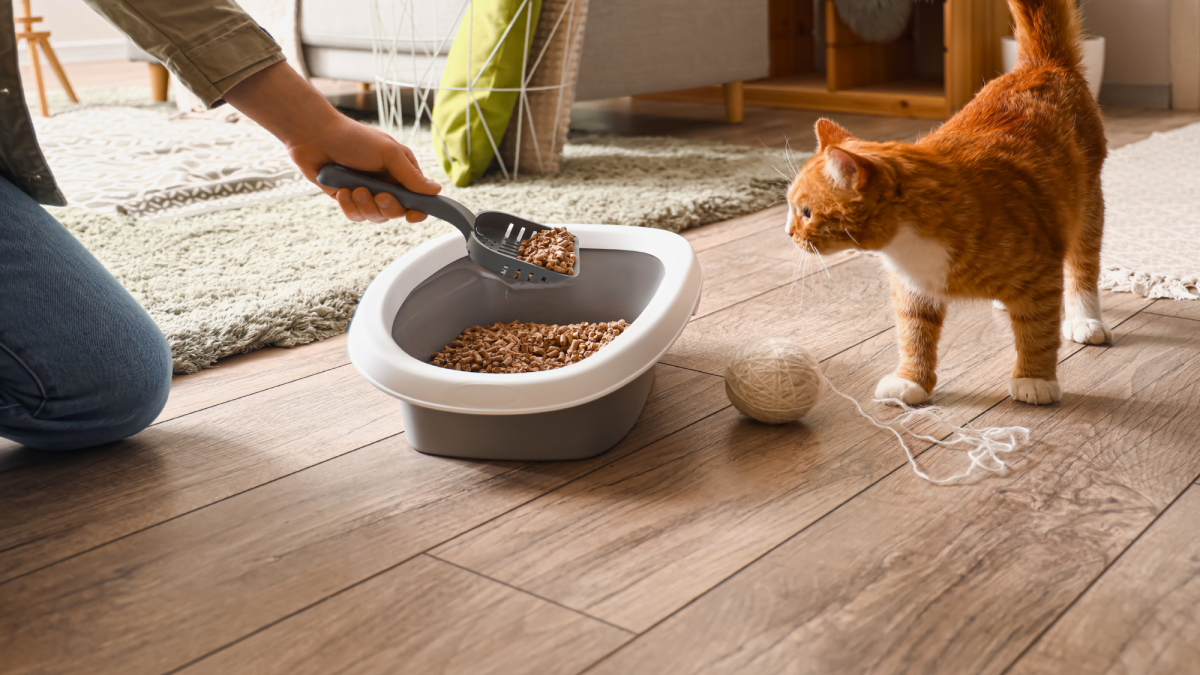
Credit: pethelpful.com
Managing Stress In Cats
Managing stress in cats is crucial when you notice unusual behaviors like pooping outside the litter box. Stress can disrupt their routine and cause anxiety, leading to accidents. Understanding and reducing your cat’s stress can help restore their comfort and improve their habits.
Identifying Stress Triggers
Watch closely for changes in your cat’s environment or routine. New pets, visitors, loud noises, or even a change in furniture placement can upset them. Ask yourself: Has anything changed recently that might be making your cat uneasy?
Keep a journal of your cat’s behavior and surroundings. This can reveal patterns or specific triggers linked to their litter box avoidance. Knowing what causes stress is the first step to fixing it.
Environmental Enrichment
Provide your cat with engaging toys and safe spaces to explore. Climbing trees, scratching posts, and cozy hideouts help keep their mind active and reduce anxiety. Simple additions like puzzle feeders can also distract and entertain your cat.
Think about your cat’s needs for play and rest. Are they getting enough stimulation? Sometimes boredom or lack of activity leads to stress behaviors.
Use Of Calming Products
Calming sprays, diffusers, and collars can soothe your cat’s nerves. Products containing pheromones mimic natural comforting scents that cats release themselves. Have you tried these to see if they ease your cat’s tension?
These tools work best alongside other stress-reducing efforts. Don’t rely on calming products alone; combine them with changes in environment and routine. Your cat will feel safer and more relaxed over time.
Behavioral Training Techniques
Behavioral training plays a crucial role when your cat starts pooping outside the litter box. It helps you guide your pet back to good habits without causing stress for either of you. Training requires patience, clear signals, and a calm approach to reshape your cat’s behavior effectively.
Positive Reinforcement
Reward your cat immediately after it uses the litter box correctly. Use treats, gentle petting, or soft praise to make the connection clear.
One time, giving a small treat right after my cat used the box stopped accidents within days. Your cat learns to associate the litter box with positive experiences. Avoid punishment, as it can increase anxiety and worsen the problem.
Deterring Unwanted Areas
Make spots outside the litter box less attractive for your cat to visit. You can place aluminum foil, double-sided tape, or a citrus scent near those areas.
This approach worked well for me when my cat kept choosing the corner behind the couch. Changing the texture and smell made her avoid that spot naturally. What unusual deterrents might work in your home?
Consistency In Routine
Keep your cat’s litter box clean and in the same quiet spot. Regularly scoop waste and change the litter to encourage your cat to use the box.
Cats thrive on routine, so feeding, playtime, and litter box maintenance should follow a steady schedule. Have you noticed a difference when you stick to a predictable routine for your cat?

Credit: www.youtube.com
When To Consult A Veterinarian
Noticing your cat pooping outside the litter box can be frustrating and confusing. Sometimes, it’s a simple behavior issue, but other times it could signal a health problem. Knowing when to reach out to a veterinarian can save your cat from discomfort and prevent ongoing issues.
Persistent Problems
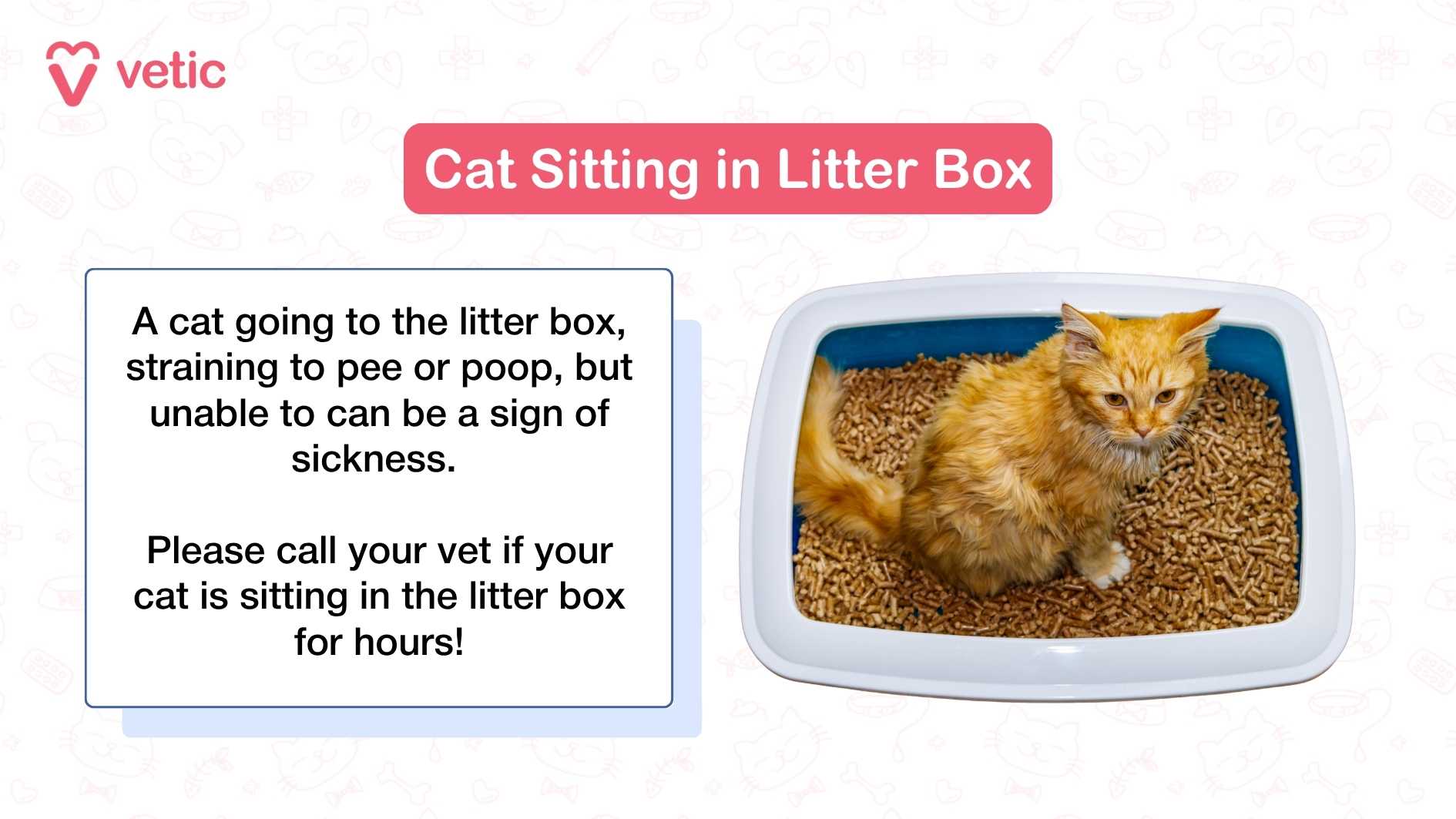
If your cat consistently avoids the litter box despite cleaning it regularly and providing a comfortable environment, it’s time to get professional help. Persistent accidents may indicate underlying health issues such as urinary tract infections or digestive problems.
Have you checked if your cat is showing this behavior in multiple locations or just one? Consistency in accidents can help your vet diagnose the problem faster. Don’t wait for the problem to worsen—early intervention is key.
Severe Symptoms
Watch out for signs like blood in the stool, vomiting, diarrhea, or lethargy along with the litter box avoidance. These symptoms often point to serious medical conditions that require immediate veterinary attention.
Ignoring these could lead to complications that affect your cat’s overall well-being. If you notice any sudden changes in appetite or behavior alongside pooping outside the box, call your vet right away.
Professional Behavior Assessment
Sometimes, your cat’s behavior might stem from stress, anxiety, or environmental changes rather than illness. A veterinarian can help assess whether your cat’s actions are behavioral or medical.
They can recommend solutions such as behavior modification, environmental enrichment, or medication. Have you considered if recent changes at home could be upsetting your cat? Getting a professional opinion can provide clarity and peace of mind.
Credit: vetic.in
Frequently Asked Questions
Why Does My Cat Poop Outside The Litter Box?
Cats often poop outside the litter box due to stress, illness, or litter issues. They may dislike the box’s cleanliness, location, or type of litter. Identifying the cause helps prevent this behavior and keeps your cat comfortable and healthy.
Can Medical Problems Cause Litter Box Avoidance?
Yes, medical issues like urinary tract infections or digestive problems can make cats avoid the litter box. Pain or discomfort during elimination leads them to seek alternative spots. A veterinary checkup is essential to rule out health concerns.
How To Stop My Cat From Pooping Outside?
Ensure the litter box is clean, in a quiet area, and accessible. Try different litter types and boxes. Address stress factors and consult a vet if behavior continues. Consistency and patience are key to resolving this issue.
Is Litter Box Size Important For Cats?
Yes, cats prefer spacious litter boxes that allow easy movement. Small boxes can cause discomfort and lead to accidents outside. Providing a large, clean box encourages proper use and reduces unwanted pooping habits.
Conclusion
Cat pooping outside the litter box often signals a problem. It can mean stress, health issues, or litter box troubles. Watch your cat’s behavior closely and act quickly. Clean the area well to stop repeat accidents. Try changing the litter or box location.
Visit the vet if problems continue. Understanding your cat helps keep your home clean and your pet happy. Small changes can make a big difference. Stay patient and caring—your cat needs your support.




Leave a Reply