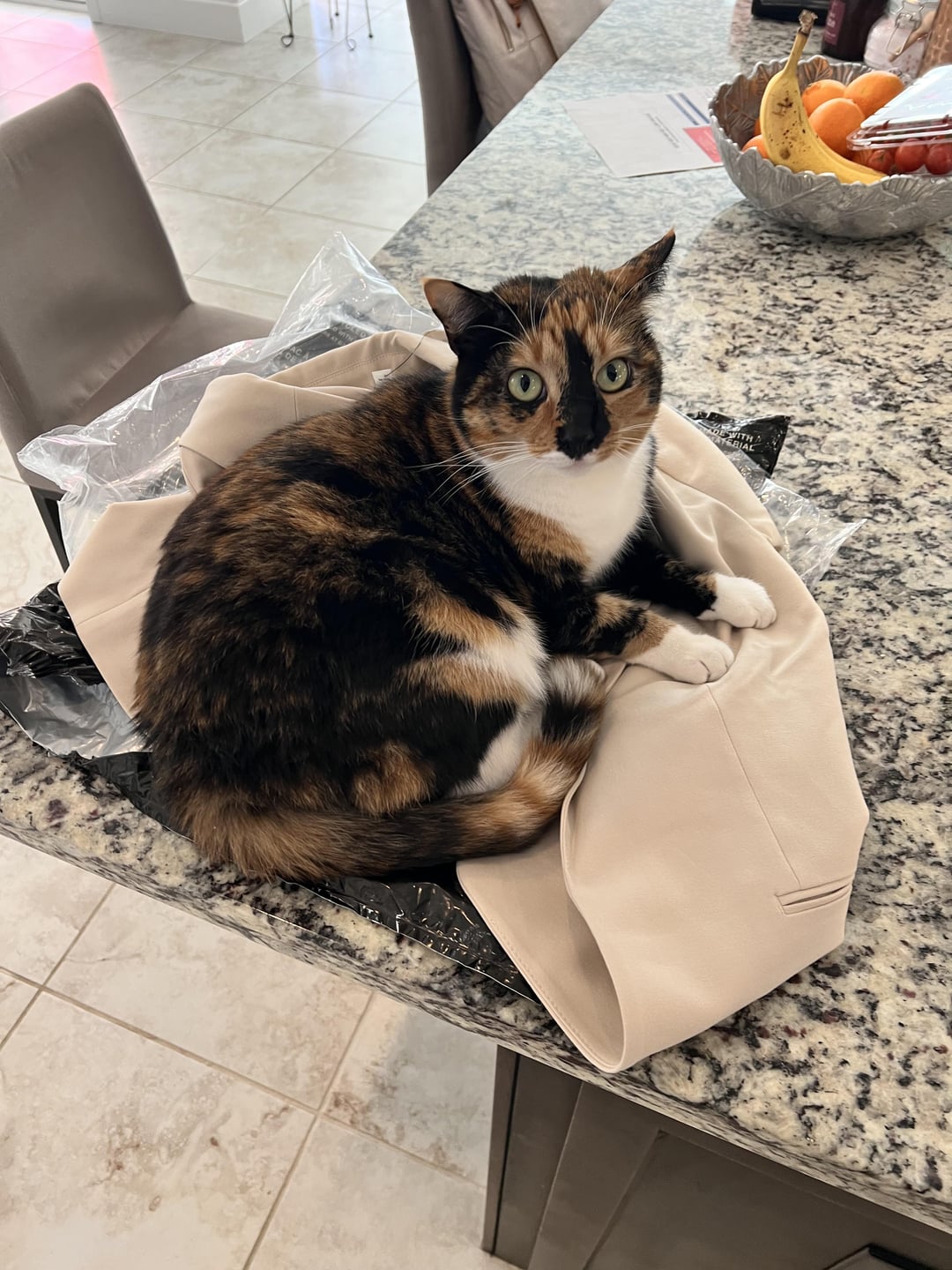
Have you ever found your cat peeing outside of the litter box and wondered why? It can be frustrating and confusing, especially when you thought your furry friend was well-trained.
But understanding the reasons behind this behavior can help you fix the problem quickly. You’ll discover the common causes of litter box issues and simple steps you can take to make your cat comfortable again. Keep reading, because solving this mystery will bring peace back to your home—and to your cat.

Credit: www.reddit.com
Common Medical Causes
Cats peeing outside the litter box often signal medical problems. These health issues cause discomfort or pain. The cat avoids the box to escape the pain. Spotting medical causes early can protect your cat’s health. Below are common medical reasons behind this behavior.
Urinary Tract Infections
Urinary tract infections (UTIs) irritate a cat’s bladder and urethra. This irritation causes frequent and painful urination. Cats with UTIs may urinate outside the litter box. They try to find relief from the burning sensation. Treatment usually involves antibiotics prescribed by a vet.
Bladder Stones And Crystals
Bladder stones and crystals form from minerals in the urine. These can scratch or block the bladder. Cats with stones or crystals feel pain when urinating. They may avoid the litter box to escape discomfort. A vet can diagnose this with tests and offer treatment options.
Kidney Disease
Kidney disease affects how cats process waste and fluids. This condition can increase urination frequency. Cats might urinate outside the box due to urgency or confusion. Early detection helps manage symptoms and improves quality of life. Regular vet check-ups are important for older cats.
Diabetes And Other Illnesses
Diabetes causes high blood sugar and increased thirst. Cats with diabetes urinate more often and in unusual places. Other illnesses, like hyperthyroidism, also change urination habits. These diseases require veterinary diagnosis and treatment. Proper care can reduce litter box issues linked to illness.
Behavioral Reasons
Behavioral reasons often cause cats to pee outside their litter box. Cats are sensitive animals. Their actions reflect how they feel inside their environment. Understanding these behaviors helps solve the problem effectively.
Stress And Anxiety
Cats feel stressed by loud noises, new people, or changes at home. Stress can make them avoid the litter box. They may urinate in unusual places to show discomfort. Recognizing stress signs helps calm them down quickly.
Territorial Marking
Cats mark territory to protect their space. Urinating outside the box is a way to claim areas. This behavior is common in multi-cat homes or outdoor cats. Spraying or peeing signals other animals to stay away.
Changes In Environment
Moving homes, new furniture, or visitors can confuse cats. They may stop using the litter box during these times. The new setting feels strange and unsafe. Giving them time and comfort restores their habits.
Litter Box Preferences
Cats are picky about their litter box. They dislike dirty boxes or strong scents. The box location also matters. If it’s noisy or hard to reach, they avoid it. Providing a clean, quiet spot encourages proper use.
Litter Box Issues
Cats may pee outside the litter box due to stress, illness, or a dirty box. Changes in their environment can also cause this behavior. Understanding these reasons helps keep your cat happy and your home clean.
Cats peeing outside the litter box is a common issue. Often, the root cause lies with the litter box itself. Let’s explore some common litter box issues and how they can affect your cat’s behavior.Dirty Or Unclean Box
Cats are very clean animals. They prefer a spotless litter box. A dirty box might drive them to seek other places to relieve themselves. Clean the box daily to ensure your cat stays happy.Wrong Type Of Litter
Cats can be picky about litter. Some prefer fine grains, while others like clumping litter. Experiment with different types to find what suits your cat best.Location Problems
The box’s location matters. Cats need a quiet, private spot. Loud areas or high traffic zones can stress them. Find a calm place for their litter box.Number Of Litter Boxes
A single litter box might not suffice, especially in multi-cat homes. Provide one box per cat, plus one extra. This ensures your cats have enough options and reduces territorial disputes.Age-related Factors
Age plays a big role in why cats might pee outside their litter boxes. Both kittens and senior cats face unique challenges that affect their bathroom habits. Understanding these age-related factors helps in managing and preventing accidents.
Kitten Training Challenges
Kittens are still learning where to go. They need time and patience to get used to the litter box. Sometimes, they do not understand the box’s purpose right away. Kittens might forget to use the litter box, especially during play or rest times.
Training young cats involves:
- Showing them the litter box often
- Keeping the box clean and easy to access
- Using gentle encouragement and praise
Inconsistent training or a dirty box can cause kittens to choose other spots. They need clear guidance to form good habits.
Senior Cat Mobility Issues
Older cats may struggle to reach or enter the litter box. Arthritis or joint pain can make jumping or climbing difficult. This discomfort can lead to accidents outside the box.
To support senior cats:
- Use litter boxes with low sides for easy access
- Place boxes near favorite resting spots
- Keep multiple boxes around the home
Mobility problems also make it hard for cats to dig or cover waste. This can cause stress and avoidance of the box. Helping senior cats stay comfortable can reduce these issues.
Solutions And Prevention
Finding out why your cat pees outside the litter box is just the start. Fixing this behavior takes patience and the right approach. You’ll want to address medical issues, training, and your cat’s environment to help them feel comfortable and secure.
Veterinary Checkups
Health problems often cause cats to avoid their litter box. Issues like urinary tract infections or kidney disease can make peeing painful or urgent. If your cat suddenly starts peeing outside the box, schedule a vet visit to rule out medical causes.
Regular checkups help catch hidden illnesses early. Keep a record of any changes in behavior or litter box habits to share with your vet. This information can guide treatment and prevent recurring accidents.
Behavioral Training
Sometimes cats need a little guidance to get back on track. Positive reinforcement works well; reward your cat with treats or affection when they use the litter box correctly. Avoid punishment—it only increases stress and can worsen the problem.
Consistency is key. Make sure everyone in your household follows the same rules and routines. Consider using clicker training or gentle redirection to encourage good habits.
Improving Litter Box Setup
The litter box itself can be a big part of the problem. Cats prefer clean, quiet places. Scoop the box daily and change the litter regularly to keep it fresh.
Try different types of litter to find what your cat likes best—some prefer clumping, others unscented. Also, provide enough boxes: one per cat plus one extra. Place them in low-traffic, private areas to make your cat feel safe.
Reducing Stress Triggers
Stress can cause a cat to avoid their litter box. Changes like new pets, moving furniture, or loud noises might unsettle your cat. Watch for signs like hiding or excessive grooming, which indicate anxiety.
Create a calm environment with safe spaces and regular playtime. Pheromone diffusers can help relax your cat. Have you noticed if your cat’s accidents happen after specific events? Identifying triggers can guide you in making your home more comfortable for your feline friend.

Credit: www.youtube.com
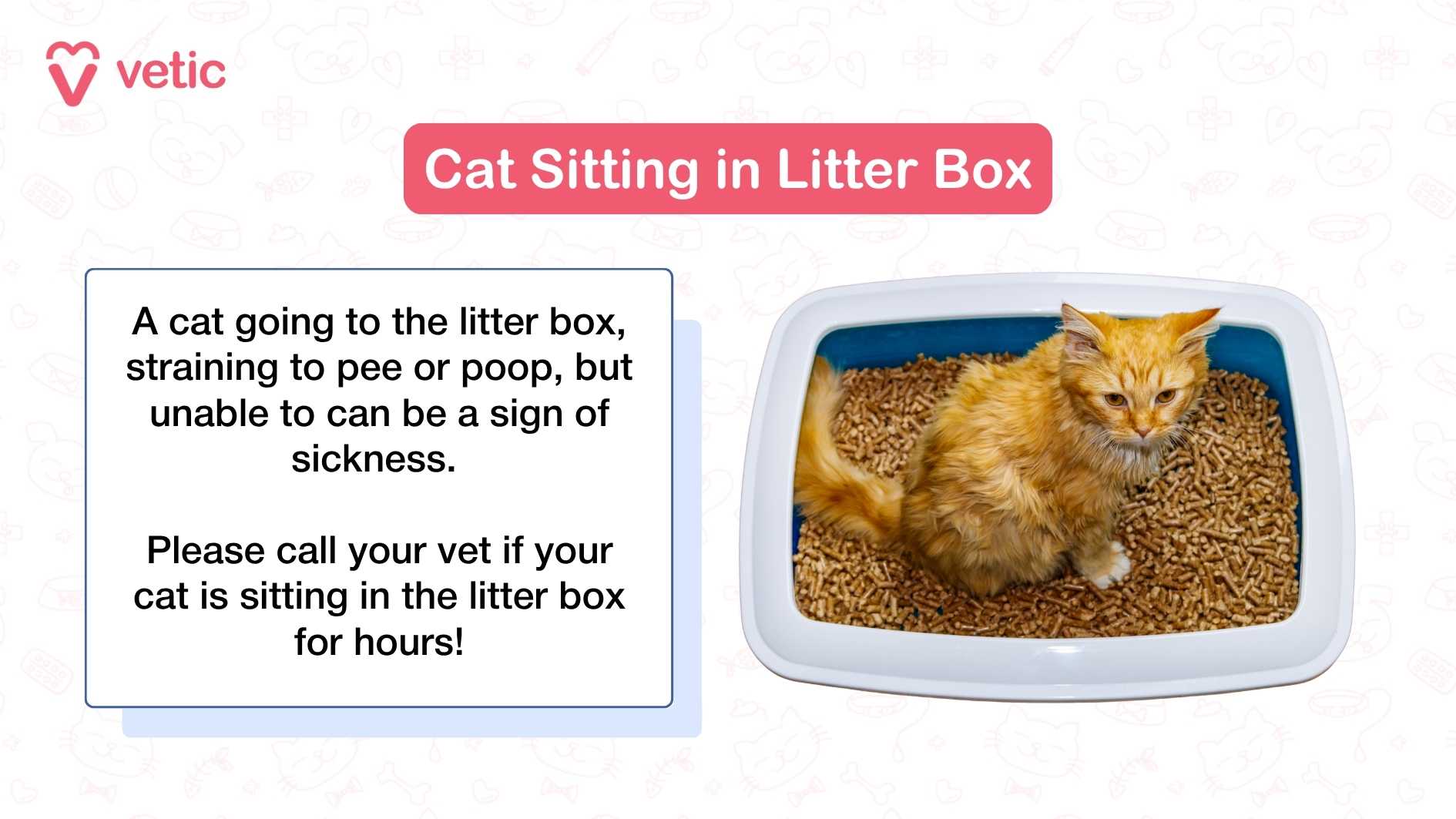
Credit: vetic.in
Frequently Asked Questions
Why Do Cats Avoid The Litter Box Sometimes?
Cats may avoid the litter box due to stress, illness, or dirty litter. Changes in environment or box location can also cause this behavior. Ensuring a clean, quiet, and accessible litter box helps reduce accidents outside the box.
Can Medical Issues Cause Cats To Pee Outside?
Yes, urinary tract infections, bladder stones, or kidney problems can cause cats to urinate outside the litter box. A vet visit is essential to rule out health problems and provide appropriate treatment if needed.
How Can I Stop My Cat From Peeing Outside?
Clean the litter box regularly and provide multiple boxes in quiet areas. Use unscented, clumping litter and keep boxes away from food. Address stressors and consult a vet for possible medical issues to prevent accidents.
Does Litter Box Size Affect A Cat’s Peeing Habits?
Yes, a small or crowded litter box may discourage use. Cats prefer spacious boxes with low sides for easy entry. Providing an adequately sized litter box promotes proper usage and reduces accidents.
Conclusion
Cats pee outside the litter box for many reasons. Stress, health problems, or dirty boxes can cause this. Watch your cat’s behavior closely. Keep the litter box clean and in a quiet place. Sometimes, a visit to the vet is needed.
Understanding your cat helps fix the problem faster. Patience and care make a big difference. Your cat will feel safe and happy again. Small changes bring better habits. Keep trying, and you will see progress soon.



Leave a Reply