Have you ever noticed your cat spending a lot of time licking and cleaning itself? You might wonder, what does it mean when a cat keeps grooming himself?
Understanding this behavior can tell you a lot about your furry friend’s health and emotions. Whether your cat is grooming out of habit, stress, or something more serious, knowing the reasons can help you keep your pet happy and healthy.
Keep reading to discover the surprising truths behind your cat’s grooming habits and what you can do to support them.
Normal Grooming Habits
Cats are known for their fastidious grooming habits. Seeing your cat spend a good chunk of the day licking and cleaning itself is completely normal. Understanding what drives this behavior can help you recognize when grooming is healthy and when it might signal a problem.
Why Cats Groom Regularly
Cats groom themselves multiple times a day to keep their fur clean and free of dirt. This behavior also helps regulate their body temperature by spreading natural oils evenly across their coat.
Have you noticed how your cat often pauses to clean hard-to-reach spots? This shows their instinct to maintain comfort and hygiene. Grooming also calms cats by reducing stress and anxiety, much like how you might find a soothing routine during a busy day.
Benefits Of Grooming
Grooming isn’t just about looking good; it serves several important purposes. It removes loose fur and prevents matting, which keeps your cat’s coat healthy and shiny.
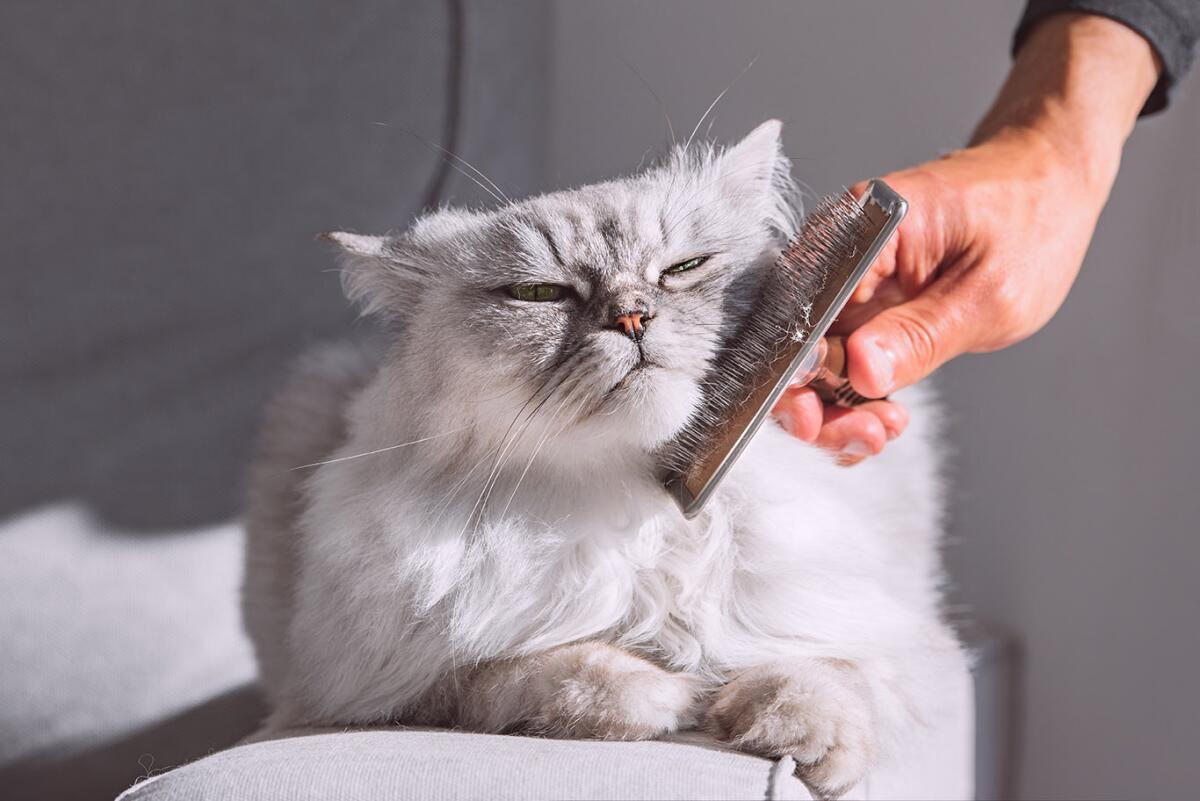
Regular grooming also protects your cat from parasites like fleas and ticks. Plus, it strengthens the bond between you and your pet when you assist with brushing, turning grooming into a positive shared experience.
Excessive Grooming Signs
Excessive grooming in cats may signal stress, illness, or skin issues. Cats groom to stay clean and calm. But too much grooming can harm their skin and fur. Recognizing signs of over-grooming helps protect your cat’s health.
How Much Grooming Is Too Much
Normal grooming takes up to 30% of a cat’s waking time. Excessive grooming means more than usual or frequent licking. Watch for repeated licking in one spot. Grooming that causes hair loss or skin damage is too much. If your cat grooms nonstop for long periods, it is a warning sign.
Physical Indicators To Watch
- Bald patches or thinning fur
- Red, irritated, or swollen skin
- Scabs or sores from scratching
- Dry, flaky skin
- Excessive saliva or wet fur in one area
These signs suggest your cat needs a vet check. Early attention can prevent bigger problems.
Stress And Anxiety Causes
Cats often groom themselves to stay clean and healthy. But when grooming happens too much, stress or anxiety might be the cause. Stress can make cats lick and bite their fur more than usual. This behavior helps them feel calmer in tough situations.
Grooming As A Coping Mechanism
Excessive grooming is a way cats handle stress. It helps them distract from feelings of fear or worry. Grooming releases calming chemicals in their brain. This soothes their nerves and reduces tension. Sometimes, it becomes a habit that is hard to stop.
Common Stress Triggers
Several things can cause stress in cats:
- Changes in environment, like moving to a new home
- New people or pets in the house
- Loud noises or sudden events
- Lack of play or mental stimulation
- Health problems or pain
Recognizing these triggers helps in reducing your cat’s anxiety. A calm environment can stop excessive grooming from becoming a problem.
Medical Reasons Behind Grooming
Cats groom themselves to stay clean and healthy. Sometimes, excessive grooming signals medical problems. Understanding these medical reasons helps protect your cat’s well-being.
Skin Allergies And Irritations
Skin allergies cause itching and redness. Cats may lick or bite the irritated areas. Common allergens include food, pollen, and dust mites. Allergies can lead to hair loss and sores. Treating allergies improves your cat’s comfort and grooming habits.
Parasites And Infections
Parasites like fleas and mites cause intense itching. Cats groom to remove these pests. Bacterial or fungal infections can also cause discomfort. These infections make skin inflamed or scaly. Veterinary care is essential to clear infections and stop grooming problems.
Pain And Discomfort
Pain in joints or muscles may lead to grooming changes. Cats might focus on a sore spot. Grooming can become excessive or uneven. Detecting pain early helps prevent further health issues. A vet can diagnose and treat the source of pain.
Behavioral And Environmental Factors
Cats spend a lot of time grooming. It is natural and normal. But excessive grooming can signal issues. Behavioral and environmental factors can influence this behavior. Identifying these factors helps understand your cat better.
Boredom And Lack Of Stimulation
Cats need mental and physical activities. Boredom leads to over-grooming. Without stimulation, they seek comfort in grooming. Provide toys and playtime. Engage them with interactive games.
Changes In Routine Or Environment
Routine changes affect cats. Moving homes or new family members can be stressful. Such changes lead to excessive grooming as a coping mechanism. Maintain a consistent routine. Gradually introduce changes to reduce stress.
When To Seek Veterinary Help
Noticing your cat grooming excessively can be worrying. Sometimes, it’s normal behavior, but other times it signals a problem that needs veterinary care. Knowing when to seek help is key to keeping your furry friend healthy and comfortable.
Symptoms Requiring Attention
Watch for signs that go beyond regular grooming. If your cat’s fur looks patchy or there are bald spots, it’s a red flag. Persistent scratching or biting at the same area can indicate irritation or pain.
Also, take note if your cat seems restless or agitated while grooming. Changes in appetite, lethargy, or unusual behavior alongside grooming can point to underlying health issues. Have you seen your cat’s skin looking red, swollen, or scaly? These symptoms definitely need professional evaluation.
Diagnostic Approaches
When you visit the vet, they will start with a thorough physical exam. This helps identify any skin problems or parasites that might be causing discomfort. Your vet might take skin scrapings or perform allergy tests to find the root cause.
In some cases, blood tests are necessary to check for infections or hormonal imbalances. Imaging tools like X-rays may also be used if internal issues are suspected. The goal is to pinpoint the exact reason behind your cat’s excessive grooming so the right treatment can begin quickly.
Managing Excessive Grooming
Managing excessive grooming in cats requires careful attention and a gentle approach. Cats may groom too much due to stress, health issues, or boredom. Understanding the root cause helps in choosing the best way to support your cat’s well-being.
Reducing Stress And Anxiety
Stress often triggers over-grooming in cats. Create a calm space with quiet areas free from loud noises. Spend time playing gently to build trust and reduce tension. Regular routines help cats feel safe and secure. Avoid sudden changes that might upset your cat’s mood.
Medical Treatments
Some grooming problems come from health issues. Visit the vet for a full checkup to rule out allergies or skin problems. The vet may suggest medication to soothe irritation or treat infections. Sometimes, hormone treatments help if the cause is hormonal imbalance. Follow the vet’s instructions carefully for best results.
Environmental Enrichment
Boredom can cause cats to groom too much. Provide toys that encourage activity and mental stimulation. Puzzle feeders slow down eating and engage their mind. Cat trees and scratching posts offer outlets for natural behaviors. Rotate toys often to keep your cat interested and busy.
Frequently Asked Questions
Why Does My Cat Groom Himself So Often?
Cats groom to stay clean and remove dirt or loose fur. Frequent grooming can also indicate stress or skin irritation. It’s a normal behavior but excessive grooming may need vet attention.
Is Excessive Grooming A Sign Of Illness In Cats?
Yes, excessive grooming can signal allergies, parasites, or skin infections. It may also indicate anxiety or pain. If grooming seems obsessive, consult a veterinarian for diagnosis and treatment.
Can Grooming Help Cats Reduce Stress?
Absolutely. Grooming releases endorphins that calm cats. It’s a self-soothing behavior to reduce anxiety. Stressful changes or environments often lead to increased grooming.
How Can I Tell If Grooming Is Harmful?
Look for bald patches, sores, or redness on your cat’s skin. These signs suggest over-grooming and possible health issues. Prompt veterinary care is essential to prevent complications.
Conclusion
Cats groom themselves to stay clean and healthy. Sometimes, too much grooming means stress or illness. Watch your cat’s behavior closely. Offer comfort and a calm space. If grooming seems harmful, see a vet soon. Understanding your cat helps build a strong bond.
Caring for their needs keeps them happy. Remember, grooming is normal—but balance is key.

Leave a Reply