Are you wondering if your cat really needs grooming? You might think cats take care of themselves, but there’s more to it than just a quick lick.
Grooming can keep your furry friend healthy, comfortable, and even happier. But when should you step in and help? You’ll discover the signs that say your cat needs grooming and how it can make a big difference in their life.
Keep reading—you’ll find out everything you need to know to make the best choice for your pet.
Benefits Of Cat Grooming
Grooming your cat offers more than just a tidy appearance. It actively supports your pet’s health and comfort. Regular grooming sessions can make a noticeable difference in your cat’s well-being, and it might even strengthen the bond between you.
Improved Coat Health
Brushing and grooming help distribute natural oils throughout your cat’s fur. This keeps their coat shiny and soft instead of dry and brittle. A healthy coat means your cat is less likely to develop skin problems or dull patches.
When I started grooming my cat weekly, I noticed her fur became noticeably smoother and less tangled. It’s a simple routine that can save you from costly trips to the vet for skin issues.
Reduced Shedding
Shedding can be frustrating, especially if you love a clean home. Grooming removes loose hairs before they fall around your house. This can reduce the amount of fur on your furniture and clothes.
Have you ever been surprised by how much hair your cat leaves behind? Regular grooming tackles this head-on and makes clean-up easier. Plus, it helps your cat feel more comfortable without excess fur weighing them down.
Prevention Of Hairballs
Cats groom themselves, but this often leads to swallowing loose fur that forms hairballs. These can cause discomfort or even digestive problems. By grooming your cat, you remove loose fur and reduce the chance of hairballs forming.
I used to worry about my cat coughing up hairballs frequently. After adding regular grooming sessions, those incidents dropped significantly. It’s a practical way to keep your cat’s digestion healthier.
Early Detection Of Health Issues
Grooming gives you a chance to closely check your cat’s skin, ears, and overall condition. You might spot unusual lumps, bumps, or signs of parasites early on. Catching these problems early can lead to quicker treatment and better outcomes.
Once, while grooming, I noticed a small sore that I hadn’t seen before. A quick vet visit prevented a bigger issue. Could grooming be your chance to catch hidden health problems before they worsen?
When To Groom Your Cat
Knowing when to groom your cat is key to keeping them healthy and happy. Grooming isn’t just about making your cat look good—it helps prevent health issues and strengthens your bond. But how do you decide the right time to pick up those brushes and clippers?
Breed-specific Needs
Different cat breeds have different grooming requirements. Long-haired breeds like Maine Coons or Persians need more frequent grooming to avoid mats and tangles. Short-haired cats typically require less grooming, but they still benefit from regular brushing to reduce shedding and hairballs.
Have you noticed how your cat’s fur type affects how often they need brushing? Paying attention to their specific breed traits helps you tailor a grooming schedule that fits their needs perfectly.
Signs Your Cat Needs Grooming
Watch for clear signs that your cat needs grooming. Matted fur, excessive shedding, or dandruff are red flags. If your cat is scratching more than usual or has oily, dirty fur, it’s time to groom.
Sometimes your cat might hide their discomfort well. If you spot clumps of fur falling out or your cat avoids being touched in certain areas, don’t wait—start grooming to ease their discomfort.
Seasonal Grooming Tips
Seasonal changes influence your cat’s grooming needs. In spring and summer, your cat might shed more as they lose their winter coat. Regular brushing during this time helps manage shedding and keeps your home cleaner.
Winter calls for less frequent grooming, but check for dry skin or flaky patches. Adjust your grooming routine with the seasons to keep your cat comfortable year-round.
Grooming Methods For Cats
Grooming your cat keeps its coat clean and healthy. It also helps spot skin problems early. Regular grooming strengthens your bond and reduces hairballs. Different methods suit different cats and coat types. Knowing proper techniques makes grooming easier and safer for your pet.
Brushing Techniques
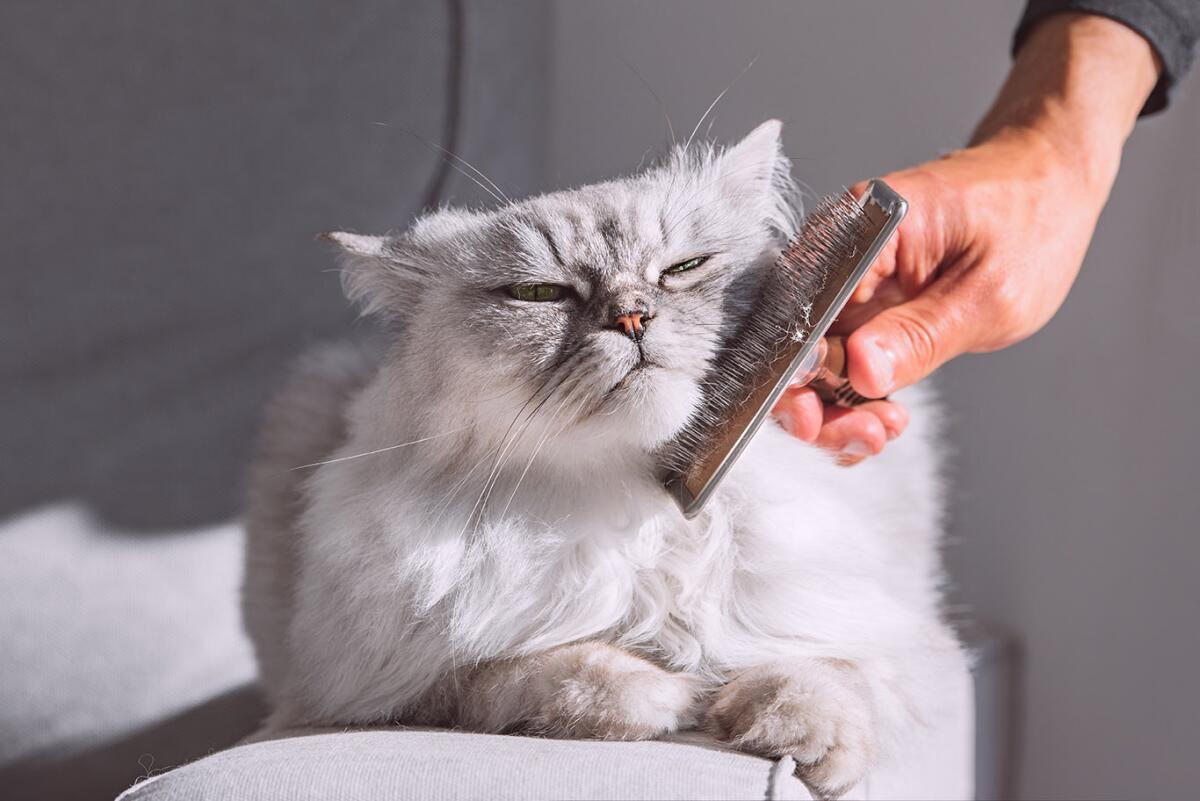
Brushing removes loose fur and dirt. Use a brush that fits your cat’s fur type. Short-haired cats need a soft bristle brush. Long-haired cats require a wide-toothed comb or slicker brush.
- Brush gently to avoid hurting the skin.
- Start from the head and move toward the tail.
- Focus on mats and tangles carefully.
- Brush regularly to prevent shedding and knots.
Bathing Your Cat
Bathing is not always necessary but can help with dirt or fleas. Use warm water and cat-safe shampoo only. Avoid getting water in the cat’s ears and eyes.
- Brush your cat before the bath to remove loose fur.
- Wet the fur slowly and apply shampoo gently.
- Rinse thoroughly to remove all soap.
- Dry your cat with a towel or low heat dryer.
Nail Trimming Tips
Trim nails to avoid scratches and damage. Use a sharp, small pet nail clipper. Handle paws gently to reduce stress.
- Press the paw pad to extend the nails.
- Cut only the sharp tip, avoiding the pink quick.
- Trim nails every few weeks for best results.
- Use a nail file to smooth sharp edges.
Ear And Eye Care
Clean ears and eyes to prevent infections. Use a damp cotton ball or soft cloth. Avoid inserting anything deep into the ear canal.
- Wipe outer ear gently to remove dirt and wax.
- Check for redness, odor, or discharge regularly.
- Clean eyes with a separate cloth for each eye.
- Remove tear stains or debris softly to avoid irritation.
Professional Grooming Services
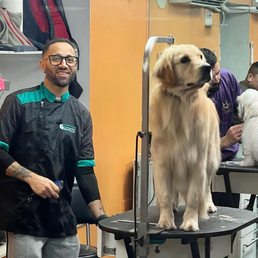
Professional grooming services can make a big difference in your cat’s comfort and health. Many cat owners find that expert groomers handle tricky areas like mats and nails with ease. If you’re unsure whether your cat needs professional help, understanding what these services offer can guide your decision.
Choosing The Right Groomer
Not all groomers have experience with cats, so look for someone who specializes in feline care. Ask about their training and how they handle nervous or aggressive cats. Reading reviews and getting recommendations from your vet or friends can save you stress later.
Visit the grooming salon beforehand if possible. Notice if the environment is calm and clean. A good groomer will be patient and gentle, making your cat feel safe during the process.
What To Expect During A Grooming Session
Sessions usually include brushing, bathing, nail trimming, and ear cleaning. Some cats may need extra care to remove mats or get a haircut. The groomer will assess your cat’s coat and skin to suggest the best care routine.
Expect the groomer to communicate clearly about your cat’s behavior and any concerns. They might share tips for at-home maintenance to keep your cat comfortable between visits. If your cat has special needs, like arthritis or anxiety, discuss them beforehand.
Costs And Frequency
Grooming costs vary based on your cat’s size, coat type, and specific needs. Basic sessions might start around $40, but more intensive grooming can cost $80 or more. Always ask for a detailed price list before booking.
How often your cat needs grooming depends on their breed and lifestyle. Long-haired cats often require monthly visits, while short-haired cats might only need a few sessions a year. Pay attention to your cat’s coat condition and adjust the frequency as needed.
Diy Grooming Safety Tips
Considering a DIY grooming session for your cat? Keep clippers and scissors away from sensitive areas. Ensure your cat feels calm and safe throughout the process.
Grooming your cat at home can be a rewarding experience for both you and your feline friend, but it’s important to prioritize safety. DIY grooming can save money and strengthen the bond with your pet, yet it requires careful preparation and attention to detail. To ensure a safe and positive grooming session, you need the right tools, a calm environment, and a keen awareness of common mistakes to avoid.Tools You Need
Before you start, gather all necessary grooming tools. A basic kit should include a high-quality brush suitable for your cat’s fur type, a comb for detangling, and a pair of pet-safe scissors for trimming any mats. You might also consider a nail clipper designed specifically for cats and a gentle cat shampoo if bathing is part of your routine. Having all tools within reach can prevent unnecessary interruptions and stress for your cat.How To Keep Your Cat Calm
Keeping your cat calm is crucial for a successful grooming session. Start by choosing a quiet room where your cat feels safe. Spend a few minutes playing or petting your cat to help them relax before you begin grooming. During the process, speak to your cat in a soothing voice and offer treats as positive reinforcement. Remember, patience is key; if your cat becomes too stressed, it’s okay to take a break and try again later.Avoiding Common Mistakes
One common mistake is rushing through the grooming process. Take your time to ensure you’re not pulling on your cat’s fur or cutting too close to the skin. Another pitfall is using human grooming products, which can be harsh on a cat’s delicate skin. Always use products specifically designed for cats. Lastly, be mindful of your cat’s body language; if they show signs of distress, stop and reassess your approach. Your cat’s comfort and safety should always come first.Grooming Challenges And Solutions
Grooming cats can bring many challenges that pet owners must face. Cats may resist grooming due to fear or discomfort. Their fur can become tangled or matted, causing pain. Long-haired cats require more attention and care. Understanding these challenges helps create better grooming experiences for both cats and owners.
Handling Anxious Cats
Anxiety makes grooming difficult for many cats. They may hide, scratch, or bite during grooming sessions. Patience and calmness help reduce stress. Speak softly and move slowly around your cat. Use treats to create positive associations with grooming. Short grooming sessions work better than long ones. Try grooming in a quiet, comfortable space.
Dealing With Matted Fur
Matted fur causes discomfort and skin problems. Regular brushing prevents mats from forming. If mats appear, gently work them out with fingers or a comb. Avoid pulling hard to prevent pain. For severe mats, professional grooming may be necessary. Use a detangling spray made for cats. Check areas like behind ears and under legs often.
Managing Long-haired Cats
Long-haired cats need more frequent grooming than short-haired ones. Their fur easily tangles and traps dirt. Brush daily to remove loose hair and prevent mats. Use a wide-tooth comb for knots and a fine-tooth comb for smooth fur. Bathing occasionally helps keep fur clean. Keep claws trimmed to avoid scratching during grooming.
Grooming And Cat Happiness
Grooming plays a key role in a cat’s happiness and health. Clean fur, trimmed nails, and a comfortable coat help cats feel their best. Grooming reduces stress and prevents skin problems. It also keeps the bond between you and your cat strong.
Building A Grooming Routine
Create a simple grooming routine to keep your cat relaxed. Short, regular sessions work best. Use gentle brushes and combs made for cats. Start slowly and increase grooming time as your cat gets used to it. Consistency helps your cat expect and enjoy grooming.
Bonding Through Grooming
Grooming is more than cleaning; it is a way to connect. Soft strokes show your cat love and care. Many cats purr or knead during grooming. These signs mean your cat feels safe and happy. Take time to talk softly while grooming to soothe your pet.
Recognizing Your Cat’s Preferences
Every cat has unique grooming likes and dislikes. Watch your cat’s reactions closely. Some cats prefer brushing on the head and neck. Others like their back or belly touched less often. Respect their comfort zones to build trust and make grooming enjoyable.
Frequently Asked Questions
What Are The Benefits Of Professional Cat Grooming?
Professional cat grooming helps maintain a clean, healthy coat and reduces shedding. It prevents matting and skin issues. Groomers can spot health problems early. It also reduces hairballs and keeps your cat comfortable and happy.
How Often Should You Groom Your Cat?
Most cats benefit from grooming every 4 to 6 weeks. Long-haired cats may need more frequent sessions. Regular grooming prevents mats and hairballs. It also promotes healthy skin and reduces allergens in your home.
Can Grooming Reduce Cat Shedding Significantly?
Yes, grooming removes loose fur and dead skin cells. Regular brushing and professional grooming reduce shedding indoors. It helps manage allergens and keeps your home cleaner. Grooming also improves coat health and shine.
Is Cat Grooming Safe For All Breeds?
Yes, grooming is safe for all cat breeds when done properly. Professional groomers adapt techniques based on breed and coat type. Regular grooming supports overall health and comfort for every cat.
Conclusion
Grooming your cat helps keep its coat clean and healthy. It reduces shedding and prevents mats and tangles. Regular grooming can spot health issues early on. Some cats enjoy the extra attention and care. Consider your cat’s breed, age, and temperament before grooming.
Professional groomers can help if you feel unsure. A well-groomed cat looks happier and feels better. Decide what works best for your cat’s needs. Simple care can improve your cat’s comfort and health.

Leave a Reply