Have you ever noticed your cat repeatedly licking or grooming one particular spot on their body? It might seem harmless at first, but this behavior can tell you a lot about your furry friend’s health and comfort.
Understanding why your cat focuses on a specific area can help you spot potential problems early and keep your pet happy and healthy. You’ll discover the surprising reasons behind this grooming habit and what you can do to help your cat feel their best.
Keep reading to learn more—it could make all the difference for your beloved companion.
Common Grooming Habits
Cats have unique grooming habits that help keep them clean and healthy. Grooming is a natural behavior. It removes dirt, loose fur, and parasites. Cats also groom to cool down and relax. Sometimes, cats focus on one specific spot. This can be due to comfort or irritation. Understanding common grooming habits helps explain why cats behave this way.
Typical Grooming Patterns
Cats usually start grooming their face and head. They use their tongue to lick and clean. After the head, they move to the neck and chest. Then, they groom their back and sides. Cats often clean their paws last. They lick their paws and use them to clean their face. Grooming follows this general order but can vary by cat.
Some cats focus on one spot more than others. This may be because of an itch or injury. Cats may also groom a spot to relieve stress. Repeated grooming on one area can sometimes signal a problem. Watching these patterns helps pet owners notice changes in health or mood.
Frequency And Duration
Cats groom several times a day. Each session can last from a few minutes to over half an hour. Younger cats groom more often than older ones. Long-haired cats may spend more time grooming. They need to prevent mats and tangles.
Stress or boredom can increase grooming frequency. Some cats groom excessively as a coping mechanism. On the other hand, illness may reduce grooming behavior. A sudden change in grooming habits is worth checking with a vet.
Physical Irritations
Physical irritations often cause cats to focus grooming on a specific spot. These irritations can make your cat feel uncomfortable, leading to excessive licking or biting in one area. Understanding these causes helps you address your cat’s discomfort effectively.
Allergies And Skin Conditions
Allergies can make a cat’s skin itchy and inflamed. Common allergens include certain foods, pollen, dust, or cleaning products. If you notice your cat constantly licking one spot, it could be reacting to an allergy or a skin condition like dermatitis.
Have you checked if your cat’s environment has changed recently? Sometimes, even switching laundry detergents can trigger a reaction. Keep an eye on redness, swelling, or hair loss, and consult your vet for allergy testing or treatment options.
Parasites And Fleas
Parasites such as fleas are a frequent cause of localized grooming. The irritation from flea bites can be intense, prompting your cat to focus on the affected area. Fleas often hide in thick fur, making it harder to spot them right away.
Think about your cat’s outdoor activities or contact with other animals. Parasite prevention is key—regular flea treatments can stop this cause before it starts. If your cat is grooming a particular spot vigorously, check for tiny dark specks or flea dirt on the fur.
Injuries And Pain
Your cat may groom a spot repeatedly if it is injured or in pain. Scratches, cuts, or even internal pain beneath the skin can cause this behavior. Grooming can act as a way for cats to soothe themselves or inspect the injury.
Have you noticed limping or sensitivity when touching the area? Sometimes the pain isn’t obvious until you look closer. If the grooming spot is warm, swollen, or bleeding, seek veterinary advice promptly to avoid infection or worsening injury.
Behavioral Triggers
Cats often groom a specific spot on their body due to certain behavioral triggers. These triggers affect their mood and habits. Understanding these reasons helps pet owners provide better care. Grooming can be more than just cleaning. It can signal emotions or needs. Let’s explore some common behavioral causes.
Stress And Anxiety
Stress makes cats focus on one spot to groom. It helps them calm down and feel safe. Grooming releases feel-good chemicals in their brain. Cats may lick or bite the same place repeatedly. This behavior reduces nervous energy and tension. Stress can come from loud noises, new people, or changes at home.
Boredom And Habit Formation
Bored cats often develop grooming habits to pass time. Repeated grooming of one area becomes a routine. It fills the empty hours and provides comfort. Over time, the habit strengthens and hard to stop. Boredom may result from lack of play or attention. Providing toys and interaction can reduce this behavior.
Territorial Marking
Cats use grooming to mark their territory. They spread their scent by licking specific spots. This signals to other animals that the area or themselves belong there. Territorial marking can be stronger in multi-cat homes. It helps cats feel secure in their environment. Grooming a spot may reinforce ownership and control.
Environmental Factors
Environmental factors play a significant role in why your cat might focus grooming on a specific spot. Changes in their surroundings, the presence of other pets, and even seasonal shifts can influence their behavior. Understanding these triggers can help you support your cat’s comfort and well-being.
Changes In Surroundings
Have you noticed your cat suddenly licking or biting one area more after moving furniture or rearranging a room? Cats are sensitive to changes in their environment, and new sights, smells, or sounds can make them anxious. This stress often shows up as focused grooming, which is their way of self-soothing.
Try to keep your cat’s favorite spots consistent. If you need to change something, introduce it gradually and observe how your cat reacts. Sometimes, adding familiar blankets or toys can help ease the transition.
Presence Of Other Pets
Introducing a new pet to your home can disrupt your cat’s sense of security. You might see your cat grooming a particular spot more often as a response to stress or a way to mark their territory with scent glands in their saliva.
Have you seen your cat intensify grooming after meeting a new dog or cat? This behavior can signal discomfort or a need for reassurance. To help, create safe zones where your cat can retreat and feel in control.
Seasonal Influences
Seasonal changes affect your cat’s grooming habits in subtle ways. During warmer months, cats might groom more to cool down by spreading saliva on their fur. In colder seasons, they may focus on areas that feel itchy or dry due to changes in humidity.
Have you noticed your cat licking one spot more during winter? Dry skin can cause irritation, and targeted grooming is their way of trying to relieve it. Using a humidifier or moisturizing sprays made for cats can ease discomfort and reduce excessive grooming.
Medical Issues
Cats may groom a specific spot due to irritation or an underlying medical issue. Allergies or infections often cause discomfort. Stress or anxiety can also lead to excessive grooming. Identifying the root cause is crucial for effective treatment and relief for your cat.
Cats are meticulous groomers by nature. Yet, excessive grooming of a specific spot might indicate medical issues. Understanding these issues can help address your cat’s grooming behavior. Here are some potential medical causes to consider:Dermatitis And Infections
Cats may groom excessively due to skin irritation or infections. Dermatitis can result from allergies, flea bites, or irritants. Infections might arise from bacteria or fungi. Both conditions cause itching or pain, prompting focused grooming.Neurological Conditions
Neurological issues can trigger unusual grooming habits. Conditions like nerve damage or brain disorders might confuse a cat’s sensations. This can lead them to groom particular spots repeatedly, seeking relief or comfort.Hormonal Imbalances
Hormonal problems can affect a cat’s grooming patterns. Imbalances in hormones might cause changes in skin or hair. This can lead to discomfort, prompting your cat to groom affected areas more often.When To Seek Veterinary Help
Noticing your cat grooming a specific spot repeatedly can be worrying. While occasional grooming is normal, excessive focus on one area may signal an underlying problem. Knowing when to seek veterinary help can protect your cat’s health and comfort.
Identifying Warning Signs
Pay attention if your cat’s grooming becomes obsessive or causes hair loss. Look for redness, swelling, or sores on the skin. Changes in behavior, such as irritability or hiding, can also indicate discomfort.
Ask yourself: Is the spot warm or painful to touch? Has your cat started licking or biting the area more than usual? These signs suggest it’s time to consult a vet.
Diagnostic Procedures
Your vet will begin with a physical exam to check the affected area carefully. They might perform skin scrapings or allergy tests to identify infections or irritants. Blood tests can help rule out systemic conditions that cause itching or discomfort.
Sometimes, your vet may recommend a biopsy to examine the skin tissue in detail. Don’t hesitate to share any changes in your cat’s environment or diet, as these clues help pinpoint the cause.
Treatment Options
Treatment depends on the underlying issue. For infections, your vet may prescribe antibiotics or antifungal medication. Allergies might require dietary changes or antihistamines.
In some cases, medicated shampoos or topical creams can soothe the irritated spot. If stress triggers the grooming, your vet might suggest environmental enrichment or calming aids. Your involvement in following through with treatment is key to your cat’s recovery.
Preventive Measures
Understanding why your cat grooms a specific spot excessively can help you take steps to prevent discomfort and potential skin issues. Preventive measures focus on maintaining your cat’s overall well-being and addressing any underlying causes before they turn into bigger problems. These strategies help keep your feline friend comfortable and happy.
Regular Grooming Routine
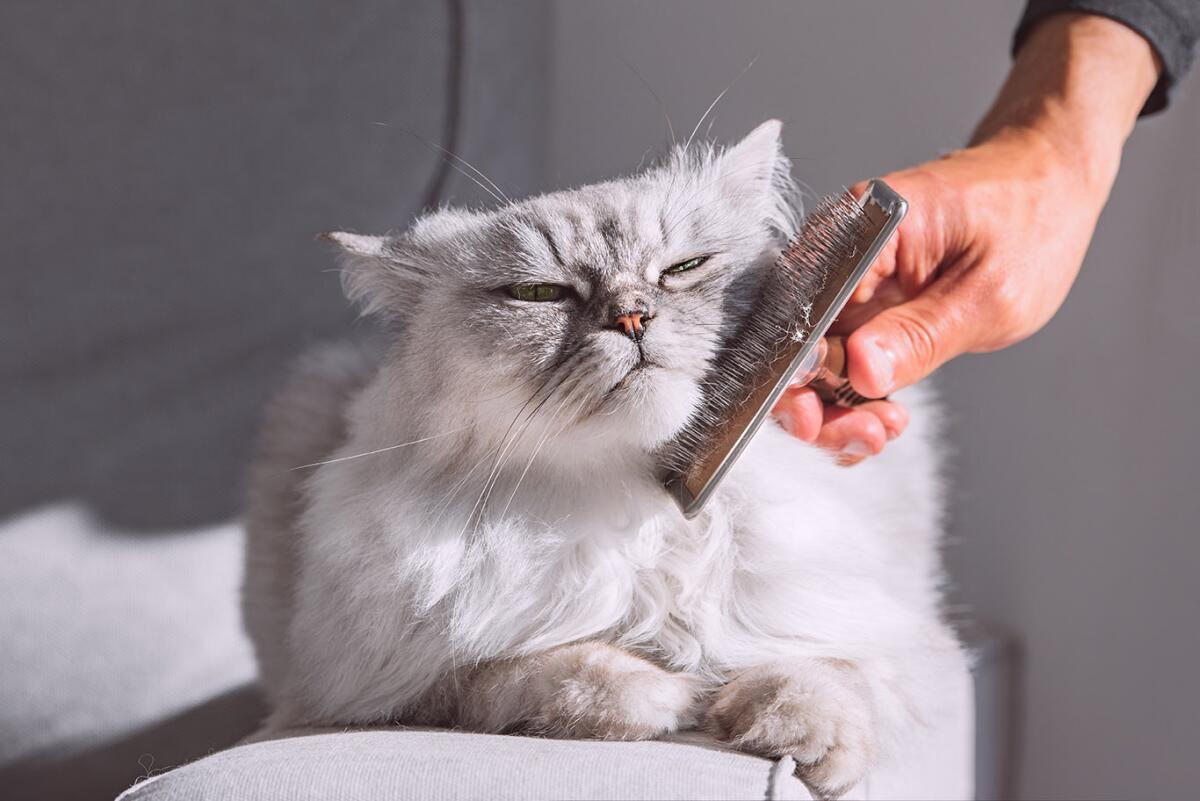
Keeping up with a consistent grooming schedule can reduce your cat’s urge to focus on one spot. Regular brushing removes loose fur and dirt, which can irritate the skin and cause your cat to over-groom.
Try to groom your cat at least a few times a week, adjusting based on their coat type. This can also be a bonding moment that helps you spot any unusual patches or skin changes early.
Environmental Enrichment
Boredom and stress often lead cats to lick or chew one area repeatedly. Providing toys, scratching posts, and interactive play sessions can keep your cat’s mind and body active.
Have you noticed your cat focusing more on grooming when left alone? Adding variety to their environment can redirect that energy in a healthier way.
Health Monitoring
Keep an eye on your cat’s skin and behavior for signs of allergies, parasites, or infections. Early detection of health issues can prevent excessive grooming caused by irritation or discomfort.
Regular vet check-ups are essential. If you see persistent licking or bald spots, don’t wait—consult your vet to rule out medical problems.
Frequently Asked Questions
Why Does My Cat Groom One Spot Repeatedly?
Cats often groom a specific spot due to irritation, allergies, or injury. This behavior helps soothe discomfort or remove irritants. Persistent grooming may indicate skin issues or parasites. If excessive, consult a vet to rule out medical problems and ensure your cat’s well-being.
Can Stress Cause Cats To Focus Grooming On One Area?
Yes, stress can lead cats to overgroom a particular spot. This behavior acts as a coping mechanism to relieve anxiety. Identifying and reducing stressors can help. Providing a calm environment and enrichment may reduce focused grooming caused by emotional distress.
Does Grooming A Specific Spot Indicate Skin Allergies?
Focused grooming can signal skin allergies in cats. Allergic reactions cause itching, prompting cats to lick or bite one area. Common allergens include fleas, food, and environmental factors. A vet can diagnose allergies and recommend treatment to stop excessive grooming.
How Do Injuries Affect A Cat’s Grooming Habits?
Injuries cause cats to groom the affected spot more to clean and soothe pain. This targeted grooming helps remove debris and promotes healing. However, excessive licking may worsen wounds, so monitor and seek vet care if needed to prevent complications.
Conclusion
Cats focus on certain spots for many reasons. Sometimes, it’s due to itchiness or irritation. Other times, they feel comfort in that area. Grooming can also show stress or boredom. Watching your cat’s behavior helps you understand their needs. Regular check-ups with a vet keep your cat healthy.
Notice changes in grooming to catch problems early. A happy cat means a calm and clean pet. Take time to care for your feline friend’s habits. This builds trust and keeps your cat content.

Leave a Reply