
Have you ever wondered if your cat’s favorite toys could be putting them at risk? When it comes to feline leukemia, every cat owner wants to know the truth.
Can your cat actually catch this serious disease from playing with toys? The answer might surprise you—and it’s crucial for keeping your furry friend safe. Keep reading to discover what you need to watch out for and how to protect your cat from unseen dangers lurking in playtime.
Feline Leukemia Basics
Understanding the basics of feline leukemia is essential if you want to keep your cat safe and healthy. Many cat owners worry about how this virus spreads and whether everyday items, like toys, can be a source of infection. Let’s break down what feline leukemia virus (FeLV) is and how it actually spreads among cats.
What Is Feline Leukemia Virus
Feline leukemia virus (FeLV) is a contagious virus that affects cats. It weakens their immune system and can lead to severe illnesses like cancer and infections. Unlike some diseases, FeLV doesn’t show obvious symptoms right away, so many cats seem perfectly healthy while carrying the virus.
You might wonder if your playful kitten could catch FeLV just by sharing toys. The virus itself is fragile and cannot survive long outside a cat’s body, which means it’s unlikely to live on toys for enough time to infect another cat.
How Felv Spreads Among Cats
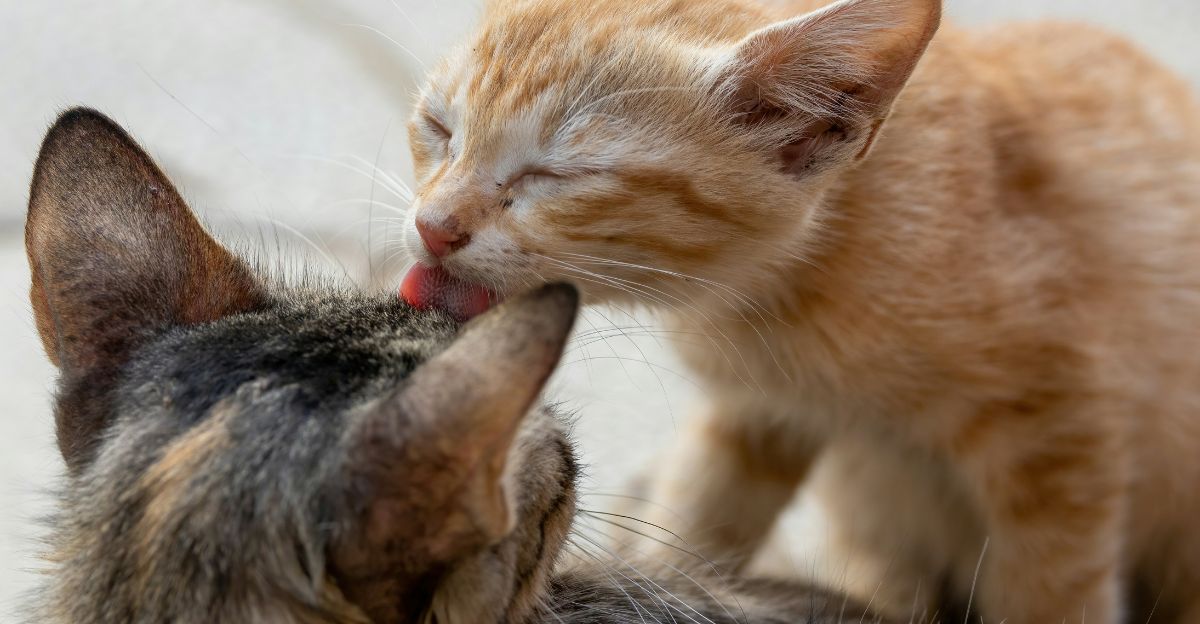
FeLV spreads mainly through close, direct contact between cats. This includes behaviors like grooming each other, sharing food and water bowls, or fighting where saliva and blood might be exchanged.
- Mother cats can pass FeLV to their kittens during pregnancy or nursing.
- Cat bites and scratches are common ways the virus moves from one cat to another.
- Shared litter boxes and casual contact are less risky but still possible routes.
Think about your own cat’s daily routine. If your cats don’t share these close interactions with an infected cat, the risk of FeLV is much lower. So, while keeping toys clean is important for general hygiene, it’s not the main concern when it comes to feline leukemia.

Credit: www.cbc.ca
Toys And Felv Transmission
Toys play a crucial role in keeping your cat entertained and healthy. However, when it comes to feline leukemia virus (FeLV), a common concern is whether these toys can become a medium for transmission. Understanding the relationship between toys and FeLV is essential to ensure your cat stays safe and healthy.
Can Toys Carry The Virus
FeLV is primarily spread through direct contact with an infected cat’s saliva, urine, or blood. Although the virus cannot survive long outside a host, there’s a small chance toys could carry it if contaminated. If an infected cat drools on a toy, and another cat plays with it shortly after, transmission could potentially occur.
It’s unlikely that toys are a major source of transmission, but it’s not impossible. The virus is fragile and does not last long on surfaces. Still, practicing good hygiene can minimize any risk.
Risk Factors Linked To Cat Toys
Shared toys in multi-cat households could increase the risk. If one of your cats is FeLV positive, segregating their toys can help prevent spreading the virus. Clean and disinfect toys regularly to further reduce any potential risk.
Consider the material of the toys. Porous toys like fabric ones can absorb saliva and may be harder to clean. Opt for toys that are easy to wash and dry quickly, like rubber or plastic, to minimize risk.
Are you regularly checking and cleaning your cat’s toys? This simple practice could be key to keeping your feline friend safe from FeLV. Always be proactive about your cat’s health by ensuring their playthings are as safe as possible.
Common Ways Cats Catch Felv
Understanding how feline leukemia virus (FeLV) spreads helps you protect your cat better. FeLV is contagious but it doesn’t transfer through casual contact like toys. Instead, the virus mainly spreads through close, prolonged interactions. Let’s look at the common ways your cat might catch FeLV so you can spot risks early.
Direct Contact With Infected Cats
FeLV spreads easily when cats groom, bite, or play roughly with an infected cat. These close contacts allow the virus to move through saliva, blood, or other body fluids. If your cat spends time with unknown or outdoor cats, the risk increases significantly.
Have you noticed your cat engaging in aggressive fights or sharing close grooming sessions with other cats? These moments can be high-risk for FeLV transmission.
Mother To Kitten Transmission
Mothers infected with FeLV can pass the virus to their kittens during pregnancy or through nursing. This is why testing pregnant cats is crucial to prevent spreading FeLV to newborns. Early detection helps protect young kittens, who are especially vulnerable.
Do you know if your cat’s mother was tested for FeLV? Ensuring this can save your kitten from future health challenges.
Shared Food And Water Bowls
While less common, sharing food and water bowls with an infected cat can spread FeLV if saliva or blood contaminates the surfaces. If you have multiple cats, using separate bowls reduces this risk. Regular cleaning of bowls also helps keep germs away.
Think about your feeding setup—are your cats sharing bowls? Adjusting this can be a simple step to keep everyone safer.
Credit: www.carecredit.com
Preventing Felv Infection
Preventing Feline Leukemia Virus (FeLV) infection is essential to keep your cat healthy and happy. While toys can be a source of joy and stimulation, understanding how to manage them safely can protect your feline friend from potential risks. Let’s look at practical ways you can minimize FeLV exposure through everyday actions.
Safe Toy Practices
Sharing toys between cats can spread FeLV, especially if one is infected. Always clean toys regularly using pet-safe disinfectants to reduce the risk of virus transmission.
Consider assigning individual toys to each cat in a multi-cat household. This simple step can prevent direct contact with saliva or blood, common ways FeLV spreads.
Have you noticed your cat sharing toys with neighborhood cats? Keep outdoor toys in a safe place or bring them indoors to avoid exposure from unknown animals.
Regular Vet Checkups
Frequent veterinary visits help detect FeLV early, even before symptoms show. Your vet can perform blood tests that confirm whether your cat is infected or at risk.
Discuss your cat’s lifestyle with your vet to tailor preventive care. Cats that roam outside or interact with other cats may need more frequent screenings.
Remember, catching FeLV early improves management options and quality of life. Don’t wait for signs to appear—schedule checkups regularly.
Vaccination Importance
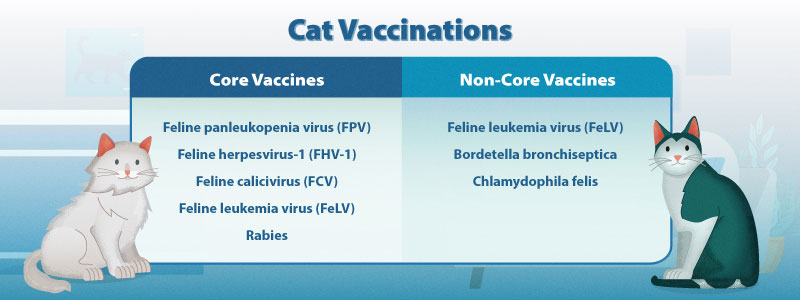
FeLV vaccines are a powerful tool in reducing infection risk. Talk to your vet about vaccinating your cat, especially if they go outdoors or live with other cats.
The vaccine isn’t 100% protective but significantly lowers chances of infection. Pair vaccination with safe toy practices and vet visits for the best defense.
Are you aware of your cat’s vaccination status? Keeping vaccines up to date is a simple way to add a strong layer of protection against FeLV.
What To Do If Your Cat Is Exposed
Finding out your cat might have been exposed to feline leukemia virus (FeLV) can be worrying. Immediate action helps protect your cat’s health and comfort. Knowing the signs and steps to take is important. Early care can improve quality of life for your pet.
Symptoms To Watch For
- Lethargy or unusual tiredness
- Loss of appetite or weight
- Swollen lymph nodes
- Persistent fever
- Pale gums or mouth sores
- Breathing difficulties
- Diarrhea or vomiting
- Frequent infections
Observe your cat closely for these symptoms. Early detection helps prevent serious problems.
Testing And Diagnosis
Visit a veterinarian promptly for testing. Blood tests detect the presence of FeLV. The vet may perform:
- ELISA test for initial screening
- IFA test for confirmation
- Additional blood work to assess health
Early diagnosis allows for timely care and management.
Care Tips For Infected Cats
- Keep your cat indoors to reduce infection risk
- Provide a balanced and nutritious diet
- Schedule regular vet check-ups
- Manage stress and keep a calm environment
- Use medications as prescribed by your vet
- Monitor symptoms and report changes promptly
Supportive care helps maintain your cat’s well-being. Love and attention make a big difference.

Credit: m.youtube.com
Frequently Asked Questions
Can Cats Catch Feline Leukemia From Toys?
No, cats cannot catch Feline Leukemia from toys. The virus spreads mainly through saliva, blood, and close contact. Contaminated toys are not a transmission source, as the virus does not survive long on surfaces.
How Is Feline Leukemia Virus Transmitted?
Feline Leukemia virus spreads through direct contact like grooming, biting, or sharing food bowls. It requires close contact between infected and healthy cats. Indirect transmission through objects like toys is highly unlikely.
Should I Disinfect My Cat’s Toys To Prevent Felv?
Disinfecting toys is good for hygiene but not necessary to prevent Feline Leukemia. The virus doesn’t survive long outside the cat’s body. Focus on regular cleaning and keeping infected cats separate.
Can Multiple Cats Share Toys Safely?
Yes, cats can share toys safely if no one is infected with FeLV. Avoid sharing if any cat is diagnosed with Feline Leukemia to prevent virus spread through saliva or blood contact.
Conclusion
Toys do not spread feline leukemia to cats. The virus passes mainly through saliva and blood. Sharing food bowls or biting spreads the disease more often. Keeping your cat’s toys clean is still a good idea. Regular vet visits help catch health problems early.
Protect your cat with vaccines and safe play habits. Healthy cats live happier, longer lives. Remember, safe toys make playtime fun and worry-free. Stay informed and care for your cat well.

Leave a Reply