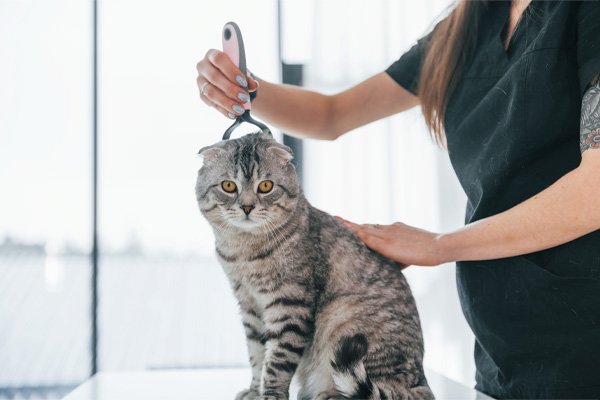
Have you ever wondered what happens when someone grooms a cat? It’s more than just brushing fur.
Grooming helps keep your cat healthy, comfortable, and happy. When you understand what goes into it, you’ll see why it’s so important for your furry friend. Ready to discover the secrets behind cat grooming and how it benefits your pet?
Keep reading—you might be surprised by what you learn!
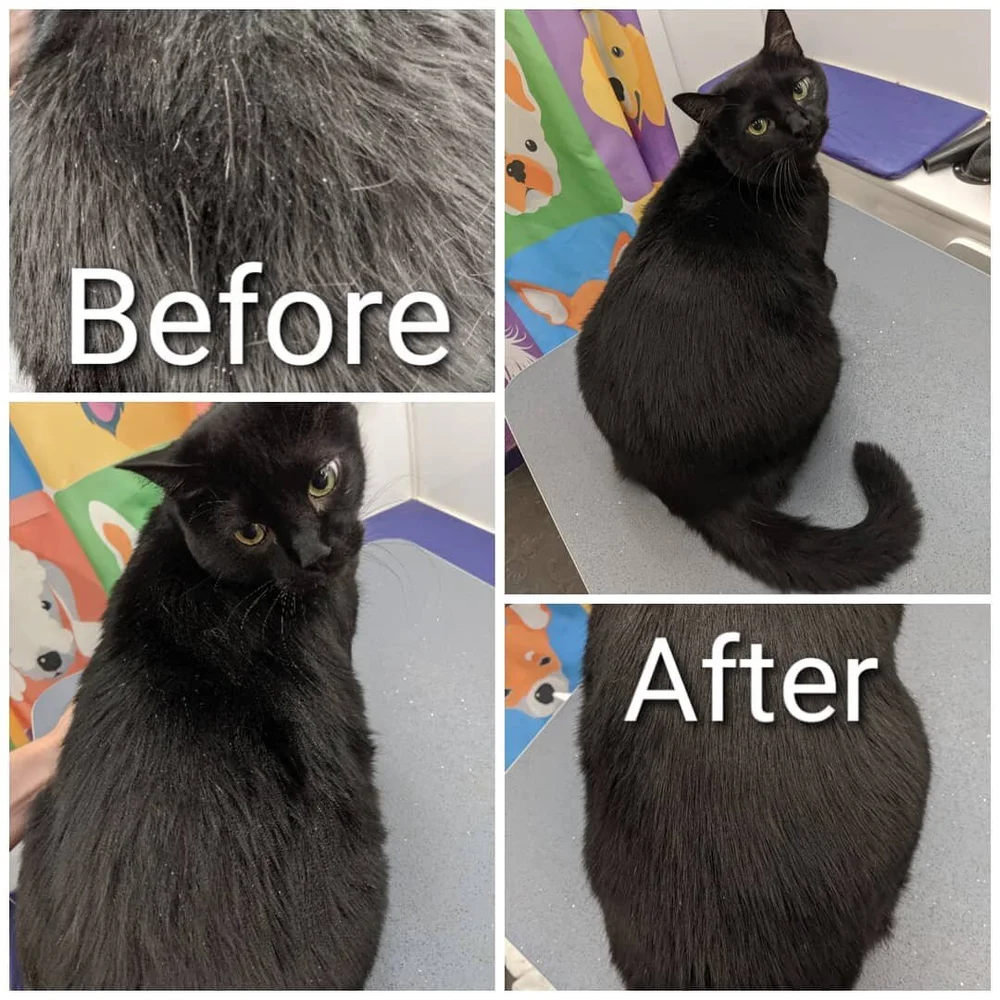
Credit: www.squeakycleangrooming.com
Preparing For Grooming
Preparing to groom your cat sets the stage for a smooth and stress-free experience. It’s not just about having the right tools but also about tuning into your cat’s feelings and creating a space that feels safe. Getting these details right can turn grooming from a chore into a bonding moment.
Choosing The Right Tools
Having the proper grooming tools is essential. You’ll need a brush or comb suited to your cat’s fur type—short-haired cats benefit from a soft-bristle brush, while long-haired cats need a wide-tooth comb or slicker brush.
Don’t forget other essentials like nail clippers, grooming wipes, and possibly a detangling spray. Investing in quality tools makes the process easier and more comfortable for your cat.
Creating A Calm Environment
Your cat’s mood depends a lot on the environment. Choose a quiet, comfortable spot with good lighting where your cat feels safe.
Turn off loud noises and distractions. Sometimes playing soft music or using pheromone sprays can help relax your cat and reduce anxiety.
Checking The Cat’s Mood
Before you start, take a moment to observe your cat’s behavior. Is your cat relaxed, playful, or hiding? If your cat seems stressed or agitated, it might be better to wait.
Respect your cat’s signals. Starting grooming when your cat is calm can prevent scratches and make the experience more positive for both of you.

Credit: services.petsmart.com
Brushing The Fur
Grooming a cat involves careful brushing to remove loose fur and dirt. This process helps prevent matting and reduces hairballs. Regular brushing also stimulates skin oils, keeping the coat shiny and healthy.
Brushing the fur is an essential part of grooming a cat. It helps maintain their coat’s health and reduces shedding. Regular brushing can prevent matting and tangles. It also keeps your cat looking its best. Let’s explore how to brush a cat’s fur effectively.Selecting The Appropriate Brush
Choosing the right brush is crucial for grooming. Different fur types need different brushes. Short-haired cats may need a rubber brush. Long-haired cats often require a slicker brush. A comb with wide teeth can help with tangles. Always select a brush that suits your cat’s fur.Removing Tangles And Mats
Tangles and mats can form quickly in a cat’s fur. Gently work through them with your fingers first. Use the comb to ease out knots without pulling. For stubborn mats, consider trimming them out. Keeping your cat calm is key during this process.Brushing Techniques For Different Fur Types
Short fur requires gentle strokes. Brush in the direction of hair growth. Long fur needs more attention. Use longer, careful strokes to avoid knots. Curly fur demands special care, using a slicker brush. Consistent brushing keeps fur smooth and healthy.Bathing The Cat
Bathing a cat is not a common part of grooming but sometimes it becomes necessary. Cats naturally clean themselves, so frequent baths can stress them out. Bathing helps remove dirt, oils, and certain pests that brushing alone cannot handle. Preparing the right environment and using gentle products are essential for a smooth experience.
When Bathing Is Necessary
Bathing is needed if the cat gets very dirty or sticky. Flea infestations or skin conditions may also require baths. Some cats with long hair need occasional washing to avoid mats. Bathing is important after exposure to harmful substances or strong odors too.
Using Cat-friendly Shampoo
Only use shampoos made specifically for cats. Human or dog shampoos can irritate their skin. Cat shampoos keep the skin healthy and the fur soft. Look for products that are gentle, fragrance-free, and safe if licked. Always rinse well to remove all soap residues.
Drying Methods
- Wrap the cat in a soft towel immediately after the bath.
- Gently pat dry without rubbing to avoid tangling fur.
- Use a hairdryer on a low, cool setting if the cat allows it.
- Keep the cat in a warm, draft-free room until fully dry.
Drying quickly helps prevent chills and discomfort. Staying calm and patient makes the drying process easier for both you and the cat.

Credit: nationalcatgroomers.com
Cleaning Ears And Eyes
Cleaning a cat’s ears and eyes is a vital part of grooming. These areas often collect dirt and wax. Regular care prevents infections and keeps cats comfortable. Groomers handle these spots gently and carefully.
Removing Dirt And Debris
Ear cleaning starts by looking inside for visible dirt. Groomers use a soft cloth or cotton ball. They wipe away wax and debris without pushing it deeper. For eyes, they gently remove crust or discharge. This helps keep the eyes clear and healthy.
Using Safe Cleaning Solutions
Only mild, cat-safe solutions clean ears and eyes. Water or vet-recommended cleaners work best. Groomers avoid harsh chemicals that cause irritation. They apply the solution on a cloth or cotton ball. Then, they carefully wipe the sensitive areas.
Signs Of Infection To Watch For
Groomers check for redness or swelling in ears and eyes. Excessive wax or discharge may signal infection. Foul smell from ears is a warning sign. Cats may shake their heads or scratch ears often. Watery, red, or swollen eyes need attention. Early spotting helps prevent serious problems.
Trimming Nails
Trimming your cat’s nails is a key part of grooming that keeps them comfortable and prevents damage to your furniture and skin. It also helps avoid painful nail overgrowth or ingrown nails. Many cat owners worry about this task, but with the right approach, it can be simple and even enjoyable for both of you.
Choosing The Right Clippers
Picking the right nail clippers makes a big difference in how smoothly the trimming goes. Look for clippers designed specifically for cats or small pets. They usually have a curved blade that fits the shape of a cat’s nail, allowing for precise cuts.
Avoid using human nail scissors or large clippers, as they can crush or splinter the nail. You might want to try guillotine-style clippers or scissor-style ones to see which feels better in your hand and works best on your cat.
Safe Nail Trimming Techniques
Start by holding your cat gently but firmly. Press the paw pad to extend the nails outward; this gives you a clear view of the sharp tip. Trim only the sharp, curved part of the nail—never cut into the pink area, called the quick, which contains nerves and blood vessels.
If your cat is nervous, try trimming just one or two nails per session to build trust. Use a calm voice and reward your cat with treats afterward to create a positive association. Have styptic powder or cornstarch nearby in case you accidentally cut the quick—it helps stop bleeding quickly.
Handling Nail-related Issues
Sometimes, nails can become overgrown, split, or infected. Overgrown nails can curl into the paw pads, causing pain and infection. If you notice swelling, redness, or discharge around the nails, it’s time to visit the vet.
For split or broken nails, trim off the damaged part carefully and keep an eye on healing. Avoid clipping nails if your cat shows signs of severe distress or if the nails look abnormal without professional advice. How often do you check your cat’s nails for problems?
Dental Care
Dental care is a key part of grooming your cat that often gets overlooked. Healthy teeth and gums make a huge difference in your cat’s overall well-being. Ignoring this area can lead to pain, bad breath, and even serious health problems.
Brushing Cat’s Teeth
Brushing your cat’s teeth might sound difficult, but it’s easier than you think. Use a soft-bristled toothbrush made specifically for cats and a pet-safe toothpaste. Never use human toothpaste, as it can harm your cat.
Start slowly by letting your cat taste the toothpaste. Then, gently lift their lips and brush in small circles. Even brushing just a few teeth regularly can prevent plaque buildup and keep their mouth fresh.
Dental Treats And Toys
Dental treats and toys can support your cat’s oral health between brushings. Look for treats designed to reduce tartar and massage gums as your cat chews. Some toys have ridges or textures that help clean teeth naturally.
Remember, these products don’t replace brushing but add an extra layer of care. Have you noticed your cat’s breath improving after using dental treats? That’s a sign they’re working.
Recognizing Dental Problems
Knowing the signs of dental issues helps you catch problems early. Watch for bad breath, excessive drooling, or difficulty eating. Red or swollen gums, loose teeth, and pawing at the mouth are clear warning signs.
If you see any of these symptoms, a vet visit is necessary. Ignoring dental pain can lead to infections that affect other organs. Could your cat be hiding discomfort? Paying attention can save them from serious issues.
Final Touches
The final touches in cat grooming are essential for the cat’s health and happiness. These steps help keep the cat comfortable and safe after grooming. They also ensure the cat feels calm and cared for.
Checking For Skin Issues
After grooming, check the cat’s skin carefully. Look for redness, bumps, or dry patches. These signs can show irritation or infection. Pay attention to areas under the fur and behind the ears. Early detection helps prevent serious problems.
Applying Flea And Tick Treatments
Applying flea and tick treatments protects the cat from pests. Use products made especially for cats. Follow the instructions on the package exactly. This step helps keep the cat free from discomfort and disease.
Rewarding The Cat
Reward the cat to end grooming on a positive note. Offer treats or gentle petting. This creates a good experience and builds trust. A happy cat is more relaxed during future grooming sessions.
Frequently Asked Questions
What Are The Main Steps In Grooming A Cat?
Grooming a cat involves brushing to remove loose fur, trimming nails, cleaning ears, and checking for skin issues. It helps maintain coat health and reduces shedding. Regular grooming also prevents matting and keeps your cat comfortable and clean.
How Often Should You Groom A Cat?
Most cats benefit from grooming once or twice a week. Long-haired cats may need daily brushing to prevent tangles. Regular grooming helps reduce hairballs, keeps the coat shiny, and promotes healthy skin. Adjust frequency based on your cat’s breed and coat type.
What Tools Are Used For Cat Grooming?
Common grooming tools include a slicker brush, comb, nail clippers, and ear wipes. Slicker brushes remove loose hair and mats. Nail clippers keep claws trimmed safely. Using the right tools ensures effective grooming without harming your cat.
Why Is Grooming Important For Cats?
Grooming keeps cats clean, reduces shedding, and prevents hairballs. It promotes healthy skin and detects health issues early. Grooming also strengthens the bond between you and your cat, making them feel cared for and comfortable.
Conclusion
Grooming a cat helps keep its fur clean and healthy. It removes dirt, loose hair, and prevents mats. Brushing also spreads natural oils that shine the coat. Checking ears and trimming nails keeps cats comfortable and safe. Grooming is a way to bond and show care.
Regular grooming supports your cat’s overall well-being. It helps spot health issues early. Taking time to groom your cat is a simple act of love. It keeps your pet happy, clean, and healthy every day.



Leave a Reply