Are you tired of your cat’s constant meowing? Looking for a furry friend who brings calm and quiet to your home?
Finding a cat breed that’s naturally quiet can make a big difference in your daily peace. You’ll discover which cat breeds are known for their calm and gentle nature. Whether you live in an apartment or just prefer a quieter companion, knowing these breeds will help you choose the perfect pet for your lifestyle.
Keep reading to find out which cats can bring tranquility without sacrificing affection.

Credit: www.msn.com
Traits Of Quiet Cat Breeds
Quiet cat breeds have unique traits that make them ideal companions if you prefer a peaceful home. These cats communicate softly or not at all, allowing you to enjoy their company without the noise. Understanding their key characteristics can help you decide if a quiet breed fits your lifestyle.
Low Vocalization Levels
Quiet cat breeds rarely meow loudly or frequently. Instead, they use gentle chirps or soft purrs to express themselves. Take the British Shorthair, for instance—they are known for their calm, almost silent communication style.
Have you noticed how some cats keep their voices to a minimum unless truly needed? This trait means less disruption, especially if you work from home or have young children who need quiet time.
Calm Temperament
These cats usually have a relaxed and steady personality. Their calm nature prevents sudden bursts of energy or noise, making them soothing pets. The Scottish Fold is a great example, often described as composed and easygoing.
Imagine coming home after a long day and being greeted by a cat that simply wants to sit quietly by your side. Doesn’t that sound like the perfect way to unwind?
Affectionate Nature
Quiet breeds often show their love through gentle gestures rather than loud demands for attention. They enjoy cuddling, following you around, or sitting quietly in your lap. The Ragdoll breed is famous for this gentle affection.
How do you prefer your cat to show love—through soft purrs and nudges, or through constant vocal calls? Quiet cats tend to express themselves in ways that feel more personal and less intrusive.
Top Calm Cat Breeds
Some cat breeds are known for their calm and quiet nature. These cats make great pets for people who prefer a peaceful home. They rarely meow loudly or cause disturbances. Their gentle personalities suit families, seniors, and apartment living.
Here are some of the top calm cat breeds that you might love to have as a quiet companion.
British Shorthair
British Shorthairs are famous for their calm and easygoing nature. They enjoy quiet moments and gentle play. These cats are not very vocal and prefer to stay relaxed. Their soft purrs and slow movements create a peaceful atmosphere.
Scottish Fold
Scottish Folds have a sweet and gentle personality. They rarely meow loudly and enjoy cuddling quietly. Their unique folded ears add to their calm appearance. These cats adapt well to calm households and avoid loud noises.
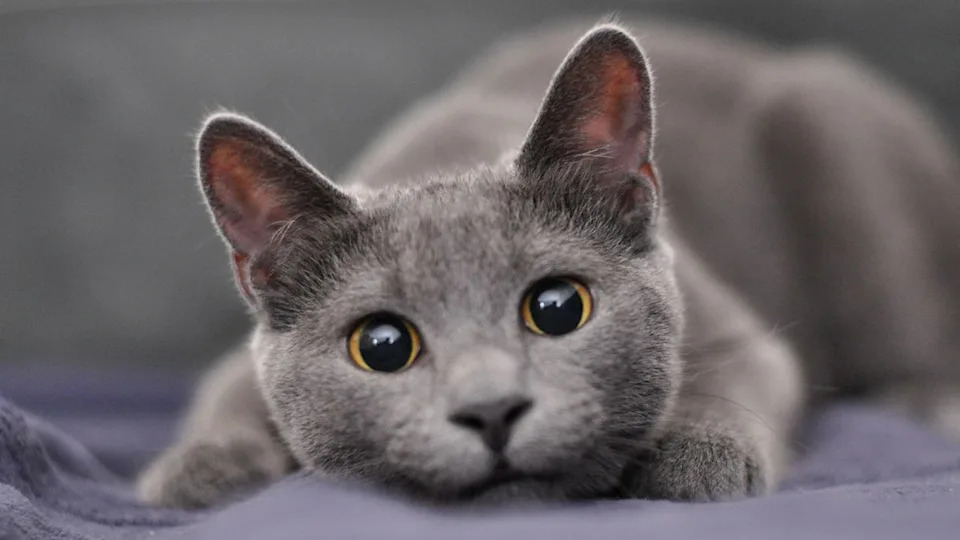
Russian Blue
Russian Blues are shy and reserved cats. They speak softly and avoid loud meowing. These cats form strong bonds with their owners and show affection quietly. Their calm behavior makes them ideal for quiet homes.
Ragdoll
Ragdolls are famous for their relaxed and docile nature. They often go limp when held, showing their trust and calmness. These cats prefer soft voices and peaceful surroundings. They rarely cause noise or disturbance.
Persian
Persians are gentle and laid-back cats. They enjoy lounging and calm environments. Their quiet meows and slow movements make them peaceful pets. Persians love relaxing with their owners in silence.
How To Identify A Quiet Cat
Identifying a quiet cat involves more than just counting meows. Some cats use subtle ways to communicate. Observing their behavior helps reveal their true nature. Quiet cats often show calmness in daily actions. They prefer gentle interactions and avoid loud outbursts. Pay attention to their unique signals. Understanding these signs makes it easier to find a peaceful feline friend.
Behavioral Signs
Quiet cats tend to move calmly around the house. They avoid sudden jumps or loud play. These cats enjoy resting in cozy spots. They rarely demand attention with loud noises. Instead, they show affection through soft purring or gentle nudges. Quiet breeds often stay close to their owners without being noisy. They usually have a relaxed and steady temperament.
Listening To Their Meows
Not all cats meow loudly or often. Quiet cats use soft, short meows or none at all. Their sounds are usually low-pitched and gentle. These cats communicate needs quietly, such as a soft call for food. They avoid long yowls or constant vocalizing. Listening carefully helps identify a cat’s volume and style. This trait is common in breeds known for silence.
Observing Body Language
Body language often speaks louder than meows. Quiet cats show calm and relaxed postures. Their ears stay forward or slightly tilted. Tail movements are slow and smooth, not twitchy. They make eye contact without staring aggressively. These cats use gentle gestures like slow blinking. Their movements appear deliberate, not rushed or tense. Watching their body language reveals their quiet nature clearly.

Credit: www.aol.com
Benefits Of Quiet Cats
Quiet cats bring calm and comfort to any household. Their soft voices and gentle nature create a soothing atmosphere. These cats are perfect for those who prefer a low-noise environment. They help reduce stress and improve relaxation at home. Choosing a quiet cat breed can enhance daily life in many ways.
Peaceful Home Environment
Quiet cats keep noise levels low and steady. They do not disturb your focus or sleep. Their calm behavior helps avoid conflicts with neighbors. A peaceful home feels more welcoming and restful. Quiet cats suit families wanting a calm space for all.
Ideal For Apartments
Small living spaces benefit from quiet pets. Loud cats can upset neighbors and cause complaints. Quiet breeds adapt well to apartment life. They keep the environment peaceful and friendly. These cats fit perfectly in close living quarters.
Good For Sensitive Owners
Some people find loud meows stressful or overwhelming. Quiet cats reduce anxiety for sensitive owners. They offer companionship without constant noise. These cats suit people with hearing issues too. Quiet breeds provide comfort and calm support.
Tips For Living With Quiet Cats
Certain cat breeds like the Scottish Fold, British Shorthair, and Russian Blue are known for being quiet. Choosing these calm breeds can help create a peaceful home environment. Understanding their gentle nature makes living with quiet cats easier and more enjoyable.
Living with quiet cat breeds can be a soothing experience. These felines bring a serene presence to your home, making them perfect companions for those who appreciate peace and tranquility. But how can you ensure your quiet cat remains happy and content? Here are some practical tips to create a harmonious living environment for your silent feline friend.Creating A Calm Space
Design a peaceful area in your home where your cat can retreat and relax. This could be a cozy corner with a soft bed or a window perch for sunbathing. Keep this space free from loud noises and frequent disturbances. It’s their sanctuary, a place where they can recharge and enjoy solitude. Consider using calming scents like lavender or chamomile. These can help maintain a soothing atmosphere, ensuring your cat feels secure and stress-free.Encouraging Gentle Play
While your quiet cat may not be as playful as other breeds, engaging them in gentle play is still important. Use soft toys or feather wands that don’t make loud noises. Interactive playtime strengthens your bond. It also stimulates their mind, keeping them active and healthy. Pay attention to your cat’s cues. If they seem uninterested, it’s okay to let them rest and try again later.Respecting Their Quiet Nature
Understanding and respecting your cat’s need for silence is crucial. Avoid forcing them into social situations they seem uncomfortable with. Give them the freedom to approach you when they feel like it. This respect builds trust and deepens your relationship. Do you find yourself wanting to talk to your cat? Use soft and gentle tones. They will appreciate your effort to communicate without overwhelming them. By creating a supportive environment, you can ensure your quiet cat feels loved and at ease. What adjustments can you make today to enhance your cat’s peaceful lifestyle?
Credit: www.latimes.com
When Quietness Signals Health Issues
Quiet cats usually bring calm to any home. Yet, sudden silence can sometimes mean trouble. Cats may stop vocalizing due to pain or illness. Not all quietness is normal. Understanding when quietness signals health issues helps protect your cat’s well-being.
Recognizing Sudden Silence
Sudden silence means your cat stops making normal sounds. A chatty cat becoming silent might be a warning sign. Watch for other changes like hiding or loss of appetite. Notice if your cat seems less active or restless. Sudden silence rarely happens without a reason.
Common Health Concerns
- Respiratory infections can make meowing painful.
- Throat or mouth problems may reduce vocalization.
- Stress or anxiety can cause cats to stop talking.
- Hearing loss may change how cats respond vocally.
- Injury or pain often leads to less sound.
When To Consult A Vet
Visit a vet if your cat’s silence lasts more than a day. Look for other symptoms like coughing, sneezing, or lethargy. A vet can check for infections or injuries. Early care prevents small problems from becoming serious. Trust your instincts about your cat’s health.
Frequently Asked Questions
Which Cat Breeds Are Known For Being Quiet?
Breeds like the Scottish Fold, British Shorthair, and Russian Blue are known for their quiet nature. These cats rarely meow loudly and prefer gentle communication, making them ideal for noise-sensitive owners.
Why Are Some Cat Breeds Quieter Than Others?
Quiet breeds tend to be less vocal due to genetics and temperament. They communicate through body language more than sounds, leading to a calmer and quieter demeanor.
Are Quiet Cat Breeds Good For Apartments?
Yes, quiet cat breeds adapt well to apartments. Their low vocalization reduces noise complaints, making them perfect for shared living spaces and close neighbors.
How Can I Train My Cat To Be Quieter?
Positive reinforcement and gentle redirection help reduce excessive meowing. Providing enough playtime and attention also keeps cats calm and less likely to vocalize loudly.
Conclusion
Quiet cat breeds make great pets for calm homes. They often communicate softly or stay peaceful. Choosing a breed that matches your lifestyle helps avoid stress. Cats like the Scottish Fold or British Shorthair tend to be gentle and quiet.
Remember, every cat has its own personality. Spend time with your cat to understand its sounds and moods. A quiet cat brings calm and joy to any household. Consider these breeds if you want a peaceful companion. Peaceful moments with your cat can brighten your day.



Leave a Reply