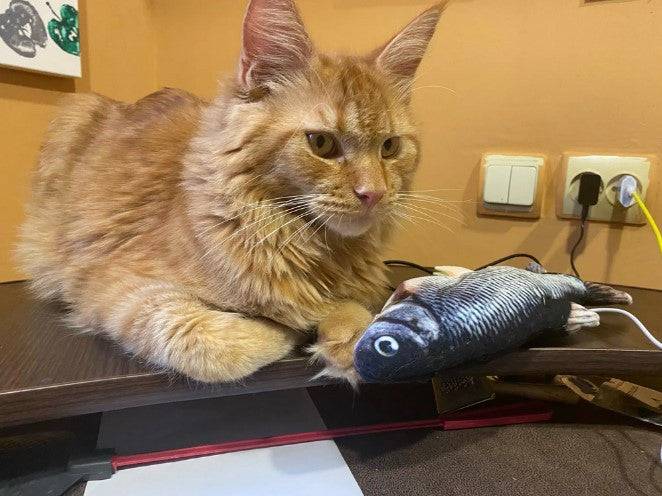
Have you ever watched your cat pick up a toy and carry it from one spot to another? It might seem puzzling or even a little funny.
But why do cats move their toys around like that? Understanding this behavior can help you connect better with your furry friend and even make playtime more enjoyable for both of you. Keep reading to discover the surprising reasons behind this curious habit—and how it reveals more about your cat’s unique personality.
Cat Play Behavior
Watching your cat move its toys around can seem puzzling at first. But this behavior is deeply rooted in how cats play and interact with their environment. Understanding these play habits gives you a glimpse into your cat’s mind and natural instincts.
Instincts Behind Toy Movement
Cats move their toys as a way to express their natural instincts. Even indoor cats keep the urge to hunt alive through play. Moving toys mimics the behavior they would use in the wild to catch and manipulate prey.
Think about how your cat paws, bats, or drags a toy across the floor. These actions are not random—they are controlled, deliberate movements aimed at practicing essential survival skills. This instinctive behavior helps your cat stay mentally sharp and physically active.
Hunting Simulation
Your cat’s toy play is essentially a mini hunting session. When they move toys, they simulate stalking, chasing, and capturing prey. This kind of play is crucial because it keeps their predatory skills honed even when there’s no real hunt.
Have you noticed your cat picking up a toy mouse or feather and carrying it to a different spot? They are practicing how to capture and ‘secure’ their catch, just like they would in nature. This simulation satisfies their natural drive and prevents boredom.
Next time you see your cat moving a toy, ask yourself: Are they practicing a skill they’ll use outside? This insight can help you choose toys that better engage your cat’s instincts and keep them happy and healthy.

Credit: www.amazon.com
Territorial Habits
Cats have strong territorial instincts. These habits shape how they interact with their environment. Moving toys is part of how cats manage their space. It helps them feel safe and in control. Understanding these behaviors reveals why cats act this way.
Marking Their Space
Cats use toys to mark their territory. They leave their scent on objects by rubbing or moving them. This scent signals to other animals that the area belongs to them. Moving toys helps spread their unique smell around their space. It creates a familiar and secure environment for the cat.
Protecting Their Belongings
Cats move toys to guard their possessions. They may hide or relocate toys to keep them safe. This behavior stops other pets or intruders from taking their items. Protecting toys is a way for cats to feel ownership. It also shows their natural instinct to guard valuable resources.
Communication Signals
Cats use their toys to send different kinds of messages. Moving toys is more than just play. It is a way cats communicate feelings and needs. Understanding these signals helps owners know their cats better. Cats also share messages with other pets through their actions. These behaviors create a silent conversation in the home.
Sending Messages To Owners
Cats move toys to catch their owner’s attention. They might drag a toy to show they want to play. Sometimes, cats place toys near their food or resting spot. This shows they feel safe and want you close. Moving toys can also mean a cat feels bored or lonely. It is their way to say, “Notice me.”
Interacting With Other Pets
Cats use toys to communicate with other animals at home. Moving a toy can invite another pet to join in. It shows they want to share fun or test boundaries. Sometimes, cats use toys to show dominance or claim territory. Watching how toys move can reveal how pets feel about each other. It helps keep peace or starts playful challenges.
Emotional Reasons
When cats move their toys, it’s often more than just play. Emotional reasons play a big role in this behavior. Understanding these feelings can help you connect better with your furry friend and support their well-being.
Stress Relief And Comfort
Moving toys can be a way for cats to manage stress. If your cat seems anxious or unsettled, shifting their toys might help them feel calmer. It’s similar to how humans fidget or doodle to ease tension.
I once noticed my cat gently nudging her favorite toy mouse around when visitors arrived. It was her way of coping with the new energy in the room. Have you observed your cat doing something similar when things get hectic at home?
Providing a quiet space and familiar toys can boost your cat’s comfort. Letting them move and interact with their toys freely gives them control over their environment, reducing stress.
Seeking Attention
Cats are smart and sometimes use their toys to communicate with you. Moving a toy closer to you or dropping it at your feet can be their way of asking for interaction.
One evening, my cat started pushing her ball towards me repeatedly. It was her clear invitation to play. When your cat does this, it’s a sign they want your attention and companionship.
Try responding by engaging in a quick play session. This not only strengthens your bond but also satisfies their social needs. Have you noticed if your cat’s toy-moving increases when you’re busy or distracted?
Environmental Factors
Cats moving their toys can often be linked to environmental factors. These surroundings play a significant role in feline behavior. Understanding these factors can help decode this playful mystery.
Changing Surroundings
Cats are sensitive to changes in their environment. New furniture or rearranged rooms can trigger curiosity. They may move toys to explore new spaces. This behavior helps them adjust to changes.
Boredom And Stimulation
Bored cats look for ways to entertain themselves. Moving toys offers mental stimulation. It mimics hunting, keeping their instincts sharp. Engaging with toys reduces feelings of loneliness. It provides much-needed activity and excitement.

Credit: www.amazon.com
Tips For Cat Owners
Caring for a cat means understanding their playful nature. Cats move their toys for many reasons. Some do it to practice hunting skills. Others enjoy the challenge of chasing and hiding toys. Knowing how to support this behavior helps keep cats happy and healthy.
Enhancing Playtime
Choose toys that match your cat’s energy level. Small, lightweight toys are easy to carry and bat around. Use toys that mimic prey, like feather wands or small balls. Rotate toys often to keep your cat curious. Short, frequent play sessions work best for most cats.
Encourage your cat to chase and pounce. Move toys slowly at first, then increase speed. Praise your cat with gentle petting or soft words during play. This builds trust and makes playtime enjoyable.
Managing Toy Movement
Set safe play areas free from breakable items. Keep toys in designated spots after play to avoid clutter. Use storage boxes or baskets for easy cleanup. Watch your cat’s behavior to spot signs of over-excitement.
If your cat moves toys to hidden spots, try hiding treats or toys in safe places. This satisfies their natural urge to hide and hunt. Replace worn or damaged toys regularly for safety. Clean toys often to keep them fresh and inviting.

Credit: tamaracamerablog.com
Frequently Asked Questions
Why Do Cats Drag Their Toys Around?
Cats drag toys as part of hunting instincts. Moving toys mimics prey behavior, keeping them engaged and entertained.
Do Cats Move Toys To Mark Territory?
Yes, cats may move toys to mark territory using scent glands in paws and cheeks for familiar scent.
Is Toy Moving A Sign Of Cat’s Boredom?
Often, yes. Cats move toys to stimulate themselves mentally and physically when they feel bored or restless.
How Does Toy Moving Relate To Cat’s Hunting Behavior?
Toy moving mimics hunting actions like stalking and pouncing. It helps cats practice skills and stay active.
Conclusion
Cats move their toys for many simple reasons. They may want to play, hunt, or show love. This behavior helps keep them happy and healthy. Watching your cat move toys can teach you about their feelings. Give them space to explore and enjoy their playtime.
Understanding this habit builds a stronger bond with your pet. It’s a small way cats show their natural instincts. Keep toys safe and clean for your cat’s fun. Their little actions bring joy and life to your home.


Leave a Reply