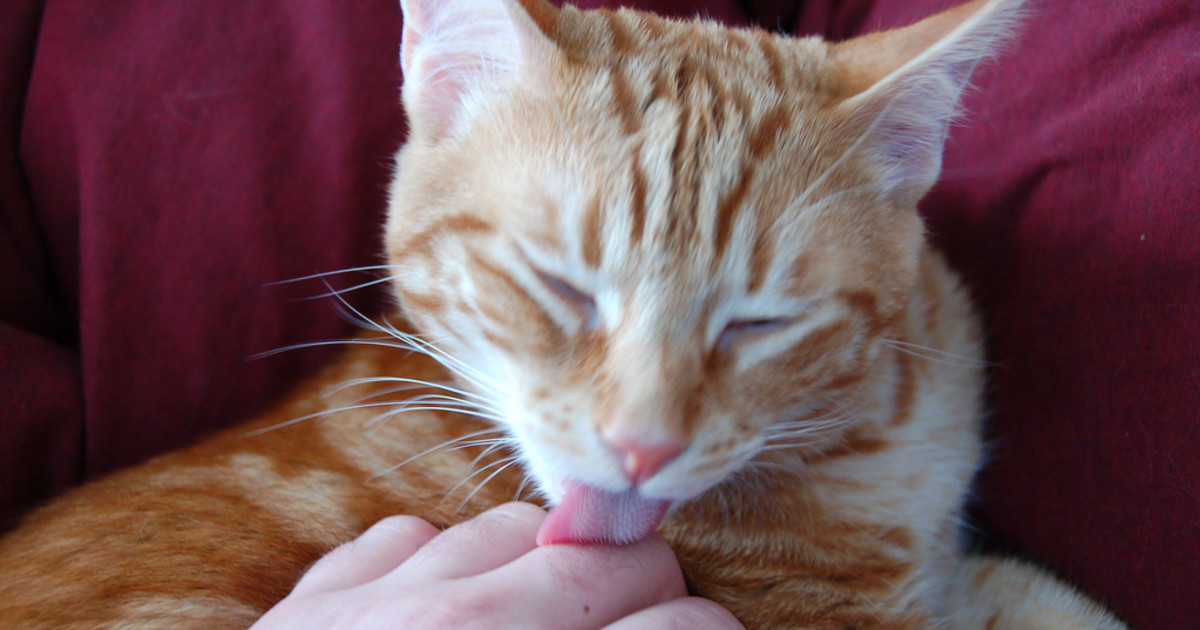
Have you ever wondered why your cat keeps licking or grooming you? It might feel a little strange at first, but there’s a special reason behind this behavior.
When your cat constantly grooms you, it’s more than just a habit—it’s a way they show love, trust, and connection. Understanding why your feline friend does this can help you strengthen your bond and make your relationship even more rewarding.
Keep reading to discover the surprising reasons behind your cat’s grooming and what it means for you both.
Credit: pethelpful.com
Cat Grooming Behavior
Understanding cat grooming behavior can reveal much about your feline friend’s emotions and social bonds. When your cat licks or nibbles on you, it’s more than just a quirky habit—it’s a natural behavior rooted in their instincts. Let’s look closer at why cats groom and what their actions mean in both wild and home settings.
Grooming In Wild And Domestic Cats
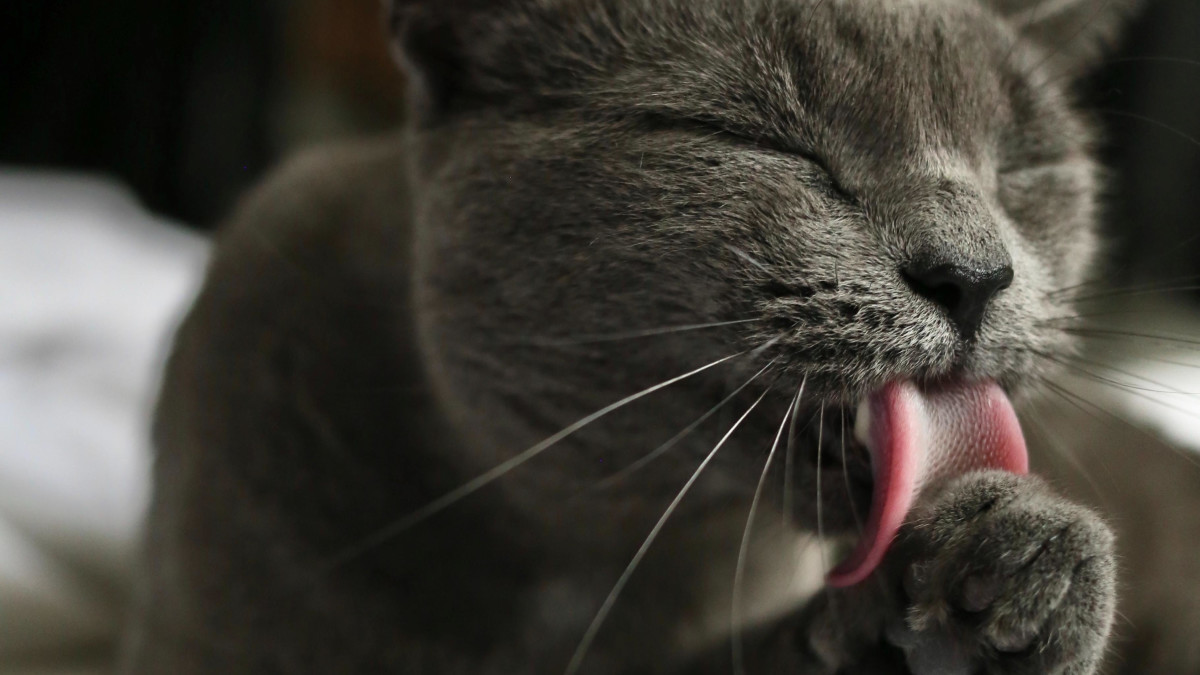
In the wild, grooming serves several important purposes. Cats clean themselves to remove dirt, parasites, and loose fur, which helps maintain their health and hunting efficiency.
Wild cats also groom each other to build social bonds within their group. This mutual grooming, called allogrooming, is a way to show trust and strengthen relationships.
Your domestic cat brings these instincts into your home. When your cat grooms you, it might be treating you like part of its social group, showing affection and trust. Have you noticed how cats often groom fellow cats they feel close to? That same feeling can extend to you.
Types Of Grooming Actions
Cats use different grooming actions to communicate and care for themselves or others. Here are some common types you might notice:
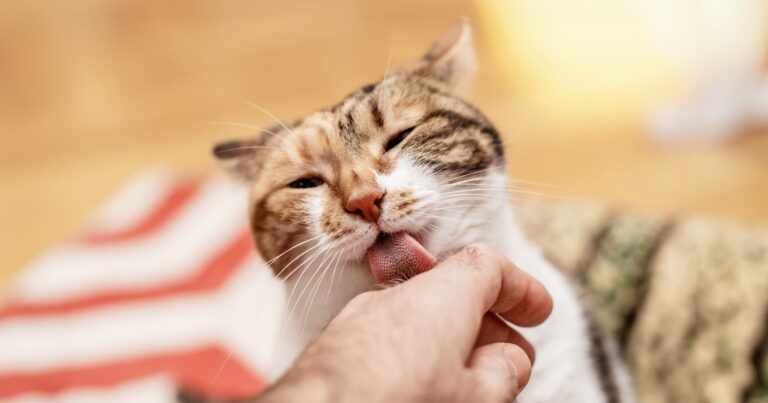
- Licking:This is the most common grooming action. When your cat licks you, it could be marking you with its scent or simply showing affection.
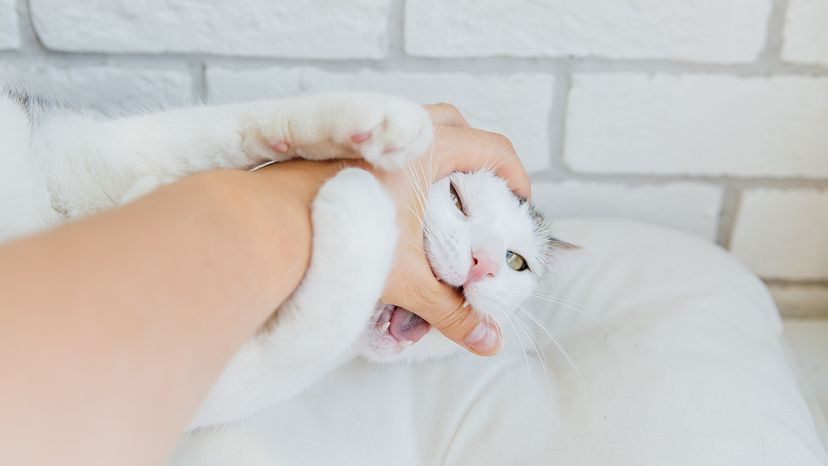
- Nibbling or Biting:Gentle nibbling often signals affection or playfulness. If it turns rough, your cat might be overstimulated or trying to get your attention.
- Head Butting:This isn’t grooming exactly but often accompanies it. Your cat presses its head against you to share its scent and bond.
- Cleaning:You might notice your cat trying to clean your skin or hair. This mimics how cats groom each other to keep clean and safe.
Next time your cat grooms you, watch closely. What type of grooming are they using? Understanding these subtle signals can deepen your connection and make your cat feel even more loved.
Credit: animals.howstuffworks.com
Bonding Through Grooming
Grooming is more than a cleaning habit for cats. It is a way they build trust and show love. When your cat licks you, it means they see you as part of their family. This behavior helps to create a strong connection between you and your pet.
Social Bonds Among Cats
Cats groom each other to form close social groups. This act is called allogrooming. It helps reduce stress and strengthens friendships. Grooming also shares scents, making the group feel united. It is a sign of care and acceptance.
Extending Affection To Humans
Cats treat their owners like family members. Grooming you is their way of saying they trust and love you. It shows they feel safe and comfortable around you. Your cat wants to keep you clean and close, just like they do with other cats.
Marking Territory And Scent
Have you ever wondered why your cat seems obsessed with grooming you? This behavior is more than just an act of affection; it’s deeply rooted in their instinctual need to mark territory and share scent. Cats are territorial creatures, and grooming is one way they establish their claim on their environment—and on you. Understanding this behavior can deepen your bond with your feline friend and make you appreciate their unique way of showing love.
Scent Glands And Their Role
Cats have scent glands located in various parts of their bodies, including their cheeks, forehead, paws, and even around their tails. These glands release pheromones that are unique to each cat. When your cat grooms you, they are transferring these pheromones onto your skin, essentially marking you as part of their territory.
This scent-marking process is a subtle yet powerful way for cats to communicate with their surroundings. It’s not just about marking territory; it’s about creating a shared scent profile that signals to other cats—and themselves—that you belong to their social group.
How Cats Mark Their Humans
Have you ever noticed your cat rubbing its face against you or kneading your lap before settling down? These actions are more than just cute behaviors; they are deliberate attempts to mark you with their scent. By doing so, your cat is reinforcing the bond between you both and ensuring that other animals recognize you as part of their domain.
Your cat might even groom you more after you’ve been away or interacted with other animals, as a way to re-establish their scent on you. This behavior can be interpreted as a loving gesture, reaffirming your place in their world.
Do you find it endearing or a bit puzzling when your cat grooms you? Understanding the significance behind their actions can make these moments more meaningful. It’s not just about cleanliness; it’s about connection and communication. So the next time your cat gives you a grooming session, know that you’re being welcomed warmly into their world.
Stress Relief And Comfort
Cats often groom their owners as a way to find peace and ease stress. This behavior helps them feel calm and secure. Grooming is not just about cleanliness; it is also a way for cats to comfort themselves and others. When your cat licks or nibbles your skin, it may be trying to share a sense of calm and safety.
Grooming As A Calming Mechanism
Grooming releases calming chemicals in a cat’s brain. These chemicals lower stress and create a feeling of relaxation. Cats often groom themselves to manage anxiety or fear. When they groom their humans, they use the same method to feel comforted.
This behavior mimics how mother cats groom their kittens. It shows trust and a bond. Your cat may groom you to calm down or to help you feel calm too.
Signs Your Cat Is Seeking Comfort
Look for these signs that your cat needs comfort:
- Repeated licking of your skin or clothes
- Resting their head on you while grooming
- Slow blinking or purring during grooming
- Pressing their body close to you
These actions indicate your cat feels safe with you. Grooming helps them relax and feel less worried. It can also soothe nervousness during changes or loud noises.
Health And Hygiene Signals
Cats often groom their owners as a sign of care and concern for health. Grooming helps detect any parasites or skin problems that may affect you. It is a way for your cat to check your well-being, just like they do with themselves or other cats.
This behavior also encourages cleanliness. Cats rely on grooming to stay clean and healthy. When they groom you, they are sharing this important hygiene habit.
Checking For Parasites Or Skin Issues
Cats use their tongues to find ticks, fleas, or any skin irritation. They can sense changes in your skin or hair. Grooming may help them spot something unusual that needs attention.
This instinct comes from their natural care for their group. Grooming you helps them ensure you are free from pests or infections.
Encouraging Mutual Grooming
Mutual grooming is common in cats to build trust and friendship. By grooming you, your cat invites you to share this bond. It creates a strong connection between you and your pet.
This act also helps your cat feel safe and comfortable. It shows they see you as part of their family.
Credit: www.diamondpet.com
Attention Seeking Behavior
Cats often use grooming as a way to get your attention. When your feline friend licks or nibbles your skin, it’s more than just a habit—it’s a clear message that they want you to focus on them. This behavior is their way of saying, “Hey, notice me!” especially if they feel a bit ignored.
How Grooming Gets Your Attention
Grooming is a direct and physical way your cat communicates. When they lick your hand or face, it interrupts whatever you’re doing and draws your focus to them. This tactile interaction often triggers a response from you, whether it’s petting, talking, or playing.
Think about times when your cat started licking you just as you settled down with your phone or computer. They know this action pulls you away from distractions. It’s like their personal call for engagement, reminding you that they want your time.
Alternatives To Grooming For Interaction
If constant grooming starts to feel overwhelming, you can guide your cat toward other ways of getting attention. Try offering toys that encourage play, such as feather wands or laser pointers. These invite your cat to engage without needing to lick or bite you.
Another effective approach is scheduling regular interactive play sessions. This predictable routine satisfies their need for attention and reduces the urge to groom you excessively. Plus, it strengthens your bond and keeps your cat mentally stimulated.
- Use treats to reward calm behavior instead of grooming.
- Introduce gentle petting sessions as an alternative form of contact.
- Provide cozy spots near you to encourage proximity without grooming.
Have you noticed if your cat’s grooming spikes when you’re busy or stressed? Observing these patterns can help you meet their needs better and reduce their need to seek attention this way.
When Grooming Becomes Excessive
Cats groom their humans to show love and trust. It is a sweet sign of bonding. Yet, grooming can become too much. Excessive grooming may signal stress or health issues. Understanding when grooming crosses the line is important for your cat’s well-being.
Identifying Over-grooming
Over-grooming means your cat licks or bites you too often. It can cause sore spots or red skin. You might notice your cat’s tongue moving rapidly and repeatedly. The behavior may happen daily and last for long periods.
Look for signs like:
- Skin irritation on your arms or hands
- Hair loss in the groomed area
- Cat seems anxious or restless
- Grooming interrupts play or rest time
When To Consult A Veterinarian
Seek help if grooming causes wounds or bleeding. A vet can check for allergies, infections, or pain. Stress and anxiety can also trigger over-grooming. Your vet may suggest treatments or behavior changes.
Early action prevents serious problems. It keeps your cat healthy and happy. Don’t wait if your cat’s grooming seems out of control.
Frequently Asked Questions
Why Does My Cat Lick Me Constantly?
Cats lick to show affection and bond with their owners. Grooming also helps cats mark you with their scent, signaling you as part of their social group.
Is Cat Grooming A Sign Of Love?
Yes, grooming is a strong sign of trust and love. Your cat sees you as family and uses licking to strengthen your connection.
Can Cat Grooming Indicate Stress Or Anxiety?
Sometimes, cats groom to self-soothe when stressed. Excessive licking might signal anxiety, so observe for other signs and consult a vet if concerned.
Does My Cat Groom Me To Taste Salt?
Cats may lick your skin to taste sweat’s salt. This behavior is normal and part of their natural grooming and bonding habits.
Conclusion
Cats groom you to show love and trust. This behavior helps them feel close and safe. It also means they see you as part of their family. Enjoy these moments of bonding with your pet. Remember, grooming is a sign of affection, not just a habit.
Cherish your cat’s way of saying “I care. ” Understanding this helps build a stronger connection. Keep observing your cat’s behavior every day. It brings joy and deepens your friendship.

Leave a Reply