
Grooming your cat is more than just keeping them clean. It’s about making sure your furry friend feels comfortable, healthy, and happy every day.
But what exactly does grooming a cat involve? If you want to learn the simple steps to care for your cat’s coat, skin, and overall well-being, you’re in the right place. Keep reading to discover easy tips that will make grooming your cat a stress-free and rewarding experience for both of you.
Cat Grooming Basics
Grooming your cat is more than just keeping them clean—it’s a chance to bond and monitor their health. Understanding the basics helps you make grooming a positive experience for both you and your feline friend. Let’s dive into the essential parts of cat grooming that every pet owner should know.
Brushing Techniques
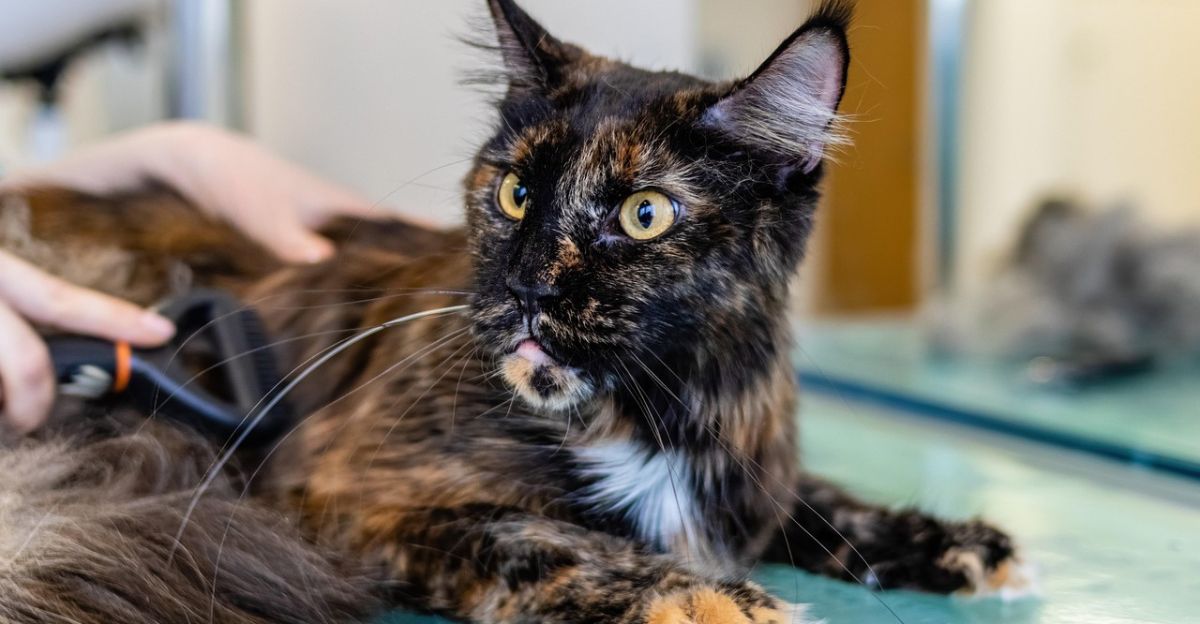
Brushing your cat regularly removes loose fur and reduces hairballs. Use a brush suited to your cat’s coat type—slicker brushes work well for long-haired cats, while rubber brushes suit short-haired breeds.
Start by gently stroking in the direction of hair growth. Pay attention to sensitive areas like the belly and tail, moving slowly to keep your cat calm.
Try to brush at least a few times a week. Have you noticed your cat’s mood improve after a good brushing session? It’s a simple way to strengthen your connection.
Bathing Your Cat
Bathing cats isn’t always necessary unless they get into something messy. If you do bathe your cat, use a shampoo made specifically for felines to protect their skin.
Before the bath, brush your cat to remove tangles. Use lukewarm water and keep the bath short to reduce stress.
Many cats dislike water, so speak softly and offer treats afterward. How do you calm your cat during bath time? Finding your own tricks makes a big difference.
Nail Trimming Tips
Regular nail trims prevent damage to furniture and reduce the chance of your cat scratching you accidentally. Use a nail clipper designed for cats and work in a well-lit area.
Trim just the sharp tip, avoiding the quick—the pink area inside the nail that contains nerves and blood vessels. If you’re unsure where the quick ends, trim tiny bits at a time.
Keep your cat relaxed by holding their paw gently and praising them during the process. Have you tried trimming nails while your cat is sleepy? It often works best!
Credit: tryfurgo.com
Choosing The Right Tools
Choosing the right tools makes grooming easier and more effective. Cats have different coat types and needs. Using proper tools helps keep their fur clean and healthy. It also makes the grooming process more comfortable for your cat.
Best Brushes For Different Coats
Short-haired cats need soft bristle brushes. They remove loose fur and dirt gently. Long-haired cats benefit from slicker brushes. These reach deep into the coat to detangle and remove mats. For cats with thick undercoats, an undercoat rake works best. It helps remove loose fur without hurting the skin.
Safe Nail Clippers
Choose nail clippers designed for cats. Scissor-style or guillotine-style clippers work well. They allow precise cuts and reduce the risk of splitting nails. Avoid using human nail clippers as they may crush the nails. Always have styptic powder nearby to stop bleeding if nails get cut too short.
Grooming Gloves And Accessories
Grooming gloves offer a gentle way to remove loose fur. Cats often enjoy the massage feeling from gloves. They work well for sensitive or shy cats. Other accessories include flea combs and grooming wipes. Flea combs help catch fleas and debris. Grooming wipes clean the fur without needing water.
Maintaining Coat Health
A cat’s coat shows its health and happiness. Maintaining coat health is key to a cat’s grooming routine. A shiny, clean coat means the cat feels good inside and out. Regular care helps prevent skin problems and keeps the fur soft and smooth. Understanding the basics of coat care makes grooming easier and more effective.
Dealing With Shedding
Shedding is natural for cats. It helps remove old fur and makes room for new growth. Some breeds shed more than others. Regular brushing reduces loose hair around the house. It also stops hairballs from forming inside the cat’s stomach.
- Use a brush suited for your cat’s fur type.
- Brush gently to avoid hurting the skin.
- Brush more during seasonal changes when shedding increases.
Preventing Mats And Tangles
Mats and tangles can cause discomfort and skin irritation. Long-haired cats need extra attention to stop knots from forming. Regular brushing breaks up tangles before they get worse. Use fingers or a comb for stubborn mats, being gentle at all times.
- Brush daily or every other day for long-haired cats.
- Check behind ears, under legs, and near the tail.
- Trim mats carefully if brushing does not work.
Skin Care Essentials
Healthy skin supports a healthy coat. Watch for signs like dryness, redness, or flakes. Bathing your cat is rarely needed but can help if the skin is dirty or oily. Use cat-safe shampoos only. A balanced diet also improves skin condition by providing essential nutrients.
- Check skin during grooming sessions.
- Keep the cat’s environment clean and stress-free.
- Consult a vet for skin problems or allergies.
Oral Hygiene For Cats
Oral hygiene is a crucial part of grooming your cat that often gets overlooked. Healthy teeth and gums not only prevent bad breath but also avoid painful infections and costly vet visits. You might be surprised how simple daily habits can keep your feline friend’s mouth in great shape.
Brushing Your Cat’s Teeth
Brushing your cat’s teeth might sound challenging, but it’s doable with patience. Use a toothbrush designed for cats or a soft cloth wrapped around your finger. Always pick a toothpaste made specifically for cats—never use human toothpaste as it can be harmful.
Start slowly by letting your cat get used to the taste and feel of the paste. Gradually introduce the brushing motion, focusing on the outer surfaces of the teeth. Even a few seconds a day can make a big difference over time.
Dental Treats And Toys
Not every cat enjoys brushing, so dental treats and toys can help keep teeth clean naturally. Look for treats with the Veterinary Oral Health Council (VOHC) seal—they’re proven to reduce plaque and tartar. Chewing on toys specifically made for dental health can massage gums and scrape off buildup.
Try rotating different types of dental toys to keep your cat engaged. This way, your cat gets oral care while having fun. Have you noticed your cat’s favorite chew toy? That might be the perfect addition to their dental routine.
Signs Of Dental Issues
Detecting dental problems early can save your cat from discomfort and serious health issues. Watch for signs like bad breath, drooling, difficulty eating, or pawing at the mouth. Red or swollen gums, loose teeth, and bleeding are also red flags.
If your cat shows any of these symptoms, it’s time to visit the vet. How often do you check your cat’s mouth? Making it a regular habit can help catch problems before they worsen.
Ear And Eye Care
Grooming a cat includes regular ear and eye care to prevent infections. Clean ears gently with a vet-recommended solution. Keep eyes free from discharge by wiping with a damp cloth. Regular checks ensure your cat’s comfort and health.
Ear and eye care are crucial components of grooming your cat. Cats rely heavily on their keen senses, and ensuring their ears and eyes are healthy is vital for their overall well-being. Regular checks and cleaning can prevent infections and other issues, keeping your feline friend comfortable and happy. Let’s dive into the essential aspects of cat ear and eye care.Cleaning Cat Ears Safely
Cleaning your cat’s ears might seem daunting, but with the right approach, it’s manageable. Start by gently holding your cat and offering a treat to keep them calm. Use a damp cotton ball to wipe away any dirt or wax visible in the ear canal. Never insert anything deep into the ear canal, as this could cause injury. Your cat’s ear should look clean and pink. If you notice a strong odor or excessive wax, it might be time to consult a vet.Managing Tear Stains
Tear stains can be a common issue, especially in certain breeds. These stains are typically caused by blocked tear ducts or allergies. To manage this, gently wipe around your cat’s eyes with a soft, damp cloth. Regular wiping helps prevent staining and keeps the area clean. You can also consult your vet for products designed to reduce tear staining. Are you noticing persistent tear stains? It might be time to explore underlying causes with your vet.Detecting Infections Early
Early detection of infections can save your cat from discomfort. Look for signs such as redness, swelling, or discharge in the ears or eyes. If your cat is scratching their ears or squinting, it could indicate an issue. Regularly check your cat’s eyes and ears for any abnormalities. A slight change in behavior, like excessive head shaking, might be a signal something is wrong. Trust your instincts; if something seems off, a vet visit can provide peace of mind.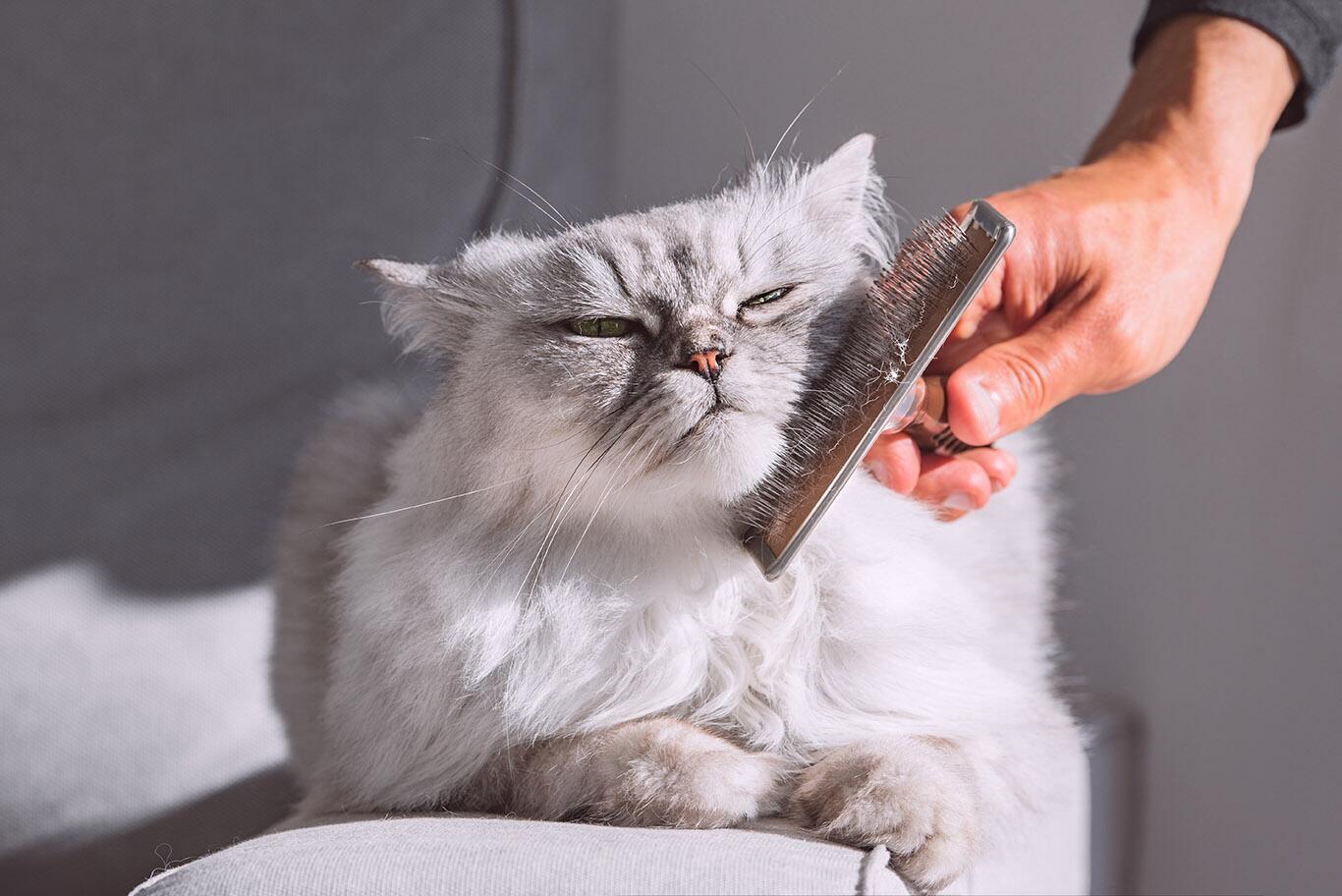
Credit: www.latimes.com
Behavioral Tips For Grooming
Grooming your cat goes beyond just brushing fur or clipping nails. Understanding your cat’s behavior can make the process smoother and more enjoyable for both of you. Paying attention to how your cat reacts and adapting your approach can turn grooming into a bonding experience rather than a struggle.
Getting Your Cat Comfortable
Start by creating a calm environment. Choose a quiet spot where your cat feels safe, away from loud noises or distractions.
Use gentle, slow movements to avoid startling your cat. Speak softly and offer treats to associate grooming with positive experiences.
Have you noticed how your cat responds to touch in different areas? Focus on areas they tolerate well first, then gradually work towards more sensitive spots.
Handling Difficult Cats
Patience is key when dealing with a cat that resists grooming. If your cat becomes agitated, pause and give them time to relax before trying again.
Using a towel to gently wrap your cat can help prevent scratching and provide a sense of security.
Try short grooming sessions instead of long ones. Even five minutes can be effective and less stressful for your cat.
Building A Grooming Routine
Consistency helps your cat know what to expect. Pick a regular time that fits into your daily schedule and stick to it.
Mix grooming with playtime to keep your cat engaged and happy.
- Brush your cat after meals when they’re calm.
- Use treats to reward good behavior during and after grooming.
- Monitor your cat’s reactions and adjust the routine accordingly.
What small changes can you make today to help your cat enjoy grooming more?
Health Benefits Of Grooming
Grooming your cat isn’t just about keeping their fur shiny and smooth. It plays a crucial role in maintaining their overall health. Regular grooming helps catch problems early and keeps your feline friend feeling comfortable and cared for.
Preventing Parasites
Parasites like fleas, ticks, and mites can cause serious discomfort and health issues for your cat. Grooming gives you a chance to spot these unwanted guests before they multiply. Running a comb through your cat’s fur can reveal tiny specks or movement that you might otherwise miss.
Have you ever found tiny black specks or noticed your cat scratching more than usual? These could be signs of parasites lurking in their coat. Early removal and treatment stop infestations from becoming bigger problems.
Monitoring For Health Issues
Grooming sessions allow you to check your cat’s skin, ears, eyes, and teeth closely. You might notice lumps, redness, swelling, or unusual odors that require a vet’s attention. Catching these signs early can prevent serious illnesses.
For instance, I once found a small bump on my cat’s neck during a brushing session. It turned out to be a benign cyst, but knowing about it early meant we treated it before it grew or caused pain.
Strengthening Your Bond
Spending time grooming your cat builds trust and deepens your relationship. Many cats enjoy gentle brushing and grooming, which can be a relaxing moment for both of you. This shared activity can reduce stress and make your cat feel safe.
Think about how your cat responds when you groom them — do they purr or nuzzle you? These signs show they appreciate the attention, turning grooming into a comforting ritual rather than a chore.

Credit: www.amazon.com
Frequently Asked Questions
What Does Grooming A Cat Include?
Grooming a cat includes brushing, bathing, nail trimming, ear cleaning, and dental care. These steps keep cats clean, healthy, and comfortable.
How Often Should You Groom A Cat?
Cats should be groomed weekly. Long-haired cats need daily brushing to prevent mats. Regular grooming reduces shedding and hairballs.
Why Is Brushing Important For Cats?
Brushing removes loose fur, dirt, and prevents hairballs. It also stimulates skin oils for a shiny coat and reduces shedding.
Can Grooming Improve A Cat’s Health?
Yes, grooming helps detect skin issues, parasites, and infections early. It promotes healthy skin, coat, and overall well-being.
Conclusion
Grooming a cat helps keep it clean and healthy. Brushing removes loose fur and prevents mats. Regular nail trimming avoids scratches and injuries. Cleaning ears and teeth supports overall well-being. These simple steps build a strong bond with your pet.
Taking time for grooming shows you care. It also helps you notice health problems early. A happy cat feels comfortable and loved. Make grooming a regular part of your routine. Your cat will thank you with purrs and affection.



Leave a Reply