
Have you ever noticed your cat leaving wet spots on their favorite toys and wondered why? It might seem strange or even a little messy, but there’s actually a reason behind this curious behavior.
Understanding why your cat wets their toys can reveal a lot about their feelings, health, and natural instincts. Keep reading, and you’ll discover surprising facts that will help you connect better with your furry friend—and maybe even keep your home a little drier!
Cats’ Natural Behavior
Cats have a unique way of interacting with their environment, especially when it comes to their toys. Understanding their natural behavior can help you make sense of why your feline friend might wet their toys. This behavior is deeply rooted in instincts, communication, and play patterns that have evolved over thousands of years.
Instincts Behind Toy Interaction
Your cat’s playtime is more than just fun; it mimics hunting behaviors essential for survival in the wild. When cats bite, paw, or even wet their toys, they’re engaging in instinctive actions linked to capturing and “subduing” prey.
Have you noticed how your cat sometimes carries toys around in their mouth? This is a natural behavior reflecting how they would transport food or caught prey.
Marking Territory With Scent
Cats have scent glands in their cheeks and paws, but their saliva also contains unique scents. When your cat wets a toy, they might be marking it with their scent to claim ownership.
This is a silent way to communicate to other cats or animals that the toy belongs to them. If you’ve ever found your cat returning repeatedly to a specific toy, this scent marking could be why it holds special importance.
Hunting And Play Patterns
Play is practice for hunting, and wetting toys can be part of this pattern. The moisture might simulate the feeling of catching live prey, which tends to be damp or alive.
Next time you see your cat wetting a toy, ask yourself: are they practicing a skill or simply expressing comfort? Recognizing these patterns can help you choose toys that satisfy their natural instincts better.
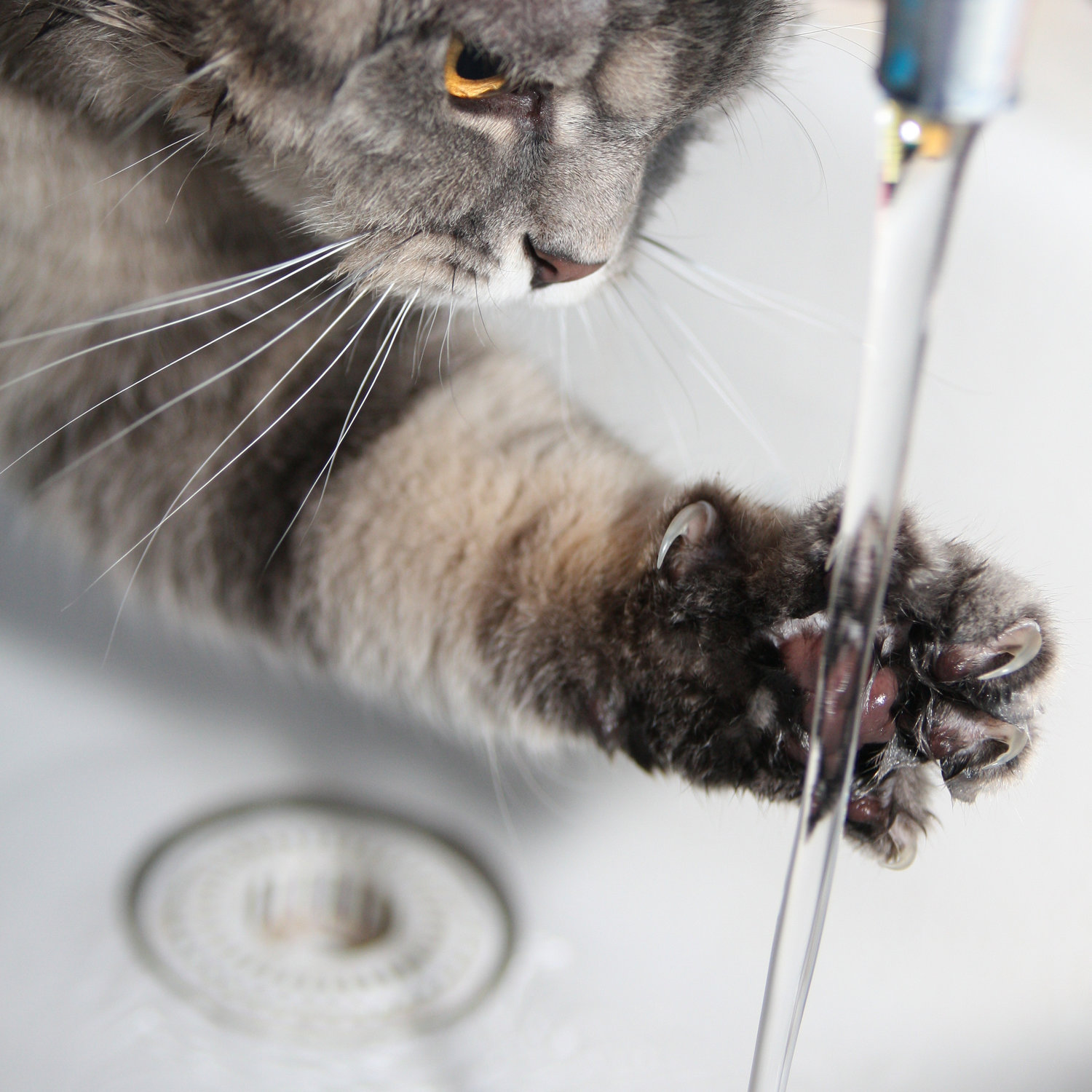
Credit: www.spacecatacademy.com
Reasons For Wetting Toys
Understanding why your cat wets their toys can help you better respond to their needs and behaviors. Cats don’t just randomly wet their toys; there are specific reasons behind this action. From marking their territory to seeking comfort, each reason offers insight into your cat’s unique personality and health.
Saliva As A Scent Marker
Cats have scent glands in their mouths. When they wet their toys with saliva, they are leaving their unique scent behind. This behavior helps them claim ownership and mark their territory, making the toy smell familiar and safe to them.
Think about how your cat rubs their face on furniture—that’s a similar scent-marking habit. You might notice your cat focusing on certain toys more than others because those toys now carry their personal scent.
Comfort And Soothing Habits
Wetting toys can be a calming action for cats, much like thumb-sucking in children. Some cats wet their toys during moments of stress or when they want to relax. The dampness combined with chewing or licking can soothe their anxiety.
If your cat wets a specific toy repeatedly, it might be their version of a comfort object. Have you ever noticed your cat carrying a particular toy around during quiet times or after a vet visit? This habit helps them feel secure.
Health-related Causes
Occasionally, wetting toys might signal a health issue. Excessive drooling can be a symptom of dental problems, nausea, or oral discomfort. If your cat’s saliva production seems abnormal or they wet toys more than usual, it’s worth consulting a vet.
Pay attention to other signs like bad breath, pawing at the mouth, or changes in eating habits. These clues can help you determine if the wetting behavior is linked to health concerns rather than normal habits.
When To Worry About Wet Toys
Noticing your cat wetting its toys can be puzzling. Most times, this behavior is harmless and linked to play or marking scent. Yet, wet toys might sometimes signal a health concern. Knowing when to worry helps protect your cat’s well-being.
Signs Of Medical Issues
- Excessive drooling or saliva around toys
- Frequent licking of toys or other objects
- Visible mouth sores or bad breath
- Sudden changes in eating or drinking habits
- Unexplained weight loss or lethargy
These signs may suggest dental problems or infections. Immediate attention could prevent worsening conditions.
Behavioral Changes To Watch
- Increased aggression or irritability
- Withdrawal from social interaction
- Repeated rubbing of face on toys or furniture
- Sudden fear or anxiety during playtime
- Loss of interest in favorite toys
Behavior shifts often indicate discomfort or stress. Observe your cat closely to catch early warning signs.
Consulting A Veterinarian
Persistent wetting of toys with medical or behavioral signs requires a vet visit. A professional exam helps identify any health issues. Early diagnosis ensures better treatment outcomes. Keep a record of your cat’s habits to share with the vet. This information aids in accurate assessment and care planning.

Credit: www.reddit.com
How To Manage Wet Toy Behavior
Dealing with your cat wetting their toys can be frustrating, but managing this behavior is possible with a few smart strategies. Understanding why your cat does this helps you tailor solutions that keep both your feline friend and your home happy. Here’s how you can handle wet toy behavior effectively.
Providing Alternative Toys
Offer a variety of toys with different textures and materials to see what your cat prefers. Some cats wet their toys because they like the sensation or want to mark a particular item. Try introducing toys made from cloth, rubber, or even interactive toys that don’t hold moisture easily.
Rotate toys regularly to keep your cat interested and reduce the urge to wet the same ones repeatedly. Have you noticed your cat’s favorite toy gets wetter than others? That might be a sign they want a different kind of play experience.
Maintaining Toy Hygiene
Wet toys can quickly become dirty or smelly, which isn’t healthy for your cat. Wash fabric toys often and wipe down rubber or plastic ones with pet-safe cleaners. Clean toys not only last longer but also discourage your cat from wetting them to get rid of odors.
Check for any wear and tear that could irritate your cat or cause them to avoid certain toys. Keeping toys fresh and clean might reduce the need for your cat to “reclaim” them by wetting.
Encouraging Healthy Play
Engage your cat in active play sessions to divert their attention from wetting toys. Use wand toys or laser pointers to keep them moving and mentally stimulated. This helps reduce stress or boredom, common reasons cats wet their toys.
Consider setting aside specific playtimes daily. Have you tried playing with your cat before bedtime? It can tire them out and reduce odd behaviors like wetting toys during downtime.
Credit: www.livescience.com
Frequently Asked Questions
Why Do Cats Wet Their Toys Frequently?
Cats wet their toys to mark them with their scent. Saliva contains unique markers that signal ownership. This behavior helps cats feel secure and claim their favorite items. It is a natural, instinctive way to communicate with other cats or pets in the home.
Is Wetting Toys A Sign Of Cat Stress?
Yes, sometimes cats wet toys due to stress or anxiety. This action can provide comfort and reduce nervous energy. If your cat excessively wets toys, observe for other stress signs. Addressing the root cause can help improve your cat’s behavior and well-being.
Do Cats Wet Toys To Play Or Hunt?
Wetting toys mimics natural hunting behavior. Cats often bite and lick prey, so wetting toys simulates catching real animals. It enhances their play experience and satisfies their instinct to hunt. This behavior is normal and helps keep cats mentally stimulated.
Can Wetting Toys Cause Hygiene Issues?
Yes, wet toys can harbor bacteria and germs. It is important to clean toys regularly to prevent infections. Use mild soap and warm water, then dry thoroughly. Maintaining toy hygiene ensures your cat stays healthy and enjoys safe playtime.
Conclusion
Cats wet their toys for many simple reasons. It can show their love or mark their playthings. Sometimes, it helps them feel safe or calm. This behavior is quite normal and part of how cats explore. Understanding why cats do this helps you enjoy their playful side more.
Watch your cat closely, and you will learn a lot about their moods. Toys are not just for fun—they are part of your cat’s world. Keep their toys clean and safe for happy playtimes.



Leave a Reply