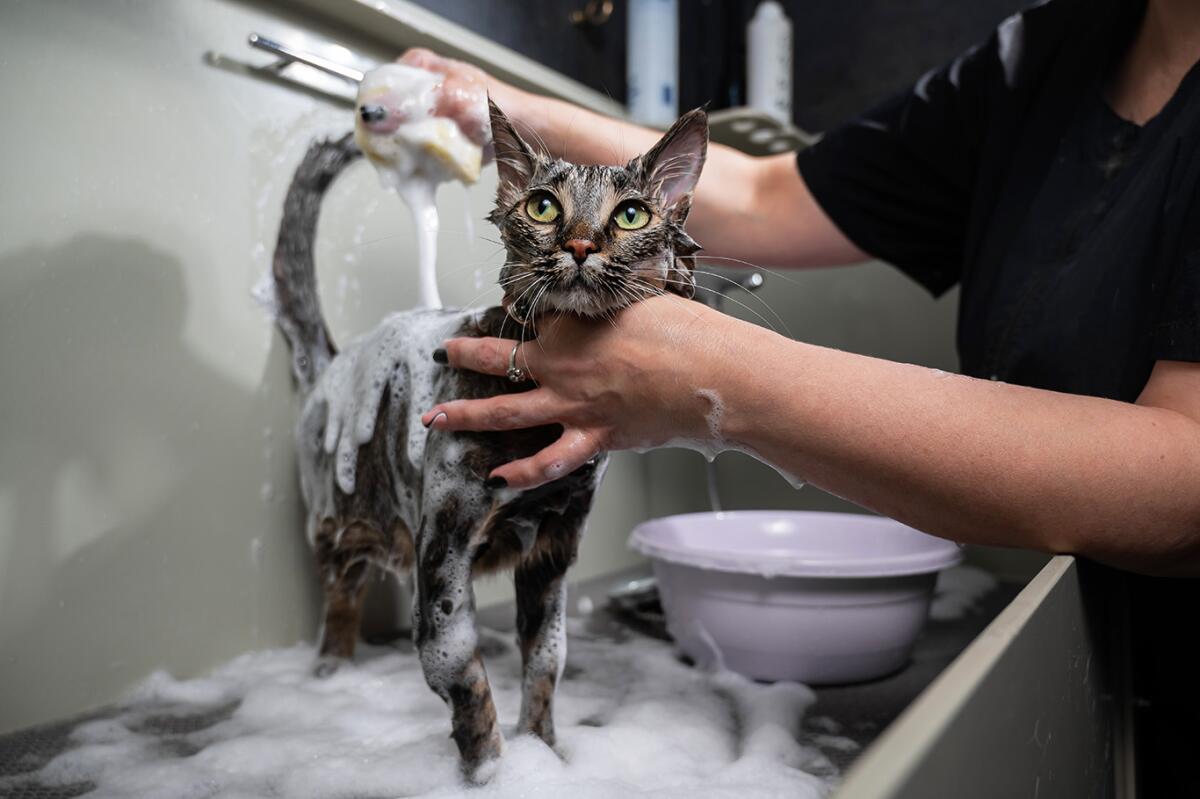
Have you ever wondered if your cat really needs a bath or special grooming? You might think cats clean themselves perfectly, so why bother?
But the truth is, knowing when and how to groom your furry friend can make a big difference in their health and happiness. You’ll discover the simple secrets to keeping your cat clean without stress—for both you and your pet.
Keep reading to find out what every cat owner should know about baths and grooming.
Credit: dirtbusters.co.uk
Cats And Bathing Basics
Cats are known for their cleanliness and strong grooming habits. Many cat owners wonder if their pets really need baths. Understanding the basics of cats and bathing helps in deciding the right care approach. Bathing a cat is different from bathing a dog or other pets. Cats usually keep themselves clean without much help.
Natural Grooming Instincts
Cats spend a large part of their day grooming. Their tongues have tiny, hook-like structures. These help remove dirt and loose fur effectively. Grooming also spreads natural oils over their coat. This keeps the fur shiny and healthy. Grooming controls shedding and reduces hairballs. Most cats rarely need baths because of this natural habit. They prefer licking themselves to stay clean.
When Baths Are Necessary
Some situations require giving a cat a bath. Cats with oily or dirty fur may need a wash. Fleas or skin conditions sometimes call for special shampoos. Cats that get into sticky or harmful substances need cleaning. Older or obese cats might struggle to groom themselves. In those cases, baths help maintain hygiene. Always use cat-safe shampoo and warm water. Bathing should be calm to avoid stress for the cat.
Choosing The Right Bathing Supplies
Choosing the right bathing supplies for your cat can make all the difference during bath time. The right products keep your cat comfortable and protect their delicate skin and fur. Think about what works best for your cat’s unique needs and personality.
Cat-friendly Shampoos
Not all shampoos are safe for cats. Human or dog shampoos can irritate their skin or cause allergic reactions. Look specifically for shampoos labeled “cat-friendly” or “for kittens” because they’re formulated to be gentle and pH balanced for feline skin.
Some shampoos have added benefits like flea control or moisturizing ingredients. If your cat has sensitive skin, choose hypoallergenic or oatmeal-based shampoos. Have you ever noticed your cat scratching more after a bath? That might be a sign to switch to a milder formula.
Towels And Brushes
Soft, absorbent towels are essential for drying your cat gently after a bath. Avoid rough fabrics that can tangle fur or irritate skin. Keep several towels handy—cats often shake water everywhere, so you’ll want to be prepared.
Brushes help remove loose fur before and after bathing, reducing mats and tangles. Use a slicker brush or a comb designed for your cat’s fur type. Brushing can calm your cat and make bath time less stressful for both of you. Do you have a favorite brush that your cat actually enjoys?
Step-by-step Bathing Process
Bathing your cat can feel daunting, but breaking it down into clear steps makes the process manageable and less stressful for both of you. Cats are naturally clean, but sometimes a bath is necessary, and knowing how to do it right ensures your feline friend stays comfortable and safe. Let’s walk through the essential parts of giving your cat a bath.
Preparing Your Cat
Start by brushing your cat thoroughly to remove loose fur and tangles. This helps prevent mats from tightening when wet and reduces shedding during the bath.
Choose a quiet space with minimal distractions. You want your cat to feel secure, not trapped or scared.
Gather all supplies beforehand—cat-friendly shampoo, a cup or sprayer, towels, and treats. Having everything ready means you won’t have to leave your cat alone mid-bath.
Water Temperature And Technique
Use lukewarm water—too hot or cold can upset your cat’s sensitive skin. Test the temperature on your wrist; it should feel comfortably warm, not hot.
Wet your cat gently, avoiding the head initially to prevent stress and water in the ears. Use a cup or sprayer for controlled water flow.
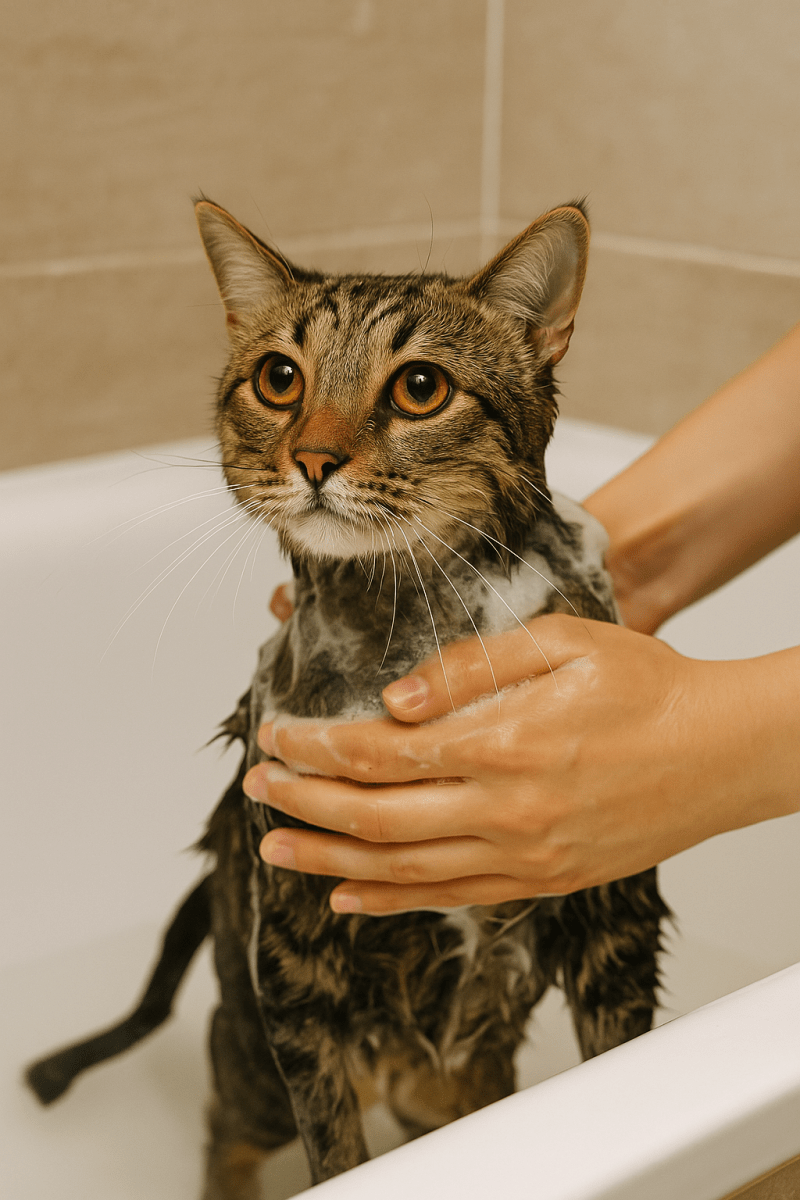
Apply a small amount of shampoo, working it gently into the fur with your hands. Keep your movements calm and reassuring.
Rinse thoroughly to remove all shampoo residue. Soap left on the skin can cause irritation.
Drying Your Cat Safely
Wrap your cat in a large, soft towel immediately after the bath to soak up excess water. Gently pat rather than rub to avoid tangling the fur.
If your cat tolerates it, use a hairdryer on the lowest heat and speed setting. Keep the dryer moving and hold it at a distance to prevent overheating or frightening your cat.
Provide a warm, quiet spot where your cat can finish drying comfortably. Have you noticed how some cats prefer hiding in a cozy corner after a bath? Respect their need for calm.
Alternatives To Bathing
Bathing cats can be stressful for both pets and owners. Many cats dislike water and resist baths. Thankfully, several alternatives keep your cat clean without a full bath. These options help maintain healthy fur and skin while avoiding the mess and hassle of water.
Regular Brushing Benefits
Brushing your cat regularly removes loose fur and dirt. It helps prevent hairballs by reducing swallowed fur. Brushing also spreads natural oils, making the coat shiny and soft. It stimulates blood flow and improves skin health. Use a brush suitable for your cat’s fur length and type. Short sessions daily or several times a week work best. Brushing also strengthens your bond with your cat.
Using Grooming Wipes
Grooming wipes are a quick and easy way to clean your cat. They remove dirt, dust, and minor stains without water. Choose wipes made for cats to avoid skin irritation. Wipes help reduce allergens and keep fur fresh. Use gentle strokes and avoid sensitive areas like eyes and ears. Wipes are perfect for spot cleaning between brushes or baths. Keep them handy for a fast grooming fix anytime.
Handling Common Bathing Challenges
Cats usually groom themselves, but sometimes they need a bath. Managing this can be tricky. Use gentle products and ensure the water is warm.
Handling Common Bathing Challenges Bathing a cat can be tricky. Cats often dislike water. They may react defensively. Understanding common challenges helps. This makes the process smoother.Calming Anxious Cats
Cats might feel scared during baths. It’s important to stay calm. Speak softly to reassure them. Use a gentle voice. Start by petting them. Let them know they are safe. Create a peaceful setting. Use a non-slip mat in the tub. The mat prevents slipping. Keep the water warm, not hot. This adds comfort. Bathing in a quiet room helps. Loud noises can scare cats.Avoiding Scratches And Bites
Cats might scratch or bite during baths. Wearing protective gloves helps. Gloves protect your hands. Keep your movements slow. Sudden moves might startle them. Trim their nails before bathing. Short nails reduce scratch risk. Use a cat harness. It provides better control. Ensure the harness fits well. An ill-fitting harness can upset them. Distract them with toys. Toys can divert their attention. Treats are also helpful. Reward them for calm behavior. This makes future baths easier.
Credit: brooklynpetspa.com
Grooming Beyond Baths
Grooming your cat goes far beyond just giving them baths. While many cats are excellent at cleaning themselves, there are important grooming tasks you should handle to keep your feline friend healthy and comfortable. Paying attention to areas like their nails, ears, and eyes can prevent issues before they become serious.
Nail Trimming Tips
Trimming your cat’s nails can seem tricky, but it’s essential to prevent scratches and damage to your furniture. Use a pair of sharp, cat-specific nail clippers, and hold your cat gently but firmly.
Look closely at each claw to avoid cutting into the quick, the pink area inside the nail that contains nerves and blood vessels. If you’re unsure, trim just the sharp tip. Regular trimming every two to three weeks keeps nails at a safe length and reduces stress for both you and your cat.
Ear And Eye Care
Clean ears and eyes are signs of a healthy cat. Check your cat’s ears weekly for dirt, wax buildup, or redness. Use a damp cotton ball—not a cotton swab—to gently wipe the outer ear. Never insert anything deep into the ear canal.
For eyes, look for discharge or redness, which can signal infection. Wipe away crust or tears with a clean, damp cloth. If you notice persistent redness or swelling, it’s best to visit your vet. Regularly caring for these sensitive areas prevents discomfort and potential health problems.
Health Benefits Of Proper Grooming
Proper grooming goes beyond just making your cat look good. It plays a crucial role in keeping your feline friend healthy and comfortable. You might be surprised how much a simple brushing or occasional bath can impact your cat’s overall well-being.
Skin And Coat Health
Regular grooming helps remove dirt, dead skin, and loose fur from your cat’s coat. This not only keeps their fur shiny but also prevents skin problems like dryness and irritation.
Have you noticed how your cat’s coat feels soft after a good brush? That’s because grooming stimulates natural oils in their skin, which act like a moisturizer. It’s a simple way to support your cat’s skin health without any extra products.
Preventing Hairballs
Hairballs can be a real nuisance for both cats and their owners. Cats groom themselves by licking, which causes them to swallow loose fur. Without regular brushing, this fur builds up in their stomach and forms hairballs.
Brushing your cat regularly reduces the amount of loose fur they swallow, cutting down on hairball incidents. It’s a small habit that saves you from those unpleasant surprises and keeps your cat more comfortable. Have you tracked how often your cat coughs up hairballs? It might be time to pick up that brush more often.

Credit: petdirect.co.nz
Frequently Asked Questions
Do Cats Need Regular Baths For Hygiene?
Most cats groom themselves effectively and rarely need baths. Bathing is only necessary if they get very dirty or have skin issues. Overbathing can dry their skin and remove natural oils. Regular brushing is usually enough to maintain cleanliness and coat health.
How Often Should You Groom A Cat?
Cats should be groomed at least once a week. Long-haired cats benefit from daily brushing to prevent mats. Grooming reduces shedding, hairballs, and skin problems. It also strengthens your bond and helps detect health issues early.
Can Bathing Stress Cats Out?
Yes, many cats find baths stressful and frightening. To minimize stress, use warm water, gentle handling, and calm environments. Frequent baths are not recommended unless necessary. Brushing and spot cleaning are better alternatives to reduce stress.
Are Professional Cat Grooming Services Beneficial?
Professional groomers have experience handling cats and can manage difficult grooming tasks. They offer thorough cleaning, nail trimming, and fur trimming. This is especially helpful for long-haired or elderly cats. Always choose groomers experienced with cats for safety.
Conclusion
Cats usually keep themselves clean without baths. Most cats only need regular brushing to remove loose hair and dirt. Bathing can stress cats if done too often. Some cats with skin problems or very dirty fur might need occasional baths.
Always use cat-safe shampoo and warm water for baths. Gentle grooming helps your cat feel comfortable and healthy. Pay attention to your cat’s behavior during grooming. A calm cat means you are doing it right. Keep grooming simple and regular for the best care.



Leave a Reply