Are you curious about which cat breeds have a main? You might be wondering what exactly a “main” means when it comes to cats.
Understanding this unique trait can help you choose a cat that matches your style and personality. You’ll discover the most popular cat breeds that feature a main, what makes them special, and why this characteristic could be the perfect match for your home.
Keep reading to find out which feline friends stand out with this fascinating feature!
Credit: www.petsradar.com
Cat Manes Explained
Cat manes are more than just a striking feature. They give certain breeds a unique look that sets them apart and often hint at their personality or history. Understanding what a mane really is can help you appreciate the beauty and purpose behind these fluffy collars.
What Is A Mane In Cats
A mane in cats is a thick, long growth of fur that surrounds their neck and sometimes extends to the chest. It’s most noticeable in male cats but can appear in females of certain breeds too.
This fur is denser and longer than the rest of the coat, making the cat look like it’s wearing a natural collar. Breeds like the Maine Coon and Norwegian Forest Cat are famous for their impressive manes.
Purpose Of A Mane
Manes serve more than just an aesthetic role. They act as protection, especially in cold climates, by keeping the neck warm and shielding it from harsh weather.
In the wild, a thick mane can also help protect cats during fights by covering vulnerable areas like the neck. It may even play a part in attracting mates, signaling health and strength.
Differences Between Manes And Ruffs
While both manes and ruffs are thick fur around the neck, they are not exactly the same. A mane is usually more pronounced and covers a wider area, including the chest and shoulders.
A ruff is a smaller, less dense collar of fur that frames the face rather than wrapping around the neck. Some breeds, like the Persian, have ruffs instead of full manes.
Knowing these differences helps you identify your cat’s breed traits more accurately. Have you noticed whether your cat’s fluff is a mane or a ruff?
Top Cat Breeds With Manes
Manes on cats are more than just a stunning feature—they give these breeds a regal, lion-like appearance that can instantly capture your attention. If you’re fascinated by cats with thick, flowing fur around their necks, you’re in for a treat. Below are some of the top cat breeds known for their impressive manes, each with unique qualities that make them stand out.
Maine Coon
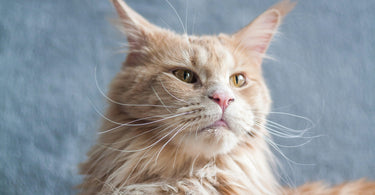
The Maine Coon is often called the “gentle giant” of the cat world. Its mane is thick and shaggy, framing the face like a lion’s crown. This breed’s fur is not only beautiful but also water-resistant, which helps in colder climates.
What’s remarkable is how the Maine Coon’s friendly personality matches its majestic look. You might wonder how such a big cat can be so gentle—yet they often become your most loyal companion.
Norwegian Forest Cat
With a lush, dense mane, the Norwegian Forest Cat looks perfectly adapted to survive harsh winters. The fur around its neck forms a ruff that protects it from cold winds. This breed’s strong build and thick coat make it a natural outdoor explorer.
If you want a cat that combines wild beauty with a playful spirit, this breed might be the one for you. Have you ever seen a cat look so ready to conquer the wilderness?
Siberian Cat
The Siberian Cat boasts a heavy mane that adds to its robust and muscular frame. This breed’s coat is triple-layered, offering protection from extreme weather. The mane gives the Siberian a distinct, fluffy look that’s hard to ignore.
Owners often praise how affectionate and smart Siberians are. Could their striking mane be a hint of their strong, independent nature?
Turkish Van
Turkish Vans have a unique mane that is slightly less dense but still prominent around the neck. Their semi-long fur combines with a muscular body, giving them a sleek yet powerful appearance. This breed is famous for its love of water, which is quite unusual for cats.
Imagine a cat with a mane that looks good both wet and dry—that’s the Turkish Van’s charm. How does your cat behave around water?
Persian Cat
The Persian Cat is known for its luxurious, flowing mane that complements its flat face and large eyes. This breed’s fur requires regular grooming to maintain its softness and volume. The mane adds to the Persian’s elegant and calm demeanor.
If you enjoy pampering your pet, the Persian’s mane gives you a great reason to spend quality grooming time together. Have you noticed how their fur changes with different seasons?
Unique Mane Features
The mane of certain cat breeds stands out not just as a physical trait but as a symbol of their unique identity. These manes vary widely, offering an intriguing glimpse into how genetics and environment shape each feline’s look. Understanding these differences can help you appreciate your cat’s mane beyond its surface beauty.
Thickness And Length Variations
Manes can differ greatly in thickness and length even within the same breed. Some cats boast thick, flowing manes that resemble a lion’s, while others have a more subtle, wispy appearance. Have you noticed how Maine Coons often have a dense, long mane that gives them a rugged look?
These differences are influenced by genetics and sometimes by the cat’s age or health. For instance, male cats typically develop thicker manes than females, reflecting natural hormonal changes. When choosing a cat, consider how the mane’s texture and length might affect grooming needs.
Seasonal Changes In Manes
Manes can change with the seasons, becoming fuller and more pronounced during colder months. This natural adaptation helps cats stay warm and protected. If you’ve seen your cat’s mane thicken in winter, you’re witnessing nature’s clever design in action.
Spring and summer usually bring a lighter, shorter mane as cats shed excess fur to stay cool. Tracking these seasonal changes can also alert you to your cat’s overall health. Sudden or uneven mane loss might be a sign to visit the vet.
Color Patterns
Manes often display fascinating color variations that add to a cat’s charm. Some breeds have manes that are a different shade from the rest of their coat, creating striking contrasts. Have you ever seen a cat with a darker mane that looks like it’s wearing a natural scarf?
These color patterns can include gradients, patches, or even a sun-bleached effect in outdoor cats. They’re not just eye-catching but can also hint at a cat’s lineage and breed purity. Paying attention to mane color might help you identify your cat’s heritage or spot a unique trait worth celebrating.
Credit: www.tippaws.com
Grooming Cats With Manes
Cats with manes include breeds like the Maine Coon, Norwegian Forest, and Persian. These breeds have thick fur around their necks that needs regular brushing. Grooming helps keep their manes soft and free from mats.
Grooming Cats With Manes Cats with manes, like the majestic Maine Coon or the fluffy Norwegian Forest Cat, require special attention to keep their coats healthy and tangle-free. These manes, while stunning, can become a grooming challenge if not cared for properly. Regular grooming not only maintains their beauty but also strengthens the bond between you and your feline friend.Brushing Techniques
To keep your cat’s mane looking its best, invest in a high-quality brush suited for long-haired cats. The right brush can easily glide through your cat’s coat, removing loose hair and minimizing shedding. Gently brush in the direction of hair growth to avoid causing discomfort and make grooming a pleasant experience for your cat.Handling Mats And Tangles
Mats and tangles can be a common issue in cats with manes. Carefully work through knots with your fingers before using a de-matting tool, which can help break up stubborn mats. Always be patient and gentle—rushing or pulling can cause your cat distress and make them wary of future grooming sessions.Bathing Tips
While cats are generally self-cleaning, occasional baths can help maintain a pristine mane. Use a cat-specific shampoo and ensure the water is lukewarm to keep your cat comfortable. Dry your cat thoroughly with a towel after bathing and consider using a blow dryer on a low setting if your cat tolerates it, to prevent moisture from causing new tangles. Do you have a favorite grooming routine or tool for your cat with a mane? Sharing tips with other cat lovers can make grooming a more enjoyable task for everyone involved. Remember, a well-groomed mane is not just about aesthetics—it’s an essential part of your cat’s overall health and happiness.Manes And Cat Behavior
Manes are one of the most striking features seen in certain cat breeds, especially those like the Maine Coon and the Persian. Beyond their visual appeal, manes can tell us a lot about a cat’s behavior and social habits. Understanding these connections helps you appreciate your feline friend on a deeper level.
Does A Mane Affect Personality?
Many cat owners wonder if a luscious mane means a distinct personality. While the mane itself doesn’t directly change behavior, breeds known for their manes often share common traits. For instance, Maine Coons are typically friendly and playful, while Persians tend to be calm and affectionate.
Think about your own cat. Does their fur length or style match their personality? You might notice that cats with manes often carry themselves with a certain confidence, perhaps due to their impressive appearance.
Mane And Social Interaction
Manes can influence how cats interact with others, both feline and human. Cats with thick fur around their necks may use their appearance to signal dominance or attract mates. This can affect their role within a social group, often giving them a more prominent status.
At the same time, the extra fur can make these cats more approachable or cuddly in the eyes of their owners. Have you seen a cat with a mane get more attention or social affection? Their mane might just be a natural invitation for petting and bonding.
Health Indicators In Manes
A cat’s mane can serve as a visible health indicator. Healthy, shiny fur often reflects good nutrition and overall well-being. Conversely, a dull or patchy mane might signal health issues like parasites, allergies, or stress.
Regular grooming of your cat’s mane isn’t just about appearance—it helps you check for problems early. Next time you brush your cat, pay attention to the condition of their mane. It might reveal more than you expect about their health.
Credit: pethero.co.za
Frequently Asked Questions
What Cat Breeds Have A Main Mane Around Their Neck?
Several cat breeds feature a mane-like ruff, including the Maine Coon, Norwegian Forest Cat, and Siberian. This thick fur resembles a lion’s mane and helps protect them in cold climates.
Why Do Some Cats Develop A Mane Or Ruff?
Cats develop a mane mainly for insulation and protection. The thick fur around their neck keeps them warm and shields vital areas during fights or harsh weather.
Are Maned Cats Better Suited For Cold Climates?
Yes, cats with manes usually come from colder regions. Their thick neck fur provides extra warmth, making breeds like the Maine Coon and Norwegian Forest Cat ideal for chilly environments.
Does A Cat’s Mane Indicate Its Breed Or Health?
A mane often indicates the breed, especially in long-haired cats. However, poor health or grooming can affect its appearance, so a healthy mane reflects good care and breed traits.
Conclusion
Cat breeds with manes stand out in any room. They bring charm and unique looks to your home. Some breeds wear their mane like a crown. These cats show personality and beauty together. Choosing a cat with a mane means choosing style and grace.
Every cat is special, but those with manes catch eyes quickly. Their fur adds to their playful and loving nature. A mane makes these cats truly unforgettable companions. Consider their care needs to keep their mane healthy. Enjoy the company of a cat that wears its mane proudly.




Leave a Reply