If you have a cat, you know how important it is to keep their fur clean and healthy. But have you ever wondered what kind of shampoo is best for grooming your feline friend?
Choosing the right shampoo can make a big difference in your cat’s comfort and skin health. You’ll discover exactly what to look for in a cat shampoo, so you can give your pet the gentle care they deserve. Keep reading to find out how to make bath time easier and more enjoyable for both you and your cat.

Credit: www.amazon.com
Choosing Cat-friendly Shampoos
Choosing the right shampoo is vital for your cat’s health and comfort. Cats have sensitive skin and unique grooming needs. Many shampoos made for humans or dogs can irritate their skin. A cat-friendly shampoo keeps the coat clean without causing dryness or allergies. It should be gentle, safe, and effective for your cat’s specific coat type. Understanding ingredients and options helps you pick the best product for your feline friend.
Ingredients To Avoid
- Sulfates: These harsh detergents can dry out your cat’s skin.
- Parabens: Used as preservatives, they may cause irritation.
- Fragrances: Artificial scents often trigger allergies or discomfort.
- Alcohol: Dries skin and can lead to itching or redness.
- Essential oils like tea tree: Toxic to cats even in small amounts.
Always check the label and avoid shampoos with these ingredients.
Natural And Hypoallergenic Options
Natural shampoos use plant-based ingredients that soothe and nourish skin. Look for aloe vera, chamomile, or oatmeal. These help reduce itching and dryness. Hypoallergenic shampoos contain minimal chemicals and no dyes. They reduce the risk of allergic reactions. Such shampoos are ideal for cats with sensitive skin or allergies. They clean gently while protecting the skin’s natural oils.
Shampoos For Different Coat Types
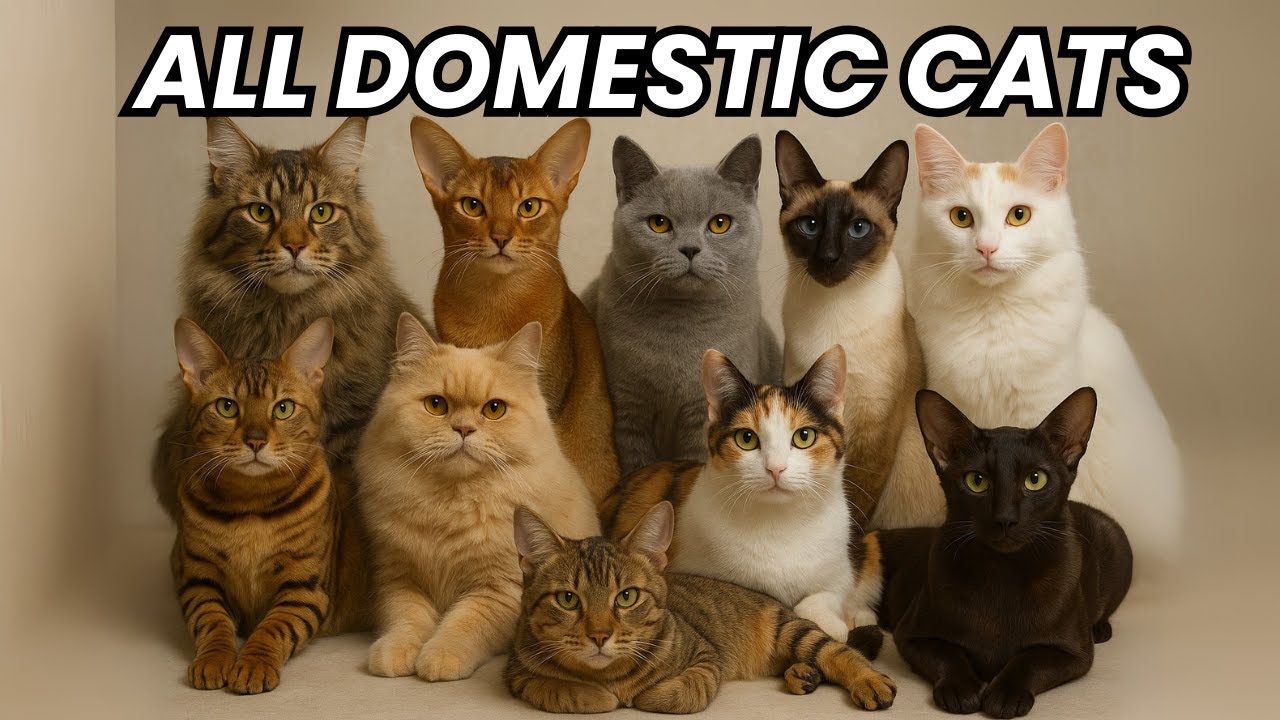
Cats have various coat types, each needing special care. Short-haired cats benefit from lightweight shampoos that rinse easily. Long-haired cats need moisturizing shampoos to prevent tangles and dryness. Cats with oily coats require shampoos that help control excess oil. For cats with dry or flaky skin, choose shampoos with hydrating ingredients. Pick a shampoo designed for your cat’s coat to keep it healthy and shiny.

Credit: biogroom.com
Specialty Shampoos For Cat Needs
Specialty shampoos for cats are designed to meet unique grooming needs. These shampoos help address specific problems beyond basic cleaning. Choosing the right type supports your cat’s health and comfort. Each formula targets different concerns, making grooming easier and safer.
Medicated Shampoos For Skin Issues
Medicated shampoos help treat skin problems like itching, redness, and dryness. They contain ingredients that soothe irritation and fight infections. These shampoos often include antifungal or antibacterial agents. Use them under veterinary guidance for best results. They help heal skin and reduce discomfort quickly.
Flea And Tick Control Shampoos
Flea and tick shampoos protect cats from pests that cause itching and disease. They contain safe insecticides to kill and repel parasites. Bathing with these shampoos reduces flea numbers and stops ticks from attaching. Regular use helps keep your cat free of pests. Always follow instructions to avoid harming your pet.
Deodorizing And Whitening Shampoos
Deodorizing shampoos remove unpleasant odors and leave fur smelling fresh. They use gentle fragrances and cleaning agents. Whitening shampoos brighten light-colored fur and remove stains. Both types improve your cat’s appearance and smell. Use them occasionally to maintain clean and healthy fur.
Safety Tips For Bathing Cats
Choosing a shampoo made specifically for cats helps protect their skin and fur. Avoid human shampoos, as they can cause irritation or dryness. Gentle, hypoallergenic formulas keep your cat comfortable during grooming.
Bathing your cat might seem like a daunting task, but with the right safety tips, it can be a smooth and stress-free experience for both of you. Ensuring your feline friend’s safety during bath time is crucial to avoid any mishaps or stress. Let’s dive into some essential safety tips to make your cat’s grooming experience a pleasant one.Preparing Your Cat For Bath Time
Before introducing your cat to the bath, familiarize them with water in a non-threatening way. You can start by gently wetting their paws or using a damp cloth on their fur. This helps them get used to the sensation without feeling overwhelmed. Make sure to brush your cat thoroughly to remove tangles and loose fur. This not only helps in reducing shedding but also prevents matting when their fur gets wet. A relaxed cat is less likely to panic, so consider a few minutes of playtime or gentle petting to calm their nerves before the bath.Avoiding Common Bathing Mistakes
One common mistake is using water that’s too hot or too cold. Always test the water temperature with your wrist to ensure it’s lukewarm, which is ideal for a cat’s sensitive skin. Avoid using human shampoos as they can be harsh on your cat’s skin. Instead, choose a cat-specific shampoo that is gentle and formulated for their unique pH balance. Never pour water directly over your cat’s head. Instead, use a cup or handheld sprayer to gently wet their body, keeping their head dry to prevent water from getting into their ears or eyes.How Often To Shampoo Your Cat
Cats are generally meticulous groomers, so they don’t need frequent baths. Consider shampooing your cat only when necessary, such as when they’ve gotten into something sticky or smelly. For indoor cats, a bath every few months is often sufficient. However, if your cat has skin conditions or allergies, consult your vet for a tailored bathing schedule. Remember, over-bathing can strip your cat’s fur of natural oils, leading to dry skin. Pay attention to your cat’s behavior and coat condition to determine the best bathing routine. Bathing your cat doesn’t have to be a dreaded chore. By preparing ahead of time and understanding what works best for your furry friend, you can make bath time a bonding experience. What’s your biggest challenge when it comes to bathing your cat, and how have you managed it? Share your experiences in the comments!
Credit: www.amazon.com
Alternatives To Traditional Shampoo
Traditional shampooing can be stressful for many cats. Some cats dislike water or become anxious during baths. Alternatives to traditional shampoo offer easier ways to keep your cat clean and fresh. These options are gentle and simple to use. They help maintain your cat’s coat without a full bath.
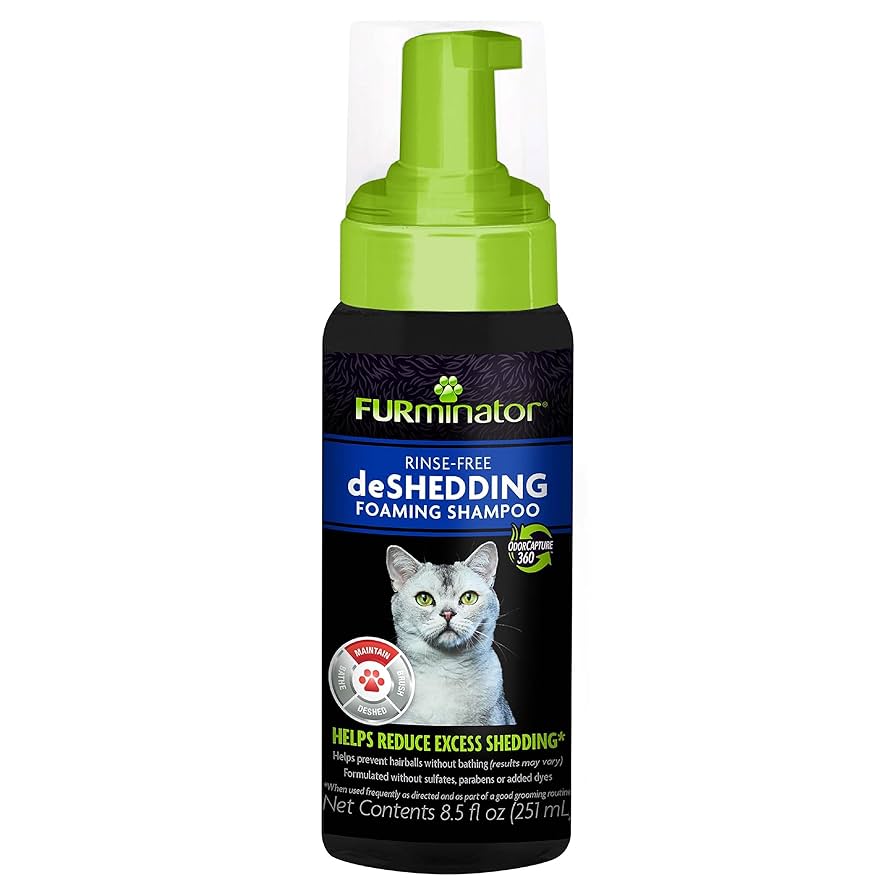
Waterless And No-rinse Shampoos
Waterless shampoos are a quick way to clean your cat’s fur. They work without water, which suits shy or nervous cats. You spray or rub the shampoo onto the coat. Then, you wipe or brush it off. These shampoos remove dirt and odors effectively. They leave the fur soft and shiny.
Using Wipes And Spot Cleaners
Wipes are handy for small messes or quick freshening up. You can use pet-safe wipes to clean paws, face, or body spots. Spot cleaners focus on specific dirty areas. They are gentle and easy to apply. Wipes and spot cleaners avoid the stress of a full bath.
Dry Shampoo Options
Dry shampoos absorb oils and dirt without water. They come in powders or foams. You apply them by massaging the product into your cat’s fur. Then, brush or towel off the excess. Dry shampoos help control grease and keep the coat healthy. They provide a clean feel between baths.
Post-bath Care For Cats
Bathing a cat is only half the job. Proper care after the bath is key to keeping your cat comfortable and healthy. Cats have sensitive skin and delicate fur. Post-bath care helps avoid irritation and matting. It also supports a shiny, clean coat that feels soft to touch.
Drying Techniques
Use a soft, absorbent towel to pat your cat dry. Avoid rubbing hard to prevent tangling fur. Gently press the towel to soak up water. A warm, quiet room helps your cat feel calm during drying.
Hair dryers can be noisy and scary. Use them only on the lowest heat and speed. Keep the dryer at a safe distance from the skin. Never aim the dryer directly at the face or ears.
Brushing And Grooming After Bathing
Brushing after drying removes loose fur and prevents mats. Use a brush designed for your cat’s fur type. Long-haired cats need gentle, frequent brushing. Short-haired cats benefit from a soft bristle brush.
Start brushing slowly to keep your cat relaxed. Focus on areas prone to tangles, like behind the ears and under the legs. Regular grooming keeps the coat smooth and healthy.
Monitoring Skin And Coat Health
Check your cat’s skin for redness, dryness, or bumps. Healthy skin looks clean and free of flakes. A dull coat or excessive shedding may signal issues.
Keep an eye on your cat’s behavior. Scratching or licking more than usual can mean irritation. Consult a vet if you notice persistent skin problems or discomfort.
Frequently Asked Questions
What Shampoo Is Best For Grooming Cats?
Choose a shampoo formulated specifically for cats. Look for gentle, hypoallergenic, and fragrance-free options. Avoid harsh chemicals and human shampoos, as they can irritate your cat’s skin.
Can I Use Human Shampoo To Wash My Cat?
No, human shampoos have different pH levels and ingredients. They can cause skin irritation and dryness in cats. Always use shampoos designed for feline skin.
How Often Should I Shampoo My Cat?
Bathing frequency depends on your cat’s lifestyle and coat type. Generally, shampooing once a month or less is sufficient. Overbathing can strip natural oils and dry the skin.
Are There Shampoos For Cats With Sensitive Skin?
Yes, sensitive skin shampoos are available for cats. These are mild, fragrance-free, and formulated to soothe irritation. Consult your vet for recommendations if your cat has allergies.
Conclusion
Choosing the right shampoo helps keep your cat’s coat clean and healthy. Gentle formulas protect their skin and avoid irritation. Avoid shampoos with strong chemicals or fragrances. Always pick a product made especially for cats. Regular grooming supports your pet’s comfort and happiness.
A clean cat is a happy cat. Keep these tips in mind for better care. Simple steps make grooming easier for both you and your cat. Healthy fur shows your love and care clearly.


Leave a Reply