Are you curious about whether breeding big cats is illegal? You might have seen videos or heard stories about people raising lions, tigers, or other wild cats.
But what does the law really say about this? Understanding the rules around breeding these powerful animals is important—not just for their safety, but for yours too. Keep reading, and you’ll discover the surprising facts and legal details that most people don’t know.
This knowledge could change the way you think about big cats and their place in our world.
Credit: www.theguardian.com
Legal Status Of Big Cat Breeding
The legal status of breeding big cats varies widely across the globe, reflecting different cultural attitudes and conservation priorities. Understanding these laws is crucial if you are involved in or curious about the practice. Knowing where it is legal, what permits are needed, and which international rules apply can help you navigate this complex issue responsibly.
Laws By Country And Region
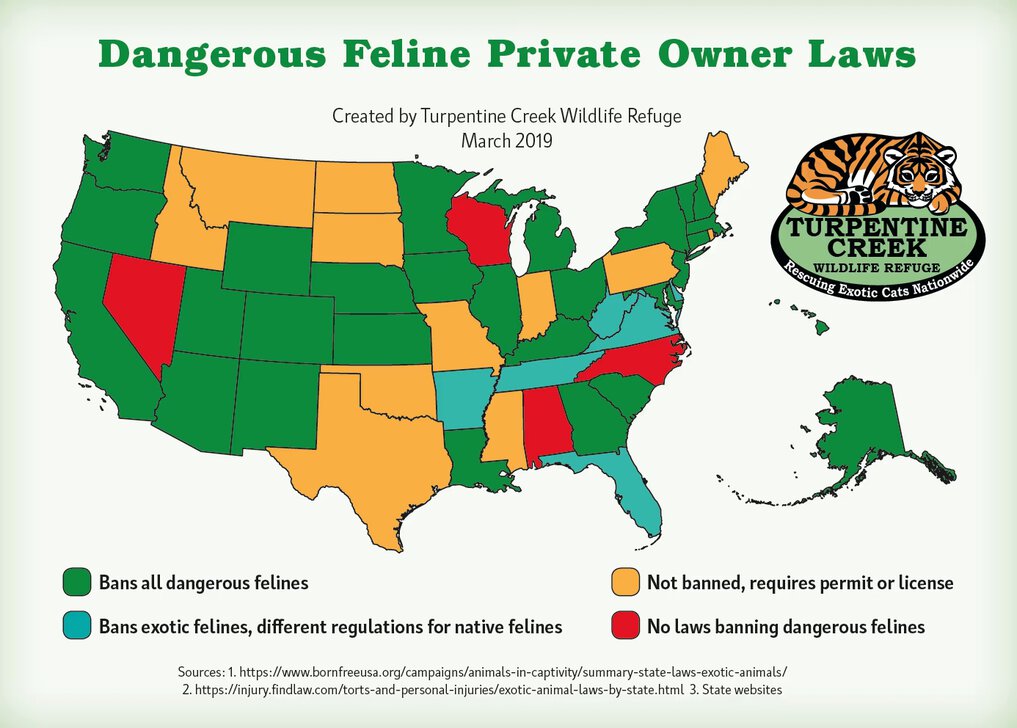
Some countries strictly prohibit breeding big cats to protect endangered species and prevent illegal trade. For example, the United States has a patchwork of state laws—some states ban private ownership and breeding, while others allow it with few restrictions.
In contrast, countries like South Africa permit breeding under regulated conditions, often linked to conservation programs. Are you aware of your own country’s stance on this? It might surprise you how different the rules can be just a few miles apart.
Permits And Licensing Requirements
Breeding big cats almost always requires special permits. These licenses ensure breeders meet animal welfare standards and help authorities monitor breeding activities.
Obtaining a permit can involve detailed inspections, proof of proper enclosures, veterinary care plans, and sometimes background checks. If you’re considering involvement in breeding, ask yourself: do you have the resources and commitment to meet these rigorous standards?
International Regulations
International agreements like CITES (the Convention on International Trade in Endangered Species) play a key role in controlling the breeding and trade of big cats. CITES classifies many big cat species under Appendix I or II, meaning their breeding and trade require strict permits and documentation.
These regulations aim to prevent illegal wildlife trafficking and promote conservation. If breeding big cats crosses borders, understanding these rules is not optional—it’s mandatory. How would you ensure compliance if you were part of this global network?
Credit: www.theguardian.com
Ethical Concerns And Welfare Issues
Breeding big cats raises serious ethical questions that go beyond legal boundaries. It touches on the treatment of these majestic animals and the consequences for their species. Understanding these concerns can help you form an informed opinion about whether supporting or engaging in big cat breeding is responsible.
Animal Cruelty Risks
Breeding big cats often leads to practices that harm the animals physically and emotionally. Many breeders prioritize profit over welfare, resulting in neglect or abusive handling.
Animals can suffer from forced breeding, inadequate veterinary care, and stress from unnatural living environments. You might wonder if these animals truly live with dignity under such conditions.
Impact On Big Cat Populations
Breeding big cats in captivity does not always help wild populations. In some cases, it can fuel illegal trade and reduce the incentive to protect natural habitats.
Some breeding programs claim to support conservation but fail to contribute meaningfully to wild population recovery. Does your support for captive breeding actually harm the species you want to protect?
Living Conditions In Breeding Facilities
Many breeding facilities keep big cats in cramped cages that lack space for natural behaviors. This confinement leads to physical health problems and psychological stress.
Animals often show signs of boredom and frustration, such as pacing or self-harm. If you visited one of these facilities, would you feel comfortable knowing these conditions are considered ‘standard’?
Common Myths About Big Cat Breeding
Big cat breeding sparks many questions and confusion. Some ideas about it are not true. These myths can affect how people think about the practice.
Understanding these myths helps separate fact from fiction. It shows the real reasons behind breeding big cats.
Breeding For Conservation
Many believe breeding big cats always helps save wild populations. This is not always true. Some breeding programs focus on pets or shows, not on protecting species. True conservation needs careful planning and wild habitat protection. Breeding alone cannot fix all problems wild big cats face.
Private Ownership Rights
People often think owning and breeding big cats privately is legal everywhere. Laws vary by place and can be strict. Some areas ban private big cat ownership to protect animals and people. Others allow it under rules. It is important to know local laws before breeding or owning big cats.
Profit Motives And Exploitation
Many assume all big cat breeders want only money. Profit is a factor for some breeders, but not all. Some work to protect animals or educate the public. Still, profit-driven breeding can lead to poor care and exploitation. Ethical breeding focuses on animal welfare, not just money.
Credit: www.worldanimalprotection.ca
High-profile Cases And Controversies
Breeding big cats often sparks legal battles and public debate. Laws vary widely, causing confusion and controversy over what is allowed. High-profile cases highlight risks to animals and people involved in this practice.
High-Profile Cases and Controversies The world of big cat breeding is shrouded in mystery and often sparks heated debates. High-profile cases and controversies have brought the spotlight to this clandestine industry, raising questions about legality, ethics, and animal welfare. As public interest grows, so does the scrutiny on those involved in these activities.Notorious Breeders And Legal Battles
Some breeders have gained notoriety due to their controversial practices and brushes with the law. Figures like Joe Exotic and Doc Antle have become infamous, not only for their breeding operations but also for the legal battles they faced. These cases highlight the complexities and loopholes in regulations surrounding big cat breeding, often leaving the public divided on their culpability. Legal battles often become public spectacles, drawing attention to the often-overlooked issues within the big cat breeding industry. Courtrooms turn into battlegrounds where animal rights activists and breeders clash, each side presenting compelling arguments. Have you ever wondered how these legal outcomes influence the fate of big cats?Media Coverage And Public Reaction
Media plays a crucial role in shaping public opinion on big cat breeding. Sensational stories and documentaries like “Tiger King” have captivated audiences, sparking widespread outrage and curiosity. The media’s portrayal can sometimes blur the lines between fact and fiction, leaving viewers questioning the true nature of these breeding operations. Public reaction often sways from empathy for the animals to fascination with the breeders’ lifestyles. Social media amplifies these sentiments, creating a platform for widespread debate and advocacy. How do you perceive the media’s role in this ongoing saga?Impact On Legislation
High-profile cases often serve as catalysts for legislative change. The increased awareness and public pressure have led lawmakers to reconsider and tighten regulations around big cat breeding. New laws are being proposed and enacted, aimed at closing loopholes and ensuring better protection for these majestic creatures. However, change is often slow, and enforcement remains a significant challenge. It raises the question: Are these legislative efforts enough to safeguard the welfare of big cats, or is there more work to be done? Your voice and advocacy can play a part in shaping future policies.Alternatives To Breeding Big Cats
Breeding big cats raises many ethical and legal concerns. Many seek better ways to protect these majestic animals. Alternatives to breeding focus on care, protection, and education. These options help big cats thrive without increasing captive populations.
Sanctuaries And Rescue Centers
Sanctuaries offer safe homes for big cats rescued from poor conditions. They provide space to live naturally and receive medical care. These centers do not breed animals but focus on rehabilitation and protection. Visitors can learn about the cats’ stories and the threats they face.
Conservation Programs
Conservation programs work to protect wild big cat populations. They focus on habitat preservation and anti-poaching efforts. These programs support local communities to reduce human-wildlife conflicts. Funding helps maintain healthy ecosystems for big cats to survive.
Educational Outreach
Education raises awareness about the dangers of breeding big cats. Schools and communities learn about wildlife protection and animal rights. Outreach programs encourage respect for big cats and their natural homes. Knowledge helps people support conservation and reject harmful breeding practices.
Steps To Take If You Suspect Illegal Breeding
If you suspect illegal breeding of big cats, taking immediate and informed action is crucial. These activities harm animals and often violate strict laws. Knowing exactly what steps to take can help protect these majestic creatures and hold offenders accountable.
How To Report Violations
Start by gathering clear evidence without putting yourself in danger. Photos, videos, or detailed notes about what you observe can be very helpful. Avoid confronting the breeders directly, as this might escalate the situation.
Next, report your findings to the appropriate authorities. Many countries have dedicated wildlife enforcement agencies or animal protection services that handle these cases. Providing accurate location details and descriptions will speed up their response.
Organizations To Contact
- Local Animal Control or Wildlife Services:These are often the first responders for animal welfare issues in your area.
- Government Wildlife Agencies:Agencies like the U.S. Fish and Wildlife Service or similar bodies in other countries enforce laws related to endangered species.
- Animal Protection Groups:Nonprofits such as the World Wildlife Fund (WWF) or Big Cat Rescue specialize in big cat conservation and can provide guidance.
Each organization has different roles, so contacting multiple groups can increase the chances of effective intervention.
What To Expect After Reporting
Once you report, authorities may start by investigating the claim discreetly. This process can take time, as they must gather sufficient proof to act legally. You might be asked for additional information or to testify if the case goes to court.
Remember, your role as a concerned citizen is vital but often behind the scenes. Staying patient and following up respectfully can help maintain momentum in the investigation. Have you ever wondered how much impact your single report could have on stopping illegal activities?
Frequently Asked Questions
Is Breeding Big Cats Legal In The United States?
Breeding big cats is heavily regulated in the U. S. Laws vary by state, with many banning or restricting it. Federal regulations also apply under the Endangered Species Act and the Animal Welfare Act to protect both animals and public safety.
What Laws Regulate Big Cat Breeding?
Big cat breeding is regulated by state laws and federal acts like the Endangered Species Act. The Animal Welfare Act also sets standards for care and handling. Regulations aim to prevent illegal trade, ensure animal welfare, and protect ecosystems.
Can Private Individuals Legally Breed Big Cats?
In many places, private breeding of big cats is illegal or requires strict permits. Some states allow it under controlled conditions, but most discourage private ownership due to safety and ethical concerns. Always check local laws before attempting to breed big cats.
Why Is Big Cat Breeding Controversial?
Breeding big cats raises ethical, safety, and conservation concerns. It often leads to poor animal welfare and increased risk to humans. Many experts argue it threatens wild populations by encouraging illegal trade and reducing focus on habitat protection.
Conclusion
Breeding big cats often faces strict laws and rules worldwide. Many places ban it to protect animals and people. These laws help stop cruelty and keep wild cats safe. Some breeders follow rules carefully to avoid trouble. Understanding local laws is key before thinking about breeding.
Respect for wildlife matters most in these choices. Always choose safety and care over risk and harm. Big cats deserve a life free from human danger.



Leave a Reply