Are you wondering if your playful kitten can eat the same wet food as your adult cat? It’s a common question that many cat owners face.
You want to make sure your furry friend gets the right nutrition to grow strong and healthy. But is adult cat wet food safe or suitable for your little kitten? Keep reading to discover what you need to know to keep your kitten happy and well-fed every step of the way.

Credit: www.purina.com
Kitten Nutritional Needs
Kittens have unique nutritional needs that differ significantly from those of adult cats. Their bodies are growing rapidly, requiring a specialized diet to support development and overall health. Understanding these needs helps you decide whether adult cat wet food is suitable for your kitten.
Key Nutrients For Growth
Kittens need a higher amount of protein compared to adult cats. Protein fuels muscle development and keeps their energy levels high.
Fat is another critical nutrient. It provides essential calories and supports brain and eye development.
Calcium and phosphorus are vital for strong bones and teeth. Without the right balance, your kitten could face health problems later.
Don’t forget vitamins like A, D, and E, which aid in immune function and vision.
Differences From Adult Cats
Adult cat food usually has fewer calories and less protein than kitten food. This is because adult cats are not growing, so their energy needs are lower.
Feeding a kitten adult food might lead to nutrient deficiencies that can stunt growth or weaken the immune system.
Have you noticed your kitten’s energy dipping or their coat losing shine? This might be a sign their diet isn’t meeting their unique needs.
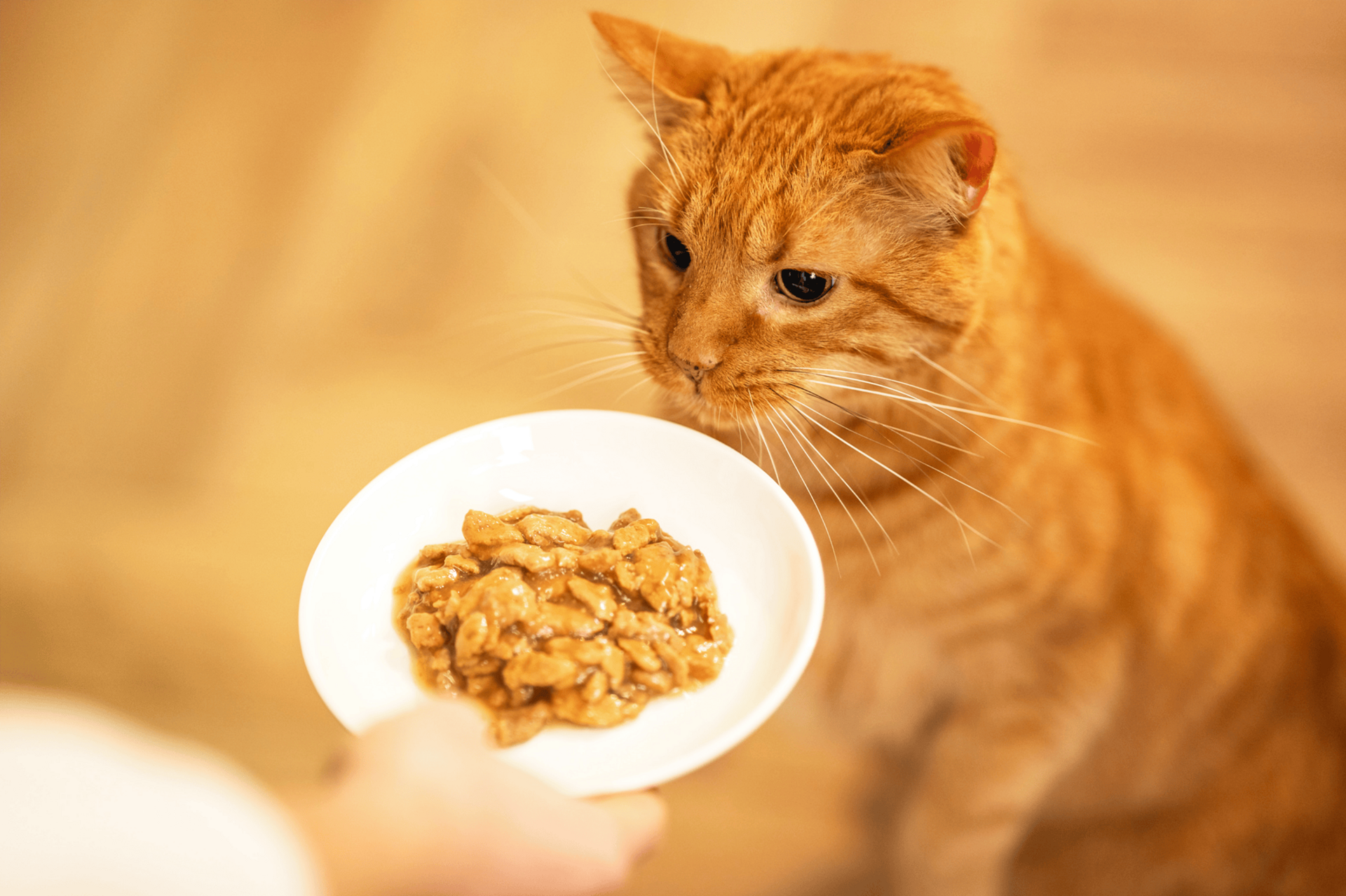
Choosing food specifically designed for kittens ensures they get the right balance of nutrients in every meal.
Credit: iams.eu
Adult Cat Wet Food Composition
Adult cat wet food is designed with specific ingredients and nutrients to meet the needs of grown cats. Its composition supports maintenance of a healthy weight and overall well-being. Understanding this composition helps to see how it differs from kitten food and why feeding kittens adult food may not be ideal.
Typical Ingredients
Adult cat wet food usually contains:
- Meat or fish as the main protein source
- Animal by-products for extra nutrients
- Water or broth for moisture
- Vitamins and minerals to support health
- Carbohydrates like rice or corn in small amounts
These ingredients aim to provide balanced nutrition for adult cats. The protein is often moderate to prevent weight gain. Fat content is controlled to maintain energy without excess calories.
Nutrient Levels Compared To Kitten Food
Adult cat food has different nutrient levels than kitten food. Kittens need more protein and fat to fuel growth. Their food contains higher amounts of:
- Protein for muscle development
- Fat for energy
- Calcium and phosphorus for bone growth
- Vitamins like A and E for development
Adult cat food has lower levels of these nutrients because grown cats require less. Feeding adult food to kittens might slow their growth or cause nutrient deficiencies. Kitten food supports rapid growth and a strong immune system, which adult food may not provide.
Feeding Kittens Adult Wet Food
Feeding kittens adult wet food is a question many new cat owners face. You might wonder if it’s okay to give your young feline the same food as your grown cat. Understanding the effects of adult wet food on kittens helps you make the best choice for your pet’s health and growth.
Potential Benefits
Adult wet food can be more palatable and easier for kittens to eat because of its softer texture. This might encourage a picky eater to try new foods, especially if transitioning from milk or dry food.
Some adult wet foods contain high moisture content, which helps keep your kitten hydrated. This is particularly useful if your kitten doesn’t drink enough water on its own.
In a pinch, feeding adult wet food can provide essential nutrients when kitten-specific formulas are unavailable. It’s a practical option during travel or emergencies.
Possible Risks
Adult wet food often lacks the higher protein, fat, and calorie levels that growing kittens need. Feeding it regularly could slow your kitten’s growth or affect their energy levels.
Essential nutrients like taurine and certain vitamins might be lower in adult formulas, which are tailored for maintenance, not growth. This could lead to nutritional deficiencies over time.
Feeding adult wet food exclusively might also delay the development of a healthy immune system. Kittens require balanced nutrition to build strong defenses against illness.
When To Transition To Adult Food
Kittens can start eating adult cat wet food around 9 to 12 months old. Gradually mix it with kitten food to help them adjust. Watch for any changes in appetite or digestion during the transition.
When to Transition to Adult Food Welcoming a kitten into your life brings a mix of joy and responsibility. One of the key responsibilities is ensuring they receive the right nutrition. But at what point should you transition your kitten to adult cat wet food? Understanding the right time can ensure a smooth dietary shift for your feline friend.Age Guidelines
Kittens experience rapid growth and development, requiring nutrient-rich diets. Most experts recommend starting the transition to adult food around 12 months of age. However, large breeds like Maine Coons might benefit from a longer kitten food phase, extending up to 18 months.Signs Your Kitten Is Ready
Age alone isn’t the only indicator your kitten is ready for adult food. Notice if your kitten seems less active or isn’t finishing their meals. Changes in energy levels and appetite can suggest it’s time to switch. Observe your kitten’s weight and body condition. If they’re maintaining a healthy weight with kitten food, it might be time to transition. Just like humans, each kitten has unique nutritional needs. Is your kitten showing increased interest in adult food? Curiosity about your older cat’s meals might signal readiness. Ensure you monitor their health closely during the transition. Transitioning to adult cat wet food is a significant milestone in your kitten’s life. Paying attention to both age and behavioral cues ensures a healthier, happier feline companion.Choosing The Right Wet Food
Choosing the right wet food for your kitten is crucial for its growth and health. Not all adult cat wet foods meet the nutritional needs of a growing kitten. Understanding what to look for can help you avoid potential health issues and provide your kitten with a balanced diet.
Reading Labels
Always check the label to see if the food is formulated for kittens. Look for phrases like “complete and balanced for kittens” or “growth” to ensure it meets their nutritional needs.
Key nutrients to watch for include:
- Protein:Kittens need higher protein levels to support muscle development.
- Fat:Essential for energy and brain development.
- Vitamins and minerals:Calcium and phosphorus are important for bone growth.
Also, pay attention to ingredients. Avoid foods with too many fillers like corn or by-products, as these provide little nutritional value. Have you ever noticed how some foods list meat or fish as the first ingredient? That’s usually a good sign.
Consulting Your Veterinarian
Your vet knows your kitten’s specific health needs better than anyone. They can recommend the best wet food brands or formulas tailored to your kitten’s breed, age, and any health concerns.
Don’t hesitate to ask questions about transitioning your kitten from adult cat food. Your vet can guide you on portion sizes and how to recognize if the food suits your kitten.
Remember, what worked for a friend’s kitten might not be ideal for yours. Personalized advice often makes all the difference in your kitten’s well-being.
Tips For Feeding Kittens
Feeding kittens properly is crucial for their growth and health. You want to make sure they get the right nutrients without overfeeding or underfeeding. Paying attention to portion sizes and feeding frequency helps you create a balanced routine that supports their development.
Portion Sizes
Kittens need smaller, controlled portions compared to adult cats. Their stomachs are tiny, so giving too much food at once can lead to discomfort or waste.
Start with about two to three tablespoons of wet food per meal and adjust based on your kitten’s appetite and growth. Watching their weight and energy levels will help you decide if you need to increase or decrease the portions.
Have you noticed your kitten leaving food behind or begging for more? Both can be signs to tweak the portion size.
Feeding Frequency
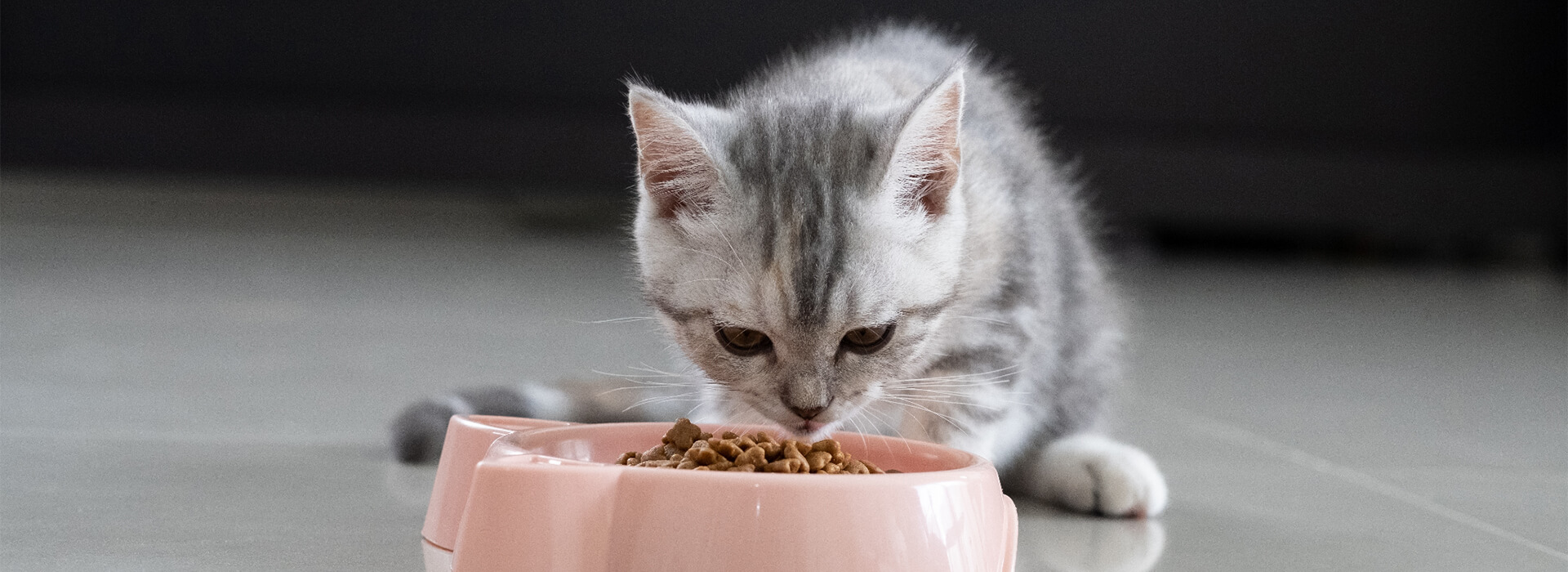
Kittens burn a lot of energy, so they require frequent meals throughout the day. Aim for four to five small meals daily during the first few months.
Gradually, you can reduce feeding to three times a day as they grow older. This helps maintain steady energy and prevents overeating.
Setting regular feeding times creates a predictable routine, which your kitten will appreciate. How often do you currently feed your kitten, and have you observed changes in their behavior or digestion?
Credit: www.whiskas.co.uk
Frequently Asked Questions
Can Kittens Eat Adult Cat Wet Food Safely?
Kittens can eat adult cat wet food occasionally but it’s not ideal. Adult food lacks essential nutrients for growth. Kittens need specially formulated food for their development. Consult your vet for suitable kitten food options.
What Are The Risks Of Feeding Kittens Adult Wet Food?
Feeding kittens adult wet food may cause nutrient deficiencies. Adult food may lack enough protein, fat, and vitamins kittens need. This can slow growth and weaken their immune system. Always prioritize kitten-specific nutrition for healthy development.
How Long Can A Kitten Eat Adult Cat Wet Food?
Kittens should only eat adult wet food for a short time in emergencies. Ideally, switch to kitten food within a few weeks. Kitten food supports rapid growth and brain development. Prolonged feeding of adult food may harm their health.
Is Adult Wet Food Nutritionally Balanced For Kittens?
Adult wet food is balanced for mature cats but not kittens. Kittens require higher protein, fat, and calories than adult cats. Kitten food formulas ensure proper growth and immune support. Use kitten food until they reach 12 months old.
Conclusion
Kittens need special food to grow strong and healthy. Adult cat wet food lacks some nutrients kittens require. Feeding kittens only adult food may cause health problems. A mix of kitten and adult food can work briefly. Always check with your vet for the best feeding plan.
Healthy kittens grow into happy, active adult cats. Choose food that supports their unique needs every day. Keep their diet balanced and watch them thrive.



Leave a Reply