Are you curious about the most unique and rarest cat breeds in the world? Imagine having a feline friend so special that few people have ever seen one.
These rare cats aren’t just beautiful—they carry fascinating stories and traits that make them stand out. Whether you’re a cat lover or just intrigued by unusual pets, discovering these top 10 rarest cat breeds will surprise and delight you. Keep reading to find out which cats have captured the hearts of collectors and why they might be the perfect match for your home.
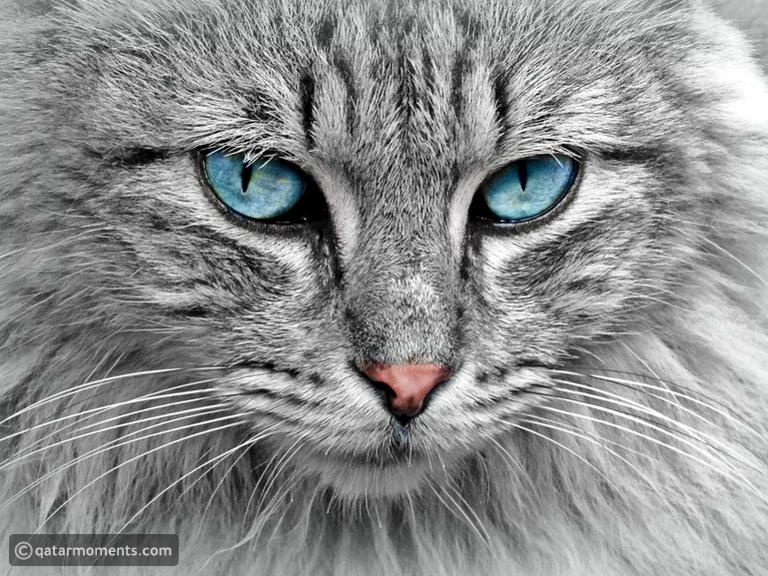
Credit: www.msn.com
Rare Cat Breed Criteria
Understanding what makes a cat breed rare is essential before diving into the list of the top 10 rarest cat breeds. Rarity isn’t just about how few cats of that breed exist. It involves multiple aspects that affect availability, recognition, and even the breed’s unique traits.
Defining Rarity In Cats
Rarity in cat breeds often depends on how many cats of that breed exist worldwide. Some breeds are rare because they are newly developed or have a very limited gene pool. Others might be rare due to lack of popularity or because they originate from remote regions.
Think about your own experience: Have you ever met a cat breed that was completely new to you? That surprise often comes from encountering a rare breed. This rarity can make these cats highly sought after by enthusiasts and breeders.
Factors Affecting Breed Rarity
Several key factors influence why some cat breeds remain rare:
- Geographic Origin:Cats from isolated or specific regions may have limited numbers outside their homeland.
- Breed Recognition:Some breeds aren’t officially recognized by major cat associations, limiting breeding programs.
- Breeding Difficulty:Certain breeds require specific conditions or are prone to health issues, making breeding challenging.
- Popularity Trends:Trends in pet ownership can make some breeds less common if they don’t fit current preferences.
- Genetic Diversity:Small gene pools can lead to fewer healthy breeding pairs, restricting population growth.
When you consider these factors, you start to see why some beautiful and unique breeds remain hidden gems. Does knowing this change how you view the cats you encounter?
Ashera Cat
The Ashera cat stands out as one of the rarest and most exotic cat breeds in the world. Known for its impressive size and striking appearance, this breed often grabs attention wherever it goes. If you think you’ve seen a large domestic cat before, the Ashera will change your perspective entirely.
Origin And History
The Ashera cat is a hybrid breed created in the early 2000s. It was developed by crossing the African serval, Asian leopard cat, and a domestic housecat. This mix aimed to blend the wild looks of exotic cats with the temperament of domestic pets.
The breed was marketed as a luxury pet, and only a limited number were ever produced. Its rarity is partly due to the complex breeding process and the high cost involved in acquiring one.
Physical Characteristics
One of the most striking features of the Ashera cat is its large size, often reaching up to 30 pounds or more. Its coat usually has a leopard-like pattern with spots or stripes that make it look wild. The fur is short and soft, with colors ranging from golden to cream.
Its ears are large and rounded, and its body is muscular yet graceful. If you want a cat that looks like a miniature leopard, the Ashera is a perfect choice.
Personality Traits
Despite its wild appearance, the Ashera cat is known for being affectionate and loyal to its owner. It enjoys interaction and can be quite playful, often surprising people with its intelligence. However, it requires a lot of stimulation and space to stay happy.
Are you ready to provide the attention and environment such a unique cat needs? Owning an Ashera means committing to a pet that blends wild beauty with a loving nature.
Sokoke Cat
Sokoke Cats are rare wild-looking cats from Kenya with unique spotted coats. Their slender bodies and large ears make them stand out among rare breeds. Known for being playful and social, they are a true gem for cat lovers.
The Sokoke Cat stands as one of the rarest cat breeds. Originating from the coastal forests of Kenya, this unique feline captivates cat lovers worldwide. Known for its wild appearance and distinct traits, the Sokoke Cat is a natural wonder.Natural Habitat
The Sokoke Cat hails from the Sokoke Forest in Kenya. This environment is tropical, with lush vegetation and diverse wildlife. Sokoke Cats have adapted well to this region. They thrive in warm, humid climates. Their natural surroundings have shaped their survival skills.Distinctive Features
Sokoke Cats have short, glossy coats. Their fur resembles tree bark patterns, offering camouflage. They have long legs and slim bodies. Their large, almond-shaped eyes are striking. These cats often have amber or green eye colors. Their ears are medium-sized and set wide apart.Behavioral Traits
Sokoke Cats are active and playful. They love climbing and exploring. These cats are intelligent and curious. They form strong bonds with their owners. Sokoke Cats enjoy interactive play and mental challenges. They are social but may be shy around strangers.Serengeti Cat
The Serengeti Cat stands out as one of the most strikingly beautiful and rare cat breeds you might come across. Its exotic looks resemble a wild leopard, yet this breed offers the gentle nature of a domestic cat. If you’ve ever wondered what it would be like to have a pet that looks fierce but behaves like a loving companion, the Serengeti might be the perfect match.
Breed Development
The Serengeti was created by crossing Bengal cats with Oriental Shorthairs. The goal was to develop a breed that looks like a wild serval but is completely domestic in temperament. This breed is relatively new, with its development starting in the late 1990s.
The breeders focused on producing long legs and spotted coats, key features that give the Serengeti its wild appearance. This careful selection process means you won’t find many of these cats around, making them quite rare. Does the story behind a pet’s origin affect how you feel about adopting it?
Appearance
Serengeti cats are instantly recognizable by their tall, slender bodies and large ears. Their coats are covered in bold, dark spots on a golden or tan background, closely mimicking a wild cat’s look. One thing you’ll notice is their long legs, which give them a graceful and agile stance.
They have almond-shaped eyes that shine with intelligence and curiosity. Their tails are long and often have black rings, adding to their exotic appearance. If you love cats that catch everyone’s eye, the Serengeti’s look is sure to turn heads.
Temperament
Despite their wild looks, Serengeti cats are known for their friendly and social nature. They enjoy interacting with people and often form strong bonds with their owners. If you want a cat that is playful yet affectionate, this breed fits the bill.
They are active and love to explore, so providing plenty of toys and climbing spaces will keep them happy. Serengetis also tend to be vocal, letting you know exactly what they want. Have you considered how a cat’s energy level and communication style might fit your lifestyle?
Kurilian Bobtail
The Kurilian Bobtail is a fascinating cat breed that often flies under the radar despite its unique charm. Known for its distinctive bobbed tail and robust build, this breed carries a rich history and a personality that can brighten any home. If you’re curious about rare cat breeds, the Kurilian Bobtail deserves a closer look.
Background
The Kurilian Bobtail originated from the Kuril Islands, located between Russia and Japan. It developed naturally over centuries, adapting to the harsh island environment, which gave it a sturdy and resilient nature.
This breed is recognized officially in several cat registries, though it remains rare outside its native region. Its history as a working cat, helping fishermen by catching rodents, adds to its practical and independent character.
Unique Traits
One of the most striking features of the Kurilian Bobtail is its short, pom-pom-like tail. This tail can vary in shape and length but is always clearly shorter than a typical cat’s tail.
The breed has a muscular body and strong legs, making it an agile hunter. Its dense double coat can be either short or semi-long, offering protection against cold weather.
Have you noticed how their expressive eyes seem to hold a story? Their eyes often display curiosity mixed with intelligence, making them captivating companions.
Social Nature
The Kurilian Bobtail is known for being friendly and social without being overly demanding. They tend to form strong bonds with their family members, showing affection in a quiet, thoughtful way.
If you want a cat that can entertain itself but also enjoys interactive play, this breed fits well. They tend to get along with other pets and children, making them adaptable to various household dynamics.
Consider how their balanced temperament might suit your lifestyle. Are you looking for a cat that’s both independent and loving? The Kurilian Bobtail might just be the perfect match.
Peterbald
The Peterbald cat is a rare and fascinating breed that often surprises those who meet it. Known for its unique appearance and charming personality, this breed stands out in the world of felines. If you’ve never encountered a Peterbald before, you might be curious about where it comes from, how it looks, and what makes its character so special.
Breed Origins
The Peterbald breed originated in Russia in the early 1990s. It was created by crossing a Don Sphynx with an Oriental Shorthair, aiming to produce a hairless or nearly hairless cat with a graceful body. This breed quickly gained attention for its unusual look and affectionate nature.
Because the Peterbald is relatively new, breeders have worked hard to maintain its health and unique traits. Have you ever wondered how new breeds are carefully developed to balance appearance with temperament?
Look And Feel
Peterbalds are known for their slender, elegant bodies and striking almond-shaped eyes. Their coat varies widely; some are completely hairless, while others have a fine, velvety fuzz that feels soft to the touch. This coat variety means you can find a Peterbald that feels warm and smooth, almost like suede.
Their large ears and long legs add to their exotic appearance. When you pet a Peterbald, you notice how their skin is warm and supple, a trait that many owners find endearing. Could you see yourself drawn to a cat that feels unlike any other?
Personality
Peterbald cats are incredibly social and affectionate companions. They thrive on human interaction and often follow their owners around the house, seeking attention and playtime. Their intelligence means they quickly learn new tricks and enjoy engaging activities.
Many owners describe their Peterbald as a “dog-like” cat because of their loyalty and desire to be involved in daily life. If you want a cat that will actively participate in your routine and provide constant companionship, the Peterbald might be the perfect match.
Cheetoh Cat
The Cheetoh Cat is one of the most fascinating rare cat breeds you might not have heard about. It stands out not just because of its striking appearance but also due to its unique origin and personality. If you love cats that combine wild looks with a friendly nature, the Cheetoh might just be the perfect match for you.
Creation And Purpose
The Cheetoh Cat is a relatively new breed created by crossing the Bengal and Ocicat breeds. Breeders aimed to develop a cat that looks wild but has a gentle, sociable temperament. Unlike purely wild cats, the Cheetoh was designed to be a loving companion for families.
This breed was developed in the early 2000s, focusing on health, temperament, and appearance. The goal was to create an exotic-looking cat that is also easy to live with indoors. You might wonder how such a wild-looking cat can be so friendly—this breed proves it’s possible.
Physical Attributes
The Cheetoh Cat boasts a muscular, medium-to-large frame with long legs and a sleek body. Its coat features bold, leopard-like spots and rosettes, giving it a wild, exotic look. The fur is short and dense, making grooming simple for owners.
One of the most striking features is its almond-shaped eyes, often golden or green, which add to its intense appearance. If you appreciate a cat that looks like it belongs in the jungle but lives comfortably in your home, the Cheetoh fits that image perfectly.
Temperament
Despite its wild appearance, the Cheetoh is known for being affectionate, social, and intelligent. It enjoys playing and interacting with its human family, often following them around the house. This breed adapts well to other pets and children, making it a great choice for active households.
Many owners say the Cheetoh feels more like a dog than a cat because of its loyalty and eagerness to please. Have you ever wanted a cat that greets you at the door? This breed might surprise you with its attachment and outgoing personality.
American Wirehair
The American Wirehair stands out in the world of cats due to its unique coat and charming personality. This breed is not just rare but also has an interesting story behind its distinctive appearance. If you appreciate cats that look and feel different, the American Wirehair might catch your eye.
History
The American Wirehair originated in the United States in the 1960s. It all started with a spontaneous genetic mutation in a litter of domestic shorthair cats. Breeders saw potential in this odd but fascinating trait and began developing the breed carefully.
This breed remains quite rare, partly because its unique coat gene is recessive. That means not every litter will have wirehaired kittens, making them special finds for cat lovers and breeders alike.
Coat Characteristics
The most striking feature of the American Wirehair is its wiry, crimped coat. Unlike typical soft fur, their hair feels springy and rough to the touch. It stands out visually and is often compared to a coarse fabric.
The coat is dense and can vary in length but always maintains that distinctive texture. Colors come in many varieties, so you might find wirehairs in patterns and shades ranging from solid to tabby and more.
Disposition
Despite their unusual looks, American Wirehairs have very friendly and easygoing personalities. They tend to be affectionate without being overly demanding of attention. Many owners find them to be playful but calm companions.
Would you prefer a cat that’s curious and social but also respects your space? The American Wirehair fits this balance well, making it a wonderful pet for families or individuals who want a unique yet adaptable feline friend.
Turkish Van
The Turkish Van is a fascinating cat breed known for its unique characteristics and rarity. If you love cats with a distinct personality and appearance, the Turkish Van might just capture your heart. This breed stands out not only because of its looks but also due to its rich history and behavior.
Heritage
The Turkish Van originates from the Lake Van region in Turkey, a place with a long history of feline presence. It is often called the “swimming cat” because of its surprising love for water, a trait rare among cats. This breed has been part of Turkish culture for centuries, often mentioned in legends and folklore.
Markings And Coat
The Turkish Van has a distinctive coat that is mostly white with colored markings primarily on the head and tail. The fur is semi-long and feels soft and silky to the touch. Unlike many other cats, their coat is water-resistant, which explains why they enjoy swimming so much.
Behavior
Turkish Vans are active and playful. You will find them exploring every corner of your home with curiosity. They bond closely with their owners and enjoy interactive play, but they can be independent when they want to be.
Have you ever met a cat that enjoys water as much as dogs do? The Turkish Van challenges typical cat behavior and might change how you think about feline pets forever.
Chausie
Chausie cats are rare and unique, blending wild jungle looks with domestic charm. Known for their long legs and sleek bodies, they are active and intelligent pets. These cats need lots of play and attention to stay happy.
The Chausie is one of the most intriguing cat breeds. Known for its wild look, it captivates cat enthusiasts. This rare breed originated from hybrid cats. It combines the traits of jungle cats and domestic cats. Chausies are known for their intelligence and social nature. They make excellent companions for active families.Wildcat Ancestry
The Chausie has wildcat roots. It descends from the jungle cat, Felis chaus. This wild ancestor lived in Asia and the Middle East. The Chausie retains some wild features. Its lineage gives it a unique and exotic appearance. This ancestry also impacts its behavior. It often shows strong hunting instincts.Physical Description
Chausies have a striking look. They are medium to large cats. Their bodies are muscular and lean. Chausies have long legs and tall ears. Their coats are short and dense. Colors vary from brown ticked tabby to solid black. Their eyes are usually gold or yellow. Chausies have a regal and wild appearance.Activity Level
Chausies are very active cats. They need plenty of exercise. They enjoy playing and exploring. These cats are always on the move. They love jumping and climbing. Mental stimulation is important for them. Puzzle toys and interactive games suit them well. Chausies thrive in environments with space to roam.Laperm
The LaPerm is a unique and rare cat breed known for its curly coat. It stands out with its soft waves and affectionate nature. This breed captures the hearts of cat lovers who want something different. Its distinctive look and friendly personality make it a special choice.
Origin Story
The LaPerm originated in the United States in the 1980s. A natural mutation caused the curly fur in a barn cat named Speedy. Breeders worked to keep this trait alive by careful mating. The breed quickly gained attention for its unusual coat and sweet temperament.
Coat Texture
The LaPerm’s coat is its most striking feature. It has loose, soft curls that cover the entire body. The fur feels silky and lightweight to the touch. This coat comes in many colors and patterns. It requires gentle grooming to keep curls neat and healthy.
Personality
LaPerm cats are known for their friendly and playful nature. They enjoy being around people and other pets. These cats are curious and love exploring their home. They often seek attention but are not overly demanding. Their gentle and calm demeanor suits families well.
Caring For Rare Cats
Caring for rare cat breeds requires a special kind of attention. These unique felines often have distinct needs that differ from more common breeds. Understanding these needs not only keeps your rare cat healthy but also strengthens the bond you share.
Health Considerations
Rare cats may be prone to specific health issues due to their limited gene pool. Regular veterinary check-ups are essential to catch problems early. Pay close attention to signs like changes in appetite or unusual behavior; these could indicate underlying health concerns.
Vaccinations and parasite prevention should be tailored to your cat’s lifestyle and breed specifics. Some rare breeds have sensitivities or allergies that require special medication choices. Have an open conversation with your vet about the best health plan for your rare companion.
Diet And Nutrition
Feeding a rare cat means more than just picking any cat food. These breeds might benefit from diets that support their unique metabolism or coat health. For instance, a breed with a dense coat could need more omega-3 fatty acids to keep fur shiny and skin healthy.
Always monitor how your cat reacts to new foods. If your cat shows signs of digestive upset or loss of appetite, consider switching to a specialized formula. You could also add fresh, vet-approved supplements to boost their nutrition.
Enrichment Needs
Rare cats often have distinct personalities and energy levels that demand tailored enrichment. Some breeds are highly active and need plenty of playtime to stay happy and healthy. Others might prefer quiet, interactive toys or puzzle feeders that stimulate their mind.
Have you noticed your cat’s favorite activities? Use those insights to create a daily routine that keeps boredom away. A well-stimulated cat is less likely to develop behavior problems and more likely to enjoy a longer, happier life.
Finding Rare Cat Breeders
Finding rare cat breeders can feel like searching for a hidden treasure. These breeders specialize in unique breeds that aren’t commonly found in shelters or pet stores. Connecting with the right breeder ensures you get a healthy, well-socialized kitten and support on your new pet journey.
Tips For Choosing Breeders
Start by researching breeders who focus on the rare breed you want. Look for those who prioritize the health and temperament of their cats over quick sales.
- Visit the breeder’s facility if possible; cleanliness and how the cats interact with people matter.
- Ask about health screenings, vaccination history, and genetic testing.
- Request references from past buyers to hear about their experiences.
Remember, a reputable breeder will welcome your questions and be transparent about their practices. If a breeder seems rushed or unwilling to share details, it’s a red flag.
Adoption Options
You might wonder if adopting a rare cat is possible. Many rare breed cats do end up in rescues or breed-specific shelters, especially if owners can no longer care for them.
Check breed rescue organizations online or local animal shelters that partner with rare breed groups. Adoption can be a rewarding way to find your unique feline friend while giving a cat a second chance.
Have you thought about how adopting rather than buying might change your experience with a rare breed cat?
Avoiding Scams
Scams are common when rare breeds attract high demand. Always be cautious with breeders who ask for large deposits before showing the cat or those who only communicate via text or email.
- Verify the breeder’s identity and look for reviews or online presence.
- Never send money without a contract or proof of health checks.
- Be wary of prices that seem too good to be true—they usually are.
Trust your instincts. If something feels off, it’s better to walk away than risk getting scammed.
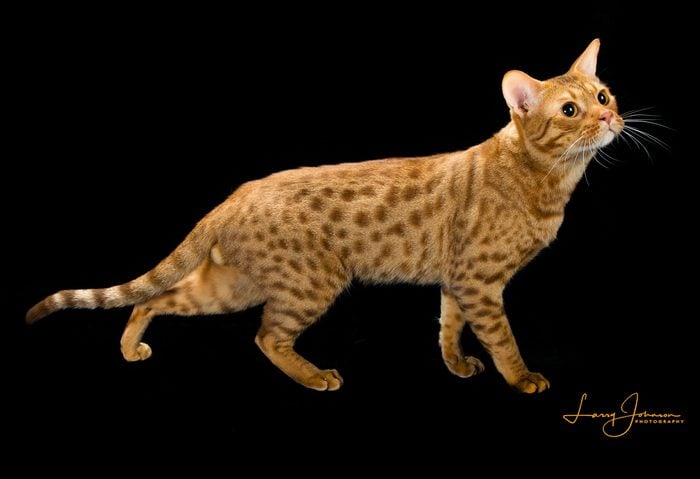
Credit: www.rd.com

Credit: www.youtube.com
Frequently Asked Questions
What Makes A Cat Breed Rare?
A rare cat breed has limited population and unique traits. These cats are often hard to find and less common worldwide. Their rarity can be due to genetics, breeding challenges, or low demand.
Which Are The Top 10 Rarest Cat Breeds?
The top 10 rarest cat breeds include the Sokoke, Serengeti, and Kurilian Bobtail. These breeds are known for distinct looks and unique behaviors. They are prized among cat enthusiasts and collectors.
Are Rare Cat Breeds Hypoallergenic?
Some rare cat breeds, like the Siberian, are hypoallergenic. However, not all rare cats reduce allergies. Always research breed traits if allergies are a concern before adoption.
How Expensive Are Rare Cat Breeds?
Rare cat breeds often cost more due to scarcity and special care. Prices can range from hundreds to thousands of dollars. Expenses include vet care, grooming, and proper nutrition.
Conclusion
Rare cat breeds bring unique beauty and charm to any home. Each breed has special traits that make it stand out. Many of these cats need extra care and attention. They offer a chance to enjoy something truly different. Knowing about these rare breeds helps in making a wise choice.
They remind us how diverse and wonderful cats can be. Consider your lifestyle before choosing a rare breed cat. These cats can become great companions for the right family. Explore their stories and appreciate their rarity. A rare cat breed might be the perfect pet for you.


Leave a Reply