Are you unsure about how much food your adult cat really needs each day? Feeding your feline the right amount is key to keeping them healthy and happy.
Too much or too little can lead to problems you definitely want to avoid. You’ll discover simple, clear answers to help you feed your cat just right—no guesswork, no stress. Keep reading to learn the secrets to perfect portion sizes and ensure your furry friend thrives every day.
Credit: bullcityveterinary.com
Daily Calorie Needs
Understanding your adult cat’s daily calorie needs is essential for maintaining their health and happiness. Feeding too much can lead to obesity, while too little can cause nutritional deficiencies. Knowing how many calories your cat requires helps you provide the right amount of food without guesswork.
Factors Influencing Calorie Requirements
Several key factors affect how many calories your cat needs each day. Age plays a big role—older cats generally need fewer calories than younger, more active ones.
Your cat’s activity level is another major influence. A playful, energetic cat burns more calories than a laid-back, indoor feline.
Health conditions and whether your cat is neutered or spayed also impact calorie needs. Neutered cats often have slower metabolisms and may require fewer calories.
Calculating Your Cat’s Calorie Intake
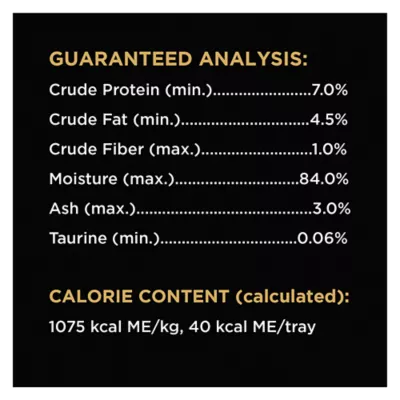
Start by checking the recommended daily calorie range for adult cats, usually between 20 to 30 calories per pound of body weight. For example, a 10-pound cat typically needs 200 to 300 calories daily.
You can use this simple formula to estimate your cat’s calorie needs:
- Resting Energy Requirement (RER) = 70 × (body weight in kg)0.75
- Multiply RER by an activity factor (usually between 1.2 to 1.4 for adult cats)
Tracking your cat’s weight weekly helps you adjust calories as needed. Have you noticed changes in your cat’s energy or weight after adjusting their food? That’s your clue to tweak their calorie intake.
Types Of Cat Food
Choosing the right type of food for your adult cat is crucial for their health and happiness. Different types of cat food offer varying benefits and challenges. Understanding these options helps you make better feeding decisions that suit your cat’s needs and lifestyle.
Wet Vs Dry Food
Wet food contains high moisture, which helps keep your cat hydrated, especially if they don’t drink much water. It often has stronger aromas and flavors, making it more appealing to picky eaters.
Dry food is convenient, easy to store, and usually less expensive. It can also help reduce plaque buildup on teeth due to its texture.
Think about your cat’s preferences and your daily routine. Would you prefer to leave food out all day (dry food) or feed fresh portions twice a day (wet food)? Mixing both types can also balance benefits and keep mealtime interesting.
Homemade Vs Commercial Diets
Homemade diets allow you to control every ingredient your cat eats, which can be great for cats with allergies or special needs. However, ensuring the diet is complete and balanced requires research or guidance from a vet.
Commercial diets, whether wet or dry, are formulated to meet all nutritional requirements. They offer convenience and variety, but quality varies widely between brands.
If you’ve tried making homemade meals, did you notice any changes in your cat’s energy or coat? Sharing your experience with your vet can help tailor the best diet for your furry friend.
Portion Sizes By Cat Weight
Adult cats need food amounts based on their weight to stay healthy. Smaller cats eat less, while bigger cats require more food daily. Portion control helps maintain a cat’s ideal weight and energy.
Understanding how much food an adult cat needs is important. Portion sizes depend on the cat’s weight. Feeding the right amount ensures your cat stays healthy and happy. Let’s explore portion sizes based on different cat weights.Small Cats
Small cats usually weigh between 5 to 10 pounds. They need less food than larger cats. A small cat might eat 150 to 200 calories a day. This usually means about 1/3 to 1/2 cup of dry food. Wet food is about 3 to 4 ounces daily. Always check with your vet for exact amounts.Medium Cats
Medium cats weigh between 10 to 15 pounds. They need more calories to stay active. They might require 200 to 300 calories daily. This equals about 1/2 to 3/4 cup of dry food. Wet food can be 4 to 6 ounces each day. Monitor your cat’s weight to adjust portions if needed.Large Cats
Large cats weigh over 15 pounds. They need the most food. These cats might need 300 to 400 calories daily. This is around 3/4 to 1 cup of dry food. Wet food can range from 6 to 8 ounces a day. Ensure your large cat stays fit by adjusting food based on activity level.
Credit: companion-vets.com
Feeding Frequency And Schedule
Feeding frequency and schedule play a key role in a cat’s health. Proper timing helps maintain energy and prevents overeating. Cats thrive on routine, so setting a feeding schedule benefits their digestion and behavior.
Meal Timing Options
Adult cats usually eat two to three meals daily. Many owners feed cats in the morning and evening. Some cats enjoy smaller, more frequent meals throughout the day.
Choose a timing that fits your lifestyle and your cat’s needs. Consistency is important to keep your cat comfortable.
Free Feeding Vs Scheduled Feeding
Free feeding means leaving food available all day. Cats can eat anytime they want. This method suits cats who self-regulate their intake well.
Scheduled feeding offers food at set times only. It helps control portion sizes and monitor eating habits. Scheduled feeding reduces the risk of obesity.
Consider your cat’s personality and health when choosing a method. Some cats do better with scheduled meals, others with free feeding.
Special Considerations
Feeding an adult cat isn’t just about measuring portions. Your cat’s lifestyle, age, and health play huge roles in deciding how much food they need. Overlooking these special considerations can lead to overfeeding or underfeeding, both of which affect your cat’s well-being.
Indoor Vs Outdoor Cats
Indoor cats tend to be less active than outdoor cats. This means they usually need fewer calories to maintain a healthy weight. Feeding an indoor cat the same amount as an outdoor cat can cause weight gain and related health problems.
Outdoor cats burn more energy exploring and hunting. They require more food to fuel their active lifestyle. If you’ve noticed your outdoor cat seems hungry more often, it’s a sign they need extra nourishment.
- Indoor cats: feed smaller, more controlled portions.
- Outdoor cats: provide higher calorie meals with added protein.
Senior Cat Nutrition
Older cats often eat less but need nutrient-dense food. Their metabolism slows down, but their bodies require more vitamins and minerals to stay strong. You might notice your senior cat prefers softer food or smaller meals spread throughout the day.
Adjusting feeding schedules and food types helps meet your cat’s changing needs. Some senior cats benefit from special diets designed to support joint health and digestion.
Health Conditions Impacting Diet
Your cat’s health conditions directly affect how much and what type of food they should eat. Cats with diabetes, kidney disease, or allergies need tailored diets to manage symptoms and maintain energy.
Ignoring dietary needs can worsen illness and reduce quality of life. Always consult your vet before changing your cat’s food if health issues are present.
- Diabetic cats might require low-carb meals.
- Cats with kidney problems often need reduced protein and phosphorus.
- Allergy-prone cats benefit from hypoallergenic or limited-ingredient diets.
How closely are you watching your cat’s eating habits? Small changes can signal big health shifts and help you adjust feeding amounts effectively.
Monitoring Your Cat’s Weight
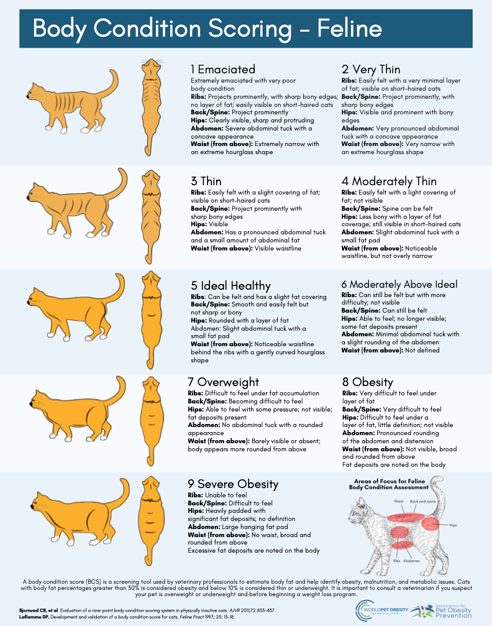
Monitoring your cat’s weight is key to keeping them healthy. Weight changes can signal if your cat’s diet is right. A steady weight means your cat eats the right amount. Sudden weight gain or loss needs attention. Regular weight checks help catch problems early. You can use a simple scale at home or visit the vet. Keep notes of your cat’s weight over time for best results.
Signs Of Overfeeding
- Noticeable weight gain over a short period
- Rounder belly or less visible waistline
- Reduced activity or slower movements
- Excessive begging for food
- Difficulty jumping or climbing
Signs Of Underfeeding
- Weight loss that happens quickly
- Visible ribs or spine
- Low energy or lethargy
- Increased hunger or searching for food
- Poor coat condition or dull fur
Adjusting Food Intake
Change your cat’s food slowly to avoid upset stomach. Increase or decrease daily portions based on weight changes. Use a measuring cup to keep portions exact. Feed smaller meals more often if needed. Consult your vet before making big changes. Always provide fresh water alongside meals. Regular monitoring helps find the right balance for your cat.
Tips For Healthy Eating Habits
Establishing healthy eating habits for your adult cat is key to maintaining their overall well-being. Proper feeding routines help avoid overeating or underfeeding, which can lead to health issues. Let’s look at practical tips to encourage good eating behavior and common pitfalls to avoid.
Encouraging Proper Eating
Feed your cat at consistent times each day to create a routine they can rely on. Cats thrive on predictability, so try to offer meals twice a day rather than free-feeding all day. This helps you monitor how much your cat actually eats and prevents unnecessary snacking.
Use portion control by measuring your cat’s food with a standard measuring cup. This ensures you’re not accidentally giving too much or too little. You might be surprised how small the recommended serving sizes are compared to what some cats expect.
Make mealtime pleasant by choosing a quiet, comfortable spot for feeding. Avoid distractions like loud noises or other pets that might stress your cat and cause them to eat too quickly or skip meals altogether.
Avoiding Common Feeding Mistakes
Don’t change your cat’s food abruptly. Sudden diet changes can upset their stomach and lead to refusal to eat. Instead, introduce new food slowly over a week by mixing increasing amounts with the old food.
Avoid feeding your cat human food or scraps from your plate. This can encourage begging and disrupt their balanced diet. Remember, some human foods are toxic to cats, so it’s safer to stick to their specially formulated meals.
Resist the urge to overfeed as a way to show affection. Overfeeding leads to obesity and related health problems like diabetes or joint issues. Instead, spend quality time playing or grooming to bond with your cat.
Credit: www.petsmart.com
Frequently Asked Questions
How Much Food Does An Adult Cat Need Daily?
An adult cat typically needs 20 to 30 calories per pound daily. This varies by activity, age, and health. Monitor your cat’s weight and adjust food portions accordingly to maintain a healthy body condition.
Can Feeding Too Much Harm My Adult Cat?
Yes, overfeeding can cause obesity and related health issues. Excess weight leads to diabetes, joint problems, and shorter lifespan. Always follow feeding guidelines and consult your vet for personalized advice.
What Factors Affect An Adult Cat’s Food Quantity?
Age, weight, activity level, metabolism, and health conditions influence food needs. Active cats require more calories, while sedentary or older cats need less. Adjust portions based on these factors for optimal health.
Should I Feed Wet Or Dry Food To Adult Cats?
Both wet and dry foods have benefits. Wet food offers hydration and fewer carbs; dry food helps dental health. A balanced diet combining both types can meet nutritional needs effectively.
Conclusion
Feeding an adult cat the right amount keeps them healthy and happy. Watch their weight and adjust food as needed. Quality food and regular meals help maintain energy and well-being. Every cat is different; observe their appetite and activity levels.
Talk to a vet for personalized advice. Balanced feeding supports a long, joyful life for your cat. Simple care makes a big difference. Keep it easy and consistent. Your cat will thank you with purrs and playfulness.


Leave a Reply