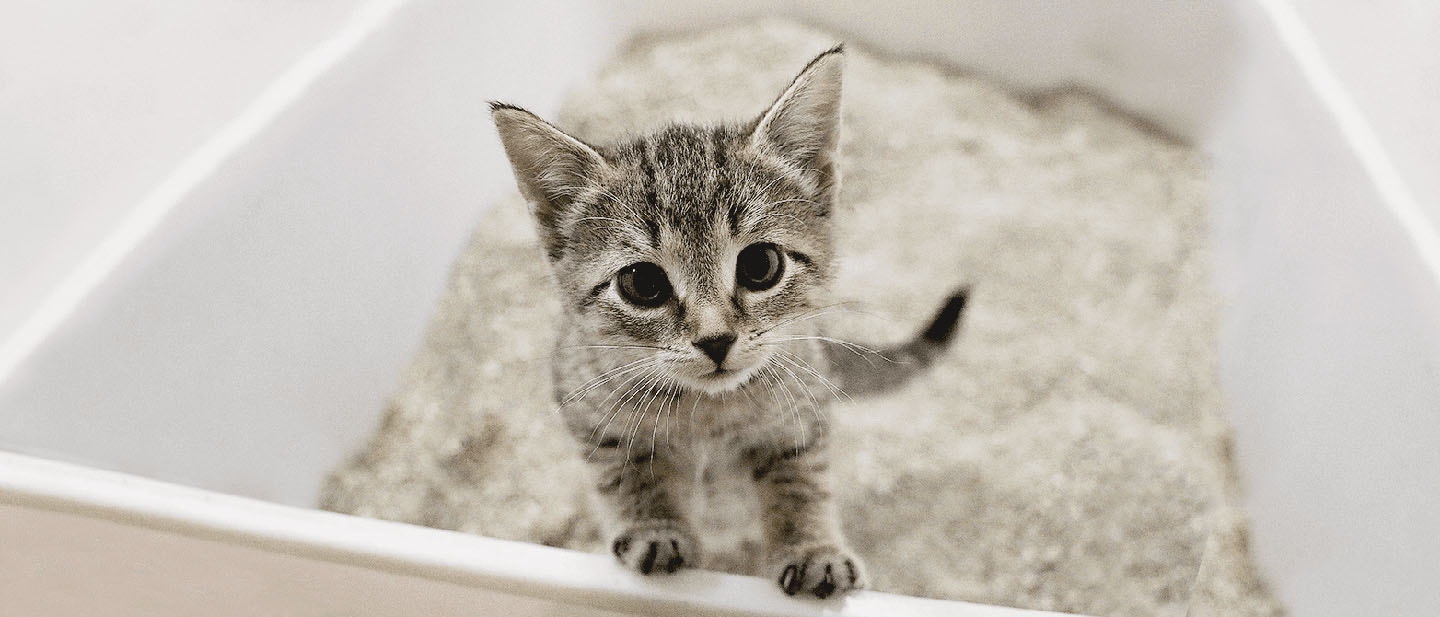
Are you tired of constantly cleaning your cat’s litter box? Imagine if your cat could use the toilet like you do—no more scooping, no more mess.
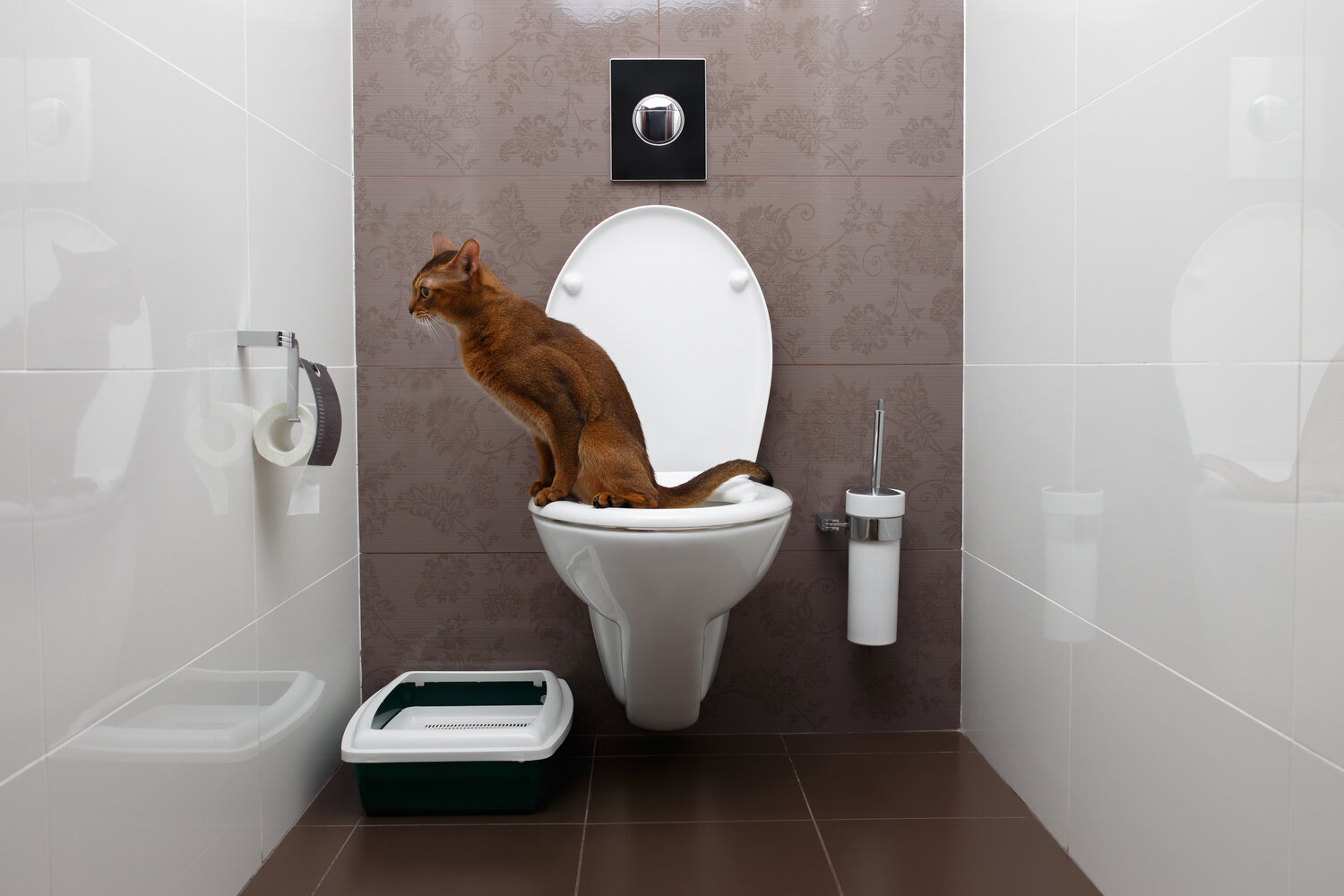
But does potty training your cat really work? You might be wondering if it’s even possible or just a myth. You’ll discover the truth about potty training cats, how it can change your daily routine, and whether it’s worth the effort.
Keep reading, because what you learn here could make life with your cat much easier.

Credit: www.purina.com
Why Potty Train Your Cat
Teaching your cat to use the toilet may seem unusual, but it has clear benefits. Potty training your cat can reduce mess and save space. It also helps keep your home cleaner and fresher. Many cat owners find this method practical and efficient.
Understanding why potty training matters can help you decide if it suits your lifestyle. Cats are intelligent animals and can learn new habits with patience. Potty training offers advantages that go beyond just convenience.
Benefits For You And Your Cat
- Eliminates the need for constant litter box cleaning.
- Reduces odors in your home significantly.
- Frees up floor space by removing the litter box.
- Helps prevent litter tracking around the house.
- Encourages your cat’s natural curiosity and learning.
- Can strengthen the bond between you and your cat.
Common Challenges With Litter Boxes
- Litter boxes can spill and cause messes.
- Some cats dislike dirty litter boxes and avoid them.
- Litter dust may cause allergies for some people.
- Cleaning litter boxes is time-consuming and frequent.
- Multiple cats need multiple litter boxes, adding clutter.
- Young or sick cats may struggle to use litter boxes.
Is Potty Training Possible
Potty training a cat might sound unusual, but many pet owners ask, “Is it really possible?” Cats have different instincts than dogs, and understanding whether they can adapt to using a human toilet requires looking at their natural behaviors and learning skills. Let’s break down what makes potty training feasible and where it might hit a wall.
Cat Behavior And Learning Ability
Cats are creatures of habit. They instinctively bury their waste, which is why litter boxes work so well. This natural behavior means they can learn to use a specific spot consistently.
However, cats learn best through repetition and positive reinforcement. They don’t respond well to punishment, so patience and gentle encouragement are key. You might wonder: can your cat connect the dots between their litter box and a toilet seat?
Many cats are curious and intelligent enough to adapt to new routines. But their motivation often depends on comfort and safety. If the toilet feels unstable or strange, your cat might resist using it.
Success Stories And Limitations
There are plenty of stories from cat owners who successfully potty trained their pets. Some report that their cats learned within a few weeks, avoiding litter boxes entirely. These success stories usually involve step-by-step training kits and lots of positive reinforcement.
Still, not all cats take to potty training. Some might prefer the texture of litter or feel insecure on a toilet seat. Older cats or those with anxiety may find this change stressful rather than helpful.
Consider your cat’s personality. Is your cat adventurous or cautious? Have you noticed how your cat reacts to new experiences? These observations can guide your expectations.
- Success often requires gradual training over several weeks.
- Some cats never fully transition and continue to use their litter box.
- Health issues like arthritis can make toilet use uncomfortable for some cats.
So, is potty training your cat possible? Yes, but it depends on your cat’s behavior, your patience, and realistic goals. Would you try this with your cat, knowing it could save you some litter but might not work for every feline friend?
Essential Supplies For Training
Training your cat to use the toilet is an interesting idea. Many cat owners wonder if it’s possible. With the right supplies, it can be done. Essential items make the training process smooth and effective. These tools help your cat transition from the litter box to the toilet.
Choosing The Right Potty Seat
The potty seat is crucial for cat toilet training. It should fit securely on your toilet. Look for a sturdy and stable design. Some seats have adjustable features. This helps them fit different toilet sizes. A non-slip surface is important for safety. Your cat needs to feel comfortable on the seat.
Tools To Encourage Transition
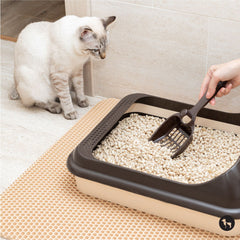
Several tools can help your cat adjust to using the toilet. Training kits are available that guide each step. These kits often come with inserts. The inserts gradually reduce the litter area. They teach your cat to balance on the toilet seat. Positive reinforcement is another key tool. Use treats and praise when your cat uses the potty seat. Patience is essential during this transition. Slowly introduce each new step to avoid stress for your cat.
Credit: headsupfortails.com
Step-by-step Training Process
Potty training a cat takes patience and clear steps. Cats need time to adjust to new habits. The process involves introducing new tools and shifting routines slowly. It is important to guide your cat gently through each stage. Consistency and encouragement help your cat learn the new behavior.
Introducing The Potty Seat
Start by placing the potty seat near the litter box. Let your cat explore it without pressure. Allow them to sniff and step on it freely. This helps reduce fear or confusion about the new object. Keep the potty seat clean and dry at first.
Gradual Transition From Litter Box
Move some litter from the box to the potty seat. This makes the new spot familiar to your cat. Slowly reduce litter in the box while adding it to the seat. Over days, place the potty seat inside the litter box. Eventually, remove the litter box completely.
Encouraging Consistent Use
Watch your cat’s behavior closely during training. Praise or gently reward your cat after using the potty seat. Avoid punishment if accidents happen. Keep the potty seat clean to encourage use. Consistency in routine helps your cat build good habits.
Common Mistakes To Avoid
Potty training a cat can be tricky. Mistakes slow progress and cause stress for both you and your cat. Avoiding common errors helps the training go smoothly. Understanding what not to do is as important as knowing the right steps.
Rushing The Process
Cats need time to learn new habits. Moving too fast can confuse them. Expecting quick results leads to frustration. Let your cat explore the potty area at its own pace. Small, steady steps build confidence. Patience is key to success.
Ignoring Your Cat’s Signals
Cats give clear signs when they need to go. Watch for scratching, sniffing, or restless behavior. Ignoring these signs makes accidents more likely. Responding promptly teaches your cat where to go. Respect your cat’s timing and cues to create trust.
Tips For Success
Potty training your cat takes patience and a clear plan. Success comes from understanding your cat’s behavior and creating a supportive environment. You can make this process smoother by focusing on positive interactions and keeping the training space clean and comfortable.
Positive Reinforcement Techniques
Reward your cat immediately after it uses the designated potty area. This can be in the form of treats, gentle petting, or verbal praise. Cats respond well to consistent positive feedback, which encourages them to repeat the behavior.
Keep training sessions short but frequent. Cats have short attention spans, so multiple brief rewards work better than one long session. Have you noticed how your cat reacts to treats? Use what motivates them most to build good habits faster.
Avoid punishment if accidents happen. Negative reactions can make your cat fearful and resistant to training. Instead, calmly redirect them to the right spot and reward when they comply.
Maintaining Hygiene And Comfort
Clean the litter box regularly to keep your cat comfortable and willing to use it. A dirty box can discourage use and cause accidents elsewhere in your home. Try to scoop waste daily and change the litter completely on a weekly basis.
Choose a litter type your cat prefers. Some cats dislike scented or clumping litters. Watch your cat’s behavior and adjust the litter type to what they find most comfortable.
Place the litter box in a quiet, accessible area. Cats value privacy when doing their business. Is your cat avoiding the box because of noise or hard-to-reach spots? Moving the box might solve the problem quickly.
When To Seek Professional Help
Potty training your cat can be a rewarding experience, but sometimes you may hit a wall that feels impossible to overcome on your own. Knowing when to seek professional help is crucial to avoid frustration and ensure your cat’s well-being. Recognizing the signs that point beyond simple training challenges can save you and your feline friend time and stress.
Behavioral Issues
If your cat continues to avoid the litter box despite your best efforts, it could be due to deeper behavioral problems. Cats might urinate outside the box as a form of stress relief or to mark territory. This behavior often signals anxiety, fear, or even aggression triggered by changes in the environment or conflicts with other pets.
At this stage, consulting a certified animal behaviorist can provide tailored strategies to address these issues. They can help identify triggers you might not notice and offer solutions beyond basic training tips. Have you noticed if your cat acts differently around new people, noises, or other pets?
Health Concerns Affecting Training
Sometimes, what looks like potty training failure is actually a sign of a health problem. Conditions such as urinary tract infections, bladder stones, or kidney issues can cause discomfort that leads your cat to avoid the litter box. If your cat suddenly changes its bathroom habits, a vet visit should be your first step.
A professional diagnosis can rule out or treat medical issues that interfere with training. Ignoring these signs might worsen your cat’s condition and make training even harder. Have you checked if your cat shows signs of pain or discomfort when using the litter box?
Credit: www.spacecatacademy.com
Frequently Asked Questions
Can Cats Be Potty Trained Effectively?
Yes, cats can be potty trained, but success varies. It requires patience, consistency, and proper training methods. Some cats adapt quickly, while others may struggle with the transition from litter boxes to the toilet.
How Long Does Cat Potty Training Usually Take?
Cat potty training typically takes a few weeks to several months. The timeline depends on the cat’s age, temperament, and the training approach used. Consistent practice and positive reinforcement speed up the process.
What Are Common Challenges In Potty Training Cats?
Common challenges include resistance to change, fear of the toilet, and accidents. Cats may prefer familiar litter boxes, so gradual transition and patience are essential for success.
Is Potty Training Safe For All Cats?
Potty training is generally safe but not suitable for all cats. Older cats or those with health issues might find it stressful. Always consult a vet before starting training with sensitive cats.
Conclusion
Potty training a cat can work, but it takes time and patience. Not all cats will adapt easily or quickly. Success depends on your cat’s personality and your consistency. Some cats prefer the litter box and resist change. Training requires daily effort and gentle guidance.
Watch your cat’s behavior and adjust your approach as needed. Remember, each cat is unique and learns differently. Keep realistic expectations and enjoy the process. Your bond with your cat can grow stronger through training. It’s possible, but not guaranteed for every cat.


Leave a Reply