Are you unsure how much food your adult indoor cat really needs? Feeding your furry friend just the right amount is key to keeping them healthy and happy.
Too much can lead to weight gain, while too little might leave them hungry and weak. You’ll discover simple tips to measure the perfect portion for your cat every day. Keep reading to learn how to make feeding time easy and stress-free—for both you and your cat!
Daily Calorie Needs
Understanding the daily calorie needs of your adult indoor cat is essential for maintaining their health and preventing weight issues. Cats have specific energy requirements based on their lifestyle, and feeding them the right amount can keep them active and happy. Let’s look closely at how to determine these calorie needs and what factors influence them.
Factors Affecting Calorie Requirements
Not all indoor cats need the same number of calories. Several factors play a role in how much energy your cat burns each day.
- Age:Younger cats tend to be more active and require more calories, while older cats may need fewer to avoid weight gain.
- Weight:A heavier cat usually needs more calories, but if they are overweight, cutting back is necessary.
- Health Status:Cats with certain health conditions or illnesses may have different calorie needs.
- Metabolism:Just like people, some cats naturally burn calories faster or slower.
Have you noticed your cat’s appetite or energy levels changing? This could be a sign their calorie needs are shifting.
Calories For Different Activity Levels
Indoor cats generally have lower activity levels compared to outdoor cats. This means their calorie requirements are usually less, but it varies based on how playful or lazy your cat is.
| Activity Level | Calories Needed Per Day | Typical Cat Behavior |
|---|---|---|
| Low Activity | 180-200 kcal | Mostly sleeping, little play |
| Moderate Activity | 200-250 kcal | Regular play sessions, exploring indoors |
| High Activity | 250-300 kcal | Very playful, frequently active |
If your cat spends most of the day lounging, feeding them too many calories can lead to weight gain. On the other hand, if they love chasing toys and climbing, they’ll need more fuel to keep going.
What’s your cat’s daily routine like? Adjusting their food to match their activity ensures they stay fit without feeling hungry.
Credit: www.walmart.ca
Portion Sizes By Weight
Understanding the right portion sizes for your adult indoor cat is crucial for their health and happiness. Cats’ dietary needs often depend on their weight, activity level, and metabolism. By focusing on portion sizes by weight, you can tailor your cat’s meals to support a healthy lifestyle and avoid common issues like obesity or malnutrition.
Feeding Guidelines For Average Weight Cats
A typical indoor cat weighing between 8 to 10 pounds usually needs about 200 to 250 calories daily. This translates roughly to:
- Dry food:1/4 to 1/3 cup per day
- Wet food:3 to 4 ounces per meal, twice daily
Keep in mind that calorie content varies by brand and recipe. Always check the packaging and adjust accordingly. Watching your cat’s weight weekly helps ensure you’re on the right track.
Adjusting Portions For Overweight Or Underweight Cats
If your cat is overweight, reducing daily calories by 10-20% can promote gradual weight loss. This might mean cutting back on treats and slightly reducing meal portions.
On the other hand, underweight cats may need 10-20% more calories. Increasing portion sizes or adding calorie-dense foods can help your cat gain weight safely.
Have you noticed your cat’s energy levels drop or their coat losing shine? These are signs you might need to tweak their food portions. Always consult your vet before making significant changes to your cat’s diet.
Types Of Cat Food
Adult indoor cats need balanced portions to stay healthy and active. Dry, wet, and raw foods offer different nutrients and textures. Feeding the right amount depends on your cat’s weight, age, and activity level.
Choosing the right type of food for your adult indoor cat is crucial for their health and happiness. The market offers a range of options, each with unique benefits and drawbacks. Understanding these can help you make informed decisions that cater to your feline friend’s specific needs.Dry Food Benefits And Drawbacks
Dry food is a convenient choice for many cat owners. It is easy to store and has a long shelf life. This makes it ideal for busy households where time is limited. However, dry food often contains higher carbohydrates, which can lead to obesity if not monitored. It also lacks the moisture content that cats need for hydration. Consider supplementing with water or wet food to ensure your cat stays hydrated.Wet Food Advantages
Wet food typically contains higher moisture content, which is beneficial for your cat’s hydration. This is especially important if your cat is not a big drinker. Wet food can also be more palatable, enticing even the pickiest eaters. On the downside, wet food can be more expensive and requires refrigeration once opened. It’s also important to monitor portion sizes to avoid overfeeding. Yet, the benefits often outweigh these minor inconveniences.Raw And Homemade Diets
Some pet owners choose raw or homemade diets for their cats. This option allows you to control the ingredients and quality of food your cat consumes. It can be tailored to suit specific dietary needs or allergies. However, preparing raw or homemade diets requires a significant time investment and knowledge about feline nutrition. There’s also a risk of bacterial contamination if not handled properly. Would you be willing to invest the time and effort to ensure your cat’s diet is balanced and safe? Each type of food offers unique advantages. Consider your lifestyle, your cat’s preferences, and nutritional needs before making a choice. What matters most is that your cat enjoys their meals and stays healthy.
Credit: www.willowbark.co.nz
Feeding Frequency
Feeding frequency shapes your indoor cat’s health and happiness. It affects energy levels, digestion, and weight. Finding the right balance helps avoid overeating or hunger.
Consistency is key. Cats thrive on routine and feel secure with predictable meal times. Daily schedules support healthy digestion and prevent begging or anxiety.
Meal Timing Options
Meal timing depends on your cat’s age, activity, and preferences. Most adult indoor cats do well with two meals a day. This fits their natural hunting rhythm.
You can divide daily food into:
- Two main meals: morning and evening
- Small portions spread evenly throughout the day
- One large meal plus a small snack
Try different timings to see what your cat prefers and responds to best.
Free Feeding Vs Scheduled Meals
Free feeding means leaving food out all day. Cats eat when they want. This suits cats who graze or have slow metabolisms.
Scheduled meals involve set times for feeding. You measure food portions and remove leftovers after 20-30 minutes. This prevents overeating and obesity.
Benefits of free feeding:
- Convenient for busy owners
- Cats eat small amounts all day
Benefits of scheduled meals:
- Better weight control
- Clear feeding routine
- Helps identify appetite changes
Choose the method that fits your lifestyle and your cat’s needs best.
Monitoring Your Cat’s Weight
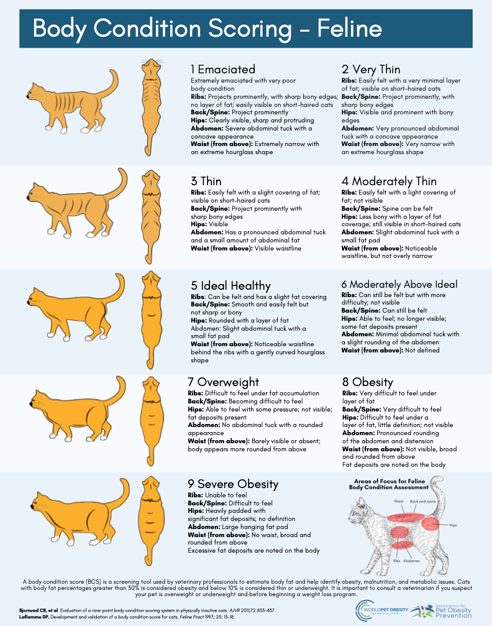
Monitoring your cat’s weight is vital for their health. Indoor cats can gain or lose weight without obvious signs. Regular checks help catch problems early. Maintaining a healthy weight supports their energy and lifespan. It also prevents diseases linked to improper feeding.
Signs Of Overfeeding
- Noticeable belly bulge or fat deposits
- Difficulty jumping or moving easily
- Increased sleeping and less playtime
- Breathing faster after mild activity
- Weight gain over a few weeks
Signs Of Underfeeding
- Visible ribs or spine with little fat
- Loss of muscle tone and strength
- Low energy and reduced interest in play
- Excessive meowing or begging for food
- Weight loss over several weeks
When To Consult A Veterinarian
Seek vet advice if your cat’s weight changes quickly. Sudden gain or loss can signal health issues. Also consult if your cat shows unusual behavior or eating habits. The vet can recommend diet changes or tests. Early action helps prevent serious health problems.
Hydration Tips For Indoor Cats
Keeping an indoor cat hydrated is essential for its health. Cats often do not drink enough water on their own. Indoor cats especially need help to stay hydrated. Proper hydration supports kidney function and overall well-being. Here are some simple tips to encourage your cat to drink more water.
Encouraging Water Intake
Place multiple water bowls around the house. Cats like to drink from fresh, clean water sources. Change the water daily to keep it appealing. Some cats prefer running water. A cat water fountain can attract their interest. Try adding a little flavor by mixing in low-sodium chicken broth. Avoid bowls near the food or litter box. Use shallow, wide bowls to make drinking easier. Observe your cat’s preferences to find what works best.
Water Content In Different Foods
Wet cat food contains more water than dry kibble. Feeding wet food helps increase your cat’s water intake. Include canned or pouch food in your cat’s diet. You can also add water or broth to dry food. This softens the food and adds moisture. Fresh fruits and vegetables like cucumber can be occasional treats. Avoid foods that are toxic to cats such as onions and garlic. Keeping variety in your cat’s diet supports hydration and nutrition.
Credit: www.renspets.com
Frequently Asked Questions
How Much Food Should An Adult Indoor Cat Eat Daily?
An adult indoor cat typically needs 200-250 calories daily. This equals about 1/3 to 1/2 cup of dry food or 5-6 ounces of wet food. Adjust portions based on your cat’s weight, activity, and health.
Can Indoor Cats Eat The Same Amount As Outdoor Cats?
No, indoor cats usually need fewer calories than outdoor cats. They are less active and burn less energy. Feeding them less helps prevent obesity and related health issues.
How To Determine The Right Portion Size For My Cat?
Check your cat’s weight and activity level. Follow feeding guidelines on the food package. Consult your vet to tailor portions for your cat’s specific needs.
Is Free Feeding Suitable For Adult Indoor Cats?
Free feeding can lead to overeating and obesity in indoor cats. Scheduled feeding times help control portion size and maintain a healthy weight.
Conclusion
Feeding an adult indoor cat the right amount keeps them healthy and happy. Watch their weight and adjust food as needed. Quality food with balanced nutrients is key. Avoid overfeeding to prevent obesity and health issues. Fresh water should always be available.
Each cat is unique, so observe their behavior and appetite closely. Regular vet visits help track their health. Feeding well supports a long, active life for your cat. Simple steps make a big difference. Care and attention matter most.


Leave a Reply