Are you curious about hairless cats and want to know which breeds belong to this unique group? Hairless cats are unlike any other pets you’ve seen—they have a striking look and a personality to match.
If you’ve ever wondered what makes these cats so special or which breeds you should consider, you’re in the right place. Keep reading to discover the fascinating world of hairless cat breeds and find out which one might be the perfect fit for your home.
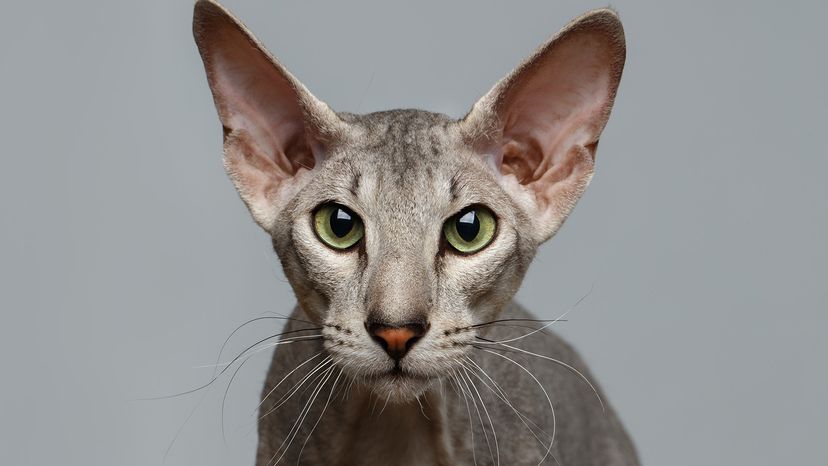
Credit: animals.howstuffworks.com
Hairless Cat Origins
Hairless cats capture attention instantly with their unique look and charming personalities. Understanding where these fascinating felines come from helps you appreciate their special traits even more. Their origins reveal a mix of nature’s surprises and human choices, shaping the breeds we know today.
Natural Hairlessness
Some hairless cats are born without fur due to natural genetic mutations. This means their lack of coat isn’t a result of breeding but a rare occurrence in the wild. The Sphynxcat is the most famous example, first discovered in Canada during the 1960s when a hairless kitten was born to a regular furred cat.
Natural hairlessness raises questions about survival and adaptation. How do these cats stay warm or protect their skin? Their bodies produce more oils, and their personalities often include a love for warmth, making cozy blankets and sunny spots essential.
Selective Breeding
Once breeders noticed these natural hairless cats, they began selectively breeding them to create stable, hairless breeds. This process involves choosing cats with the hairless gene to mate, gradually establishing consistent traits over generations.
The Peterbaldand Don Sphynxare examples of breeds developed through careful selection. Breeders focus not just on hairlessness but also on temperament and health, ensuring these cats are loving companions for your home.
Selective breeding prompts you to think about the responsibilities involved in pet ownership. How much do you value genetic diversity and health over appearance? Choosing a hairless cat means supporting ethical breeding practices that prioritize well-being.
Sphynx Cat
The Sphynx cat stands out in the feline world due to its striking lack of fur. This breed’s unique appearance often sparks curiosity and admiration. But beyond looks, the Sphynx offers a fascinating blend of traits that make it a captivating companion.
Physical Traits
The most obvious feature of the Sphynx is its hairless body, though it may have a fine fuzz that feels like suede to the touch. Its skin is soft and warm, often showing wrinkles around the head, neck, and shoulders. Large ears and prominent cheekbones give the Sphynx a distinctive and expressive face.
Despite their delicate appearance, these cats have muscular bodies and strong bones. Their eyes are lemon-shaped and can come in a variety of colors, enhancing their striking look. Have you ever noticed how their lack of fur makes their skin tones and patterns more visible?
Personality And Temperament
Sphynx cats are known for their outgoing and affectionate nature. They crave attention and often follow their owners around, seeking warmth and companionship. If you enjoy a pet that acts more like a loyal dog, the Sphynx is a great choice.
They tend to be playful and curious, always exploring their environment with enthusiasm. This breed rarely shies away from strangers, showing a friendly and social demeanor. How do you think a cat that loves human interaction as much as a Sphynx would fit into your lifestyle?
Care Tips
Because they lack fur, Sphynx cats need regular skin care to remove oil build-up. Plan to give them weekly baths using gentle, cat-safe shampoo. Their skin can be sensitive, so keep an eye out for dryness or irritation.
These cats also require protection from extreme temperatures. In cold weather, they may need a cozy sweater or a warm spot by the heater. Sunscreen is necessary if they spend time in direct sunlight, as their skin can burn easily.
Regular ear cleaning is important too, as the absence of fur means more wax can accumulate. Make sure to check their nails and teeth frequently to maintain overall health. Do you feel ready to add these special care steps to your routine for a Sphynx?
Peterbald Cat
Peterbald cats stand out with their sleek, hairless bodies and elegant features. They belong to a rare group of hairless cat breeds like the Sphynx and Donskoy. These cats are known for their affectionate nature and unique appearance.
The Peterbald cat is a fascinating addition to the world of hairless cats. Originating from Russia, this elegant breed is known for its unique appearance and loving nature. With their striking looks and affectionate personalities, Peterbalds have captured the hearts of cat lovers everywhere.Distinct Features
The Peterbald cat boasts an extraordinary appearance that sets it apart. Their slender, athletic bodies and large, bat-like ears give them a distinctive silhouette. Unlike other hairless breeds, Peterbalds can have varying degrees of hairlessness, from completely bald to a fine, fuzzy coat.Behavioral Traits
Peterbalds are known for their sociable and affectionate nature. They thrive on human interaction and often follow their owners around like a shadow. Their playful demeanor makes them great companions for families and individuals alike.Grooming Needs
Despite their lack of fur, Peterbalds require regular grooming to maintain healthy skin. Their skin can become oily, so it’s important to wipe them down with a damp cloth or give them occasional baths. Regular ear cleaning is also essential to prevent wax buildup. Do you have a hairless cat at home? How do you manage their grooming routine? Share your experiences in the comments below!
Credit: www.yahoo.com
Donskoy Cat
The Donskoy cat stands out among hairless breeds due to its striking appearance and fascinating origin story. Unlike other hairless cats that owe their lack of fur to a recessive gene, the Donskoy’s hairlessness comes from a dominant genetic mutation. This unique trait makes the breed especially intriguing to cat lovers who want a pet that breaks the mold.
Unique Characteristics
The Donskoy cat has a smooth, wrinkled skin that feels warm to the touch, almost like suede. Its lack of fur highlights the expressive wrinkles on its body and face, giving it a distinct look. You’ll notice large, almond-shaped eyes and prominent cheekbones, which add to its striking appearance.
One interesting fact is that Donskoy cats can sometimes have a fine, peach-fuzz type of hair or develop a coat later in life. This variability makes each Donskoy truly one of a kind. Does the idea of a cat that changes its look over time appeal to you?
Temperament
Donskoy cats are known for their affectionate and social nature. They love being around people and often follow their owners from room to room. If you want a cat that bonds deeply with you, this breed could be a perfect fit.
These cats are playful and curious but also enjoy quiet moments on your lap. Their intelligence makes training easier, so you can teach them tricks or commands without much hassle. How would you feel about a cat that is both a companion and a clever entertainer?
Health Considerations
Because the Donskoy cat lacks fur, it requires special care to protect its skin. You’ll need to clean it regularly to avoid oil buildup and use gentle moisturizers to prevent dryness. Sun protection is also important since their skin is sensitive to UV rays.
Some Donskoy cats may experience dental issues or skin infections, so regular vet check-ups are essential. This breed generally has a robust constitution, but being proactive about health can save you stress later. Are you ready to commit to the extra care this unique cat deserves?
Elf Cat
The Elf Cat is a unique breed known for its striking appearance and friendly nature. This hairless cat combines the playful spirit of the Sphynx with the curled ears of the American Curl. It stands out with its unusual look and affectionate behavior. Many cat lovers find the Elf Cat charming and easy to bond with.
Appearance
The Elf Cat has smooth, hairless skin that feels warm and soft. Its most notable feature is the curled ears, which give it an elf-like look. The body is muscular and medium-sized. Large, almond-shaped eyes add to its expressive face. Wrinkled skin appears around the neck and face, adding character. Colors vary, but the skin is usually a pale shade.
Personality
This breed is known for being friendly and social. Elf Cats enjoy attention and love to play with their owners. They are curious and intelligent, often exploring their surroundings. The cats form strong bonds with family members and get along well with other pets. They are gentle and adapt well to indoor living.
Maintenance
Elf Cats need regular skin care due to their hairless nature. Bathing once a week helps remove oil buildup. Their ears require cleaning to prevent wax buildup. Skin should be protected from sun exposure to avoid burns. Nail trimming is necessary to keep them comfortable. A warm environment is ideal, as they are sensitive to cold.
Baldwin Cat
The Baldwin Cat is a rare breed known for its unique hairless appearance. It is a charming pet with a friendly nature. This breed stands out because of its smooth, warm skin and playful personality. People who love cats but prefer low-shedding pets often choose the Baldwin Cat. Understanding this breed helps in giving proper care and attention.
Breed History
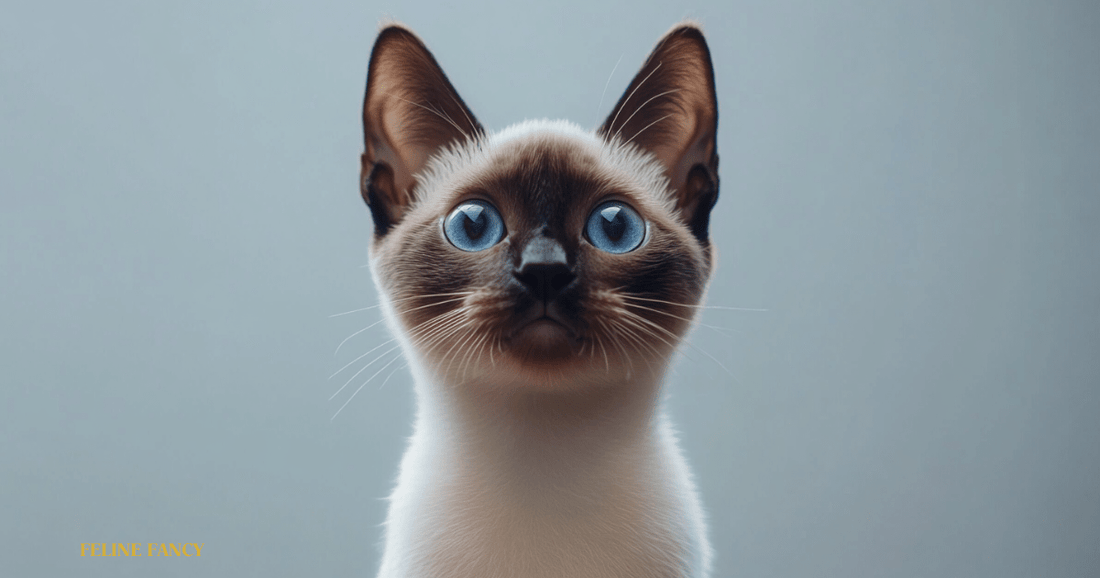
The Baldwin Cat breed started in the 1970s in the United States. A natural mutation caused the hairless trait. Breeders worked to develop a healthy, loving breed. It is closely related to the Siamese cat. The Baldwin is less known than other hairless cats like the Sphynx. Its history shows a mix of careful breeding and natural genetics.
Physical Attributes
- Hairless or very fine fuzz covering the body
- Wrinkled skin, especially around the head and neck
- Large ears that stand upright
- Slender, muscular body structure
- Bright, almond-shaped eyes
- Warm and soft skin to touch
The Baldwin Cat has a sleek and elegant look. Its skin feels like suede and is sensitive to cold. The lack of fur reveals the cat’s natural muscle tone.
Care Requirements
- Regular skin cleaning to remove oils and dirt
- Protection from extreme cold or sun exposure
- Balanced diet to support skin health
- Gentle grooming using soft cloths
- Regular vet checkups to monitor skin conditions
Hairless cats like the Baldwin need more skin care than furry cats. Their skin can get dry or oily quickly. Bathing once a week helps keep the skin clean. Using a warm, draft-free space is important for comfort. These cats enjoy human contact and need regular social interaction.
Health And Care For Hairless Cats
Hairless cats are fascinating pets, but their unique appearance comes with specific health and care needs. Unlike their furry counterparts, these cats require extra attention to keep their skin healthy and their bodies comfortable. Understanding these needs helps you provide the best care for your hairless friend.
Skin Care
Your hairless cat’s skin acts like their fur, protecting them from dirt and oils. Without fur, oils build up quickly and can cause skin problems. You will need to gently wipe your cat’s skin with a damp cloth or give regular baths using a mild, cat-safe shampoo.
Watch out for dryness or redness, which may signal irritation. Moisturizing with a vet-approved lotion can help, but avoid anything with strong fragrances or chemicals. Have you noticed your cat scratching more than usual? This could mean their skin needs extra care or a vet check.
Temperature Sensitivity
Without fur, hairless cats feel temperature changes more intensely. They get cold easily, so you should provide warm blankets or heated beds, especially in cooler months. On hot days, they can burn quickly, so keep them out of direct sunlight and provide plenty of shade.
Have you tried cozy sweaters for your cat? Many hairless cats tolerate them well and appreciate the extra warmth. Just be sure the clothing fits comfortably and doesn’t restrict movement.
Diet And Nutrition
Hairless cats often have a faster metabolism to help maintain body heat. This means they may need more calories or richer food than other cats. Feeding a high-quality diet with balanced nutrients supports their energy needs and skin health.
Including omega-3 and omega-6 fatty acids in their diet can improve skin condition and reduce irritation. Have you ever noticed a difference after switching your cat’s food? Nutritional tweaks can make a significant impact on their overall well-being.
:strip_icc()/spruce-pets-minskin-cat-a39902959c2a468c9d4a0dd40a043fcb.png)
Credit: www.thesprucepets.com
Choosing The Right Hairless Cat
Choosing the right hairless cat involves more than just picking a breed that looks cool. You need to think about your daily life, allergies, and where you get your cat from. Making an informed choice can save you from surprises and help you build a strong bond with your new furry friend.
Lifestyle Compatibility
Hairless cats, like the Sphynx or Peterbald, need plenty of attention and warmth. If you work long hours or travel often, you might want to reconsider. These cats crave human interaction and can get lonely quickly.
Also, think about your home environment. Hairless cats don’t have fur to protect them from cold or sunburn. You’ll need to provide cozy blankets or sweaters and avoid direct sunlight. Does your lifestyle allow you to meet these needs consistently?
Allergy Considerations
Many people think hairless cats are hypoallergenic, but that’s not always true. Allergies usually come from proteins in a cat’s skin oils and saliva, which hairless cats still produce. If you or your family members have allergies, spend time around hairless cats before adopting.
Allergy testing or renting a hairless cat for a short period can help you understand how your body reacts. This step can prevent heartbreak and health issues later on. Are you prepared to handle potential allergy challenges?
Finding Reputable Breeders
Finding a trustworthy breeder is crucial when adopting a hairless cat. Good breeders prioritize health, temperament, and ethical breeding practices. Ask for health records, meet the kitten’s parents, and observe the living conditions.
Be cautious of breeders who sell kittens too quickly or offer very low prices. They might neglect important health checks or proper socialization. Have you researched local breeders or rescue groups specializing in hairless cats?
Frequently Asked Questions
What Are The Most Popular Hairless Cat Breeds?
The most popular hairless cat breeds include the Sphynx, Peterbald, and Donskoy. These breeds are known for their unique lack of fur and affectionate personalities, making them highly sought after by cat lovers worldwide.
Are Hairless Cats Hypoallergenic?
Hairless cats are often considered hypoallergenic because they shed less dander. However, they still produce some allergens, so allergic reactions can still occur in sensitive individuals.
How Do Hairless Cats Stay Warm Without Fur?
Hairless cats rely on their body heat and often seek warm places or wear clothing. Owners may provide blankets or heated beds to keep them comfortable in cooler environments.
Do Hairless Cats Require Special Skin Care?
Yes, hairless cats need regular skin care, including baths to remove oil buildup. Their skin can be sensitive, so moisturizing and sun protection are important.
Conclusion
Hairless cats come in several unique breeds, each with special traits. They are friendly, playful, and need gentle care. Knowing their breed helps you understand their needs well. These cats bring charm without the usual fur mess. They suit people who want a low-shedding pet.
Choosing the right hairless cat means finding a friend for life. Their unusual look often sparks curiosity and smiles. Caring for them is simple once you learn their habits. Hairless cats are truly one-of-a-kind companions.

Leave a Reply