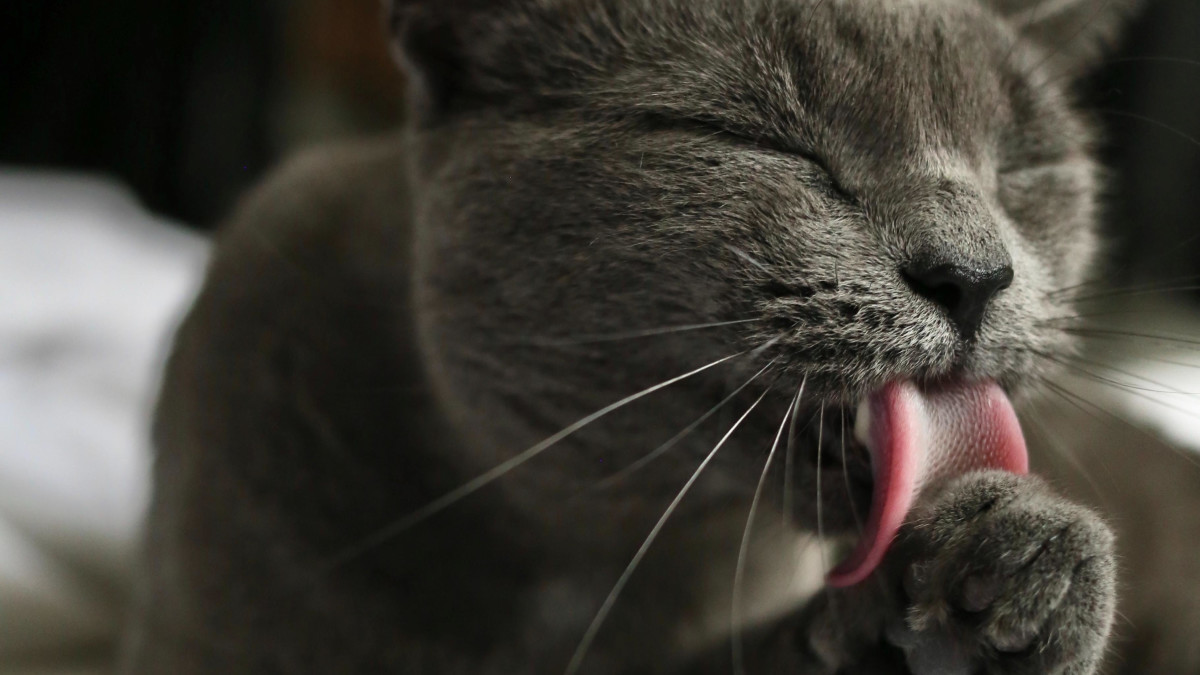
Have you ever noticed your cat licking itself nonstop? Excessive grooming can be more than just a quirky habit—it might be a sign that something is wrong.
If you’ve been wondering why your furry friend spends so much time cleaning, you’re not alone. Understanding what causes a cat to groom excessively can help you spot problems early and keep your pet happy and healthy. Keep reading to discover the surprising reasons behind this behavior and what you can do to help your cat feel better.
Common Triggers
Excessive grooming in cats often signals that something is bothering them beneath the surface. Understanding the common triggers can help you identify the root cause and provide relief for your feline friend. Let’s look closely at some frequent reasons behind this behavior.
Allergies And Irritants
Allergies can make your cat’s skin itchy and uncomfortable. These might come from food, pollen, dust, or even cleaning products used around your home. Have you noticed your cat licking or biting certain areas repeatedly after you’ve cleaned or changed their diet?
Sometimes, switching to hypoallergenic cat food or removing potential irritants from your home environment can ease their discomfort. Pay attention to whether the grooming increases during specific seasons or after exposure to new substances.
Parasite Infestations
Fleas, mites, and ticks are common culprits behind excessive grooming. Even a single flea can cause intense itching, leading your cat to groom obsessively in an attempt to find relief. Have you checked your cat’s fur recently for tiny moving specks or black flea dirt?
Parasite infestations not only cause discomfort but can also lead to skin damage if left untreated. Using appropriate flea treatments and keeping your cat’s environment clean can prevent these unwelcome guests.
Skin Infections
Skin infections, whether bacterial or fungal, can trigger over-grooming as your cat tries to soothe irritated areas. These infections often develop from wounds, allergies, or parasite bites, creating a cycle of itching and grooming.
If your cat’s skin appears red, swollen, or has bald patches, it’s time to consult your vet. Early diagnosis and treatment can stop the infection from worsening and relieve your cat’s discomfort quickly.
Behavioral Factors
Behavioral factors play a big role in why cats groom themselves too much. Cats use grooming to feel calm and safe. Sometimes, their environment or feelings can cause them to groom more than normal. Understanding these behaviors helps to spot the cause of excessive grooming.
Stress And Anxiety
Stress and anxiety can make a cat groom excessively. Loud noises, changes in routine, or new pets can upset cats. Grooming becomes a way for cats to comfort themselves. Too much grooming may mean the cat feels nervous or scared.
Boredom And Lack Of Stimulation
Cats need mental and physical activity to stay happy. Without enough play or interaction, they can get bored. Bored cats may groom too much to pass the time. Providing toys and playtime can reduce this behavior.
Compulsive Grooming
Compulsive grooming is a behavior where cats groom nonstop. It looks like a habit they cannot control. This may be linked to stress or brain chemistry. Compulsive grooming can cause bald spots or skin sores. It often needs help from a vet or behavior expert.
Health Issues
Excessive grooming in cats can signal underlying health problems. Cats often lick or chew their fur more than usual due to physical or mental discomfort. Understanding the health issues behind this behavior helps pet owners take quick action. Three key health-related causes are pain and discomfort, hormonal imbalances, and neurological disorders.
Pain And Discomfort
Cats may groom excessively to soothe pain or irritation. Injuries, arthritis, or skin conditions can cause discomfort. Licking the affected area provides temporary relief. This behavior can lead to bald patches or sores. Watch for signs like limping or sensitivity to touch.
Hormonal Imbalances
Hormonal changes affect a cat’s grooming habits. Conditions like hyperthyroidism or adrenal gland disorders can increase grooming. These imbalances disrupt normal body functions. The cat may lick fur obsessively, causing damage. A vet can diagnose and treat hormonal issues.
Neurological Disorders
Brain or nerve problems may trigger excessive grooming. Conditions such as epilepsy or neuropathy affect behavior. The cat might lick to manage anxiety or discomfort. This compulsive grooming can worsen without treatment. Early diagnosis improves the chances of recovery.

Credit: www.purina.com
Environmental Influences
Excessive grooming in cats can be a baffling issue for many pet owners. While it’s natural for cats to groom themselves, sometimes environmental factors can lead to over-grooming, causing concern. Understanding these environmental influences is crucial for maintaining your cat’s well-being.
Changes In Surroundings
Cats are creatures of habit, and even minor changes in their environment can cause stress. Have you recently moved furniture around or introduced new decor? Such changes might seem trivial to us, but to a cat, it can feel like their world is shifting.
Consider the impact of noise. A new neighbor or nearby construction can create unfamiliar sounds that unsettle your cat. Has your household routine changed, like different work hours or a new family member? These can also contribute to your cat’s anxiety, prompting them to groom excessively as a self-soothing technique.
Interactions With Other Pets
If you have multiple pets, think about how they interact with each other. Is there tension or competition for resources like food, water, or favorite spots? Cats often groom excessively as a way to manage stress from these interactions.
Sometimes, a new pet in the home can change the dynamics completely. If you’ve recently adopted another pet, monitor how your cat reacts. Do they hide more or avoid the new addition? This could be a sign they’re feeling overwhelmed, leading to over-grooming.
Have you noticed your cat grooming excessively after a specific interaction? Pay close attention to these moments as they can provide clues to underlying issues. How can you ease this tension and create a more harmonious environment for all your pets?
By understanding these environmental influences, you can take proactive steps to help your cat feel more comfortable and reduce excessive grooming. What changes can you make today to ensure a stress-free environment for your furry friend?
When To See A Vet
Excessive grooming in cats can be more than just a quirky habit. It often signals an underlying issue that needs professional attention. Knowing when to see a vet can make a real difference in your cat’s health and happiness.
Signs Of Excessive Grooming
Watch for bald patches, red or irritated skin, and scabs. These are clear signs your cat might be grooming too much. Also, notice if your cat spends long periods licking the same spot or seems restless.
Does your cat’s grooming interfere with their normal activities like eating or playing? This could mean the behavior is harmful rather than just a grooming routine. Early detection of these signs can prevent bigger health problems.
Diagnostic Procedures
Your vet will start with a thorough physical exam to identify any skin problems or injuries. They may ask detailed questions about your cat’s environment and habits to spot stress triggers.
Sometimes, your vet will run tests such as skin scrapings, allergy tests, or blood work. These help uncover infections, parasites, or allergies that cause discomfort. Don’t hesitate to share any changes you’ve noticed at home; this info guides diagnosis.
Treatment Options
Treatment depends on the cause. If parasites or infections are found, your vet will prescribe medication to clear them. For allergies, dietary changes or allergy shots might be necessary.
Behavioral issues may require environmental enrichment or anti-anxiety treatments. Your vet can also recommend soothing shampoos or topical treatments to help irritated skin heal faster. How proactive are you in observing and addressing your cat’s grooming habits?

Credit: pennypaws.com
Preventive Measures
Excessive grooming in cats can be distressing for both pets and owners. Taking preventive measures is essential to keep your feline friend comfortable and healthy. You can reduce the risk of over-grooming by addressing the root causes before they escalate.
Regular Parasite Control
Parasites like fleas and mites often trigger intense itching, leading your cat to groom excessively. Keeping up with regular parasite control is key to preventing this discomfort.
Use vet-recommended flea treatments and check your cat’s fur regularly. Even if your cat stays indoors, parasites can hitch a ride on your clothes or other pets.
Providing Mental Stimulation
Boredom and stress can cause cats to groom more than usual. Your cat needs engaging activities to keep its mind busy.
Try puzzle feeders, interactive toys, or short play sessions throughout the day. Have you noticed how your cat’s grooming habits change when they’re active and entertained?
Creating A Calm Environment
Stressful surroundings can push cats to groom excessively as a coping mechanism. Creating a calm and safe space helps reduce anxiety.
Provide quiet resting spots and avoid sudden loud noises or changes in routine. Simple changes, like a cozy bed near a window, can make a big difference in your cat’s behavior.
Credit: www.preventivevet.com
Frequently Asked Questions
Why Does My Cat Groom Excessively?
Excessive grooming in cats can signal stress, allergies, or skin infections. It may also indicate pain or parasites. Identifying the cause helps address the behavior effectively and ensures your cat’s comfort and health.
Can Allergies Cause A Cat To Over-groom?
Yes, allergies from food, pollen, or fleas often cause cats to groom excessively. Allergies irritate their skin, leading to itching and over-grooming. Treating allergies usually reduces this behavior quickly.
How Does Stress Lead To Excessive Grooming?
Stress triggers cats to groom excessively as a coping mechanism. Changes in environment or routine can increase anxiety. Reducing stress and providing comfort can help stop over-grooming.
Could Parasites Make Cats Groom Too Much?
Parasites like fleas and mites cause intense itching, leading cats to groom excessively. Regular parasite prevention and treatment are essential to stop this behavior and protect your cat’s skin.
Conclusion
Excessive grooming in cats can signal stress or health problems. Watching your cat’s behavior helps catch issues early. A vet visit can find allergies, pain, or infections. Simple changes at home may reduce your cat’s anxiety. Keeping your pet happy and healthy takes attention and care.
Understanding why cats groom too much protects their well-being. Small steps make a big difference in your cat’s life. Stay patient and observant for a calm, content cat.

Leave a Reply