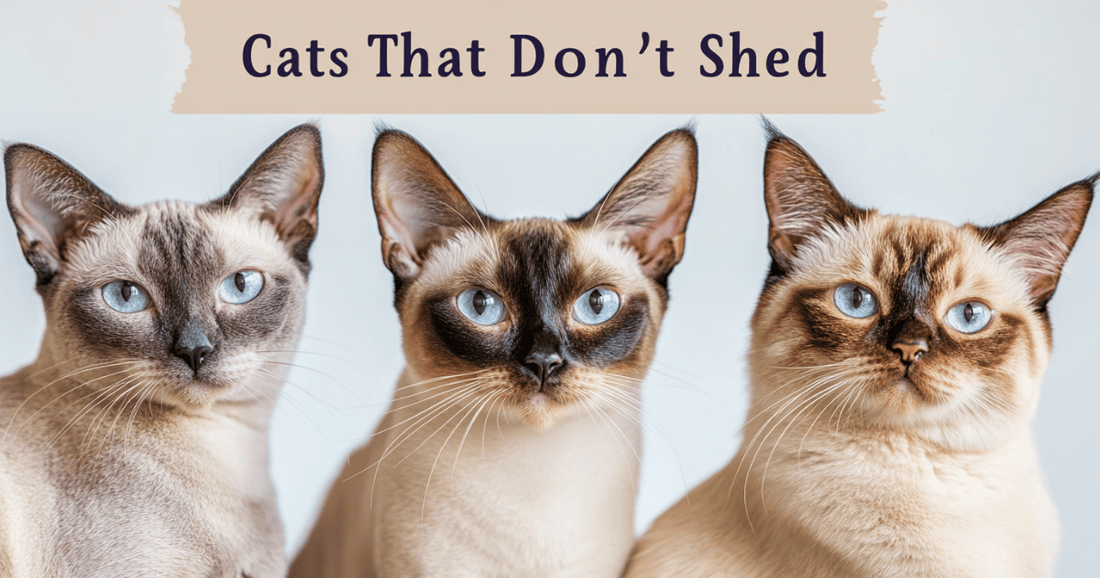
Have you ever wondered if every cat sheds fur around your home? If you’re tired of finding pet hair on your clothes, furniture, and floors, you’re not alone.
Understanding whether all cat breeds shed can help you manage your space better and keep your home cleaner. You’ll discover which cats shed the most, which shed the least, and how you can reduce shedding no matter what breed you have.
Keep reading to learn the surprising facts that could change the way you care for your feline friend.
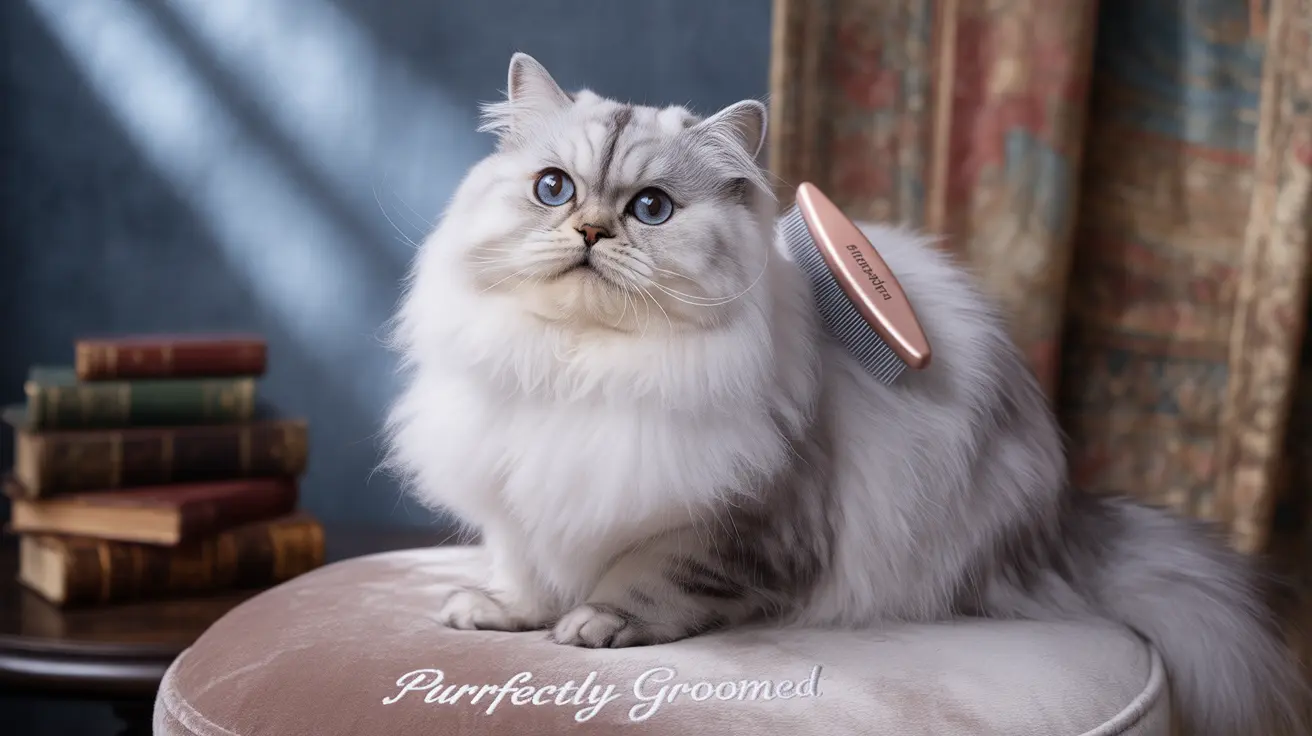
Credit: www.petscare.com
Cat Shedding Basics
Understanding the basics of cat shedding can help you manage your pet’s fur more effectively. Shedding is a natural process for cats, but knowing why it happens and when it occurs can make a big difference in your daily routine. Let’s break down the essentials so you can keep your home cleaner and your cat happier.
Why Cats Shed
Cats shed to get rid of old or damaged fur. This helps maintain a healthy coat and skin. Shedding also plays a role in temperature regulation, allowing cats to adapt to changing seasons.
Think about your own experience with pets. Have you noticed more hair around your home during certain times of the year? That’s your cat’s body responding naturally to its environment.
Shedding Cycles
Cats go through shedding cycles that vary based on breed, health, and environment. Typically, there are two main cycles:
- Seasonal shedding:Happens mainly in spring and fall as cats adjust to warmer or cooler weather.
- Year-round shedding:Common in indoor cats exposed to consistent light and temperature, causing steady but less intense shedding.
Have you ever wondered why your indoor cat seems to shed all year but your outdoor cat sheds mostly in spring? These cycles explain that difference clearly.
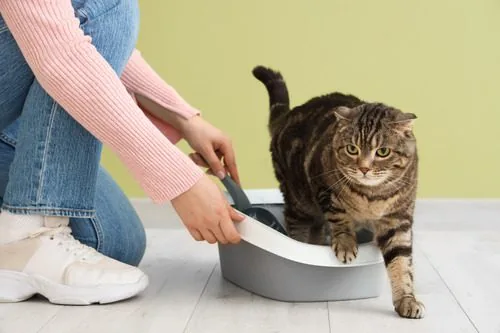
Credit: lacvets.com
Shedding Across Breeds
Shedding is a natural process for all cats. It helps them get rid of old or damaged fur. The amount of shedding varies by breed. Some cats shed a lot, while others shed very little. Understanding these differences helps in managing pet care and allergies.
High Shedding Breeds
Some cat breeds shed more than others. These cats usually have thick or long fur. They lose hair often, especially in spring and fall.
- Maine Coon: Known for its thick, long coat that sheds heavily.
- Persian: Has a dense, long coat that requires regular grooming.
- Ragdoll: Soft, semi-long hair that sheds a lot seasonally.
- Siberian: A thick triple-layer coat that sheds heavily in warmer months.
Regular brushing helps control shedding in these breeds. It keeps fur from piling up around the home.
Low Shedding Breeds
Some cats shed very little. These breeds have short or special coats. They are often better for people with allergies.
- Sphynx: Almost no fur, so very little shedding occurs.
- Bengal: Short, dense coat that sheds less than average.
- Russian Blue: Short, dense fur that sheds minimally.
- Devon Rex: Short, curly fur with low shedding.
These breeds still need care but produce less loose hair. Less shedding means less cleaning and fewer allergens.
Hairless And Minimal Shed Cats
Some cats shed very little or not at all. These cats are perfect for people who want less fur around the house. Hairless and minimal shed cats offer a great option for those sensitive to allergies or who dislike cleaning up fur constantly.
Hairless Cat Breeds
Hairless cats have almost no fur, so they shed very little. Their skin needs special care to stay healthy. The most famous hairless breed is the Sphynx. They are friendly, curious, and love attention.
Other hairless breeds include:
- Peterbald
- Donskoy
- Bambino
These cats need regular baths to remove oils. They stay warm with blankets or sweaters in cold weather. Hairless cats are great for people who want very low shedding pets.
Cats With Unique Coats
Some cats have coats that shed very little. Their fur is soft but does not fall out much. Breeds like the Russian Blue and the Cornish Rex have fine, short fur that stays mostly on their bodies.
Unique coat cats include:
- Devon Rex
- Bengal
- Siberian (though they shed seasonally)
These cats need regular grooming to keep their coat healthy. They shed less than most cats but still enjoy play and petting. Unique coat cats balance low shedding with a soft, touchable coat.
Factors Influencing Shedding
Understanding why cats shed can help manage their shedding better. Various factors influence shedding. These include seasonal changes, diet and health, and environmental impacts. Each factor plays a role in how much hair your cat loses.
Seasonal Changes
Cats shed more during certain seasons. In spring, they lose their thick winter fur. This process helps them stay cool in warmer months. In fall, they may shed again as they grow a thicker coat for winter. This natural cycle can vary by breed and individual cat.
Diet And Health
A cat’s diet significantly impacts shedding. Proper nutrition supports healthy skin and fur. Cats lacking essential nutrients may shed more. Omega-3 and omega-6 fatty acids are crucial. Health issues also contribute to excessive shedding. Conditions like allergies or hormonal imbalances can increase hair loss.
Environment Impact
The environment affects how much a cat sheds. Indoor cats may shed year-round. They are less exposed to natural light cycles. Stressful environments can lead to more shedding. Cats in calm, stable homes usually have healthier coats. Regular grooming helps manage shedding and keeps the fur tidy.
Managing Cat Shedding
Managing cat shedding helps keep your home clean and your cat comfortable. Shedding is natural for all cat breeds. Some shed more than others, but every cat loses fur. Regular care limits loose hair around your house. Simple daily habits reduce shedding problems significantly.
Grooming Tips
Brushing your cat removes loose fur before it falls off. Use a brush suited to your cat’s coat type. Short-haired cats benefit from a soft bristle brush. Long-haired cats need a comb or slicker brush to prevent mats. Groom your cat several times a week. It lowers fur around the home and keeps skin healthy.
Bathing your cat occasionally helps with shedding. Use a mild cat shampoo and warm water. Dry your cat gently with a towel. Avoid overbathing, as it can dry out the skin. Trim your cat’s nails to reduce scratching and skin damage.
Home Cleaning Hacks
Regular cleaning stops fur buildup on furniture and floors. Use a vacuum cleaner with a pet hair attachment. Vacuum carpets, rugs, and upholstery often. A lint roller or sticky tape quickly removes fur from clothes and furniture. Damp cloths pick up hair easily on hard surfaces.
Place washable covers on furniture to catch loose fur. Wash them regularly to keep your home fresh. Air filters help reduce airborne pet hair and dander. Open windows for fresh air to lower indoor fur concentration. These small steps keep your space clean and fur-free.
Common Shedding Myths
Shedding is one of the most talked-about traits of cats, but many beliefs around it are not quite accurate. People often get confused about which cats shed and why. Let’s clear up some common myths that might be shaping your views on cat fur.
Myth: Only Long-haired Cats Shed
It’s easy to assume that only fluffy, long-haired cats shed since their fur is more noticeable. However, short-haired cats shed too, sometimes even more than their long-haired counterparts. Shedding depends on the cat’s health, diet, and environment, not just hair length.
Myth: Shedding Means A Cat Is Unhealthy
If you see fur around your home, you might worry that your cat is sick. Normal shedding is actually a sign of a healthy coat renewing itself. Excessive shedding could indicate a problem, but regular shedding is natural and healthy.
Myth: Hypoallergenic Breeds Don’t Shed
Some breeds are called “hypoallergenic” because they produce fewer allergens, but this doesn’t mean they don’t shed. For example, the Siberian cat is hypoallergenic but still sheds. Allergens come from skin oils and saliva too, not just fur.
Myth: Shedding Only Happens In Spring
Many people think cats shed only during spring to get rid of their winter coat. While seasonal shedding is common, cats can shed year-round, especially indoor cats with controlled lighting. Your cat’s shedding might be more consistent than you expect.
Myth: Bathing Stops Shedding
Giving your cat a bath won’t stop shedding altogether. Bathing can help remove loose fur temporarily, but shedding is a natural process that continues. Regular brushing is a more effective way to manage fur around your home.
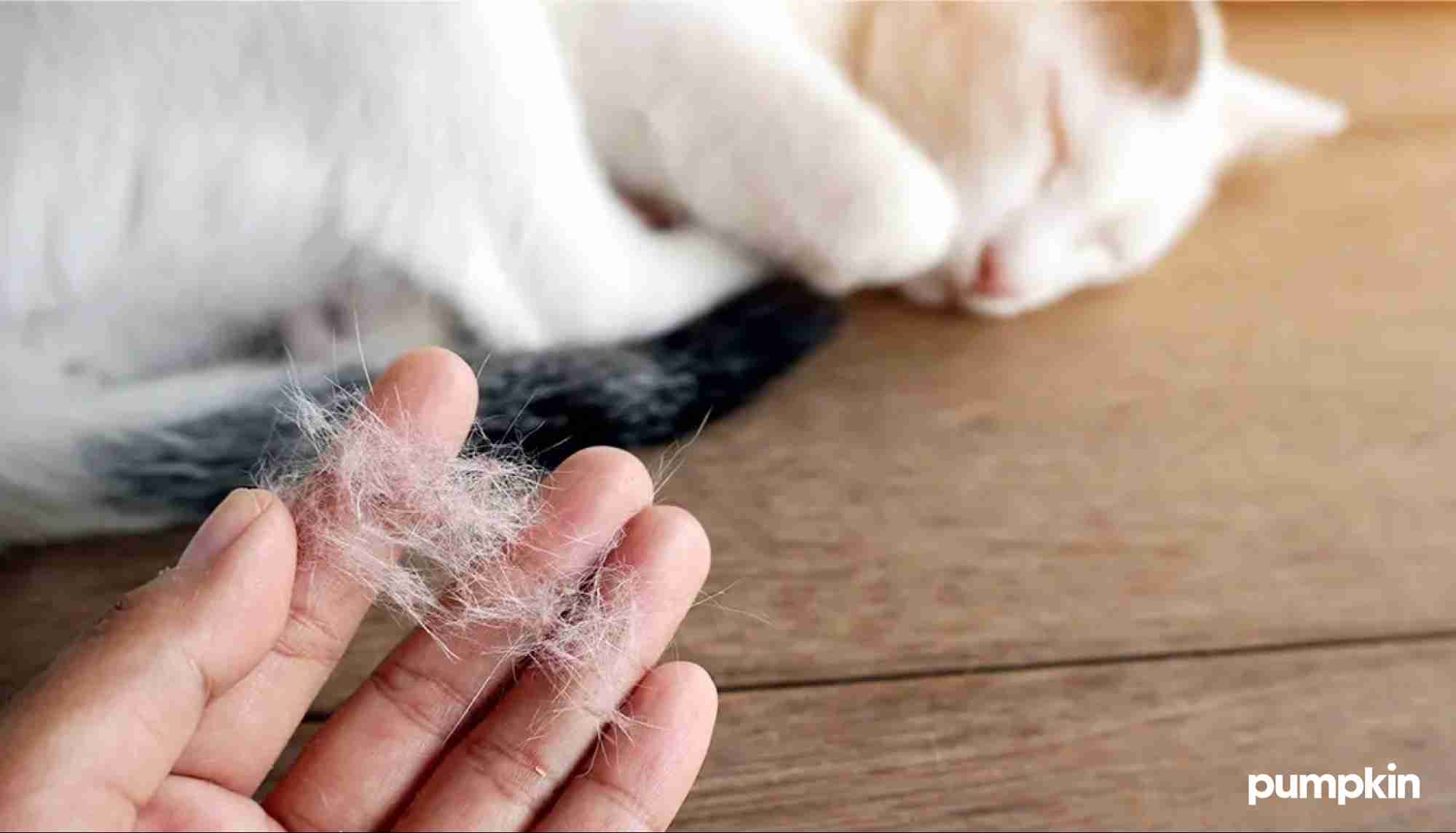
Credit: www.pumpkin.care
Frequently Asked Questions
Do All Cat Breeds Shed Fur?
Yes, all cat breeds shed fur to some degree. Shedding is a natural process for cats to replace old hair and maintain a healthy coat. However, the amount of shedding varies by breed, coat type, and environmental factors like seasons and diet.
Which Cat Breeds Shed The Least?
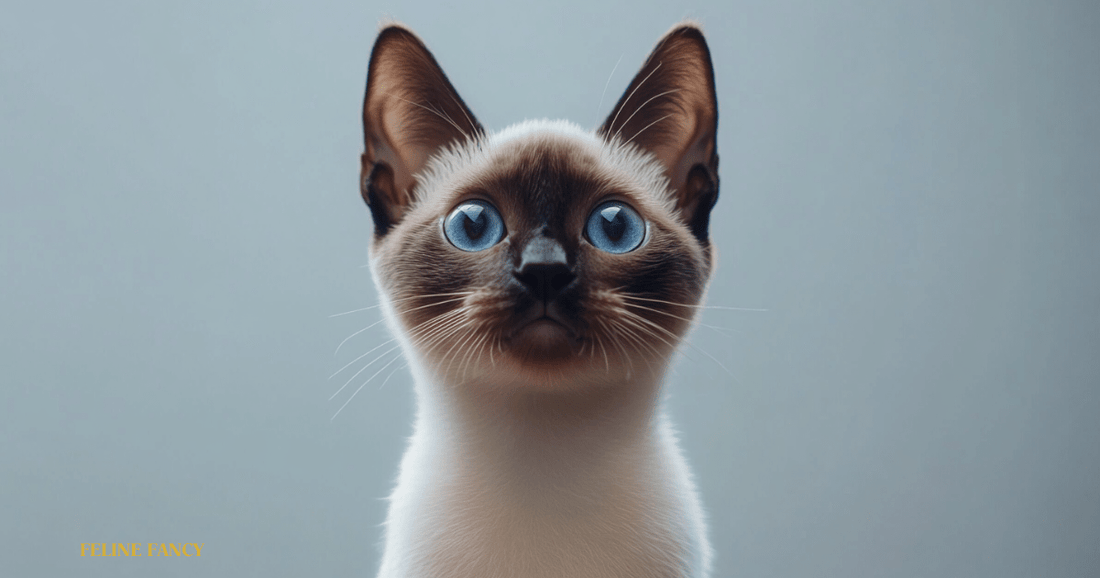
Breeds like the Sphynx, Siamese, and Bengal shed the least. These cats have minimal or fine fur, reducing hair loss. Low-shedding breeds are ideal for people with allergies or those who prefer less cleaning around the house.
Why Do Cats Shed More In Certain Seasons?
Cats shed more in spring and fall to adjust their coats. They lose winter fur to stay cool in summer and grow thicker fur for winter warmth. Seasonal shedding helps cats adapt to temperature changes effectively.
Can Shedding Indicate A Cat’s Health Issues?
Excessive shedding can signal health problems like allergies or parasites. If your cat sheds unusually or develops bald patches, consult a vet. Regular shedding is normal, but sudden changes need professional attention.
Conclusion
All cats shed to some degree, but amounts vary by breed. Some breeds shed very little, while others lose more fur. Understanding this helps in choosing the right pet for your home. Regular grooming can reduce shedding and keep your cat healthy.
Remember, shedding is natural and part of a cat’s life. Knowing what to expect makes caring for your cat easier. Choose a breed that fits your lifestyle and enjoy your furry friend.

Leave a Reply