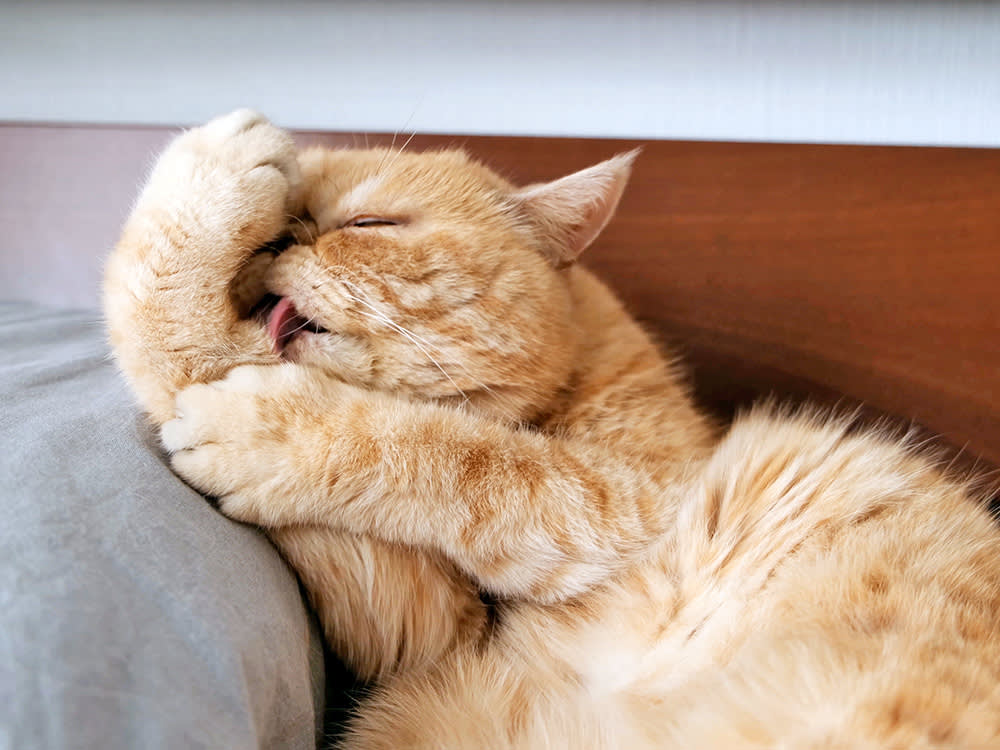
Have you ever watched your cat spend hours licking its fur and wondered, “Why does my cat groom itself so much?” You might think it’s just about staying clean, but there’s so much more behind this common behavior. Understanding why cats groom themselves can help you see your furry friend in a whole new light.
Keep reading, and you’ll discover surprising reasons that explain this daily ritual—and how it benefits your cat’s health and happiness.
Purpose Of Grooming
Cats groom themselves for many important reasons. Grooming helps keep their bodies healthy and comfortable. It is more than just cleaning fur; it supports their overall well-being. Understanding why cats groom shows how nature designed this behavior to serve multiple purposes.
Maintaining Cleanliness
Cats use their tongues to remove dirt and loose hair. Grooming keeps their coat free from dust and parasites. This habit prevents skin infections and irritation. Clean fur also helps cats stay neat and tidy.
Regulating Body Temperature
Grooming helps cats control their body heat. When cats lick their fur, saliva spreads and cools their skin. This cooling effect is important, especially on hot days. It helps cats avoid overheating and stay comfortable.
Stimulating Blood Flow
The grooming action improves blood circulation under the skin. Better blood flow helps keep the skin healthy and strong. It also supports hair growth and repairs minor skin injuries. Grooming acts like a gentle massage for cats’ bodies.
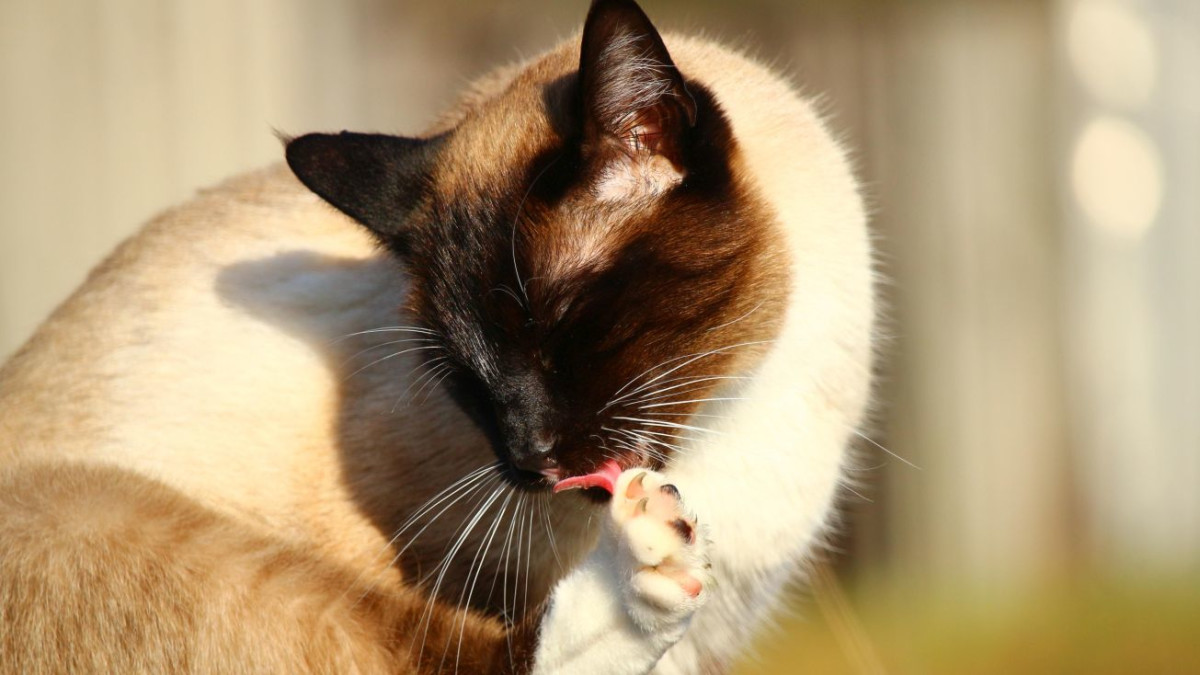
Credit: pethelpful.com
Social And Emotional Reasons
Cats groom themselves for more than just cleanliness. Their grooming habits also serve important social and emotional purposes. These actions help cats feel calm, connect with others, and show their feelings. Understanding these reasons gives insight into feline behavior beyond hygiene.
Reducing Stress And Anxiety
Grooming helps cats calm down in stressful moments. It acts like a natural way to relax and feel safe. When cats lick their fur, it releases soothing chemicals in the brain. This reduces feelings of fear and worry. Grooming often increases after a cat faces a new or tense situation.
Strengthening Social Bonds
Cats groom each other to build trust and friendship. This is called allogrooming. It helps them feel close and secure in their group. Sharing grooming shows acceptance and care. Cats in the same family or group often groom each other daily to keep strong social ties.
Expressing Comfort And Contentment
When a cat grooms calmly, it shows they feel safe and happy. Grooming is a sign of comfort in their environment. Cats often groom after eating or resting to express satisfaction. This behavior signals that they are relaxed and content with their surroundings.
Health Benefits
Cats grooming themselves is not just about looking neat. It plays a vital role in maintaining their health and well-being. Understanding these health benefits can help you appreciate why your cat spends so much time licking and cleaning.
Removing Parasites
Grooming helps cats remove unwanted parasites like fleas and ticks. Their rough tongues act like tiny brushes, pulling out these pests before they cause serious problems. If you’ve noticed your cat scratching more than usual, it might be a sign that grooming alone isn’t enough.
Regular grooming also reduces the chance of parasites spreading. Have you checked your cat’s fur for signs of fleas recently? This simple habit can save you from costly vet visits.
Healing Wounds
When cats groom, they often focus on small cuts or scratches. Their saliva contains natural enzymes that help clean wounds and prevent infection. I once saw my cat carefully licking a tiny scratch, and it healed much faster than I expected.
This self-care routine means minor injuries rarely need vet attention. Would you have guessed that your cat’s tongue acts like a natural first aid tool?
Preventing Skin Issues
Grooming distributes natural oils across your cat’s skin and fur. These oils keep the skin moisturized and fur shiny, preventing dryness and irritation. If your cat’s coat looks dull or patchy, it might signal a problem with grooming or health.
Regular grooming also removes dead skin cells and loose fur, reducing the risk of skin infections. How often do you observe your cat’s grooming habits to catch early signs of skin trouble?

Credit: www.reddit.com
Behavioral Insights
Understanding why cats groom themselves offers a window into their complex behavior. Grooming is more than just keeping clean; it reveals habits, communication styles, and even differences across breeds. Observing your cat’s grooming patterns can tell you a lot about their mood and health.
Grooming As A Habit
Grooming is a deeply ingrained routine for cats. They spend a significant part of their day licking their fur to remove dirt and loose hair. This habit helps them stay clean, but it also regulates their body temperature and reduces stress.
Have you noticed how your cat often grooms after waking up or before settling down? This shows grooming is part of their daily rhythm, much like brushing your teeth is for you. It keeps them comfortable and ready for whatever comes next.
Signals And Communication
Cats don’t just groom themselves; they use grooming to send messages. When cats groom each other, known as allogrooming, it’s a sign of trust and bonding. Self-grooming can also signal calmness or, sometimes, anxiety.
Pay attention to how your cat grooms during different situations. Excessive grooming might be a sign of stress or discomfort. On the other hand, a relaxed grooming session shows your cat feels safe and content in their environment.
Differences Among Cat Breeds
Not all cats groom the same way or with the same frequency. Some breeds, like the Sphynx, require more grooming help from their owners because they lack fur. Others, such as the Maine Coon, have thick coats that need extra attention during grooming.
Understanding your cat’s breed can help you tailor your care to their grooming needs. It’s interesting to see how breed traits influence this behavior, affecting how often and how thoroughly your cat cleans itself.
When Grooming Becomes Excessive
Cats groom themselves to stay clean and remove loose fur or dirt. Excessive grooming may signal stress, skin problems, or allergies. Watching your cat’s grooming habits helps spot health issues early.
When Grooming Becomes Excessive Cats are known for their meticulous grooming habits, often spending several hours a day keeping their fur clean and tidy. However, there are times when this grooming behavior becomes excessive, and it may indicate an underlying issue. Recognizing when grooming turns into overgrooming is crucial for your cat’s well-being.Causes Of Overgrooming
Overgrooming can be triggered by several factors. Stress and anxiety are common culprits, much like how humans may bite their nails when anxious. Changes in the household, such as a new pet or moving to a new home, can lead to increased grooming as your cat tries to self-soothe. Allergies, both food and environmental, can also cause itchy skin, prompting your cat to groom excessively. Fleas, mites, or other parasites might be at play, causing discomfort that your cat attempts to relieve through constant grooming.Potential Health Risks
Excessive grooming can lead to several health issues for your feline friend. Constant licking can result in bald spots or even skin infections. The repeated action can also cause hairballs, which can be uncomfortable and even dangerous if they lead to blockages. Furthermore, if your cat is grooming to cope with stress, the underlying anxiety may remain unaddressed, potentially leading to behavioral issues. As a pet owner, it’s important to recognize these signs and consider how they might affect your cat’s overall health.Seeking Veterinary Help
If you notice your cat grooming more than usual, it might be time to consult your veterinarian. They can help identify the root cause of the problem. Is it an allergy, a parasite, or something else? Your vet might suggest treatments like topical solutions for parasites or dietary changes for food allergies. In cases of stress-related overgrooming, they may recommend behavior modification strategies or environmental enrichment. Remember, your cat can’t tell you what’s wrong, but their behavior can provide important clues. By paying attention and seeking professional help, you can ensure your cat stays happy and healthy.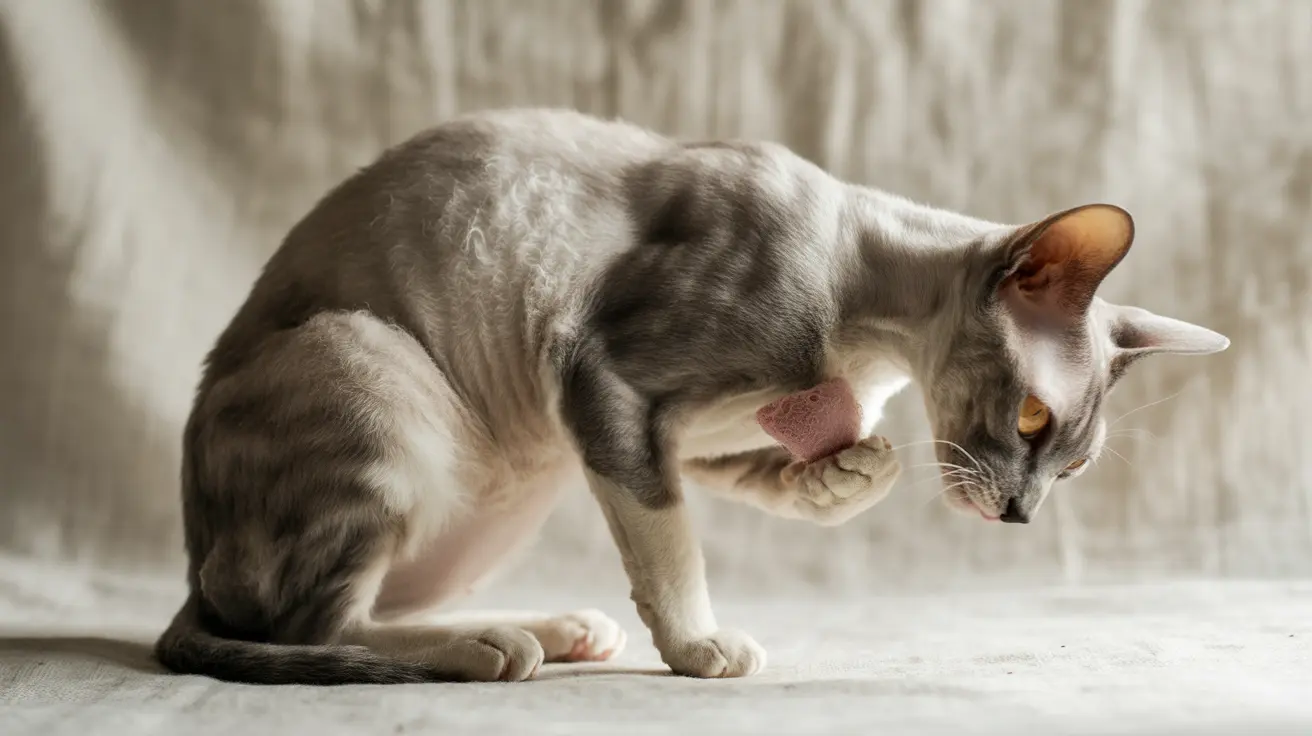
Credit: www.petscare.com
Frequently Asked Questions
Why Do Cats Groom Themselves Frequently?
Cats groom to clean their fur, remove dirt, and regulate body temperature. It also helps reduce stress and strengthens their scent markings.
How Does Grooming Benefit A Cat’s Health?
Grooming prevents matting, controls parasites, and distributes natural oils. It keeps the coat healthy and supports overall skin condition.
Can Grooming Indicate A Cat’s Emotional State?
Yes, excessive grooming can signal stress or anxiety. Lack of grooming might suggest illness or discomfort, so observe changes carefully.
Do Cats Groom To Communicate With Other Cats?
Cats use grooming to bond and show affection. Mutual grooming strengthens social connections within cat groups and reduces tension.
Conclusion
Cats groom themselves to stay clean and healthy. This behavior helps remove dirt and loose fur. Grooming also keeps their skin fresh and prevents infections. It calms them and reduces stress in many situations. You can see how important grooming is for a cat’s daily life.
Understanding this habit helps you care for your pet better. Keep watching your cat’s grooming to spot any changes early. Healthy cats usually groom often and with care. Simple but powerful—cat grooming shows how nature keeps pets well.

Leave a Reply