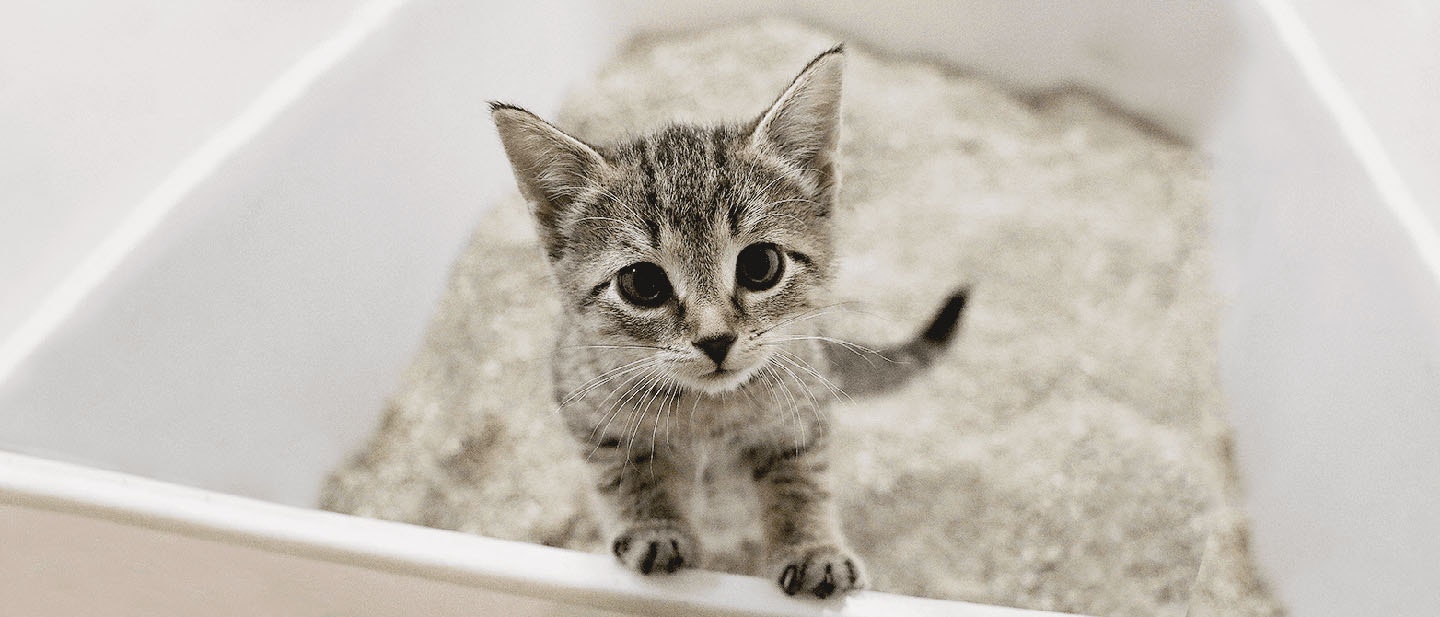
Are you wondering when your kitten will stop making messes and start using the litter box like a pro? Knowing what age cats are potty trained can save you time, stress, and frustration.
You want your furry friend to be clean and comfortable, and you deserve peace of mind. You’ll discover the key signs to watch for, tips to help your cat learn faster, and what to expect as they grow. Keep reading to find out exactly when your cat will be fully potty trained—and how you can make the process smooth for both of you.
When Cats Learn To Use The Litter Box
Teaching your cat to use the litter box is a key part of welcoming a new feline friend into your home. Most cats naturally gravitate toward litter use, but the age at which they fully grasp this behavior can vary. Understanding when cats learn to use the litter box helps you set realistic expectations and provide the right support.
Typical Age Range
Kittens usually start learning to use the litter box between 3 and 4 weeks old. This is when their motor skills improve, and they begin exploring their environment more confidently. By 7 to 8 weeks, many kittens are proficient at using the litter box consistently.
However, some cats might take longer to master this skill. If you adopt an older cat, they might already be litter trained, or they could need a little time to adjust to new surroundings. Watching your cat’s progress day by day can give you a clear idea of their learning pace.
Factors Influencing Training Time
Several factors affect how quickly your cat learns to use the litter box:
- Early Exposure:Kittens introduced to the litter box by their mother or breeder tend to learn faster.
- Health Issues:Urinary tract infections or other health problems can interfere with litter box use.
- Litter Box Setup:The type of litter, box size, and location play a huge role in your cat’s comfort and willingness to use it.
- Stress and Environment:New homes, other pets, or loud noises might confuse your cat and delay training.
Reflect on your own cat’s environment. Is the litter box easy to find? Is it clean and quiet? Small changes can make a big difference. Have you noticed your cat’s behavior change when something in their space is different? Paying attention to these details helps you guide your cat to success.

Credit: www.purina.com
Signs Your Kitten Is Ready
Recognizing when your kitten is ready to be potty trained can save you time and frustration. There are clear signs that show your little feline is prepared to learn this important skill. Watching for these clues helps you start training at the right moment, making the process smoother for both of you.
Behavioral Cues
Your kitten will start showing habits that hint at readiness for potty training. They might begin sniffing or scratching the floor frequently, especially after eating or waking up. These actions suggest they understand the need to find a place to go.
Notice if your kitten tries to hide or look for quiet corners. This instinct shows they want privacy, an important part of using the litter box. If your kitten starts to avoid going in random spots and instead heads to a specific place, it’s a strong sign they are ready.
Physical Development
Physical growth plays a big role in potty training readiness. Typically, kittens develop enough muscle control and coordination around 3 to 4 weeks old to start learning. At this stage, they can climb into and out of a litter box without difficulty.
Watch for your kitten’s ability to squat and balance comfortably. If they seem steady and agile, they can handle the physical demands of potty training. Also, their digestive system matures enough to hold waste until they can reach the litter box.
Have you noticed your kitten’s daily routine changing? This might be another clue that they’re ready to take this next step with you.
Setting Up The Perfect Litter Box
Cats usually learn to use the litter box by 3 to 4 weeks old. Kittens quickly pick up habits by watching their mother. Setting up a clean, quiet litter box helps them learn faster and stay comfortable.
Setting up the perfect litter box is essential for successful potty training. Your cat’s comfort and ease are crucial factors. A well-set-up litter box encourages consistent use. Here’s how to create an ideal environment.Choosing The Right Location
Pick a quiet spot away from noise and foot traffic. Cats need privacy to feel safe. Avoid placing the litter box near their food or water. Keep it accessible, not tucked away in hard-to-reach areas. Consider having a box on each floor of your home.Selecting Litter Types
Cats can be picky about litter texture. Experiment with different types like clay or silica. Unscented varieties are often preferred as they don’t mask odors. Scoopable litter makes cleaning easier. Observe your cat’s preference for best results.Box Size And Accessibility
Choose a box large enough for your cat to turn around. An adult cat may need a bigger box than a kitten. For kittens, low-entry boxes are easier to access. As they grow, a higher-sided box prevents mess. Keep the litter box clean and inviting. Regular maintenance ensures your cat’s continued use.
Credit: www.youtube.com
Training Techniques For Success
Training your cat to use the litter box successfully requires patience and the right approach. Using effective techniques can help your feline friend learn quickly and avoid frustration for both of you. Let’s look at how you can set your cat up for potty training success.
Introducing The Litter Box
Start by placing the litter box in a quiet, easily accessible spot. Cats appreciate privacy but also need to find the box without hassle. Show your kitten the box by gently placing them inside after meals or naps.
Use a litter that mimics natural textures, such as clumping clay or unscented wood pellets. Avoid scented litters initially, as some cats find them off-putting. Keep the box clean by scooping daily—cats dislike dirty spaces.
Positive Reinforcement
Reward your cat immediately after they use the litter box. A small treat or gentle praise works wonders. This connection helps your cat understand what behavior makes you happy.
Watch your cat’s body language and habits to catch signs they need to go. Promptly guiding them to the box reinforces the habit. Remember, patience is key—some cats take longer to adjust.
Handling Accidents
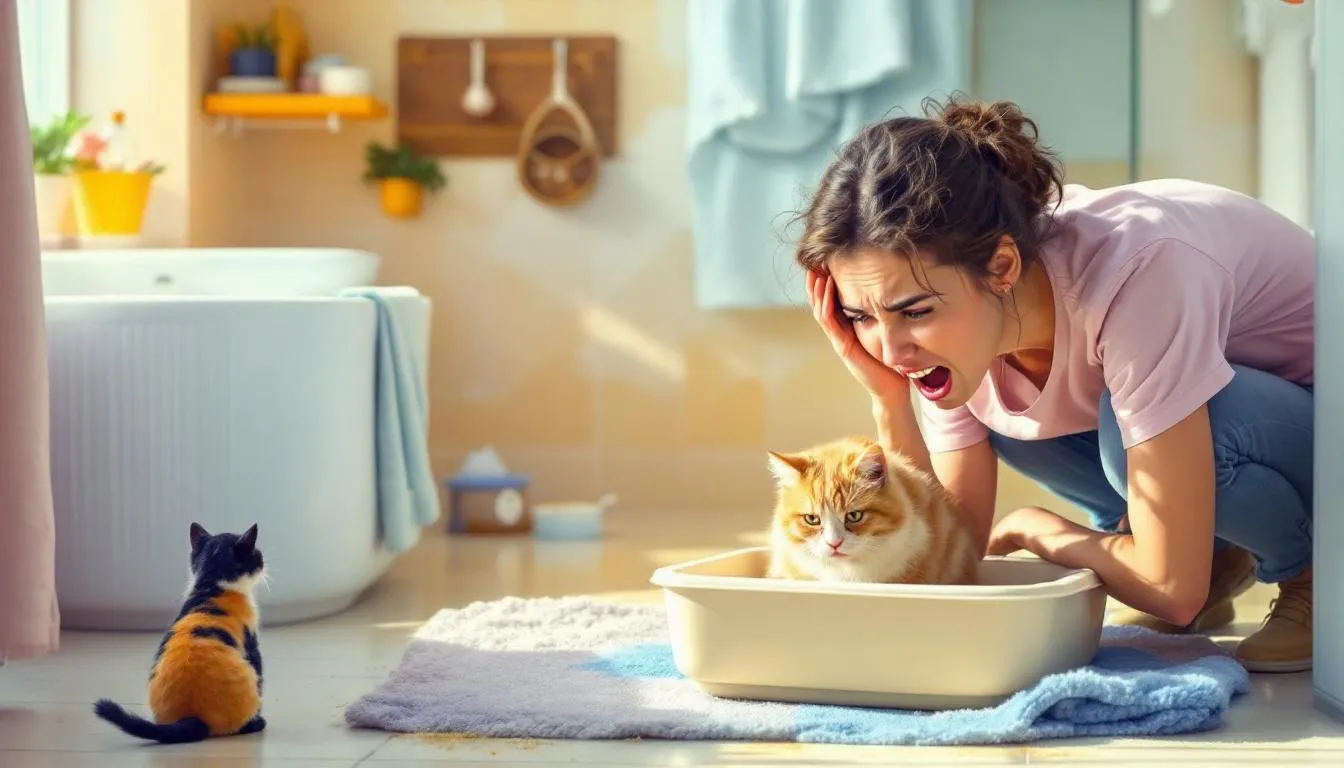
Accidents will happen; don’t punish your cat. Punishment can cause stress and worsen the problem. Instead, clean the area thoroughly with an enzymatic cleaner to remove odors.
Consider if the litter box location, type, or cleanliness might be causing accidents. Sometimes, adding an extra box in a different location can help. Ask yourself: Are you providing enough litter boxes for the number of cats you have?
Common Challenges And Solutions
Potty training your cat can come with a few bumps along the way. Recognizing common challenges early helps you address them before they become habits. Let’s look at some typical issues cat owners face and how you can solve them effectively.
Avoiding Litter Box Aversion
Sometimes cats refuse to use their litter box. This can happen if the box is dirty, placed in a noisy area, or if the litter type isn’t to their liking. You might notice your cat avoiding the box after a bad experience, such as a loud noise nearby or discomfort from the litter.
To prevent this, keep the box clean by scooping daily and washing it weekly. Place the box in a quiet, low-traffic spot. Try different types of litter to find what your cat prefers—some like fine clumping litter, others may prefer unscented or natural options.
Dealing With Medical Issues
If your cat suddenly stops using the litter box, a medical problem could be the cause. Urinary tract infections, kidney issues, or arthritis can make using the box painful or difficult. Ignoring these signs can worsen your cat’s health and litter habits.
Watch for symptoms like frequent trips to the box, straining, or blood in urine. A prompt visit to the vet can diagnose and treat these problems. Remember, a healthy cat is more likely to stay properly potty trained.
Managing Multi-cat Households
Having more than one cat can complicate litter box training. Cats may compete for space or mark territory by avoiding shared boxes. Stress from other cats in the home can lead to accidents outside the box.
Provide at least one litter box per cat, plus one extra. Spread the boxes out in different locations to reduce competition. Observe your cats’ behavior to spot conflicts early and give each cat a quiet place to feel safe.
Maintaining Good Litter Habits
Maintaining good litter habits is essential for a happy cat and a clean home. Cats are naturally clean animals, but they rely on you to keep their litter area inviting and stress-free. Consistent care not only helps your cat stick to their potty training but also prevents unwanted behaviors like accidents outside the box.
Cleaning And Maintenance Tips
Cleaning your cat’s litter box regularly is key. Scoop out waste at least once a day to keep the box fresh and odor-free.
Completely change the litter and wash the box with mild soap once a week. Avoid harsh cleaners that can leave scents your cat dislikes.
Place the litter box in a quiet, accessible spot. Cats don’t like loud noises or busy areas while doing their business.
Have one more litter box than the number of cats you own. If you have two cats, aim for three boxes to reduce competition and stress.
Monitoring Behavior Changes
Watch for signs your cat might be unhappy with their litter habits. If your cat suddenly avoids the box, it could mean the box is dirty or the litter type has changed.
Health issues like urinary tract infections can also cause litter box problems. If you notice frequent attempts to use the box with little success, a vet visit is crucial.
Stress from changes in the household or environment can affect litter habits too. Has your cat been around new pets or moved to a new home? These factors can impact their comfort and routine.
Ask yourself: Are you providing a clean, quiet place for your cat to do their business every day? Your cat’s litter box behavior often reflects how comfortable and safe they feel.

Credit: www.purina.com
Frequently Asked Questions
At What Age Are Kittens Usually Potty Trained?
Kittens typically learn to use the litter box by 3 to 4 weeks old. By 8 weeks, most are fully potty trained. Early training helps them develop good bathroom habits quickly and easily.
How Can I Help My Cat Learn Potty Training Faster?
Provide a clean, accessible litter box in a quiet place. Use unscented litter and keep it clean daily. Praise your cat gently when it uses the box to encourage good behavior.
What Signs Show My Cat Is Ready For Potty Training?
Look for scratching or digging behavior in corners. Cats often show interest in litter or bathroom areas. These signs indicate they are ready to start potty training.
Can Adult Cats Learn To Be Potty Trained?
Yes, adult cats can learn litter box habits. It may take patience and consistent training. Ensure the litter box is clean and placed in a quiet spot to encourage use.
Conclusion
Cats usually learn to use the litter box by 3 to 4 months old. Kittens watch their mom and copy her habits. Patience and gentle guidance help them learn faster. Some cats may take a little longer, and that’s okay.
Consistent cleaning and a quiet place make training easier. Remember, every cat is different and learns at its own pace. Keep encouraging good habits with kindness. Soon, your cat will be fully potty trained, making life easier for both of you.

Leave a Reply