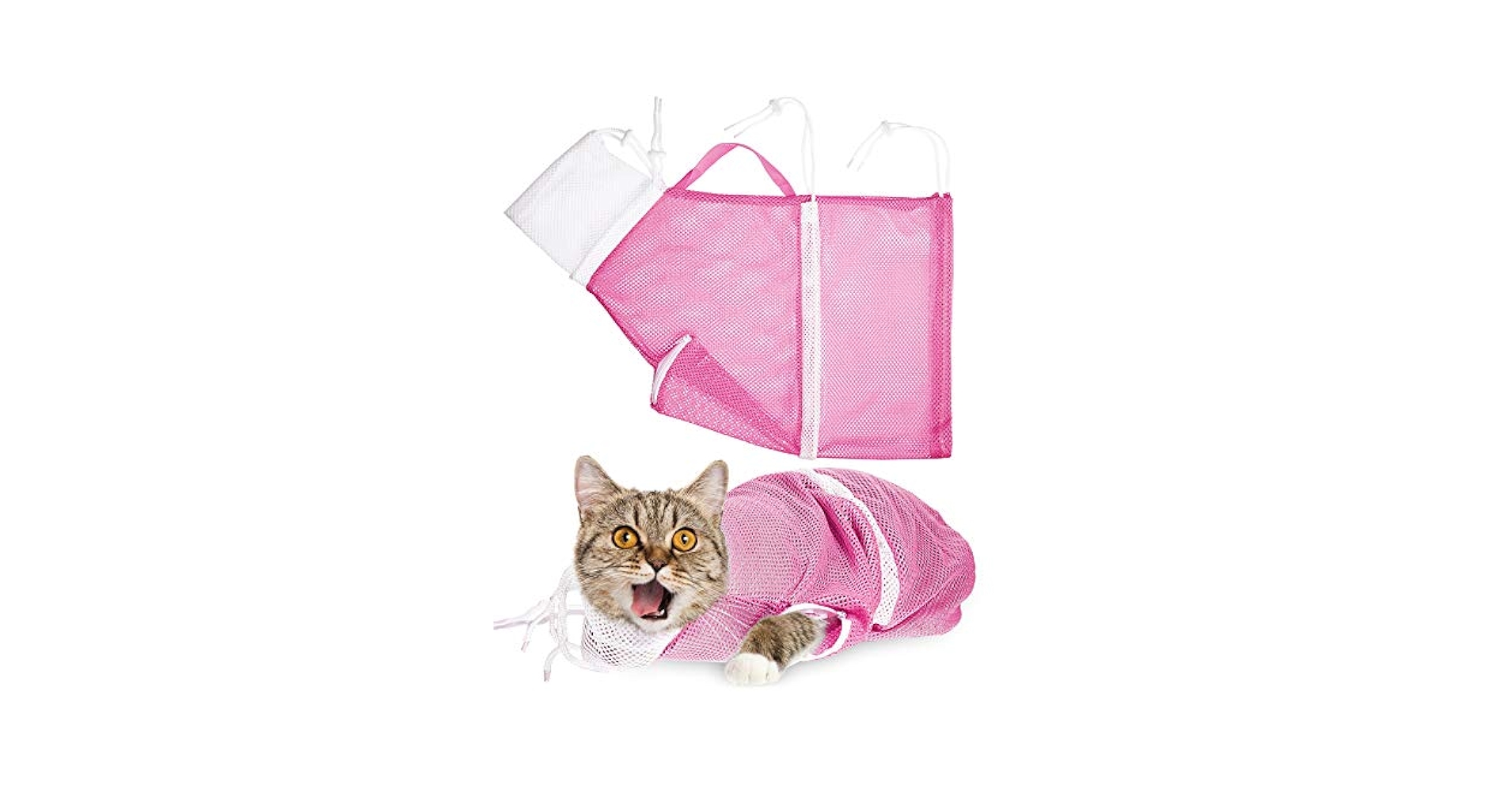
You love keeping your cat happy and healthy, but have you ever wondered if you can wash their toys in a delicate bag? Cleaning cat toys is important to protect your furry friend from germs and dirt.
But you might worry about damaging the toys or making a mess in your washing machine. What if there was a simple way to clean those toys safely and easily? You’ll discover the best tips and tricks to wash your cat’s toys using a delicate bag, so they stay fresh and last longer.
Keep reading to find out how to make this task quick and worry-free!

Credit: www.amazon.com
Benefits Of Washing Cat Toys
Washing your cat’s toys regularly offers more than just a cleaner playtime. It protects your furry friend from potential harm and keeps the toys in good shape longer. You might wonder how a simple wash can make such a difference—let’s break down the key benefits you gain from this easy habit.
Removing Dirt And Bacteria
Cat toys pick up dirt, saliva, and bacteria quickly, especially if your cat carries them around or shares them with other pets. Washing toys in a delicate bag helps trap dirt while allowing water and detergent to clean thoroughly. This reduces the risk of infections and unpleasant odors that can build up over time.
Maintaining Toy Durability
Using a delicate bag during washing prevents toys from getting torn or losing their shape. It acts like a protective shield in the washing machine, especially for soft or fabric toys. This means you won’t have to replace your cat’s favorite toy as often, saving you money and hassle.
Ensuring Pet Health
Keeping toys clean directly supports your cat’s health by minimizing exposure to germs and allergens. Dirty toys can cause skin irritations or even digestive problems if your cat chews on them. Washing toys regularly shows you care about your pet’s well-being and comfort.
Choosing The Right Laundry Bag
Choosing the right laundry bag for washing your cat toys can make all the difference in maintaining their shape and cleanliness. Not every laundry bag is built the same, so understanding what to look for helps you protect your cat’s favorite playthings. Let’s dive into the key features that matter most when picking a delicate bag for cat toys.
Material Types
The material of the laundry bag affects durability and how gently it treats your cat toys. Look for bags made from soft mesh or fine nylon to prevent snagging or tearing. Avoid rough fabrics that might damage small parts or seams on the toys.
I once used a cheap polyester bag, and the zipper caught on the fabric, fraying one of my cat’s plush mice. After switching to a gentle mesh bag, I noticed the toys stayed intact much longer. What materials have you found last best with your pet’s toys?
Size And Closure Options
Size matters because the bag should comfortably hold all the toys you want to wash without overcrowding. A bag too small can compress and damage toys, while an oversized one might let toys move around too much, causing wear.
Closures like zippers or drawstrings keep toys secure during washing. Zippers with protective covers prevent snagging, while drawstrings are quick but might loosen if not tied tightly. Which closure style fits your washing routine better?
Breathability Factors
Good airflow inside the laundry bag helps water and detergent reach every part of the toys. Mesh bags with larger holes allow better circulation but still keep small toys from escaping.
Choosing a bag that balances breathability with protection means your cat toys get thoroughly cleaned without damage. Have you noticed a difference in cleaning results based on the laundry bag’s breathability?
Preparing Cat Toys For Washing
Place cat toys inside a delicate bag before washing to protect them from damage. This keeps small parts safe and stops toys from tearing in the machine. Always check toy labels for washing instructions first.
Preparing your cat toys for washing is a crucial step. It ensures their longevity and safety for your furry friend. Proper preparation can make a significant difference.Sorting By Material
Start by sorting toys based on their materials. Plush toys should be separated from rubber or plastic ones. This prevents damage during the wash. Different materials require different care.Removing Loose Parts
Check each toy for loose parts. Remove any detachable items, like bells or feathers. These small parts can get lost or cause damage. Keeping them aside ensures a thorough clean.Checking For Damage
Inspect toys for any signs of wear or tear. Damaged toys might worsen in the wash. Fix minor issues or discard severely damaged ones. This step keeps your cat safe from potential hazards.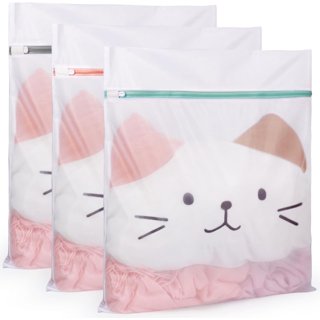
Credit: www.walmart.com
Washing Methods In Delicate Bags
Washing cat toys in a delicate bag helps protect them during cleaning. It keeps small parts safe and stops damage from rough washing cycles. Using a delicate bag also prevents your washing machine from getting clogged by loose stuffing or feathers. There are different ways to wash toys in these bags. Each method has its own benefits for keeping toys clean and intact.
Machine Washing Tips
- Place cat toys inside a mesh delicate bag with a zipper.
- Use a gentle or delicate cycle on your washing machine.
- Choose cold or lukewarm water to avoid fabric damage.
- Avoid overloading the machine to allow proper cleaning.
- Skip fabric softeners as they may irritate your cat’s skin.
- Air dry toys instead of using a dryer to prevent shrinking.
Hand Washing Techniques
- Fill a basin with cold or lukewarm water.
- Add a small amount of gentle detergent to the water.
- Submerge the toys inside the delicate bag.
- Gently squeeze and swish the bag to clean the toys.
- Rinse with clean water until all soap is gone.
- Press out excess water without wringing the bag.
- Lay the toys flat to air dry in a well-ventilated area.
Recommended Detergents
- Use mild, fragrance-free detergent suitable for sensitive skin.
- Choose detergents labeled safe for delicate fabrics.
- Avoid bleach and harsh chemicals that can harm toys.
- Consider eco-friendly detergents to reduce chemical exposure.
- Test detergent on a small toy area before full washing.
Drying Cat Toys Safely
Drying cat toys safely is just as important as cleaning them properly. The way you dry these toys can affect their durability and your cat’s health. If toys remain damp or get damaged during drying, they can harbor bacteria or become unsafe for your furry friend.
Air Drying Benefits
Air drying cat toys is one of the safest and easiest methods. It helps maintain the toy’s shape and prevents shrinkage or fabric wear. Plus, air drying uses no heat, so the materials last longer.
Have you noticed how some toys lose their fluff or get misshapen after drying in a machine? Air drying avoids that problem. Simply lay the toys flat on a clean towel or hang them in a well-ventilated area.
Avoiding Heat Damage
Heat from dryers or direct sunlight can weaken the fabric or stuffing inside cat toys. This can cause them to tear easily or lose their softness. Avoid using high heat settings or placing toys in direct sunlight for long periods.
Think about how your clothes feel after a hot dryer cycle—similar damage can happen to your cat’s toys. Keeping the drying temperature low or skipping the dryer altogether protects your investment in safe, long-lasting toys.
Using Towels For Drying
Using towels is a simple trick to speed up drying without heat. After washing, gently press the toy between two dry towels to remove excess water. This reduces drying time and keeps the toy’s fabric intact.
If you want, you can also place the toy on a dry towel and roll it up to squeeze out moisture. Towels absorb water efficiently and help your cat’s toys dry faster without risking damage.
Frequency Of Washing Cat Toys
Knowing how often to wash your cat’s toys can make a big difference in keeping your furry friend healthy and happy. Dirty toys can harbor germs, dirt, and even pests that might affect your cat’s well-being. But how can you tell when it’s time to clean, and what’s a good routine to follow?
Signs Toys Need Cleaning
Keep an eye out for visible dirt or grime on the toys. If you notice your cat’s toys have a bad smell, that’s a clear signal they need washing. Also, if your cat starts losing interest in a toy or seems irritated after playing, it might be due to buildup on the surface.
Another sign is if the toys have been exposed to outdoor elements or your cat has been sick. Sometimes, even if the toys look clean, germs can be lurking beneath the surface. Don’t wait for obvious signs—check regularly.
Routine Cleaning Schedule
Setting a cleaning schedule helps avoid buildup and keeps your cat’s playthings fresh. Washing toys every two weeks is a good starting point for most cats. If your cat plays with the toys daily or shares them with other pets, consider washing them weekly.
For soft toys, always use a delicate bag in the washing machine to protect their shape. Hard toys can often be wiped down with pet-safe disinfectants in between washes. Remember, consistency is key—regular cleaning prevents bacteria and keeps your cat engaged.
Precautions And Safety Tips
Cleaning cat toys in a delicate bag helps keep them safe during washing. Taking simple precautions protects both the toys and your cat’s health. Follow safety tips to avoid damage and harm.
Avoiding Toxic Chemicals
Choose gentle detergents without strong chemicals or fragrances. Harsh soaps can irritate your cat’s skin and nose. Use mild, pet-safe cleaning products only. Rinse toys thoroughly to remove any soap residue.
Preventing Toy Deformation
Put toys in a delicate bag to keep their shape. Avoid high heat in the dryer to stop warping or melting. Air dry toys that contain foam or soft materials. Check labels for washing instructions before cleaning.
Monitoring Cat’s Reaction
Watch your cat after giving back cleaned toys. Look for signs of irritation or discomfort. Some cats may dislike the smell of washed toys at first. If problems appear, stop using the toy and consult a vet.

Credit: www.amazon.com
Frequently Asked Questions
Can You Wash Cat Toys In A Delicate Bag?
Yes, washing cat toys in a delicate bag protects them from damage. It keeps small parts safe and prevents tangling during washing.
What Type Of Delicate Bag Is Best For Cat Toys?
Use a mesh laundry bag with a zipper closure. It allows water flow while protecting toys from wear and tear.
Can Washing Cat Toys Damage Them Without A Delicate Bag?
Yes, washing without a bag may cause tearing or deforming. Small parts can get lost or damaged in the machine.
How Often Should You Wash Cat Toys In A Delicate Bag?
Wash cat toys every 1-2 weeks or when visibly dirty. Regular cleaning helps remove dirt, bacteria, and pet saliva effectively.
Conclusion
Washing cat toys in a delicate bag keeps them safe and clean. It stops small parts from breaking or getting lost. Use gentle soap and cold water for best results. Let the toys dry fully before giving them back to your cat.
This simple step helps keep your pet healthy and happy. Clean toys also last longer and stay fun. Try this easy method to care for your cat’s favorite things. Your cat will thank you with more playtime and smiles.

Leave a Reply