
Have you ever wondered if feeding your adult cat kitten food could cause diarrhea? You might think it’s harmless or even beneficial, but the truth isn’t that simple.
Your cat’s digestive system is delicate, and what you feed it can make a big difference. If you want to keep your furry friend healthy and happy, it’s important to know how different foods affect them. Keep reading to discover why kitten food might upset your adult cat’s stomach and what you can do to prevent digestive problems.
Why Kitten Food Differs
Kitten food is made differently than adult cat food. It meets the needs of growing kittens. These differences can affect an adult cat’s digestion. Understanding why kitten food differs helps explain why diarrhea can happen.
Nutritional Needs Of Kittens
Kittens need more nutrients to grow strong and healthy. Their bodies use energy fast. They need extra vitamins and minerals for development. Adult cats do not need as many nutrients. Kitten food supports rapid growth and brain development.
Ingredients In Kitten Food
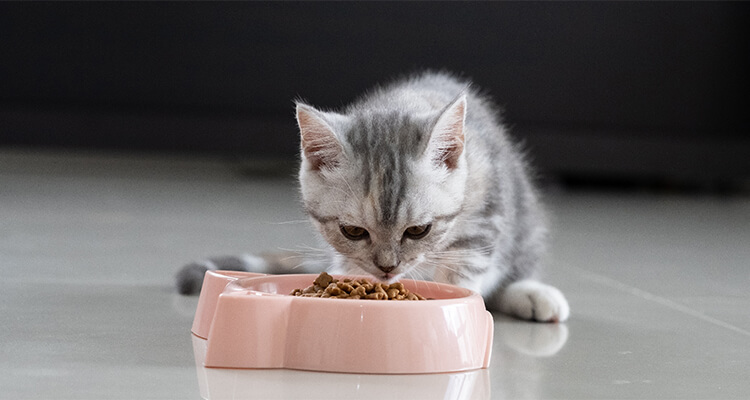
Kitten food contains rich and high-quality ingredients. It often has more meat and fat. These ingredients provide energy and help build muscles. Some ingredients may be harder for adult cats to digest. This can cause stomach upset or diarrhea.
Caloric And Protein Levels
Kitten food has higher calories and protein than adult food. Growing kittens need these to build tissues and stay active. Adult cats need fewer calories and less protein. Too much protein or calories can upset an adult cat’s stomach. This may lead to diarrhea or other digestive issues.
Adult Cats’ Digestive System
The adult cat’s digestive system differs from that of kittens. As cats grow, their bodies adapt to process different nutrients. These changes can affect how adult cats react to foods meant for kittens. Understanding these differences helps explain why adult cats might get diarrhea from kitten food.
Mature Digestive Enzymes
Adult cats have developed digestive enzymes suited for their age and diet. These enzymes break down proteins, fats, and other nutrients efficiently. Kitten food contains higher protein and fat levels. This richness can overwhelm an adult cat’s enzymes. The result may be poor digestion and loose stools.
Sensitivity To Diet Changes
Adult cats often have sensitive stomachs. Sudden changes in diet can upset their digestion. Kitten food differs in nutrient balance and calorie content. Switching abruptly to kitten food can cause stomach upset. This upset may show as diarrhea or vomiting. Gradual diet changes help prevent these problems.
How Kitten Food Affects Adults
Feeding kitten food to adult cats might seem harmless, especially if you’re trying to simplify mealtime. However, the nutritional needs of kittens and adult cats differ significantly. Kitten food is formulated with higher protein and fat content to support their rapid growth and energy needs, which can impact an adult cat’s digestive system and overall health.
Potential For Diarrhea
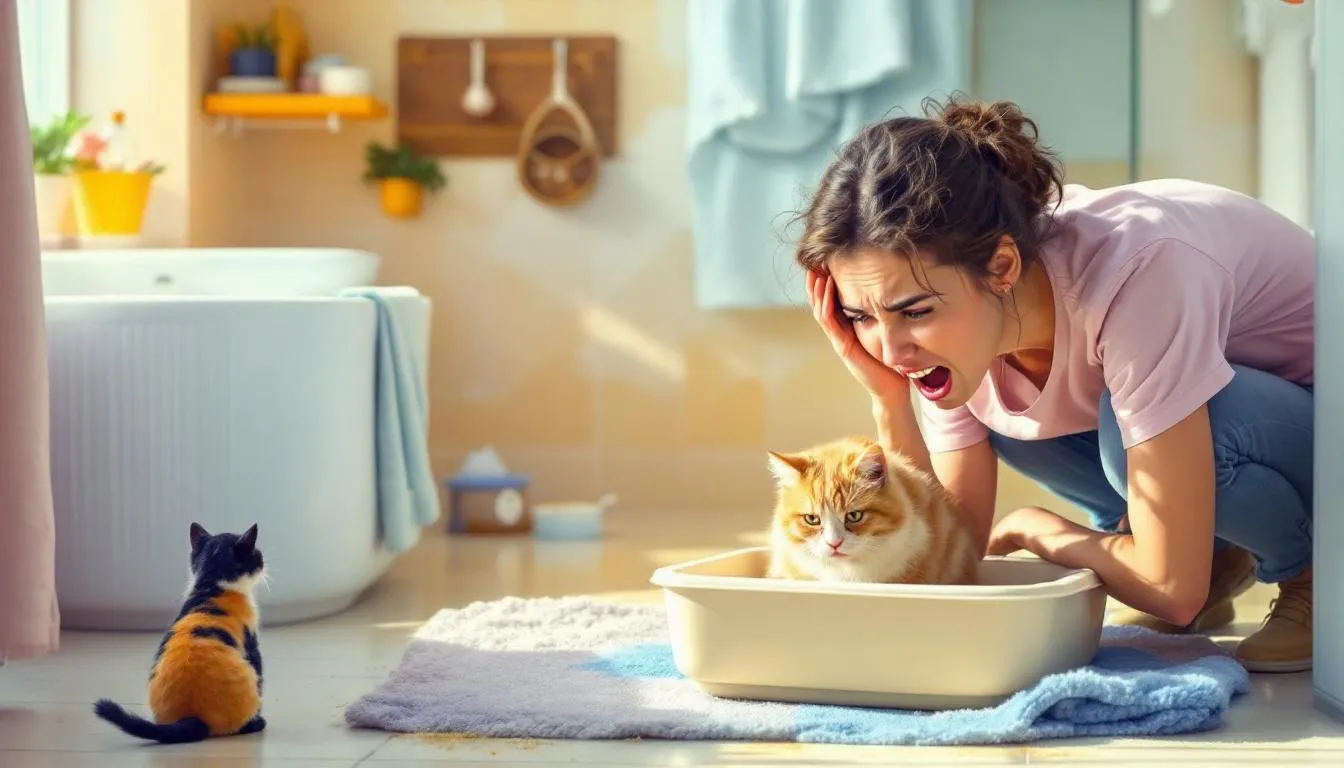
Adult cats consuming kitten food may experience diarrhea due to the richer nutrient profile. The high protein and fat levels might overwhelm their digestive system. If your adult cat suddenly has loose stools after eating kitten food, it’s likely a reaction to this dietary change.
Other Digestive Issues
Aside from diarrhea, adult cats might face other digestive issues from kitten food. Excessive nutrients can lead to vomiting or stomach discomfort. Over time, this can affect their overall gut health, leading to more chronic problems.
Signs To Watch For
Keep an eye on your cat for signs of digestive distress. Frequent diarrhea or vomiting are red flags. Also, watch for changes in appetite or energy levels, as these can signal underlying issues with their diet.
Have you noticed any changes in your cat’s behavior or health after a diet switch? It might be worth reassessing their nutritional intake.
Credit: www.splootvets.com
When Diarrhea Occurs
Diarrhea in adult cats after eating kitten food can be worrying. It often signals the body reacting to something unusual. Understanding when diarrhea occurs helps identify the cause and decide the next steps. This section explains what happens when diarrhea shows up and what to watch for.
Common Causes Beyond Food
Diarrhea is not always due to food changes. Other causes include:
- Stress or anxiety in cats
- Infections like bacteria or parasites
- Allergies or intolerances
- Sudden diet changes
- Underlying health problems
Keep these factors in mind while assessing your cat’s health.
Dehydration Risks
Diarrhea causes fluid loss quickly. Cats can become dehydrated fast. Watch for signs such as:
- Dry gums
- Sunken eyes
- Weakness or lethargy
- Less urination
Dehydration needs prompt attention to avoid serious problems.
Duration And Severity
Short bouts of diarrhea may resolve on their own. Persistent or severe diarrhea is a concern. Look out for:
- Diarrhea lasting more than two days
- Presence of blood or mucus
- Weight loss or vomiting
- Changes in behavior or appetite
Serious symptoms require a visit to the vet immediately.
Safe Feeding Practices
Feeding your adult cat kitten food might seem harmless, but it can lead to digestive issues like diarrhea if not handled properly. Safe feeding practices help prevent such problems and keep your cat healthy and happy. Understanding how to switch foods and control portions plays a crucial role in your cat’s digestive health.
Transitioning Between Foods
Suddenly changing your cat’s diet can upset their stomach. You should introduce new food gradually over 7 to 10 days.
Start by mixing a small amount of kitten food with your cat’s regular food. Slowly increase the kitten food portion while decreasing the old food.
This gentle transition allows your cat’s digestive system to adjust and reduces the risk of diarrhea. Have you noticed your cat’s reaction when you change their food too quickly?
Portion Control
Overfeeding kitten food to an adult cat can cause digestive upset because kitten food is richer and higher in calories. Serve the right amount according to your cat’s weight and activity level.
Use measuring cups or a kitchen scale to get portions right. Avoid free-feeding to prevent overeating.
Smaller, controlled meals help your cat digest better and maintain a healthy weight. Are you sure how much food your cat really needs each day?
Choosing The Right Food
Not all kitten foods are created equal. Look for products formulated specifically for your cat’s life stage and health needs.
Adult cat foods have balanced nutrients tailored for their metabolism. Kitten food often contains higher protein and fat, which can be too rich for adults.
Consult your vet if you’re unsure which food suits your cat best. Have you checked the labels to compare ingredients and nutrient levels?
Veterinary Advice
Veterinary advice is crucial when an adult cat shows signs of diarrhea after eating kitten food. This food often has higher fat and calorie content, which can upset an adult cat’s digestion. A vet can identify the exact cause and suggest the best care for your cat’s health.
When To See A Vet
Observe your cat’s behavior and symptoms closely. Visit a vet if diarrhea lasts more than 24 hours. Seek help if your cat shows weakness, vomiting, or loss of appetite. Blood or mucus in stool is a sign for immediate veterinary care.
Diagnostic Tests
The vet may perform several tests to find the cause. Stool analysis checks for parasites or infections. Blood tests assess organ function and dehydration. In some cases, imaging like X-rays or ultrasounds might be needed.
Treatment Options
Treatment depends on the cause and severity of diarrhea. The vet may recommend a special diet or probiotics. Medications might be given to treat infections or inflammation. Fluid therapy helps if your cat is dehydrated. Follow the vet’s instructions carefully for a quick recovery.
Preventing Digestive Problems
Digestive problems like diarrhea can be distressing for your adult cat and for you as a pet owner. Preventing these issues starts with understanding how diet impacts your cat’s digestive system. Small changes in food, especially feeding kitten food to an adult cat, can upset their stomach and cause problems.
Balanced Diet Tips
Adult cats need a diet tailored to their age and health needs. Kitten food is richer in calories and nutrients to support growth, which can overwhelm an adult cat’s digestive system.
Make sure your cat’s food has the right balance of protein, fat, and fiber. Too much fat or protein can lead to loose stools. Look for adult cat formulas that support digestion and overall health.
- Choose high-quality adult cat food with easily digestible ingredients.
- Include a mix of wet and dry food to help maintain hydration.
- Consider fiber supplements if your cat has frequent digestive issues.
Avoiding Sudden Changes
Switching your cat’s food abruptly is a common cause of diarrhea. If you want to try a new food, introduce it slowly over 7 to 10 days.
Mix small amounts of the new food with the old, gradually increasing the new food’s portion. This gives your cat’s digestive system time to adjust without causing stress or upset stomach.
Have you noticed how your cat reacts to new foods? Watching their reaction closely can prevent unnecessary digestive trouble.
Monitoring Your Cat’s Health
Keep an eye on your cat’s stool consistency, appetite, and energy levels. Changes in these can be the first signs of digestive problems.
Regular vet check-ups are essential, especially if diarrhea persists. Sometimes what seems like a simple food issue could point to allergies or other health concerns.
Tracking your cat’s health daily helps you catch problems early. Have you ever kept a feeding and health journal for your cat? It can be a valuable tool for spotting patterns and communicating with your vet.
Credit: www.splootvets.com
Credit: untamed.com
Frequently Asked Questions
Can Adult Cats Get Diarrhea From Kitten Food?
Yes, adult cats can get diarrhea from kitten food. Kitten food is richer in fat and protein, which may upset an adult cat’s digestive system, causing diarrhea.
Why Does Kitten Food Upset Adult Cats’ Digestion?
Kitten food has higher calories and nutrients designed for growth. Adult cats’ digestion may struggle with this richness, leading to diarrhea and stomach upset.
Is Kitten Food Safe For Adult Cats Occasionally?
Occasional feeding of kitten food to adult cats is usually safe but not ideal. Frequent feeding may cause digestive issues like diarrhea.
How To Transition Adult Cats From Kitten Food?
Gradually mix adult cat food with kitten food over 7-10 days. This helps the cat’s digestive system adjust and prevents diarrhea.
Conclusion
Adult cats can get diarrhea from eating kitten food. Kitten food has more fat and nutrients for growing cats. This can upset an adult cat’s stomach. Watch your cat’s reaction to new food closely. Switch gradually to avoid digestive problems.
If diarrhea lasts, see a vet soon. Healthy food suits your cat’s age best. Keep your cat happy and feeling good. Feeding right helps prevent tummy troubles. Simple changes can make a big difference.

Leave a Reply